

Environmental Stress and Mycotoxins in Breeders: Hidden Losses in Fertility, Egg Quality & Chick Output
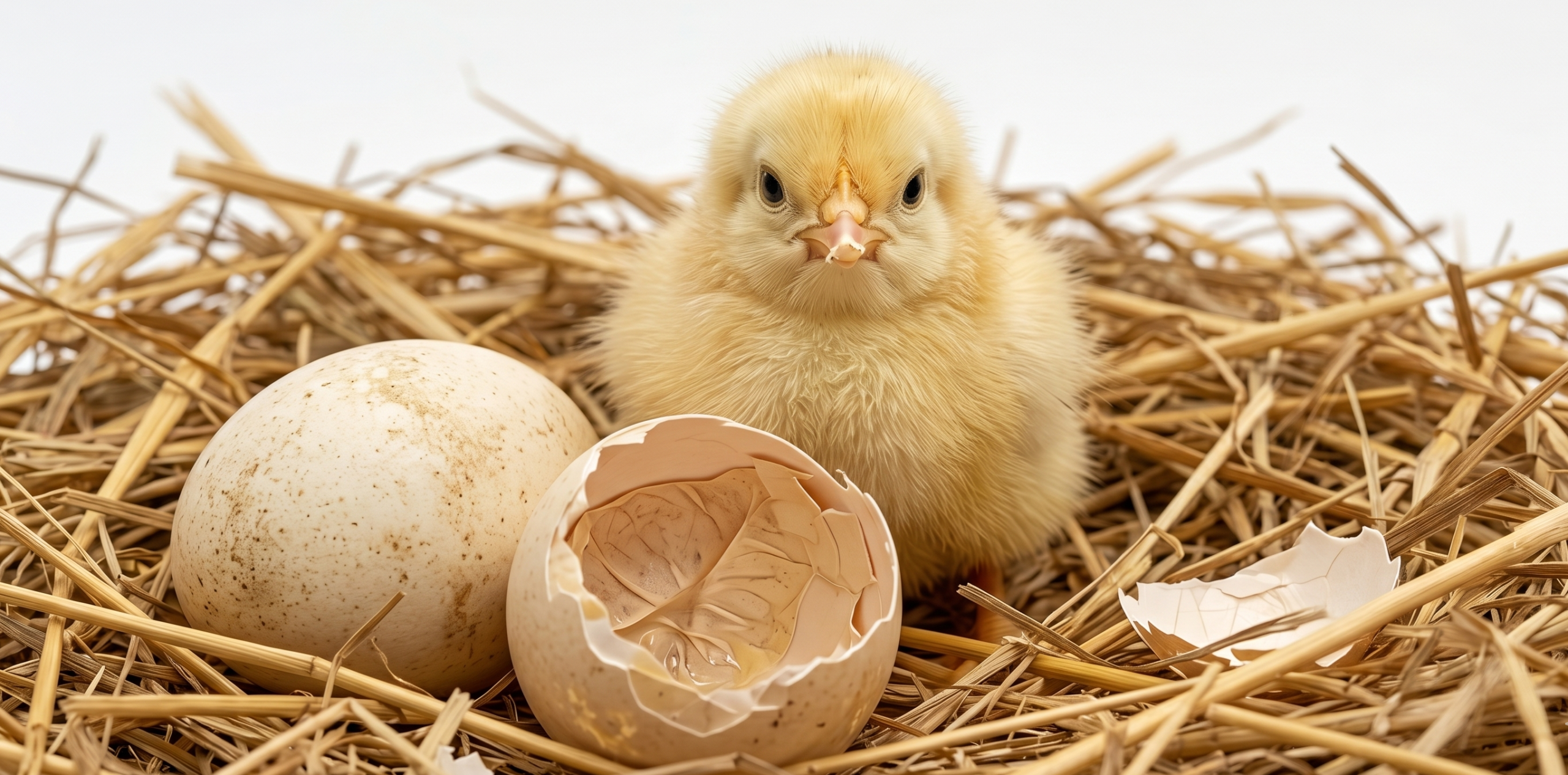
Author: Dr. Vaibhav Gawande, Feed Safety and Toxin Control Specialist – South Asia, EW Nutrition In Tropical countries like India, Bangladesh & Sri Lanka, high temperatures and humidity significantly increase the risk of mycotoxin contamination in animal feed. FAO surveys report mycotoxin contamination in over 70% of cereals and oilseeds used for animal feed, making […]
Mycotoxins in poultry – External signs can give a hint
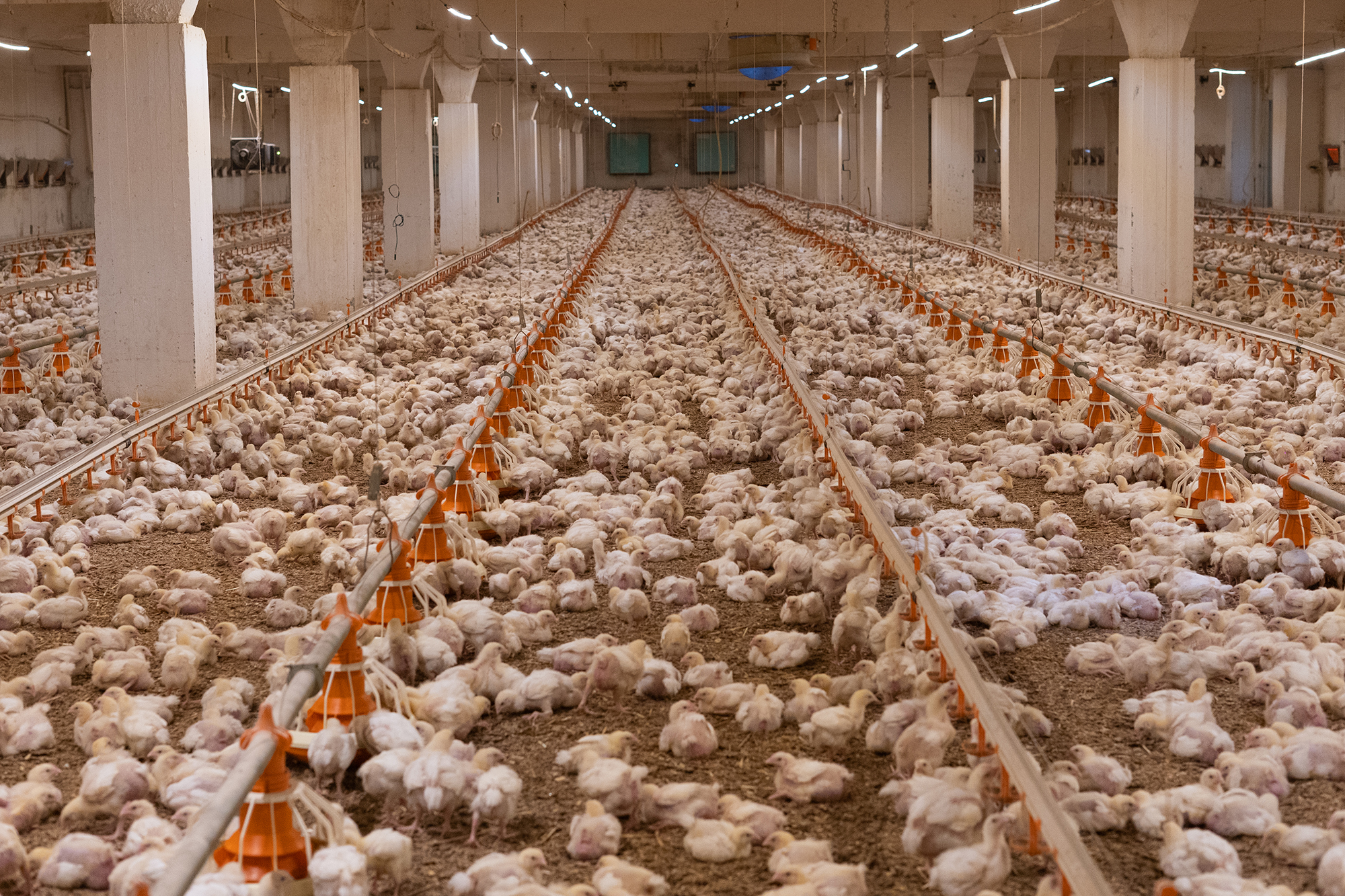
Part 3: Bone disorders and foot pad lesions By Dr. Inge Heinzl, Editor, and Marisabel Caballero, Global Technical Manager Poultry Bone health is essential for animals and humans. Besides giving structural support, allowing movement, and protecting vital organs, the bones release hormones that are crucial for mineral homeostasis and acid balance and serve as […]
Mycotoxins in poultry – External signs can give a hint

Part 1: Impact on Feathering By Dr. Inge Heinzl, Editor, EW Nutrition Mycotoxins are known to decrease health and performance in poultry production. Their modes of action, such as reducing protein synthesis and promoting oxidative stress and apoptosis, lead to cell destruction and lower cell replacement, affecting several organs and tissues. When different stress […]
Mycotoxins in layer and breeder feed impact hens, eggs, hatchery, and chicks
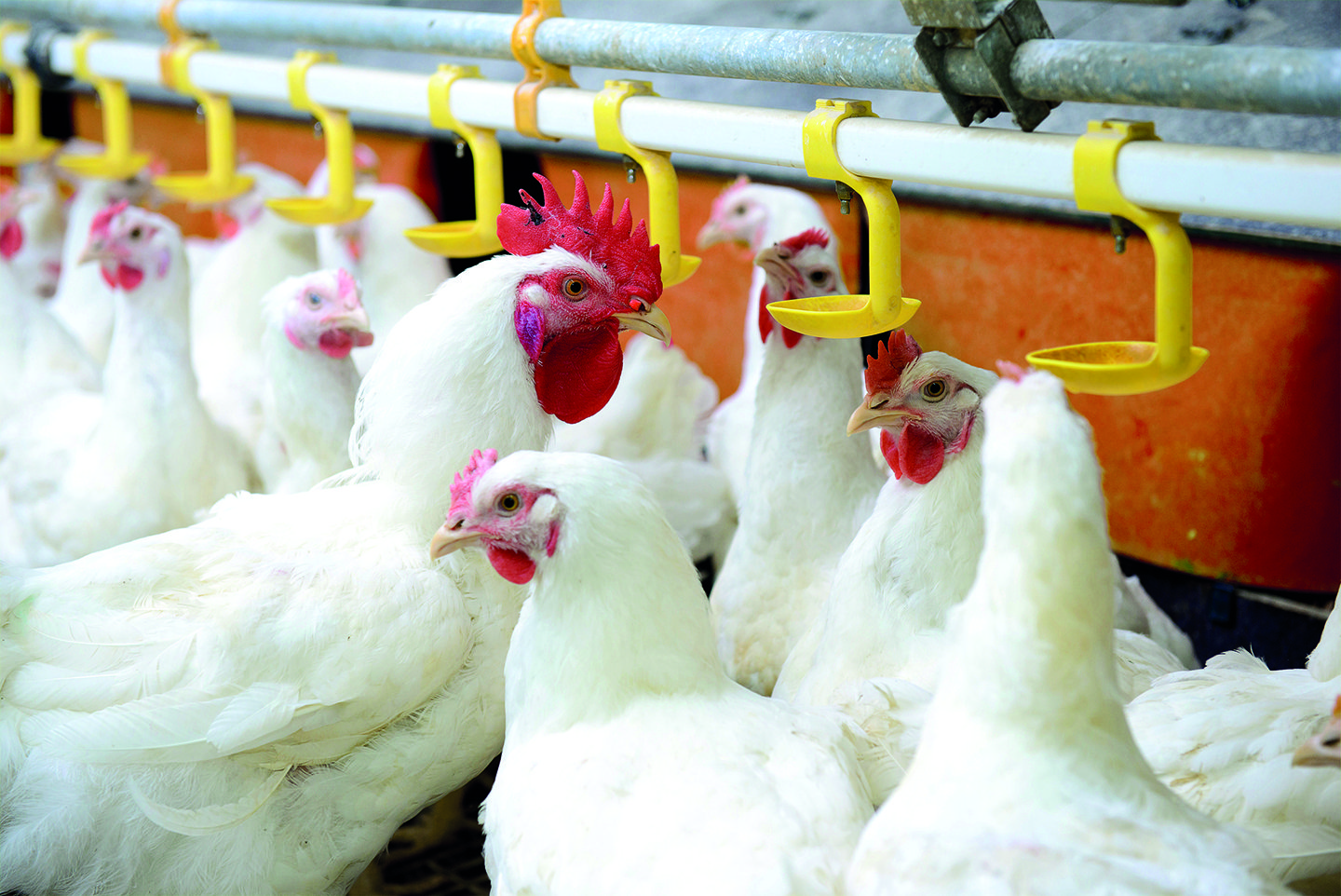
By Technical Team EW Nutrition As the planet’s climate experiences changes, new patterns affect the microbial communities colonizing crops. Recently, several areas of the planet have experienced extreme temperatures, drought, changes in the humid/dry cycles, and an increase in atmospheric carbon dioxide (1,2). As a response, the fungi affecting the crops have shifted their geographical […]
Organic acids can play a crucial role in zinc oxide replacement
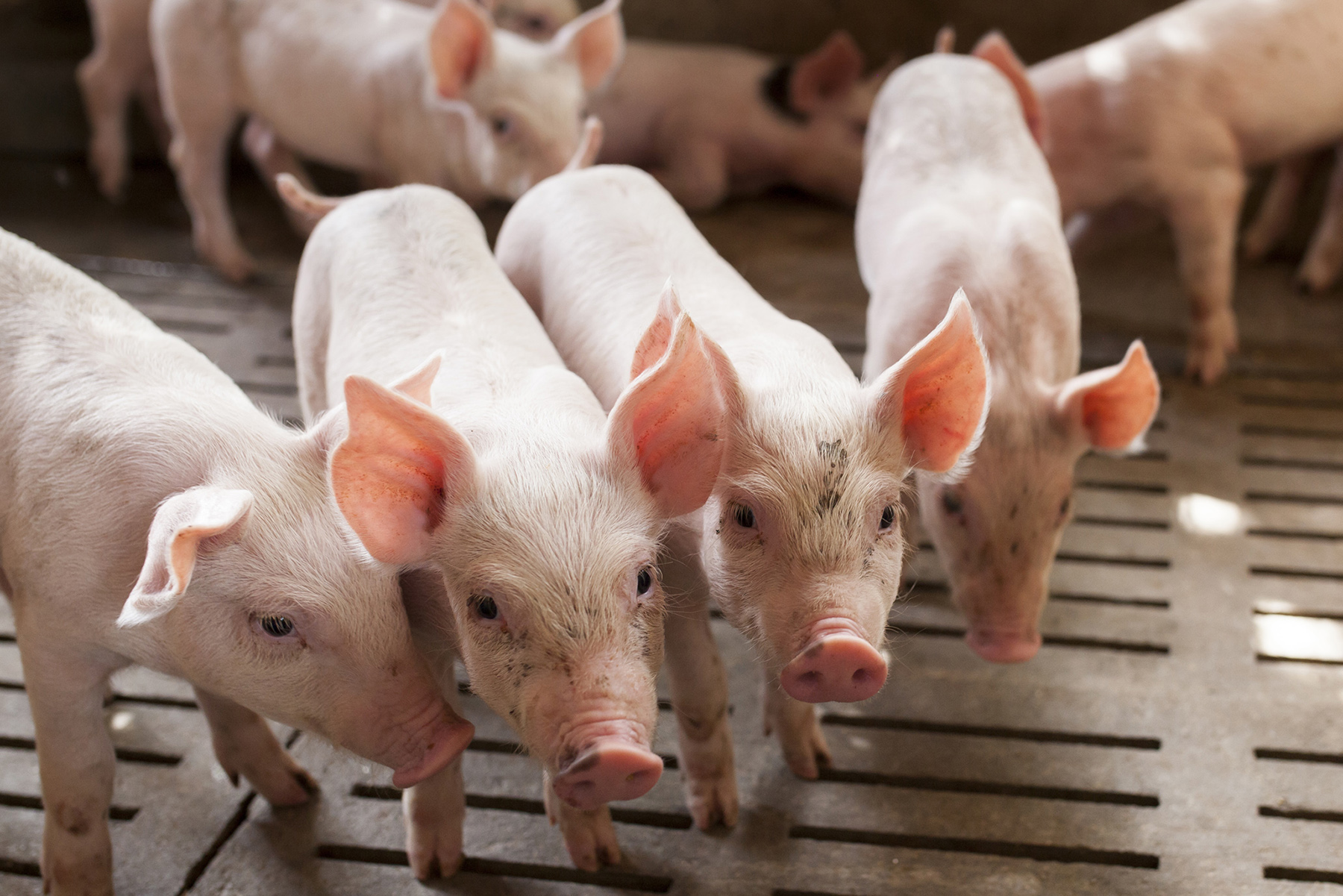
Dr. Inge Heinzl, Editor EW Nutrition & Juan Antonio Mesonero Escuredo, GTM Swine/GPM Organic Acids EW Nutrition The use of high levels of Zinc Oxide (ZnO) in the EU before 2022 was one of the most common methods to prevent postweaning diarrhea (PWD) in pig production. Pharmacologically high levels of ZnO (2000-3000 ppm) increase growth […]
Salmonella in pigs: a threat for humans and a challenge for pig producers
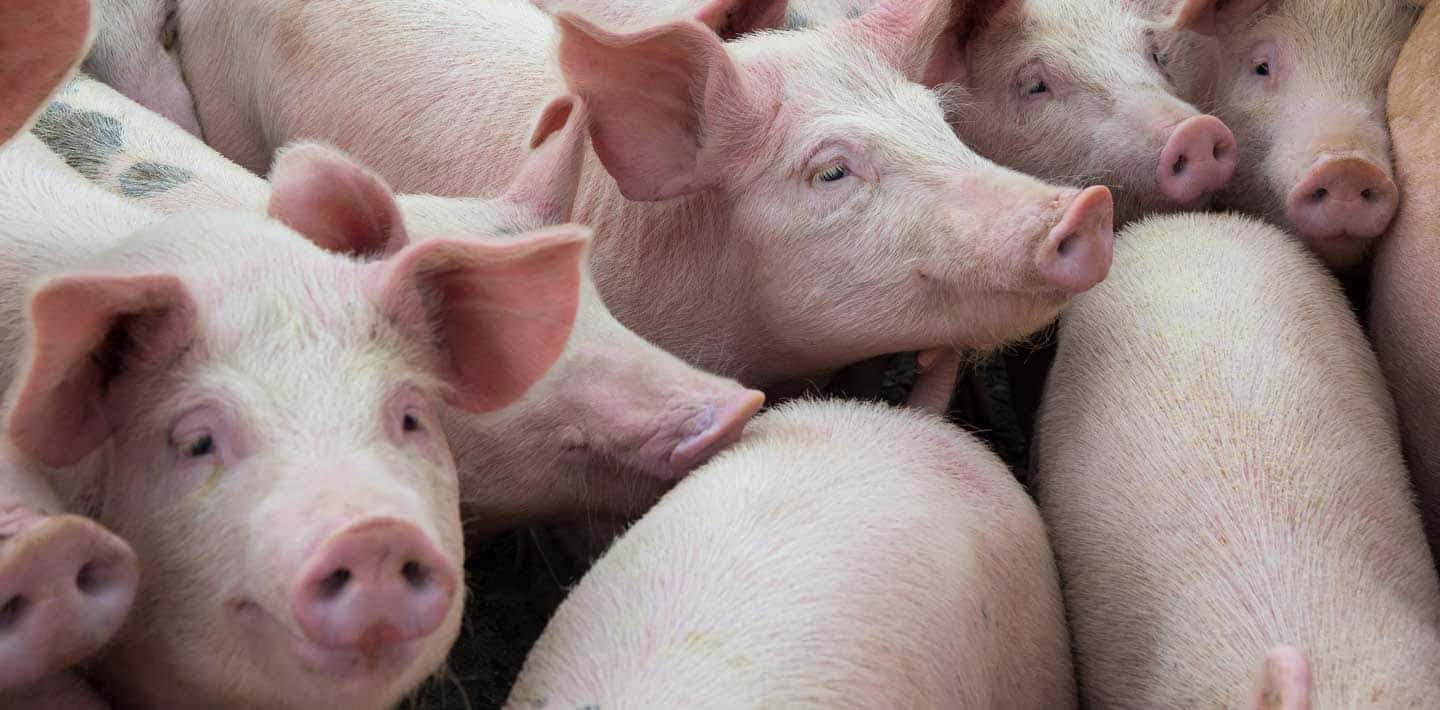
By Dr. Inge Heinzl, Editor, EW Nutrition Salmonellosis is third among foodborne diseases leading to death (Ferrari, 2019). More than 91,000 human cases of Salmonellosis are reported by the EU each year, generating overall costs of up to €3 billion a year (EFSA, 2023), 10-20% of which are attributed to pork consumption (Soumet, 2022). The […]
Masked mycotoxins – particularly dangerous for dairy cows
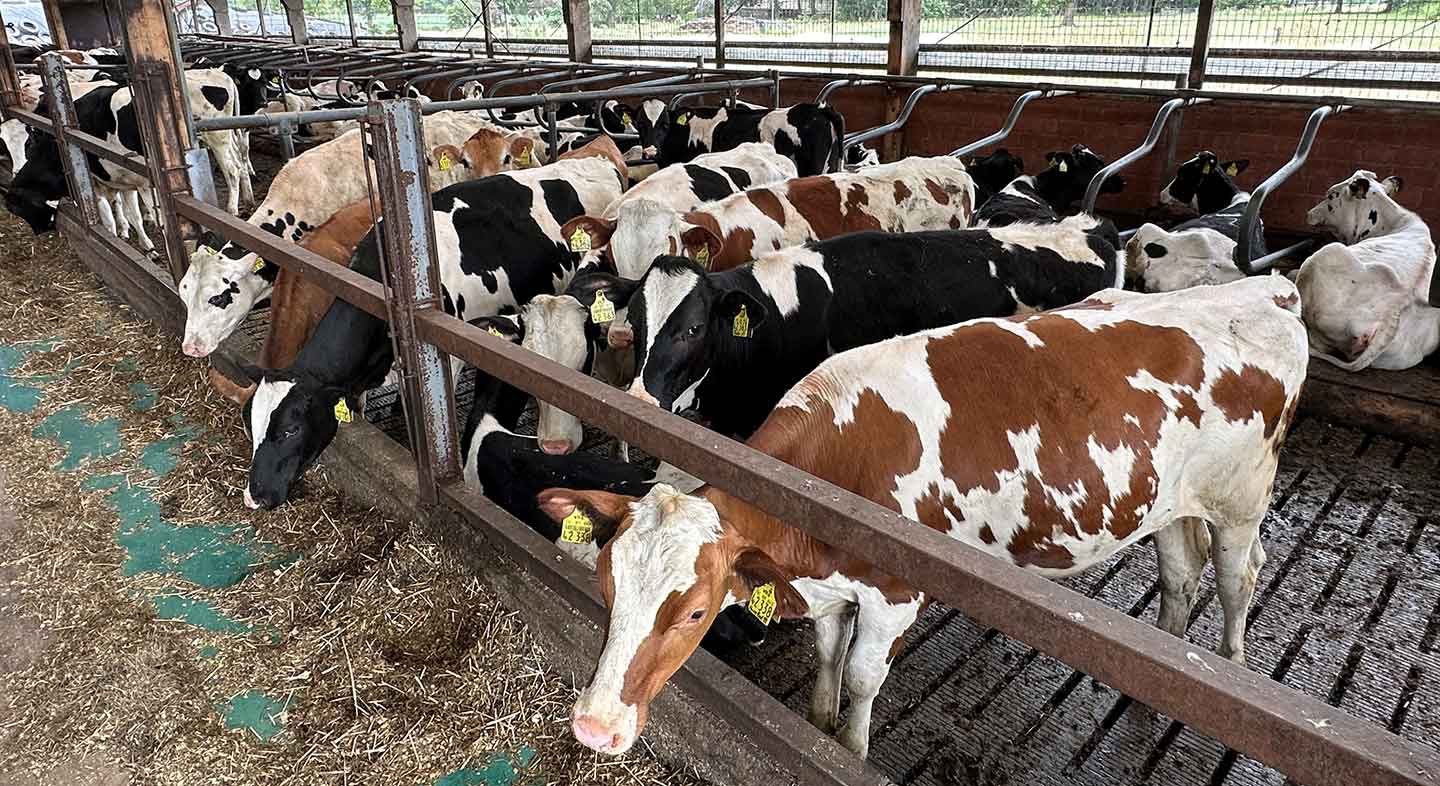
By Si-Trung Tran, SEAP Regional Technical Manager, EW Nutrition Technical Team and Dr. Inge Heinzl, Editor, EW Nutrition Mycotoxins are secondary metabolites of fungi, commonly found as contaminants in agricultural products. In some cases, these compounds are used in medicine or industry, such as penicillin and patulin. In most cases, however, they are considered xenobiotics […]
Toxin Mitigation 101: Essentials for Animal Production
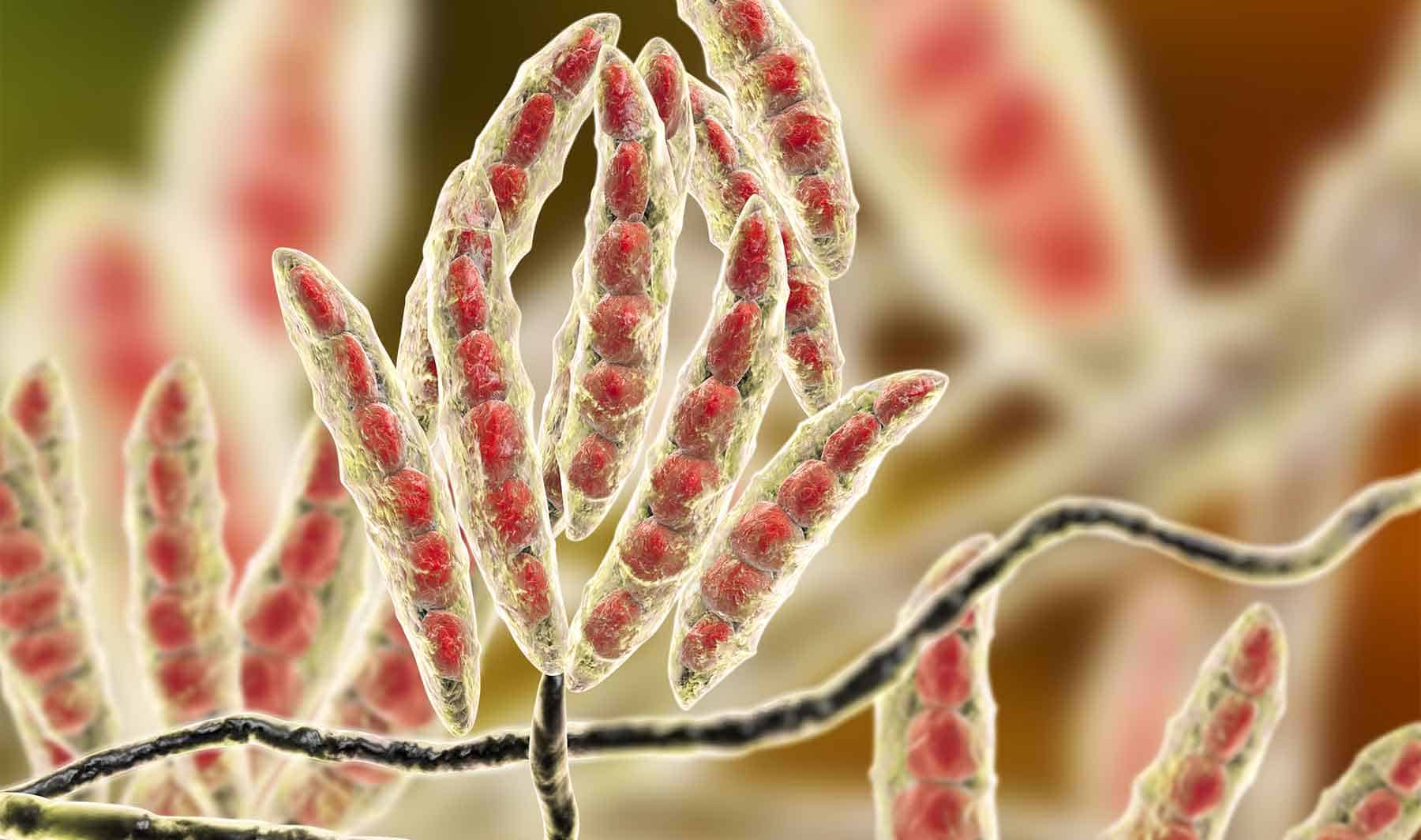
By Monish Raj, Assistant Manager-Technical Services, EW Nutrition Inge Heinzl, Editor, EW Nutrition Mycotoxins, toxic secondary metabolites produced by fungi, are a constant and severe threat to animal production. They can contaminate grains used for animal feed and are highly stable, invisible, and resistant to high temperatures and normal feed manufacturing processes. Mycotoxin-producing fungi can […]
Feed hygiene protects animals and humans
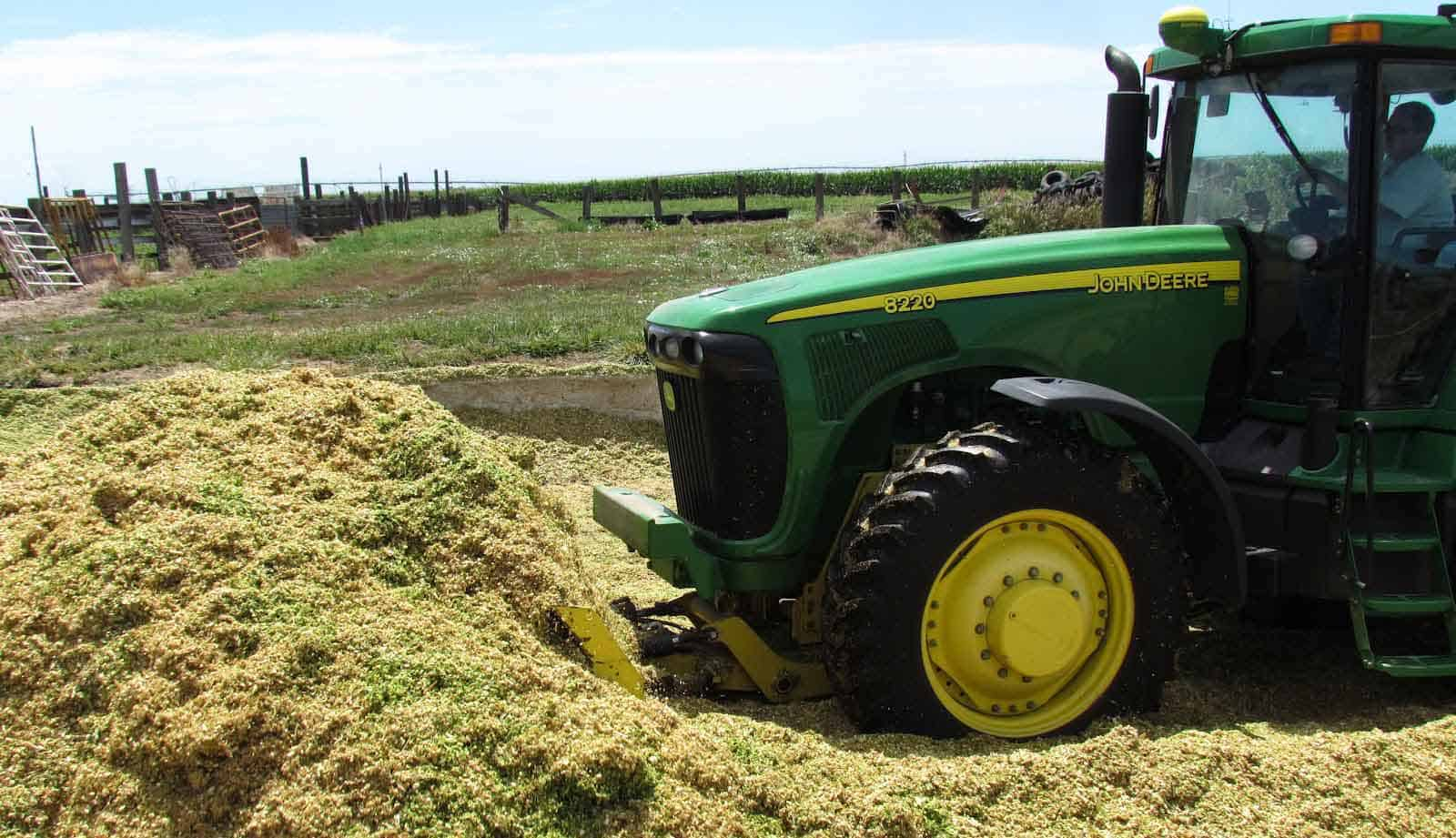
By Vaibhav Gawande, Assistant Manager Technical Services, Dr. Inge Heinzl, Editor, and Technical Team, EW Nutrition The utility value of feed consists of the nutritional value and the quality. The first covers all characteristics concerning the essential nutrients and is important for feed formulation and the adequate supply of the animals. Feed quality comprises all […]
Rancidity in fats and oils: Considerations for analytical testing
By Dr. Ajay Bhoyar, Global Technical Manager – Poultry, EW Nutrition Rancidity testing is essential in the feed industry, as a key indicator of product quality and shelf life. It is conducted to determine the level of oxidation in samples of feed or feed ingredients and it can be performed through a number of […]
Salmonella in poultry: What are the most effective natural solutions?

By Dr. Inge Heinzl, Editor, EW Nutrition Salmonella infection in poultry is a problem for the producer because of the performance losses of his flock. At the same time, products of salmonella-contaminated animals pose a severe risk to human health. In the USA, Salmonellosis in poultry is estimated to cost $ 11.6 billion each year […]
Water Hygiene: The missing ingredient for successful ABF poultry
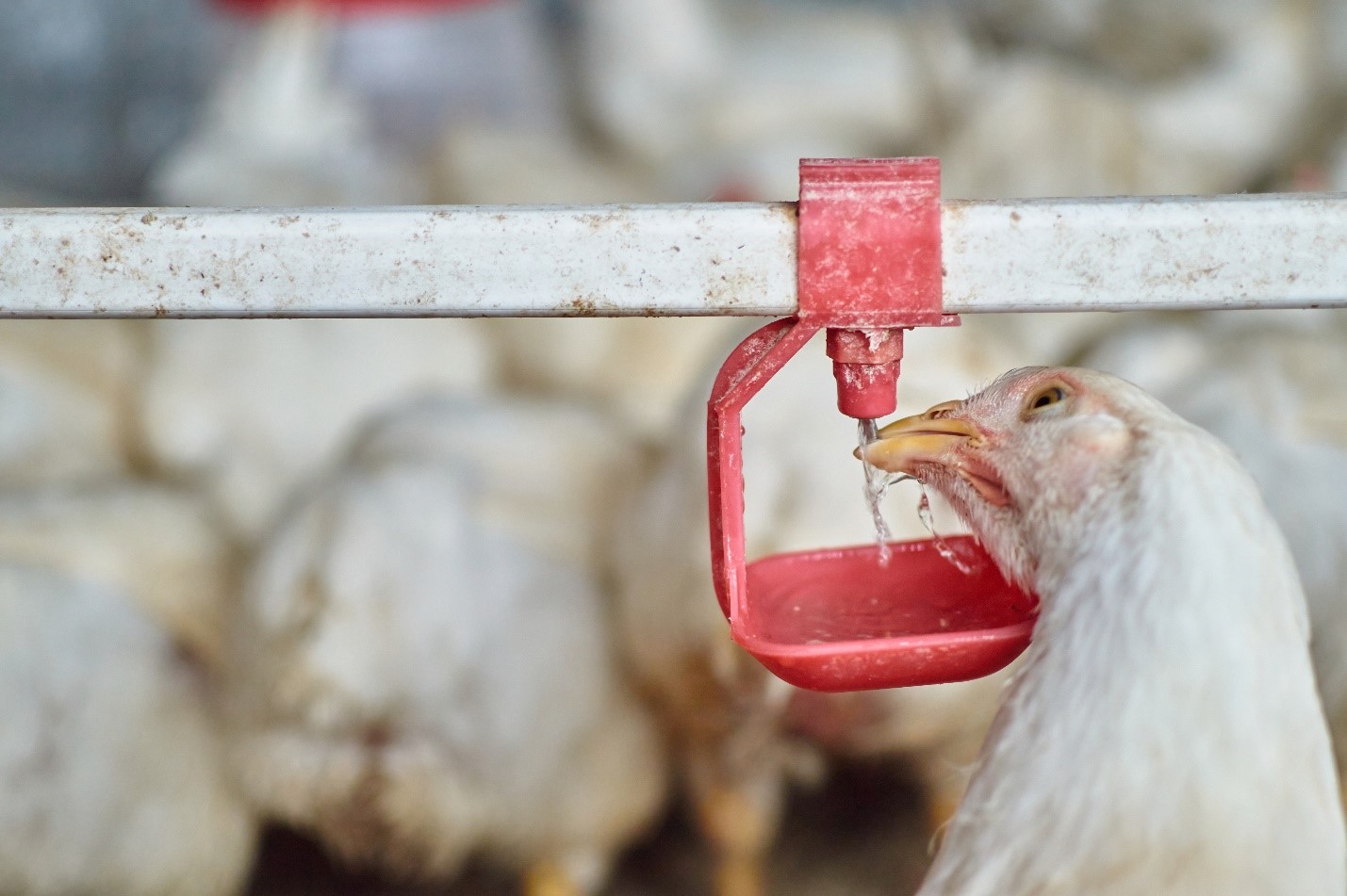
By T.J. Gaydos Water quality is a frequently overlooked part of animal production and it becomes even more important when producing animals in an antibiotic-free (ABF) system. Chickens drink almost twice as much water as they consume feed, and water hygiene is often a second-level priority. Microbes present in water can be primary or secondary […]