

EU guidance values for key mycotoxins in animal feeds
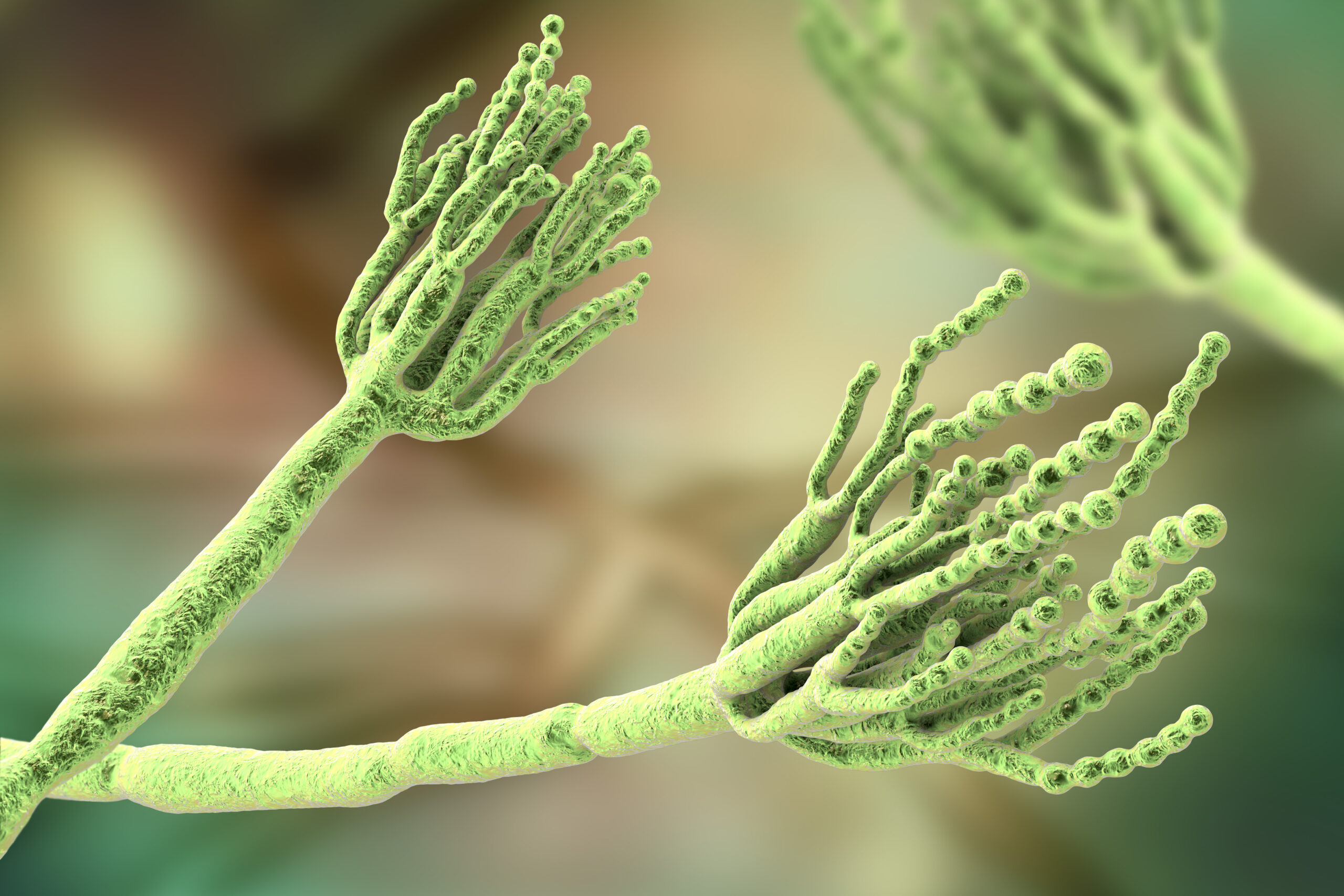
By Marie Gallissot, Global Manager Feed Quality Solutions, EW Nutrition EU guidance values for key mycotoxins in animal feeds After years of discussions, and the publication by EFSA of several scientific opinions in the past 10 years, the new EC recommendation on the presence of deoxynivalenol (DON), zearalenone (ZEA), ochratoxin A (OTA), T-2 and HT-2 […]
Endotoxins in 250 words
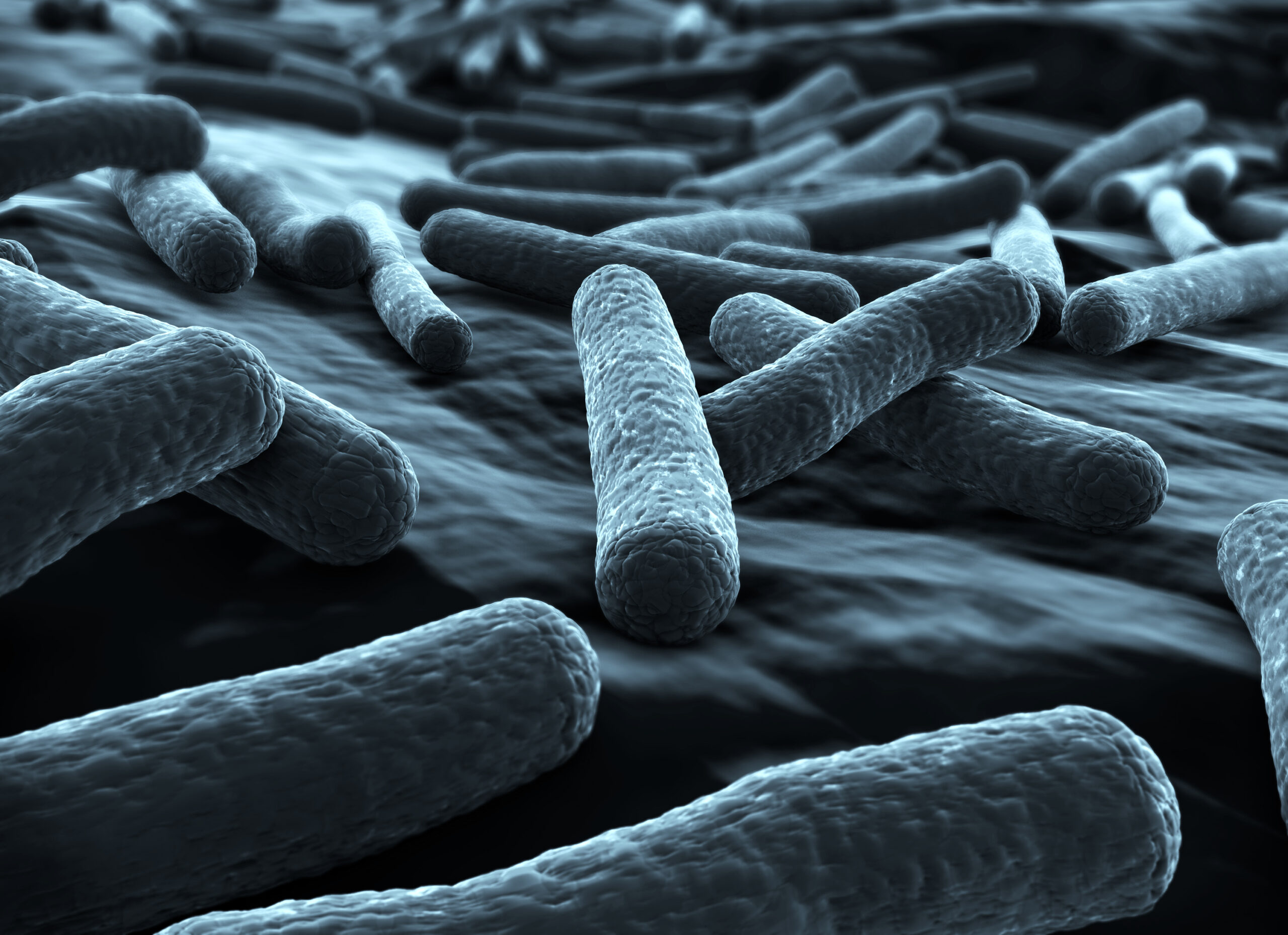
Dr Inge Heinzl, EW Nutrition Endotoxins are… toxic, of course. The part “endo” in their name means that they are part of the bacterial cell, or, to specify it, they are part of the outer membrane of Gram-negative bacteria such as E. coli, Salmonella, Shigella, Klebsiella, and Pseudomonas. When do they occur? Always. Endotoxins are […]
Decoding the connection between stress, endotoxins, and poultry health
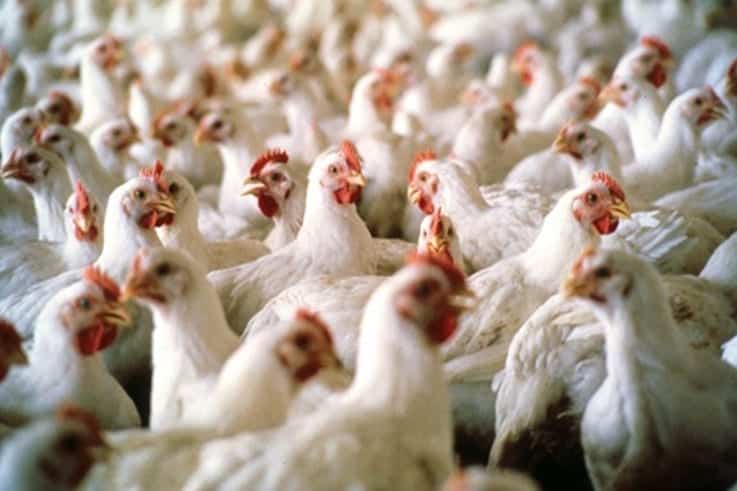
By Technical Team, EW Nutrition Stress can be defined as any factor causing disruptions to homeostasis, which triggers a biological response to regain equilibrium. We can distinguish four major types of stressors in the poultry industry: Technological: related with management events and conditions Nutritional: involving nutritional disbalances, feed quality and feed management Pathogenic: comprising health […]
Masked mycotoxins – particularly dangerous for dairy cows
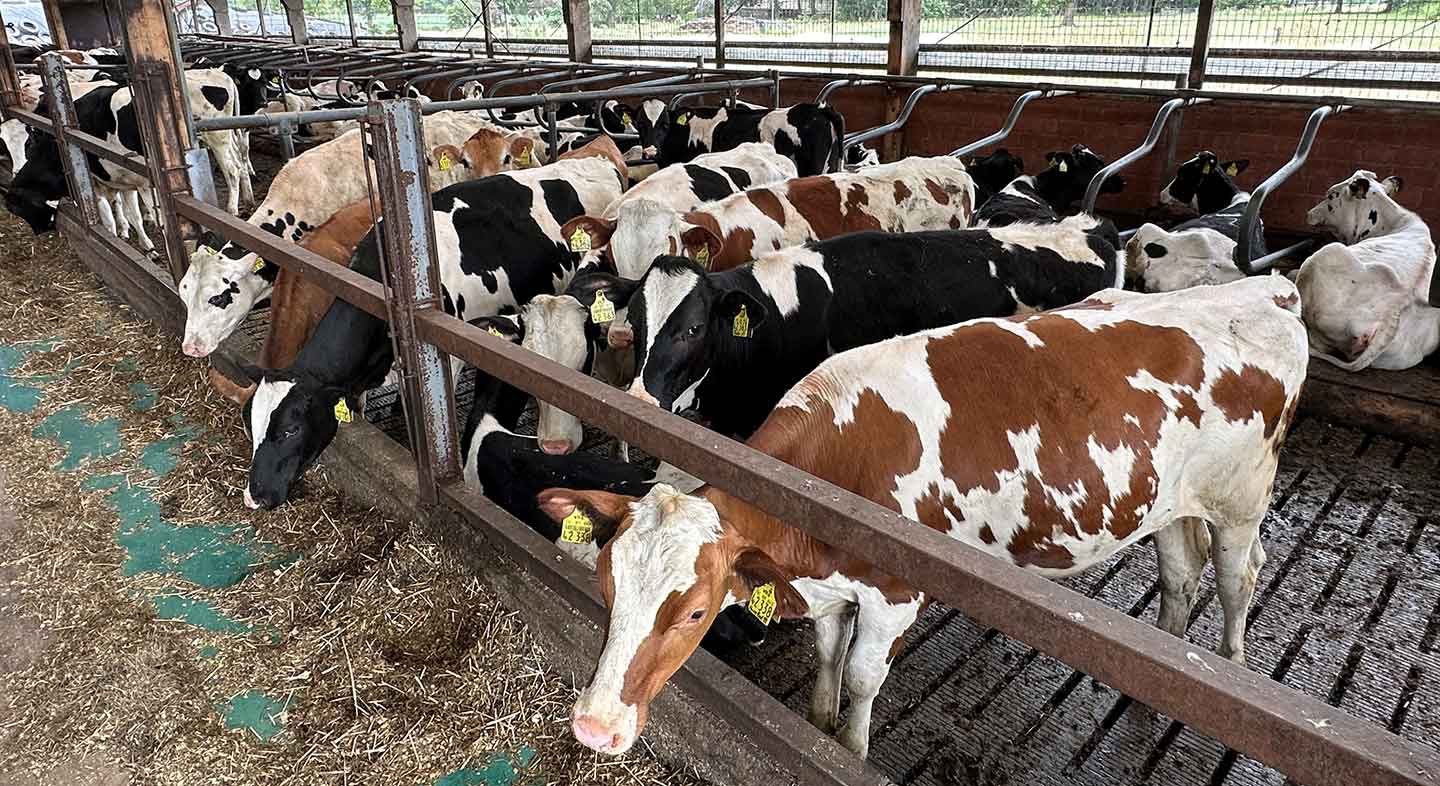
By Si-Trung Tran, SEAP Regional Technical Manager, EW Nutrition Technical Team and Dr. Inge Heinzl, Editor, EW Nutrition Mycotoxins are secondary metabolites of fungi, commonly found as contaminants in agricultural products. In some cases, these compounds are used in medicine or industry, such as penicillin and patulin. In most cases, however, they are considered xenobiotics […]
Toxin Mitigation 101: Essentials for Animal Production
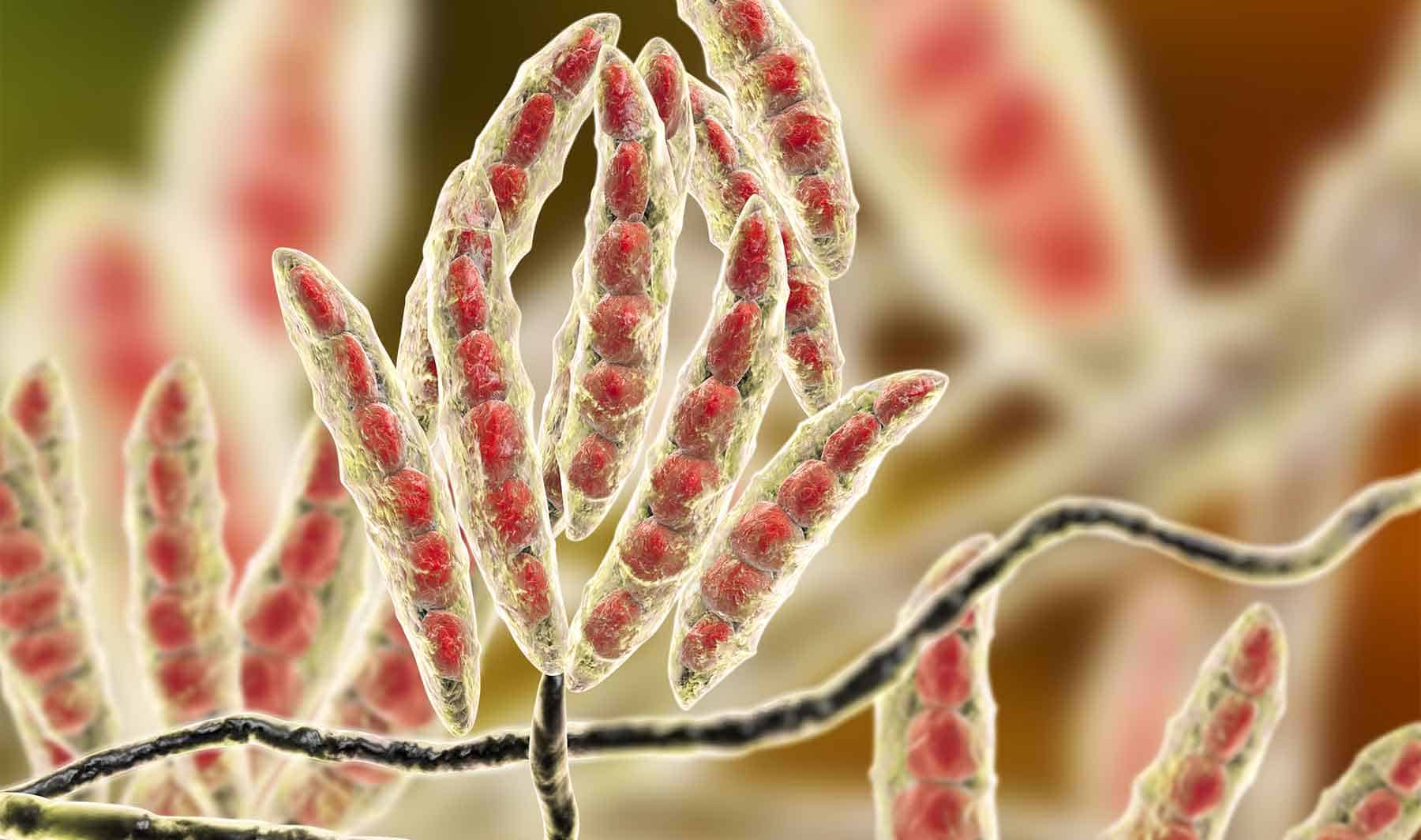
By Monish Raj, Assistant Manager-Technical Services, EW Nutrition Inge Heinzl, Editor, EW Nutrition Mycotoxins, toxic secondary metabolites produced by fungi, are a constant and severe threat to animal production. They can contaminate grains used for animal feed and are highly stable, invisible, and resistant to high temperatures and normal feed manufacturing processes. Mycotoxin-producing fungi can […]
Stop endotoxins from decreasing animal performance

By Technical Team EW Nutrition Find out why endotoxemia threatens animal production and how intelligent toxin mitigation solution SOLIS MAX can support endotoxin management. Figure 1: Structure of Lipopolysaccharide The quick guide to endotoxins (LPS) and what to do about them Lipopolysaccharides (LPS) are a constant challenge for animal production. LPS, which are also known as […]
Mycotoxin Monitoring Update: Fall 2021 Essentials
By Technical Team, EW Nutrition Climate across the globe has changed, with rising atmospheric temperatures and carbon dioxide levels. This change favors the growth of toxigenic fungi in crops and thus increases the risk of mycotoxin contamination. When contaminating feed, mycotoxins exert adverse effects in animals and could be transferred into products such as milk […]
From sub-acute ruminal acidosis to endotoxins: Prevention for lactating cows
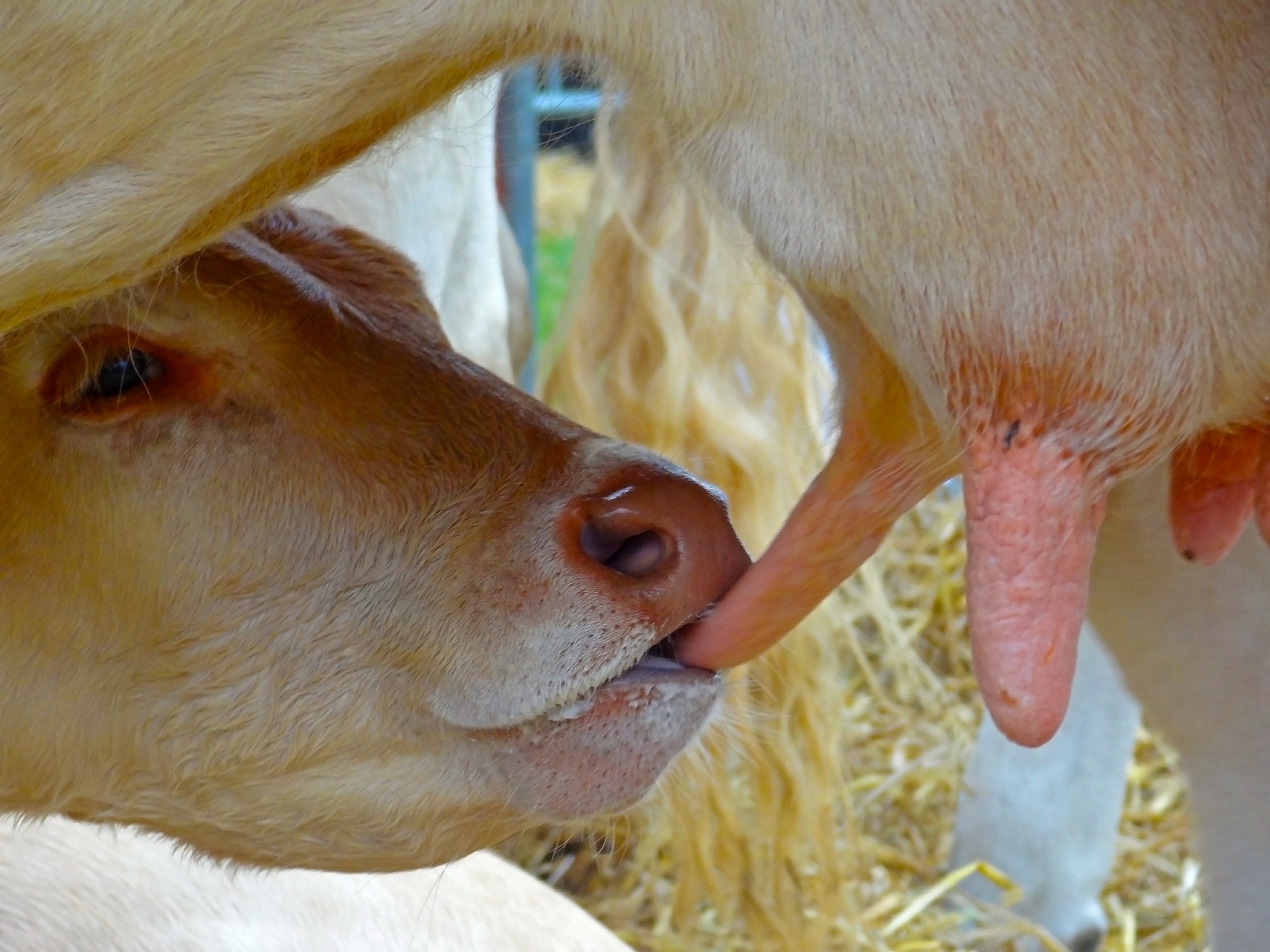
by Technical Team, EW Nutrition Sub-acute acidosis (SARA) is linked to high levels of ruminal LPS. The LPS cause inflammation and contribute to different metabolic conditions and diseases. Various strategies and solutions can be applied to modulate the rumen microbiota and prevent this risk. In sub-acute rumen acidosis (SARA), the quantity of free lipopolysaccharides (LPS) […]
The hidden danger of endotoxins in animal production
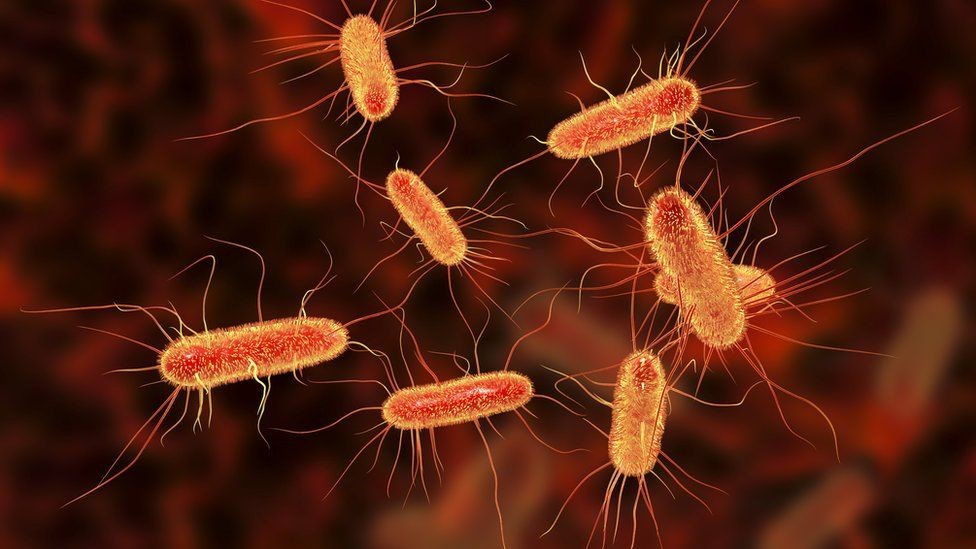
by Technical Team, EW Nutrition Find out why LPS can cause endotoxemia and how intelligent toxin mitigation solutions can support endotoxin management. Each E. coli bacterium contains about 100 lipopolysaccharides molecules in its outer membrane Lipopolysaccharides (LPS) are the major building blocks of the outer walls of Gram-negative bacteria. Throughout its life cycle, a bacterium […]
Mycotoxin interactions: An obstacle to risk assessment
In animal feed, multi-mycotoxin contamination is found quite frequently and seems to be the rule rather than the exception in practical diets. Here is a quick overview of the known interactions. What are the most common mycotoxins in feed? Mycotoxins represent an exceptional challenge for feed and animal producers: they are produced by common molds, […]
Using milk thistle to reduce liver damage from mycotoxins

Mycotoxins not only reduce animal performance, but they also cause significant liver damage. The seeds of the herb plant milk thistle contain a mixture of flavonolignans known as silymarin and can help in reducing liver damage when animals get in contact with mycotoxin contaminated feed. Mycotoxins are a constant problem in cereals causing economic losses […]