Gut Health and Antibiotic Reduction
Protect the animal, reduce antibiotic use
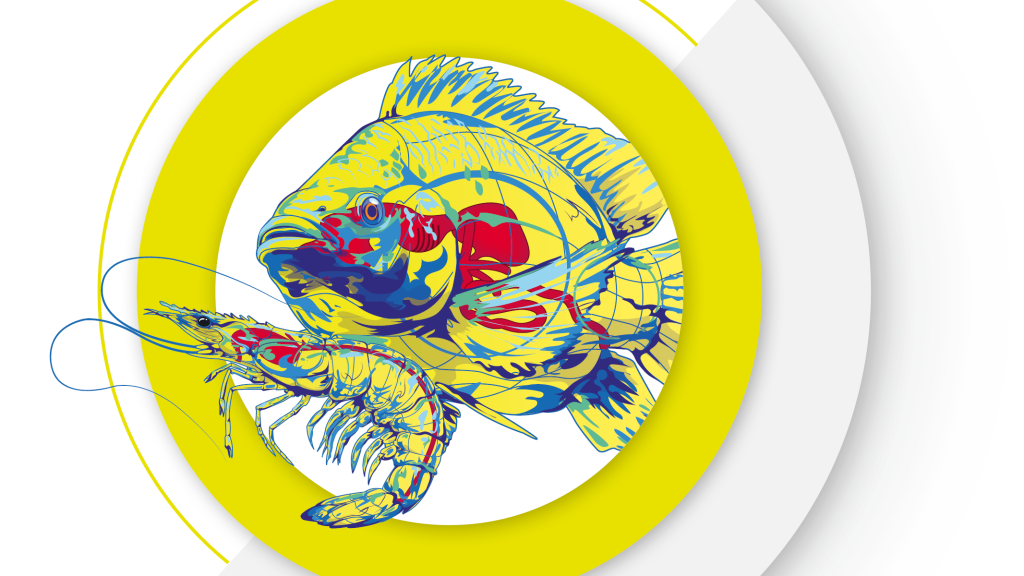
In fish and shrimp, the gut serves as a critical interface between the animal and its aquatic environment. As aquatic species continuously ingest water while feeding and drinking, the gastrointestinal tract is constantly exposed to microorganisms, toxins, and other environmental stressors. The intestinal barrier must therefore prevent the entry of opportunistic pathogens and harmful metabolites while efficiently digesting and absorbing nutrients.
When this balance is disrupted, health, welfare, and performance challenges can emerge. Traditionally, these issues have been addressed through antibiotic and chemical treatments. However, growing concerns around antimicrobial resistance, sustainability, and production efficiency have driven a shift toward preventative health management strategies focused on gut resilience.
Phytogenics are emerging as valuable tools within this approach. Essential oils can help modulate microbial communities while supporting digestion and barrier integrity. Polyphenols provide potent antioxidant activity, helping reduce oxidative stress and improve resilience during challenging periods. Together, these bioactive compounds support gut health, animal performance, and farm productivity.