

EU guidance values for key mycotoxins in animal feeds

By Marie Gallissot, Global Manager Feed Quality Solutions, EW Nutrition EU guidance values for key mycotoxins in animal feeds After years of discussions, and the publication by EFSA of several scientific opinions in the past 10 years, the new EC recommendation on the presence of deoxynivalenol (DON), zearalenone (ZEA), ochratoxin A (OTA), T-2 and HT-2 […]
Phytase and Xylanase in Poultry and Swine Nutrition: Complementary and Potentially Synergistic Effects Beyond Nutrient Release
Author: Ajay Bhoyar, Senior Global Technical Manager, EW Nutrition Why strategic use of xylanase in addition to phytase matters Modern poultry and swine diets rely heavily on plant-derived ingredients such as corn, wheat, barley, soybean meal, rice bran, sunflower meal, and various co-products based on regional availability. While these ingredients provide valuable nutrients, some may […]
Environmental Stress and Mycotoxins in Breeders: Hidden Losses in Fertility, Egg Quality & Chick Output
Author: Dr. Vaibhav Gawande, Feed Safety and Toxin Control Specialist – South Asia, EW Nutrition In Tropical countries like India, Bangladesh & Sri Lanka, high temperatures and humidity significantly increase the risk of mycotoxin contamination in animal feed. FAO surveys report mycotoxin contamination in over 70% of cereals and oilseeds used for animal feed, making […]
Shifting Consumer Preferences in Dairy: The Higher Demand for High-Protein Milk in the GLP-1 Era
Author: Valentina Mayorga and Inge Heinzl, EW Nutrition Today, the dairy market is undergoing a remarkable transformation. Demand is no longer focused solely on volume or fat content, but rather on a specific component: protein. But why is protein suddenly at the center of consumer attention? Recent estimates indicate that approximately one in eight adults […]
The influence of moisture on salmonella control in feed processing
by Ivan Ilić, Application Manager EW Nutrition GmbH Choosing the right strategy During global client visits, I frequently observe that the primary objective of a process is disconnected from the subsequent steps and final actions. Choosing a strategy is sometimes done paradoxically – like putting worn-out winter tires on a vehicle just because they are […]
The 7 pillars of poultry health: A holistic strategy for disease control
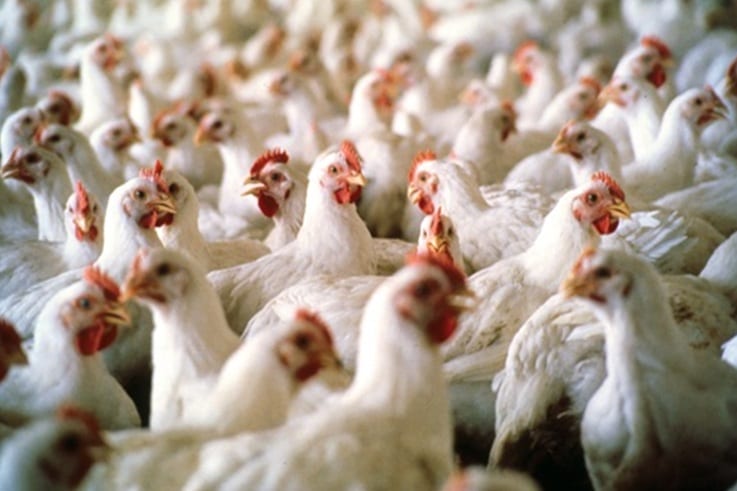
by Madalina Diaconu, Business Development Manager, EW Nutrition Modern poultry production is currently battling a perfect storm of respiratory, enteric, and bacterial pressures. These overlapping challenges do more than just make birds sick; they actively erode performance, lead to higher condemnation rates at the plant, and squeeze already tight profit margins. To stay ahead, any […]
The lessons of 2025 for poultry and feed producers
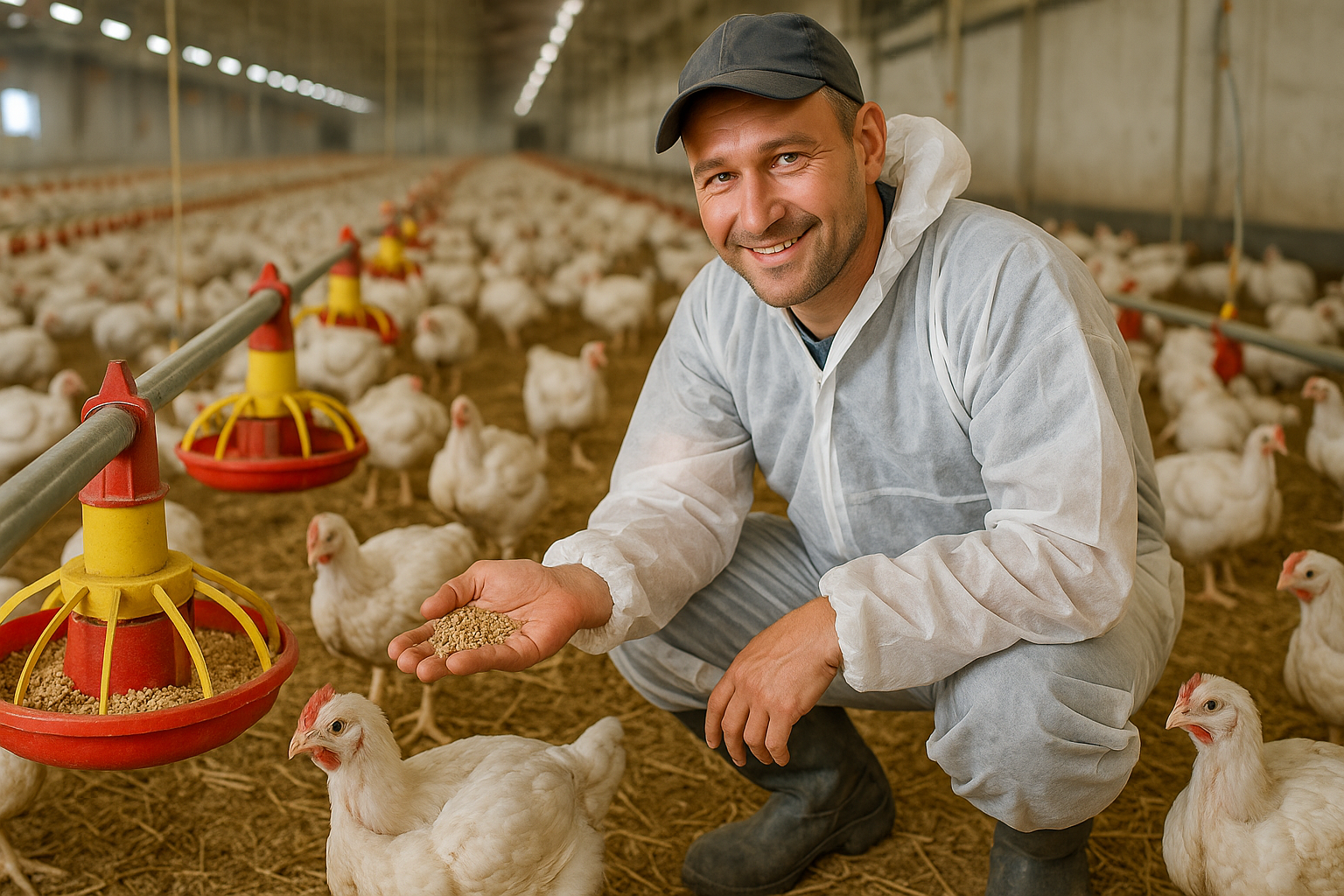
by Ilinca Anghelescu, Global Director Marketing & Communications, EW Nutrition 2025 was a year defined by four converging forces for the global feed and animal production industry: an unprecedented HPAI crisis that cost American consumers alone $14.5 billion extra in egg expenditures; historic record corn production driving feed ingredient prices lower; a highly disruptive US […]
Intrinsically Heat-Stable Xylanase: A New Standard for Improving Performance under High-Temperature Pelleting

Author: Ajay Bhoyar, Senior Global Technical Manager, EW Nutrition The global use of feed enzymes has become a central feature of efficient monogastric animal production systems. Rising feed ingredient costs, tighter margins, and increasing regulatory pressure to reduce environmental impact have all accelerated enzyme innovation. At the same time, feed mills have shifted toward higher […]
Learning from AGP mechanisms to advance poultry nutrition

By Ilinca Anghelescu, Dr. Andreas Michels, Predrag Persak Our understanding of how nutrition influences growth and resilience in poultry has greatly expanded in recent years. It is now clear that animal performance stems to a large extent from a balance between metabolism, immune function, and the gut microbiome. These systems interact continuously, and even small […]
A holistic approach to animal health and nutrition: From feed issues to intestinal permeability – A conversation in Berlin
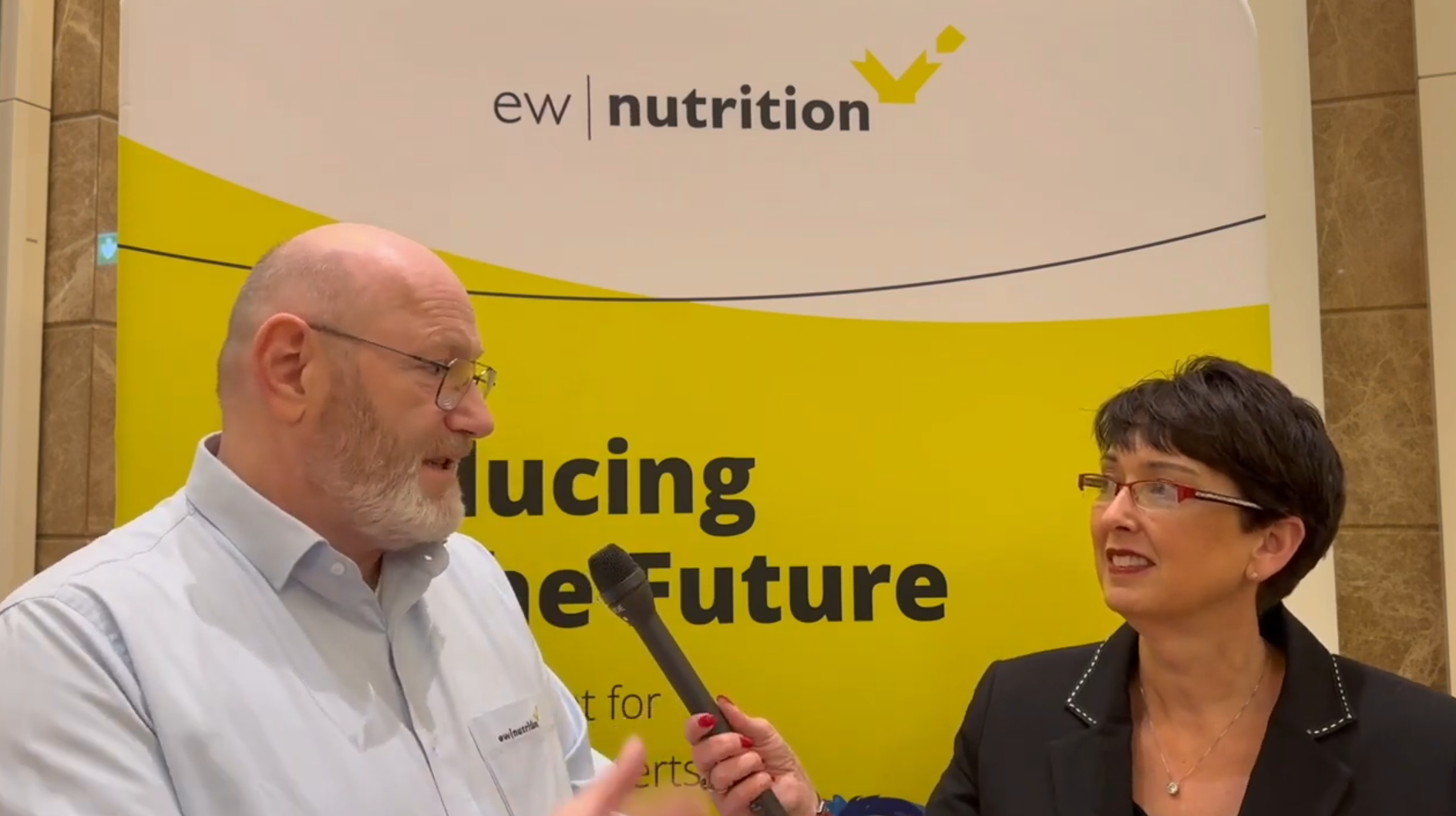
Recently, The Poultry Site’s Sarah Mikesell interviewed Predrag Persak, EW Nutrition’s Regional Technical Manager for Northern Europe. The conversation covered topics as wide as sustainability and challenges in poultry production, and as narrow as intestinal permeability. Thanks to The Poultry Site for the great talk! Watch the video Sarah Mikesell, The Poultry Site: Hi, this […]
Optimizing the Use of DDGS in Poultry Feeds with Xylanase
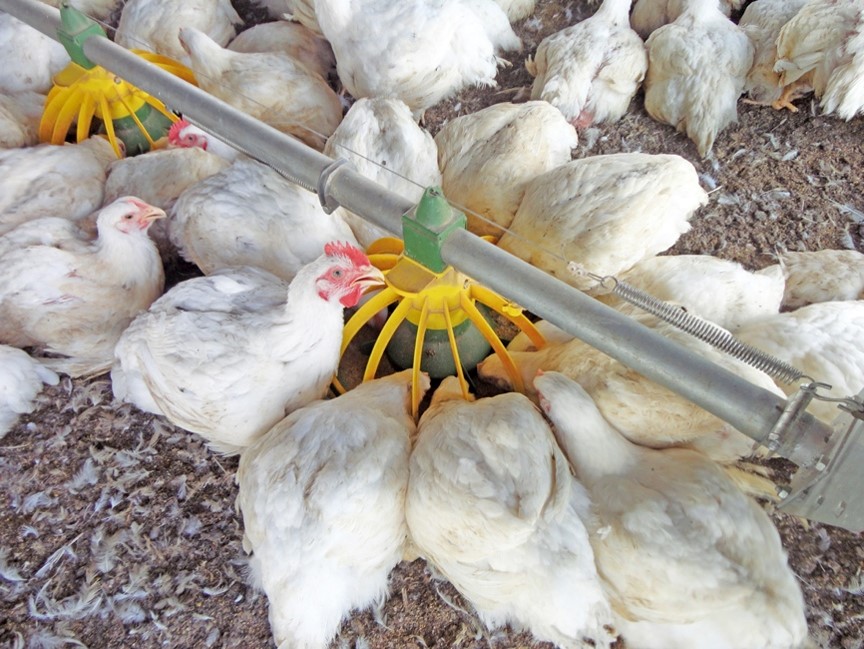
Author: Ajay Bhoyar, Sr. Global Technical Manager, EW Nutrition As the poultry industry seeks economical and nutritious feed ingredients, distillers’ dried grains with solubles (DDGS), a co-product of grain-based ethanol production, presents a valuable option providing beneficial protein, energy, water-soluble vitamins, xanthophylls, and linoleic acid. However, the inherent variability in DDGS nutrient composition and high […]
Consequences of genetic improvements and nutrient quality on production performance in swine

Conference Report Achieving high performance and superior meat quality with preferably low investment – and here, we speak about feed costs, which account for up to 70% of the total costs – is a considerable challenge for pig producers. The following will focus on the effects of genetic enhancements and nutrient quality on overall pig […]