

Methane must be reduced – What about rumen performance?
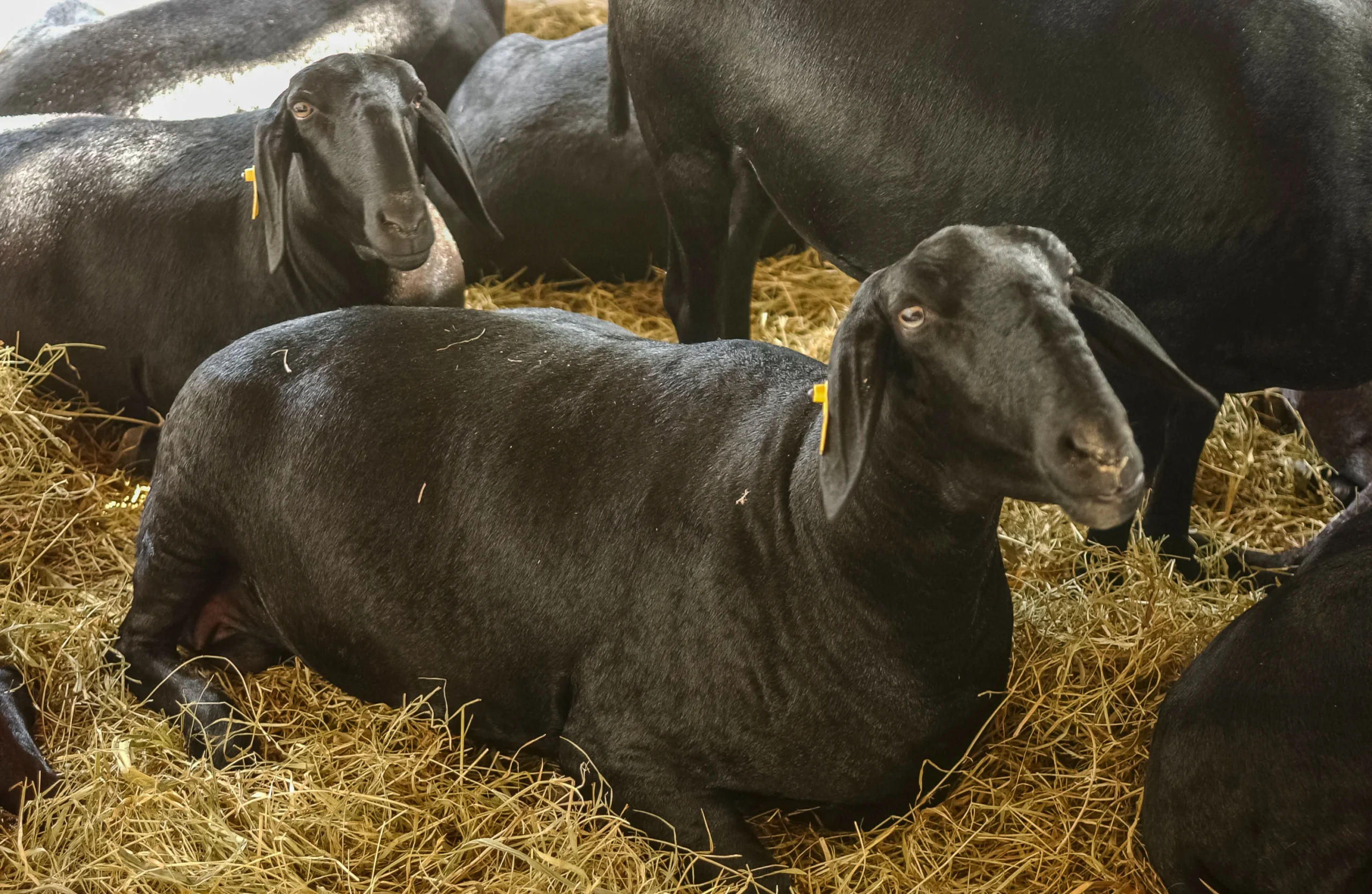
Authors: Valentina Mayorga, Predrag Persak, and Inge Heinzl, EW Nutrition Every day, dairy cows convert large amounts of feed into milk, but part of that valuable energy is inevitably lost in the form of methane produced during rumen fermentation. This gas not only represents a metabolic inefficiency for the animal but has also become one […]
EU Agricultural Outlook 2024-2035: Projected Trends and Challenges

by Ilinca Anghelescu, Global Director Marketing & Communications, EW Nutrition The European Union (EU) agricultural sector is confronted with challenges and uncertainties stemming from the geopolitical risks, extreme weather events, and evolving market demand. The EU Agricultural Outlook 2024-2035, published last month, highlights the anticipated trends, challenges, and opportunities facing the sector over the medium […]
BioStabil Plus improves grass silage quality and cattle profitability

by Dr. Vesna Jenkins, Global Product Manager, EW Animal Care Making silage enables the farmer to store forage, providing a cost-effective feed when required. From silage making through to feeding out, however, the challenge is to ensure that valuable dry matter, energy and protein are not lost. Any losses would require supplementation from other sources […]
Antimicrobial resistance in animal production workers, a serious challenge

With 73% of human-use antibiotics also used in food-animal production, antimicrobial resistance (AMR) is a pressing global health concern, particularly in contexts where humans and animals are in close proximity, such as in animal production facilities. This issue is exacerbated by the widespread use of antibiotics in livestock farming, which not only promotes resistance in […]
EU publishes Short-term Outlook for Agricultural Markets (Autumn 2024)
The EU’s Short-term Outlook for Agricultural Markets (Autumn 2024) reveals significant challenges in agriculture, with adverse weather, geopolitical instability, and fluctuating trade conditions impacting production. The report identifies declining cereal and oilseed outputs, particularly for soft wheat and maize. Meanwhile, milk production is expected to remain stable despite a shrinking cow herd, and the meat […]
The art of silage: A guide to maximizing quality and nutritional value
[vc_row][vc_column][vc_column_text]by Vesna Jenkins, Global Product Manager, Biomin BioStabil Silage quality directly impacts animal health and farm profitability. This guide delves into the scientific principles and practical steps necessary to produce silage of the highest caliber.[/vc_column_text][ultimate_spacer height=”40″][/vc_column][/vc_row][vc_row][vc_column][vc_column_text] Optimal Dry Matter [/vc_column_text][/vc_column][/vc_row][vc_row][vc_column link=”%7B%22url%22%3A%22%22%7D” width=”1/2″][vc_column_text]The journey to exceptional silage begins with harvesting at the ideal dry matter percentage. […]
Sustainable livestock farming: Progress since 1950
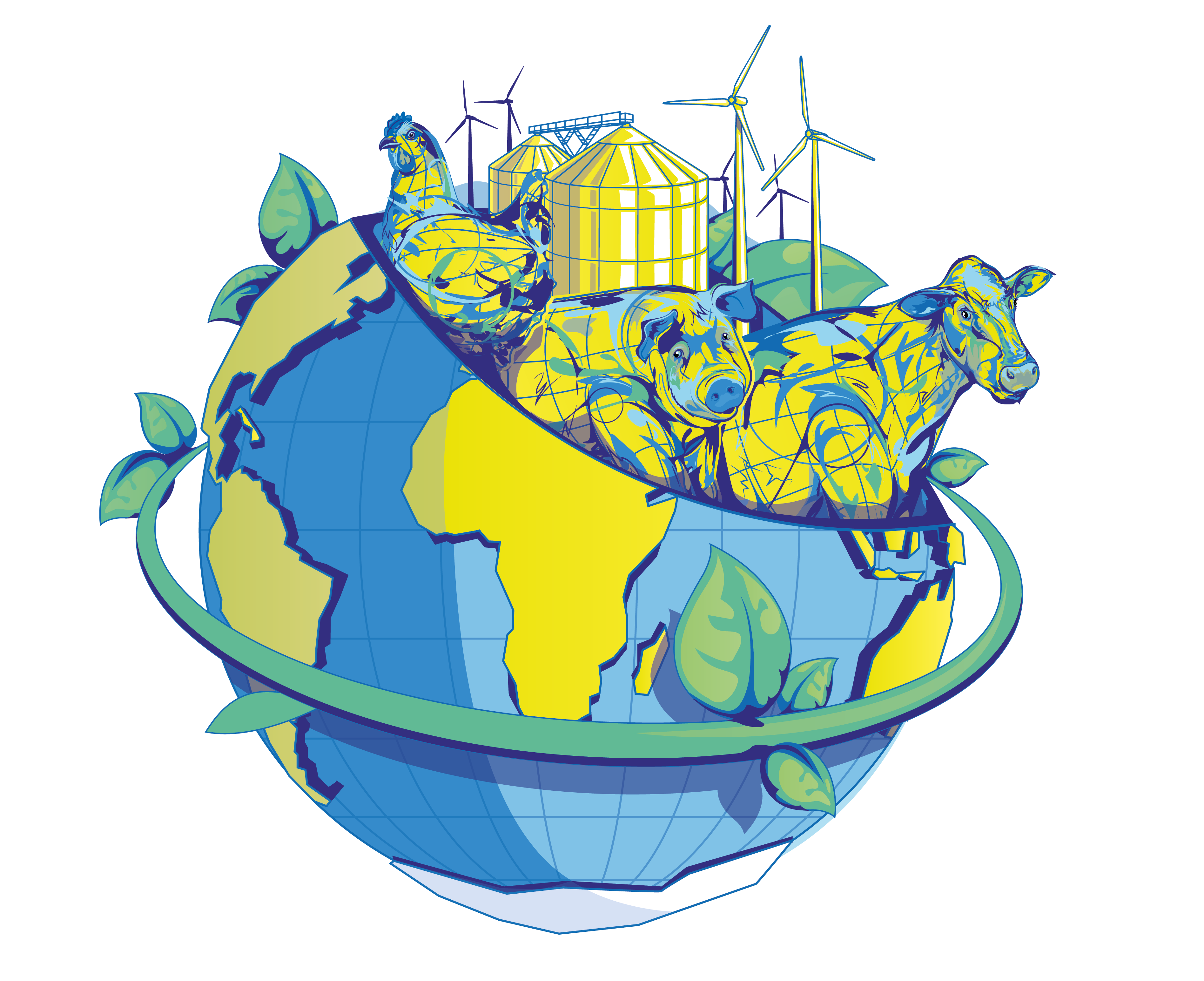
by Ilinca Anghelescu, Global Director Marketing Communications, EW Nutrition Summary Global GHG Emissions and Agriculture: Agriculture-related emissions account for 31% of global anthropogenic emissions, with a growing share coming from food-related activities outside traditional farming, such as processing and transportation. This represents a significant decrease from the 1950s when agriculture contributed to 58% of global […]
Global antimicrobial use in livestock farming: A revised estimate

Antimicrobial resistance (AMR) poses a significant threat to global health, driven by the overuse and misuse of antibiotics in both human medicine and livestock farming. In livestock farming, antimicrobials are still used extensively for therapeutic and non-therapeutic purposes. However, estimates of the quantities used per species are notoriously hard to derive from fragmented, incomplete, […]
FEFAC: Quick Overview of 2023 EU Compound Feed Production
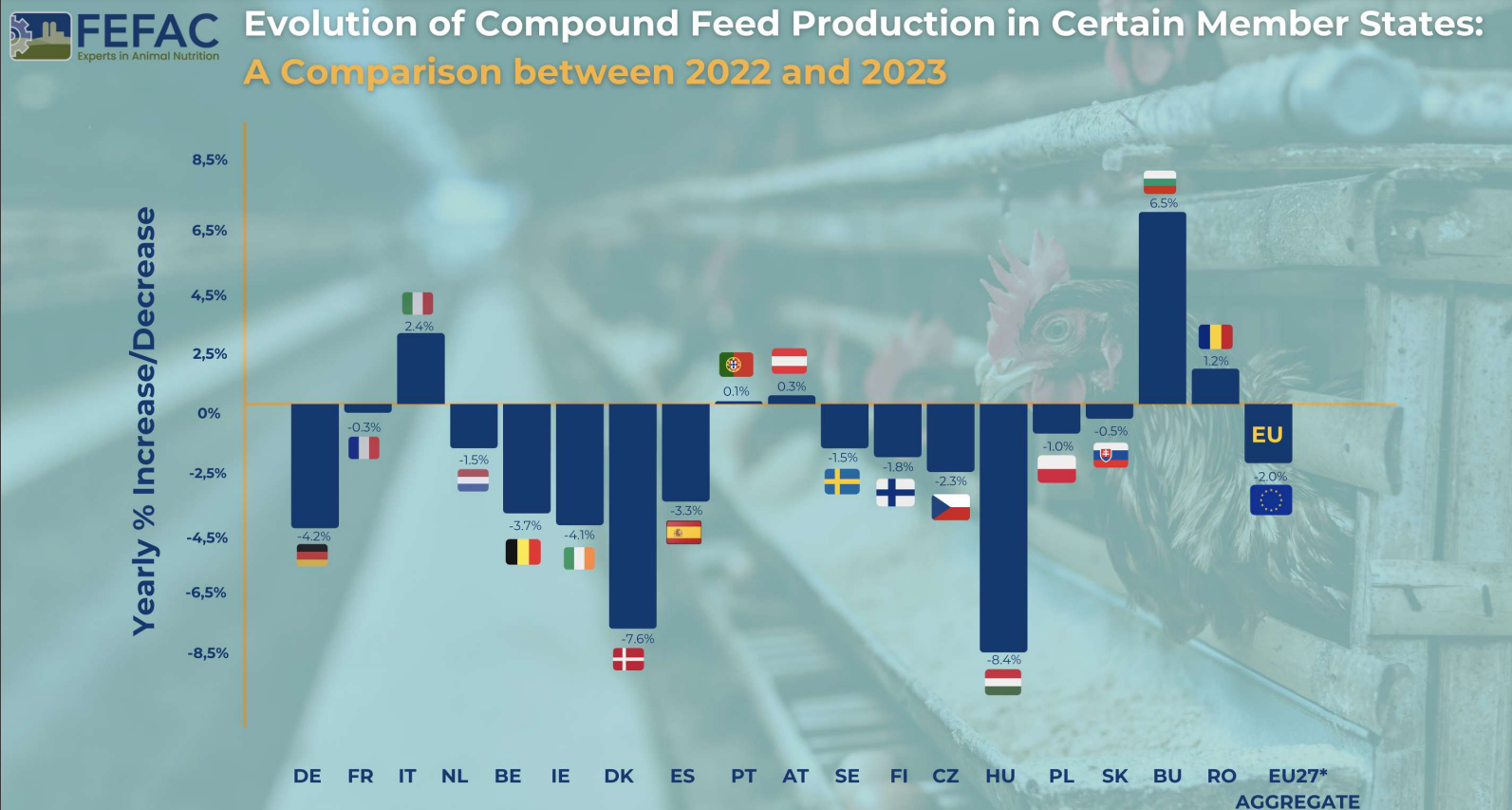
Total Production 2023: 144.3 million metric tons for farmed animals Change from 2022: 2% decrease Factors Influencing Decrease Political and Market Pressures: Addressing crises and the shift towards sustainable feed. Climate and Diseases: Effects of droughts, floods, Avian Influenza (AI), and African Swine Fever (ASF) on raw material supply and animal production. National Policies: Initiatives […]
Ketosis: the most critical metabolic disease in dairy cows
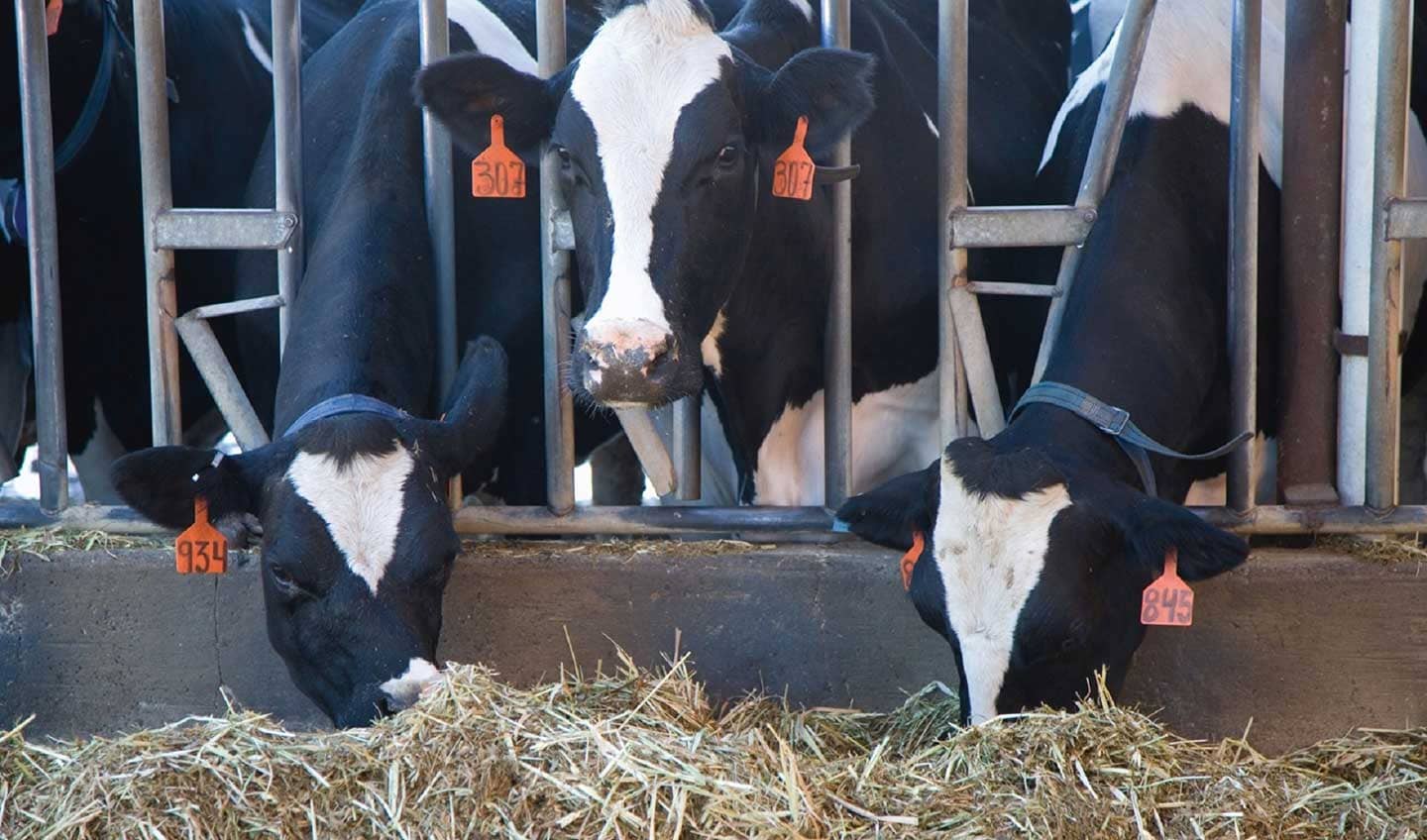
Judith Schmidt, Product Manager On-Farm Solutions Improvements in genetics, nutrition, and management continue to enhance dairy cows’ performance. However, being high-performance athletes comes at a cost, putting an extremely high burden on the animals’ energy metabolism. Especially around calving and during the first eight weeks of lactation, dairy cows can experience many stress factors: subclinical […]
Masked mycotoxins – particularly dangerous for dairy cows
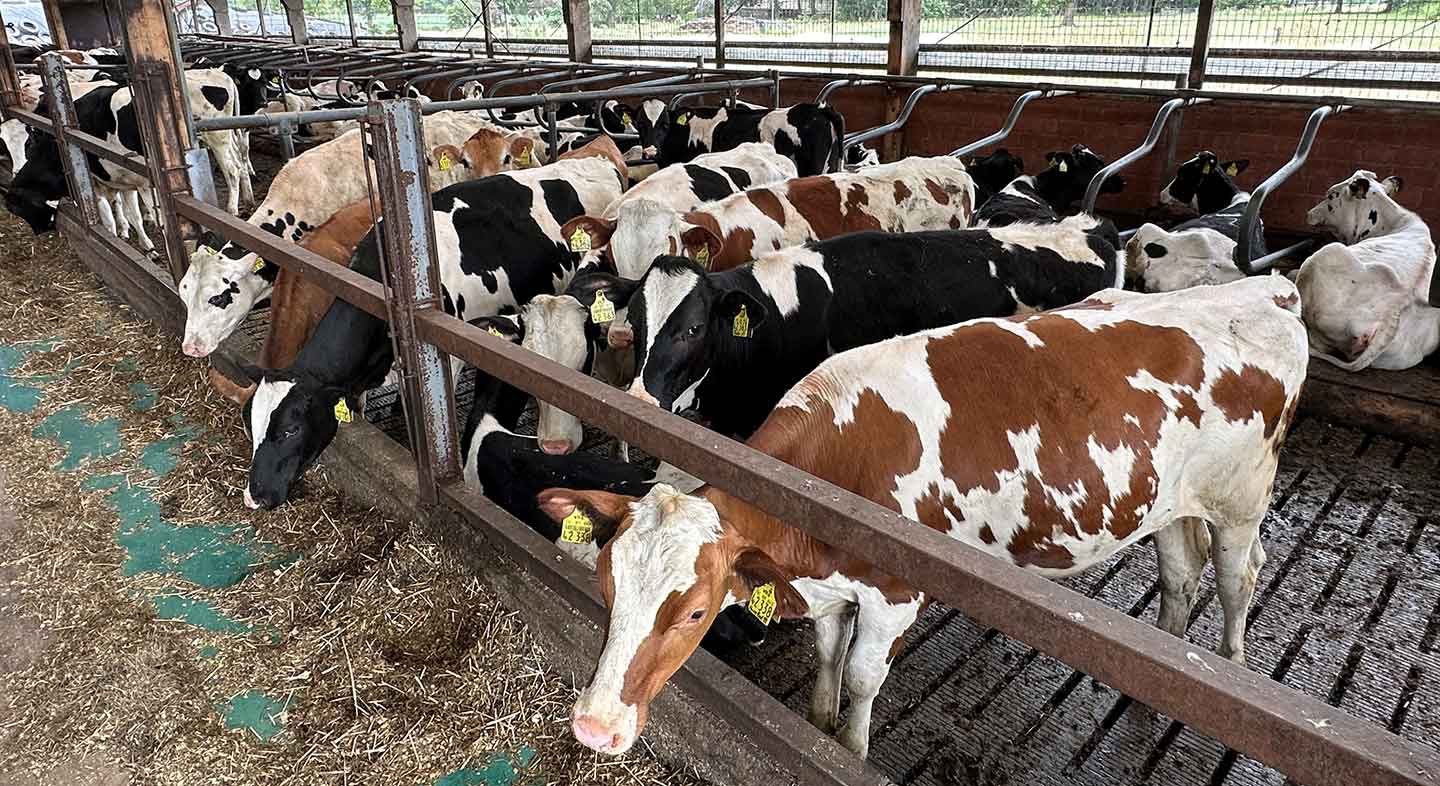
By Si-Trung Tran, SEAP Regional Technical Manager, EW Nutrition Technical Team and Dr. Inge Heinzl, Editor, EW Nutrition Mycotoxins are secondary metabolites of fungi, commonly found as contaminants in agricultural products. In some cases, these compounds are used in medicine or industry, such as penicillin and patulin. In most cases, however, they are considered xenobiotics […]
IgY technology: using nature to support antibiotic reduction
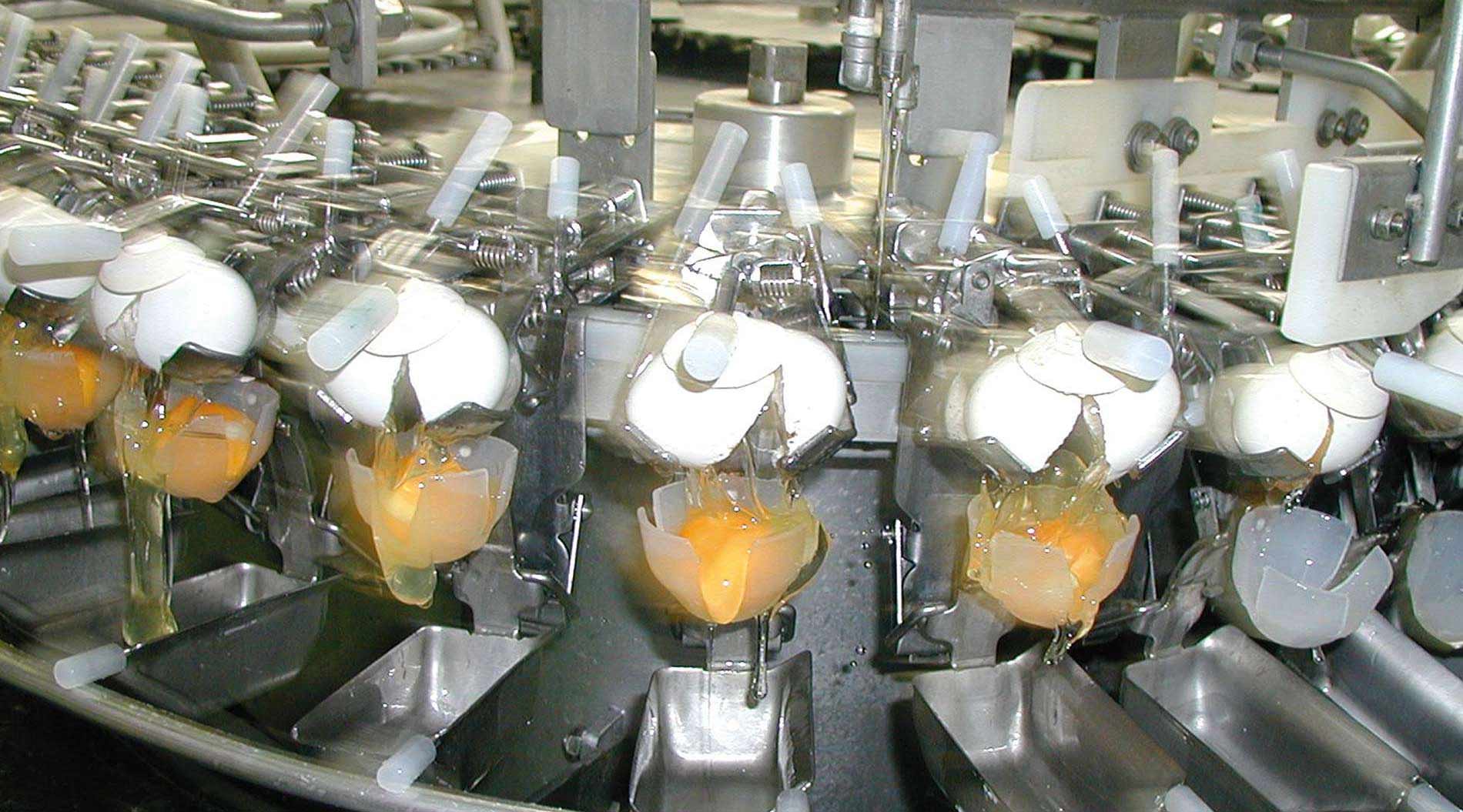
By Dr. Inge Heinzl, Editor, EW Nutrition For a long time now, IgY technology has been used to provide clear benefits in diagnostics, human medicine, and animal production. To give you a deeper insight into this topic, in the following, we will show you some steps of production, the benefits, and the applications of […]