
 EN
ENby Dr. Ruturaj Patil, EW Nutrition GmbH
Introduction
Gut health in laying hens is a key determinant of productivity, egg hygiene, bird welfare, and economic sustainability in commercial egg production. Beyond nutrient digestion and absorption, the gastrointestinal tract (GIT) plays a central role in immune regulation, microbial homeostasis, and epithelial barrier integrity. Disruption of these functions has direct consequences for egg quality and food safety.
Dirty egg production – characterized by eggs contaminated with faecal material, urates, moisture, or blood at lay – has traditionally been attributed to housing or handling deficiencies. However, increasing evidence demonstrates that intestinal dysfunction and dysbiosis are primary biological drivers of dirty egg incidence. Loose droppings, wet faeces, cloacal soiling, and increased microbial shedding are direct outcomes of compromised gut health and lead to eggshell contamination during oviposition.
Throughout rearing and laying phases, birds are exposed to nutritional, environmental, microbial, and management‑related stressors that challenge gut stability. This article examines the etiological factors affecting gut health in layers across production stages and their direct link to dirty egg production, with particular emphasis on phytomolecules‑based solutions and their multi‑mode antimicrobial, antioxidant, and anti‑inflammatory actions as a sustainable gut health strategy.
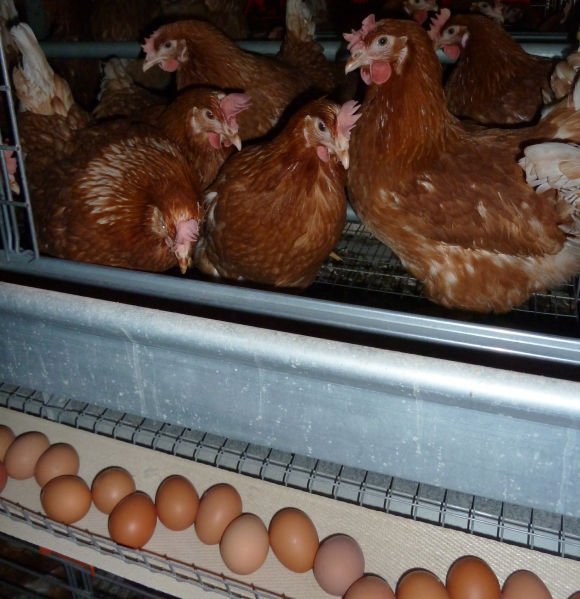
Dirty Eggs: A Biological Outcome of Intestinal Dysfunction
Dirty eggs are produced when eggshells come into contact with faecal material or contaminated cloacal secretions during or immediately after oviposition. This contamination is strongly associated with:
- Loose, watery, or sticky droppings
- Increased faecal microbial load
- Vent and cloacal inflammation or pasting
- Compromised cuticle quality due to impaired nutrient utilization
Birds suffering from subclinical enteric disorders often maintain acceptable egg numbers while producing a higher proportion of dirty eggs, making the problem economically severe yet clinically silent.
Numerous studies confirm that intestinal microbiota composition and gut integrity influence egg hygiene, not only through faecal consistency but also via environmental contamination and pathogen shedding. Dysbiosis alters fermentation patterns, increases osmotic pressure in the intestine, and promotes inflammation – conditions that directly translate into faecal instability and eggshell contamination.
Thus, dirty eggs should be viewed not only as a hygiene issue but as a sentinel indicator of underlying gut health compromise.
Gut Health as the Foundation of Egg Hygiene and Quality
Structural and Functional Integrity of the Layer Gut
The intestinal tract of laying hens is lined with rapidly renewing epithelial cells, connected by tight junction proteins that regulate permeability. A healthy gut is characterized by:
- A stable microbiota dominated by beneficial bacteria such as Lactobacillus spp.
- Optimal villus height to crypt depth (VH:CD) ratio
- Intact mucus layer and controlled immune surveillance
- Efficient digestion and nutrient absorption
Disruption of this equilibrium leads to leaky gut syndrome, maldigestion, excessive immune activation, and altered faecal output. Increased intestinal permeability allows bacterial toxins and metabolites to translocate, fueling systemic inflammation and worsening intestinal dysfunction.
In layers, these processes not only impair nutrient utilization for egg formation but also significantly affect dropping consistency and cloacal cleanliness, thereby compromising egg hygiene.
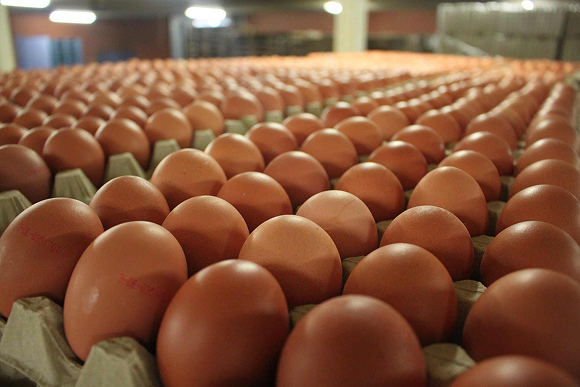
Etiological Factors Affecting Gut Health and Dirty Egg Production
Gut health disorders in laying hens arise from a complex interaction between infectious and noninfectious factors, operating across both growing and laying phases.
1. Etiological Factors During the Growing (Pullet) Phase
The pullet phase (0–18 weeks) is critical for establishing lifelong gut health resilience. Management failures during this period often result in latent intestinal weaknesses that manifest during peak lay.
a. Early Gut Microbiota Establishment
The intestinal microbiota begins colonization immediately after hatch. Chicks acquire microorganisms from:
- Feed and water
- Litter and housing environment
- Human handling and equipment
Delayed access to feed and water, poor brooding conditions, and weak biosecurity disrupt early microbial succession, predisposing birds to persistent dysbiosis later in life.
b. Feed Quality and AntiNutritional Factors
High levels of nonstarch polysaccharides (NSPs), oxidized fats, and mycotoxins during rearing impair gut maturation and digestive enzyme activity. These insults often remain subclinical but resurface during peak metabolic demand in lay as wet droppings and dirty egg problems.
c. Management Stressors
- Inadequate brooding temperatures divert energy from gut development
- High stocking density increases stress hormones, suppressing gut immunity
- Poor vaccination programs (e.g., against coccidiosis) increase intestinal damage
2. Etiological Factors During the Laying Phase
The laying period imposes extraordinary physiological demands on the hen, particularly for calcium metabolism, energy turnover, and sustained egg output.
a. Nutritional Imbalances
Excess crude protein, poor amino acid balance, or high dietary sodium and potassium increase intestinal osmotic load. Undigested nutrients draw water into the gut lumen, resulting in watery droppings and vent soiling.
b. Infectious and Dysbiotic Challenges
Subclinical infections caused by Clostridium perfringens, Escherichia coli, Salmonella spp., and Eimeria spp. damage intestinal mucosa and disrupt microbial equilibrium. These conditions increase faecal moisture and pathogen shedding, directly contaminating eggs during oviposition.
c. Aging and Extended Laying Cycles
Modern layer genetics favor extended production cycles. However, aging birds exhibit:
- Reduced antioxidant capacity
- Declining digestive efficiency
- Altered gut microbiome diversity
These changes contribute to faecal instability and increased dirty egg incidence in late lay.
Environmental and Management Drivers
Heat Stress
Heat stress reduces feed intake and redirects blood flow away from the gut, inducing intestinal hypoxia and oxidative stress. This damages epithelial integrity, increases permeability, and exacerbates diarrhea – strongly correlating with dirty egg production.
Water Quality
Water is a major yet underappreciated determinant of gut health. Poor water hygiene introduces pathogens, while high mineral load or improper pH disturbs osmotic balance and digestion, leading to diarrhoea and vent contamination.
Housing and Litter Management
Wet litter promotes pathogenic bacterial growth. In cagefree or aviary systems, increased faecaloral exposure further amplifies the impact of gut dysfunction on egg cleanliness.
Pathophysiological Link Between Gut Inflammation and Dirty Eggs
Inflamed intestines exhibit:
- Increased mucus secretion
- Sloughing of epithelial cells
- Fluid exudation into the lumen
These processes result in sticky, malformed droppings, rapid soiling of nests, and direct cloacal contamination of eggs. Moreover, chronic inflammation diverts nutrients away from eggshell and cuticle formation, promoting bacterial adhesion to shells.
PhytomoleculesBased Solutions: A MultiMode Gut Health Strategy
Definition and Rationale
Phytomolecules are standardized plantderived bioactive compounds, including essential oils, polyphenols, flavonoids, and alkaloids. Unlike conventional additives, they exert multitarget biological effects, making them particularly suitable for complex gut health challenges.
Antimicrobial Action
Phytomolecules such as carvacrol, thymol, and cinnamaldehyde:
- Disrupt bacterial cell membranes
- Interfere with quorum sensing
- Reduce virulence without fostering resistance
This selective antimicrobial action suppresses pathogens while preserving beneficial microbiota, reducing faecal pathogen load and wet droppings.
Antioxidant Action
Polyphenols and flavonoids neutralize reactive oxygen species generated by heat stress, aging, and mycotoxins. By protecting epithelial cells and tight junctions, antioxidant activity promotes stable gut morphology and firmer droppings.
AntiInflammatory Action
Phytomolecules downregulate proinflammatory cytokines (e.g., TNFα, IL6) and support mucosal immunity. Controlled inflammation prevents excessive mucus secretion and fluid leakage, breaking the gut–dirty egg cycle.
Additional Benefits Relevant to Dirty Egg Control
- Improved nutrient digestibility and shell quality
- Enhanced shortchain fatty acid (SCFA) production
- Better cloacal health and litter dryness
- Reduced environmental ammonia via improved nitrogen utilization
These combined effects make phytomoleculesbased solutions particularly effective in managing dirty egg problems in layers.
Integration into Practical Layer Management
For best results, phytomoleculesbased solutions should be:
- Introduced early during rearing to support gut maturation
- Continuously applied during lay to stabilize microbiota
- Strategically intensified during stress periods (heat, feed changes, vaccination)
- Integrated with feed, water, and environmental hygiene programs
Field Validation and Practical Integration: Evidence from Commercial and Research Trials
The practical relevance of phytomoleculesbased gut health solutions is supported by consistent responses across pullet rearing, peak lay, and extended laying periods, as demonstrated in multiple commercial and research trials using a standardized phytomolecules feed additive – ‘SPFA’ (Ventar® D from EW Nutrition GmbH, Germany).
a. Supporting Gut Health from Rearing to Lay
A commercial pullet trial in India (0–18 weeks) involving 10,000 BV300 pullets compared SPFA (100 g/t) with historical farm performance. Birds receiving the SPFA achieved target body weight (1242 g vs. 1190–1220 g), improved uniformity (+4%), and lower depletion, indicating superior early gut development and robustness – critical prerequisites for stable fecal consistency and cleaner eggs later in life.
“Overall, Ventar D has proven to be a gamechanger for our farm. The health and productivity benefits we have observed affirm our decision to continue using Ventar D.”
– Commercial layer producer, India
b. Performance and Egg Hygiene Support During Peak Lay
In a 20week controlled study with HyLine Brown layers (21–40 weeks), SPFA supplementation resulted in:
- ≈1% higher henday egg production
- 3.5 additional saleable eggs per hen housed
- Lower feed intake per egg (≈2.5 g)
- Improved feed conversion ratio (FCR)
These improvements reflect better gut efficiency and reduced inflammatory nutrient losses, directly supporting drier droppings, cleaner vents, and reduced risk of dirty egg production under commercial conditions.
c. Sustaining Persistency and Shell Quality in Late Lay
An 8week research trial in the Czech Republic (74–81 weeks) demonstrated that SPFA maintained higher laying persistency and significantly improved eggshell thickness and strength (p < 0.05). Improved shell integrity and gut nutrient utilization are particularly important in late lay, where intestinal oxidative stress and faecal instability are common contributors to dirty eggs.
Table 1. Summary of Phytomolecules Field Trial Outcomes Across Production Phases
|
Production phase |
Study conditions |
Key guthealthrelated outcomes |
Practical relevance |
| Pullet (0–18 wk) | Commercial farm, India | +22 g BW; +4% uniformity; lower depletion | Stronger gut development → reduced enteric risk |
| Peak lay (21–40 wk) | Research farm, India | +1% HDP; +3.5 eggs/hen; better FCR | Stable digestion → drier droppings, cleaner eggs |
| Late lay (74–81 wk) | Research farm, EU | Higher persistency; improved shell quality | Reduced breakage & contamination risk |
Conclusion
Dirty egg production is fundamentally a biological outcome of impaired gut health, rather than solely a hygiene or housing issue. Nutritional imbalances, environmental stress, subclinical infections, poor water quality, and management gaps disrupt intestinal integrity, leading to dysbiosis, inflammation, and faecal instability – key contributors to eggshell contamination at lay.
Maintaining gut health throughout the entire production cycle, from pullet rearing to extended lay, is therefore essential for clean eggs and sustainable layer performance. Conventional control approaches, including antibiotics, are increasingly limited by regulatory constraints and do not adequately address the underlying causes of enteric dysfunction.
Phytomolecules‑based solutions provide a multi‑mode gut health strategy, combining antimicrobial, antioxidant, and anti‑inflammatory effects to restore intestinal balance, stabilize digestion, and normalize faecal consistency. This biological mechanism is supported by consistent field and research data demonstrating improved pullet uniformity, enhanced egg production and feed efficiency during peak lay, and maintained laying persistency with improved eggshell quality in late lay.
In summary, gut‑centric management supported by phytomolecules‑based interventions offers a scientifically validated and sustainable approach to reducing dirty egg incidence and improving long‑term layer productivity.
References available on request.





 Brasil
 Colombia (ES)
 México (ES)
 United States
 Belgium (EN)
 Croatia (EN)
 Deutschland
 España
 France
 Great Britain
 Italia
 Nederland (EN)
 Österreich (DE)
 Polska
 Россия
 Schweiz (DE)
 Türkiye
 Україна (RU)
 عربى
عربى South Africa (EN)
 Morocco
 Nigeria
 Uganda
 Kenya
Kenya Tanzania
 Australia
 中国大陆
中国大陆 India (EN)
 日本
日本 Malaysia (EN)
 Philippines (EN)
 ไทย (EN)
 Việt Nam (EN)
