
 EN
ENAuthor: Dr. Vaibhav Gawande, Feed Safety and Toxin Control Specialist – South Asia, EW Nutrition
In Tropical countries like India, Bangladesh & Sri Lanka, high temperatures and humidity significantly increase the risk of mycotoxin contamination in animal feed. FAO surveys report mycotoxin contamination in over 70% of cereals and oilseeds used for animal feed, making them a major threat to poultry health and productivity.
The problem becomes particularly severe during the summer & monsoon when:
- The new maize crop with high moisture enters the market
- Drying is often inadequate
- Feed mill humidity remains high
The Science of Mycotoxins & Environmental Risk
- Summer temperatures (28–38°C) and high humidity promote fungal growth and mycotoxin production in feed ingredients.
- Freshly harvested “new maize” often enters feed mills with unsafe moisture levels (13–15%), exceeding the safe storage limit of 11–12%.
- High-moisture grain undergoes self-heating during storage, creating ideal conditions for fungal proliferation.
- Poor aeration, condensation, insect damage, and humid storage environments further accelerate contamination.
- Common summer mycotoxins include Aflatoxins, Ochratoxins, and T-2 toxins, which may develop during both pre- and post-harvest stages.
- Although pelleting and heat treatment may destroy molds, mycotoxins are generally heat-stable and remain toxic to poultry.
Regional Case Studies: South Asia
India
Coastal Humidity Crisis – Andhra Pradesh, Telangana, Tamil Nadu, Odisha & West Bengal
- Pre-monsoon humidity promotes Aspergillus flavus growth in stored maize.
- Aflatoxin contamination commonly reduces shell quality and egg production.
- Fatty Liver Hemorrhagic Syndrome (FLHS) is frequently observed.
Short-Storage Trap – Punjab & Haryana
- Wet maize stored during summer heat retains internal moisture, favoring T-2 toxin and Ochratoxin formation.
- Broilers commonly show oral lesions, feed refusal, and poor FCR.
Mixed Toxin Challenge – Maharashtra
- Co-contamination with Aflatoxin and Fumonisin is common.
- Combined toxicity causes immunosuppression, poor vaccine response, and increased mortality during disease outbreaks.
Bangladesh
High Humidity Feed Risk
- Persistent humidity and post-flood harvesting increase moisture retention in maize and rice by-products.
- Aflatoxin frequently co-occurs with Ochratoxin A.
- Causes immunosuppression, uneven flock uniformity, and poor hatchability in breeders.
Sri Lanka
Tropical Storage Challenge
- Tropical coastal humidity and prolonged ingredient storage favor fungal proliferation.
- Aflatoxin and Fumonisin commonly develop during humid transit and storage.
- Causes thin shells, liver damage, and poor FCR.
Nepal
Mountain Moisture Variability
- Humid Terai grains stored in cool hill regions favor mixed mycotoxin contamination.
- Aflatoxins commonly co-occur with DON and Zearalenone.
- DON causes feed refusal, while Zearalenone induces prolapse and false layers.
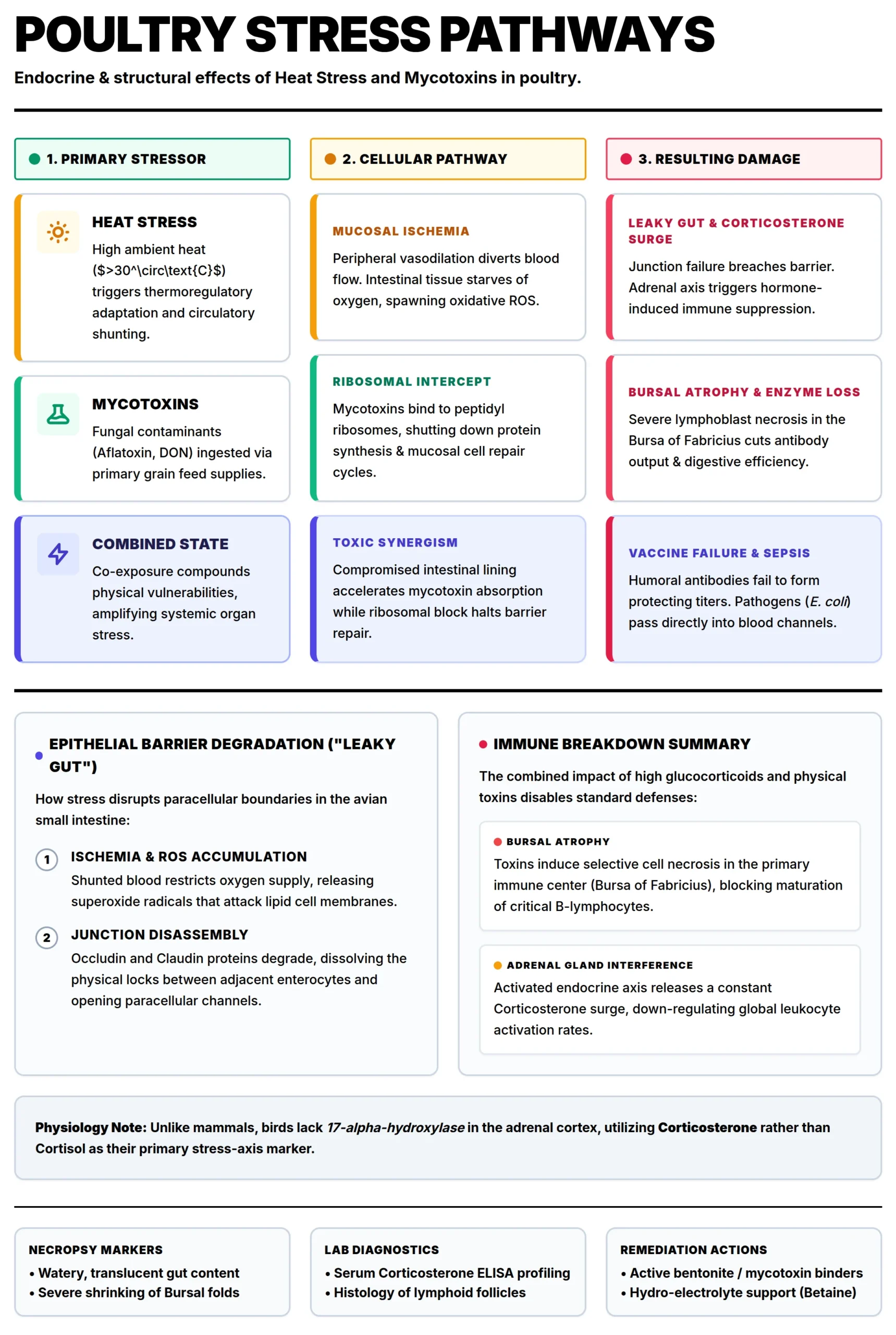
Mycotoxins and High Temperature Humidity Index (THI): Synergistic effects on poultry health, immunity & productivity
The Immunological “Blackout”
- Aflatoxins, Trichothecenes, and Ochratoxins inhibit protein synthesis, reducing the formation of antibodies and immune cells.
- Mycotoxins cause atrophy of immune organs (bursa of Fabricius, thymus, and spleen)
- Macrophage activity and phagocytosis are reduced, weakening bacterial clearance.
- Cytokine signaling is disrupted, delaying immune activation against infections.
- Enhanced oxidative stress: Mycotoxins increase the occurrence of reactive oxygen species (ROS), and heat stress weakens antioxidant defenses, resulting in severe cellular and liver damage.
- Oxidative stress caused by aflatoxins and trichothecenes leads to immune cell apoptosis and tissue damage.
Gut Health & Barrier Damage
The gut is the first line of defense. Mycotoxins and heat stress act like a “chemical and physical abrasive” on the intestinal lining.
- Villi Destruction: T-2 and Aflatoxins cause necrosis (cell death) of the intestinal villi. This reduces the surface area for nutrient absorption, leading to poor FCR.
- The “Leaky Gut” Phenomenon: Heat stress causes blood to be diverted from the internal organs to the skin for cooling (vasodilation). As a result, the gut receives less oxygen, causing the tight junctions (the “glue” between intestinal cells) to break down and become permeable. Mycotoxins also have a direct effect, inhibiting tight junctions proteins.
- Pathogen Entry: Mycotoxins further erode the protective mucus layer. With the “gates” (tight junctions) open and the “walls” (mucus) gone, bacteria can freely enter the bloodstream.
Disease Susceptibility
Because the immune system is “blind” and the gut is “leaky,” the bird becomes a target for opportunistic infections.
- Secondary Bacterial Infections: Normal gut bacteria like E. coli and Salmonella transition from harmless to fatal, causing systemic septicemia.
- Viral Synergism: Small viral loads, such as Inclusion Body Hepatitis (IBH) that a healthy bird would normally survive, become highly fatal.
- Coccidiosis Flare-ups: Damaged gut linings are more easily colonized by Eimeria, making standard anti-coccidial programs less effective.
Vaccine Failure:
- Mycotoxins suppress B-cell and T-cell maturation, reducing vaccine effectiveness.
- Low immunoglobulin (IgG, IgA, IgM) production results in poor antibody titers.
- Memory immune cells fail to develop properly, causing weak long-term immunity.
- Common field outcomes:
- Poor seroconversion
- Breakthrough infections
- Uneven flock protection
- Failure of ND/IBD/IBV vaccination programs
- Maternal toxin exposure reduces immunity transfer to chicks, increasing early-age disease vulnerability.
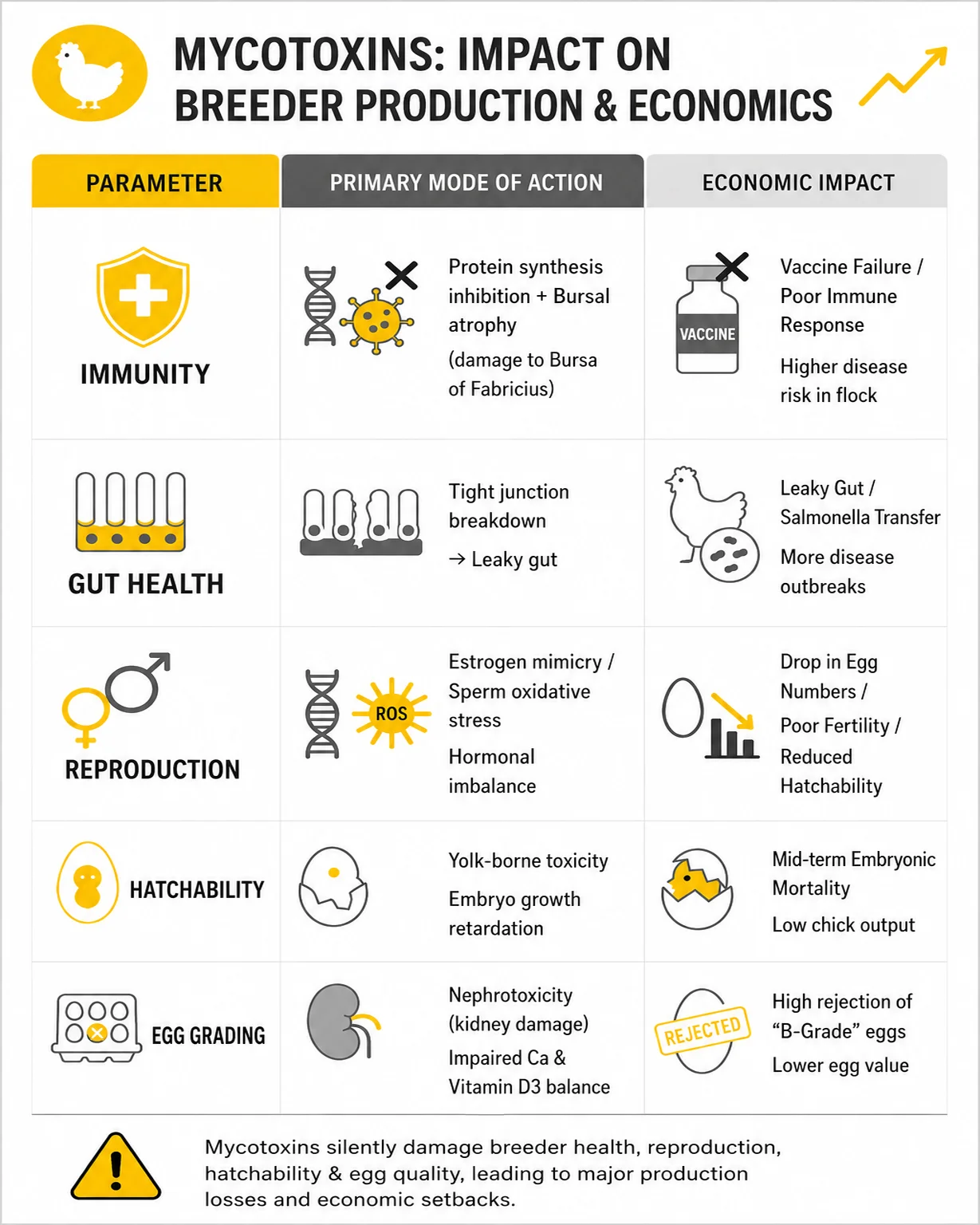
Breeder Reproductive Dysfunction and Transgenerational Effects of Mycotoxins
In breeder operations, mycotoxins represent a catastrophic economic threat because they are vertically transmitted. Unlike commercial layers, where the loss is limited to the individual bird’s production, breeder contamination compromises the viability of the entire next generation.
1. Impact on the Reproductive Systems (Male & Female)
Mycotoxins hit both sides of the fertility equation, often exacerbated by summer heat.
Female Reproductive System
- Mode of action: Mycotoxins (especially Zearalenone) mimic estrogen. This disrupts the hypothalamic-pituitary-ovarian axis.
- Impact: inflammation of the oviduct, cystic ovaries, and reduced synthesis of yolk precursors in the liver, resulting in a sharp drop in egg production and poor internal egg quality.
Male Fertility
- Mode of action: Toxins like T-2 and Aflatoxin induce oxidative stress that damages the phospholipid membrane of sperm cells.
- Impact: Under heat stress, rooster semen quality already declines; mycotoxins accelerate this by reducing sperm motility, concentration, and increasing morphological abnormalities. This leads to a massive spike in infertility rates.
2. Hatchability & Embryonic Mortality
For breeders, mycotoxins represent a “generational loss” via vertical transmission.
- Mode of action (the yolk bridge): Some mycotoxins are highly lipophilic. As the liver assembles the yolk, it deposits toxins directly into the egg.
- The “three-wave” mortality:
- Early (Days 1–7): Toxins interfere with mitosis (cell division), leading to early deaths often mistaken for “infertility.”
- Mid-Term (Days 8–18): As the embryo begins intensive absorption of the toxic yolk, its developing liver and kidneys are compromised. This is the classic “Toxin Fingerprint.”
- Late (Days 19–21): Ochratoxins impair the embryo’s ability to mobilize calcium from the eggshell. As a result, the chick becomes too weak to pip and dies fully developed inside the shell (“dead-in-shell”).
3. Chick Quality, Grading, and Settability
The “Chick Quality” starts in the breeder’s gut and kidney health.
- Mode of action (nutrient malabsorption): Mycotoxins reduce pancreatic lipase and bile salts. This prevents the mother from absorbing fat-soluble vitamins (A, D, E, K) and pigments. They also lead to lower intestinal adsorption due to a reduced absorption area and lower transporter efficacy.
- Impact on chick quality:
- “Pale Bird Syndrome”: Chicks lack vital carotenoids for early-stage defense.
- Skeletal weakness: Interference with Vitamin D3 metabolism results in weak legs and “rubbery beaks” in Day-Old-Chicks (DOCs).
- High first week mortality (FWM): Chicks hatch immunosuppressed, leading to high mortality during the first week.
- Impact on egg grading & settability: Mycotoxins (Ochratoxin) are nephrotoxic, damaging the kidneys and disrupting the blood calcium-carbonate balance. This leads to “Sandpaper” shells, misshapen eggs, and a 5–10% drop in the number of settable eggs fit for the incubator.
Pro tip for breeders: In summers, high-moisture new maize triggers a mycotoxin surge that synergistically destroys the breeder’s kidneys and shell gland, crippling egg settability. A 5% spike in “Dead-in-Shell” embryos during breakout analysis is a definitive indicator of feed toxicity rather than incubator failure.
Integrated Mycotoxin Mitigation Strategies for Poultry Production
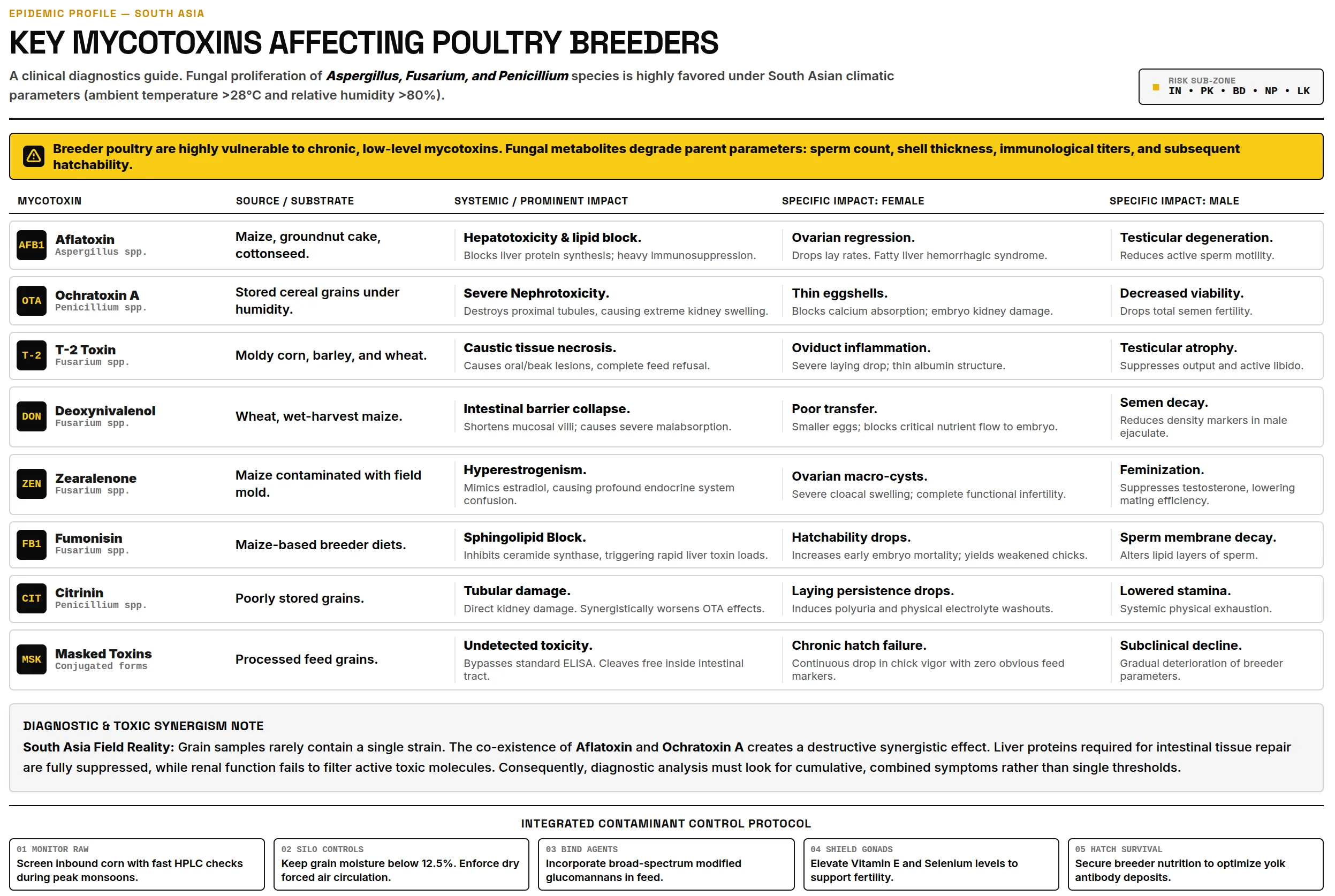
To pursue an effective mycotoxin mitigation strategy, it is essential first to identify which mycotoxins are relevant to a given region before implementing measures.
1. Raw Material Management
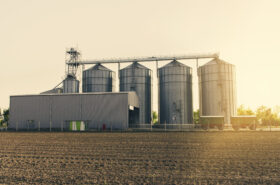
- Strict moisture control: Reject any maize arriving with >14% moisture.
- Rapid screening: Perform rapid mycotoxin screening before unloading raw materials.
- Mechanical grain driers: To maintain a safe storage moisture level (<12%)
2. Feed Plant & Storage Hygiene
- First-In, First-Out (FIFO): Ensure strict inventory rotation to prevent “pockets” of old, moldy feed from contaminating new batches.
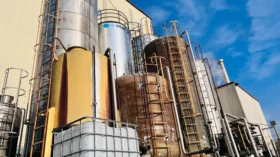
- Frequently clean silos and elevators: High temperature and humidity cause moisture condensation on silo walls, leading to localized mold growth.
- Antifungal Treatment: Use buffered organic acids (propionic and formic acid) to limit mold proliferation in feed.
3. Broad-Spectrum binders:
Bentonites (for Aflatoxins) and Yeast Cell Walls: These components help bind pathogenic bacteria like E. coli that capitalize on the “leaky gut” caused by toxins and heat stress.
4. Physiological & Gut Health Support
- Water acidification: Lower the drinking water pH to 4.5–5.5. This prevents bacterial blooms in the water lines when birds increase water intake by 3 times during heat stress.
- Liver & kidney tonics: Supplemental hepatic (milk thistle/silymarin) and renal support to help the bird metabolize and export toxins more efficiently.
- Metabolite supplementation: Use 25-hydroxyvitamin D3 in breeder diets to bypass the liver/kidney damage and ensure shell quality remains intact.
- Antioxidant boost: Increase levels of Vitamin E, C, and Selenium to counter the oxidative stress caused by the heat-toxin synergy.
5. Monitoring & Diagnostics
- Hatchery breakout analysis: Monitor “dead-in-shell” embryos. A spike in mid-term mortality is an immediate indicator that the breeder feed toxin binder needs a dosage increase.
- Frequent lab testing: Mycotoxin testing at least weekly during the new maize transition to identify the specific toxin profile.
Solutions are available to support toxin risk management
In the challenging climate where high-moisture “new maize” and summer humidity create a complex cocktail of mycotoxins, endotoxins, and pesticide residues, traditional, single-ingredient binders often fall short. Modern poultry production requires a proactive solution that does more than just “bind”; it must protect the bird’s internal integrity.
Solis Max – The effective myco- and endotoxin solution for sustained profitability
Solis Max is engineered to meet customers’ demand for an effective solution, offering a multi-pronged defense mechanism that targets the root causes of performance collapse. Solis Max uses a synergistic blend of five key components to ensure the flock’s safety.
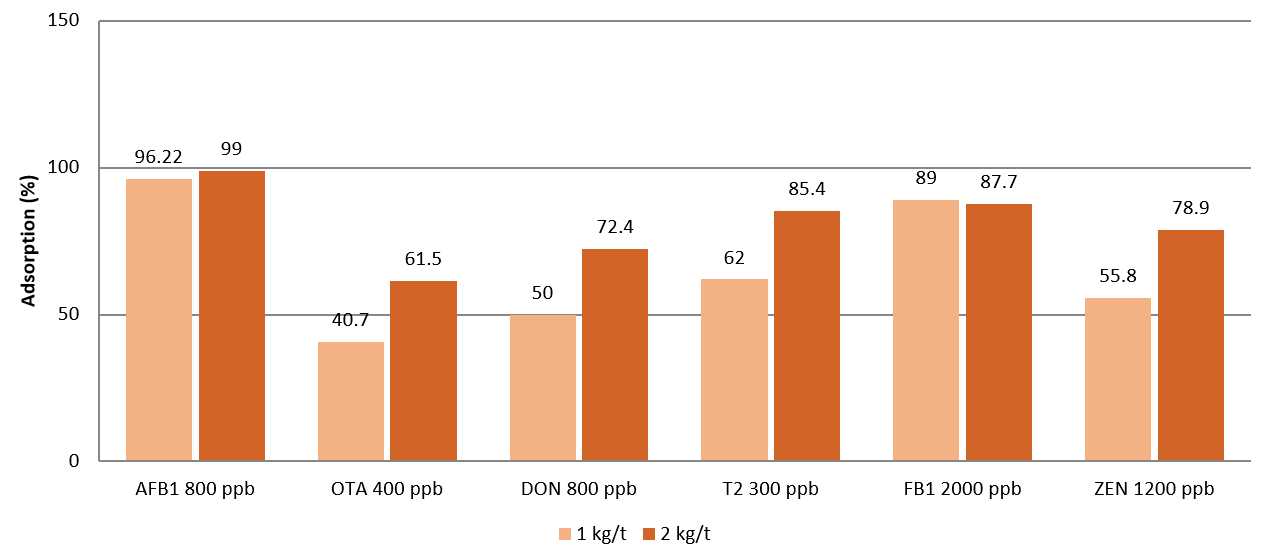
Trials prove the effectiveness of Solis Max
Solis Max shows dose-dependent adsorbing capacity against multiple mycotoxins:
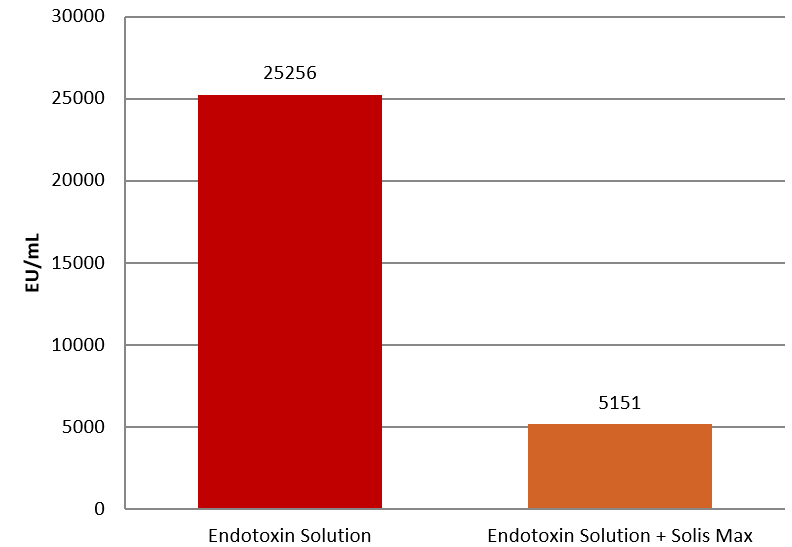
SOLIS MAX shows endotoxin adsorbing capacity – 1mg of SOLIS MAX absorbs 20 endotoxin units (EU) of E. coli endotoxin (80% adsorption rate):
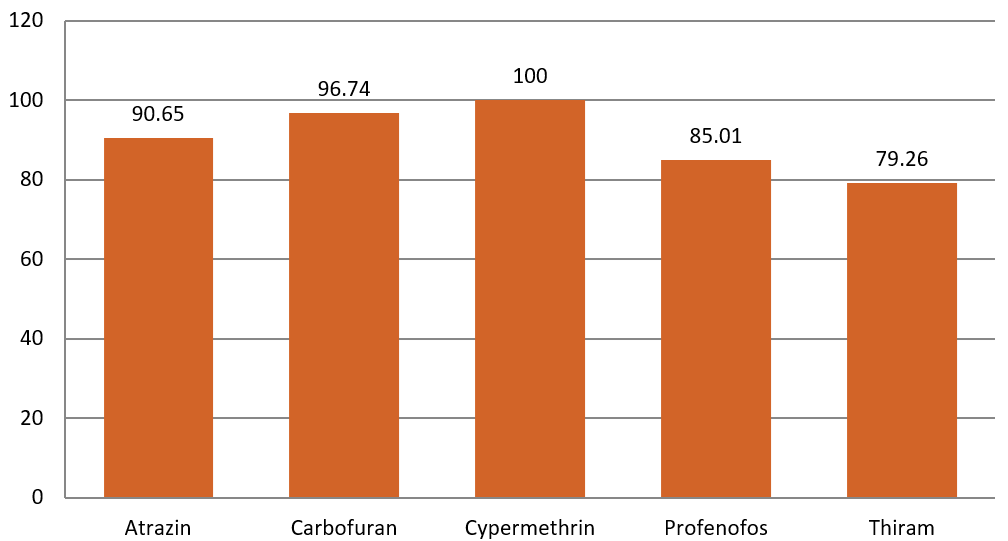
Solis Max demonstrates high pesticide binding efficiency across multiple compounds:
Conclusion:
The convergence of a high Temperature–Humidity Index (THI) and mycotoxicosis represents a critical, multisystem challenge in poultry production, precipitating severe pathology across the hepatic, renal, and gastrointestinal systems. In breeding operations, this crisis exhibits a transgenerational impact: lipophilic mycotoxins are vertically transmitted to the yolk, inducing mid-term embryonic mortality and compromising post-hatch progeny immunity.
Mitigation demands stringent control of raw material moisture alongside advanced, broad-spectrum interventions. Utilizing an advanced multi-pronged solution like Solis Max counters this synergy by providing physicochemical adsorption and targeted organ protection. By neutralizing the concurrent threats of mycotoxins, endotoxins, and pesticides, it preserves cellular integrity, mitigates systemic pathology, and maintains optimal performance under extreme environmental stress.
References available upon request.






 Brasil
 Colombia (ES)
 México (ES)
 United States
 Belgium (EN)
 Croatia (EN)
 Deutschland
 España
 France
 Great Britain
 Italia
 Nederland (EN)
 Österreich (DE)
 Polska
 Россия
 Schweiz (DE)
 Türkiye
 Україна (RU)
 عربى
عربى South Africa (EN)
 Morocco
 Nigeria
 Uganda
 Kenya
Kenya Tanzania
 Australia
 中国大陆
中国大陆 India (EN)
 日本
日本 Malaysia (EN)
 Philippines (EN)
 ไทย (EN)
 Việt Nam (EN)
