

Decoding the connection between stress, endotoxins, and poultry health
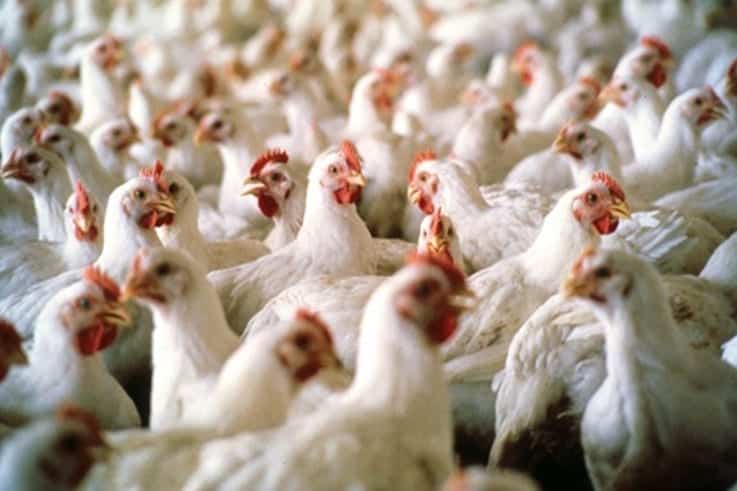
By Technical Team, EW Nutrition Stress can be defined as any factor causing disruptions to homeostasis, which triggers a biological response to regain equilibrium. We can distinguish four major types of stressors in the poultry industry: Technological: related with management events and conditions Nutritional: involving nutritional disbalances, feed quality and feed management Pathogenic: comprising health […]
Broiler production with reduced antibiotics. The essentials

By Dr. Inge Heinzl and Dr. Ajay Bhoyar – EW Nutrition Concerns about antibiotic resistance in humans and production animals have prompted a push across the board to reduce antibiotic use, including in livestock rearing. To meet these demands, the industry must keep the pathogenic pressure in production units as low as possible, enabling production with no […]
4 ways to cope with increased feed prices

by Inge Heinzl, Editor, Marisabel Caballero, Global Technical Manager Poultry, and Ajay Bhoyar, Global Technical Manager Poultry, EW Nutrition In the last few months, the prices for feed grains and oilseeds such as soybeans have been climbing to multi-year heights. In part, this can be explained by high corn purchases by China and increasing export […]
Mitigating Necrotic Enteritis through Natural Alternatives in Antibiotic-Free Production Systems
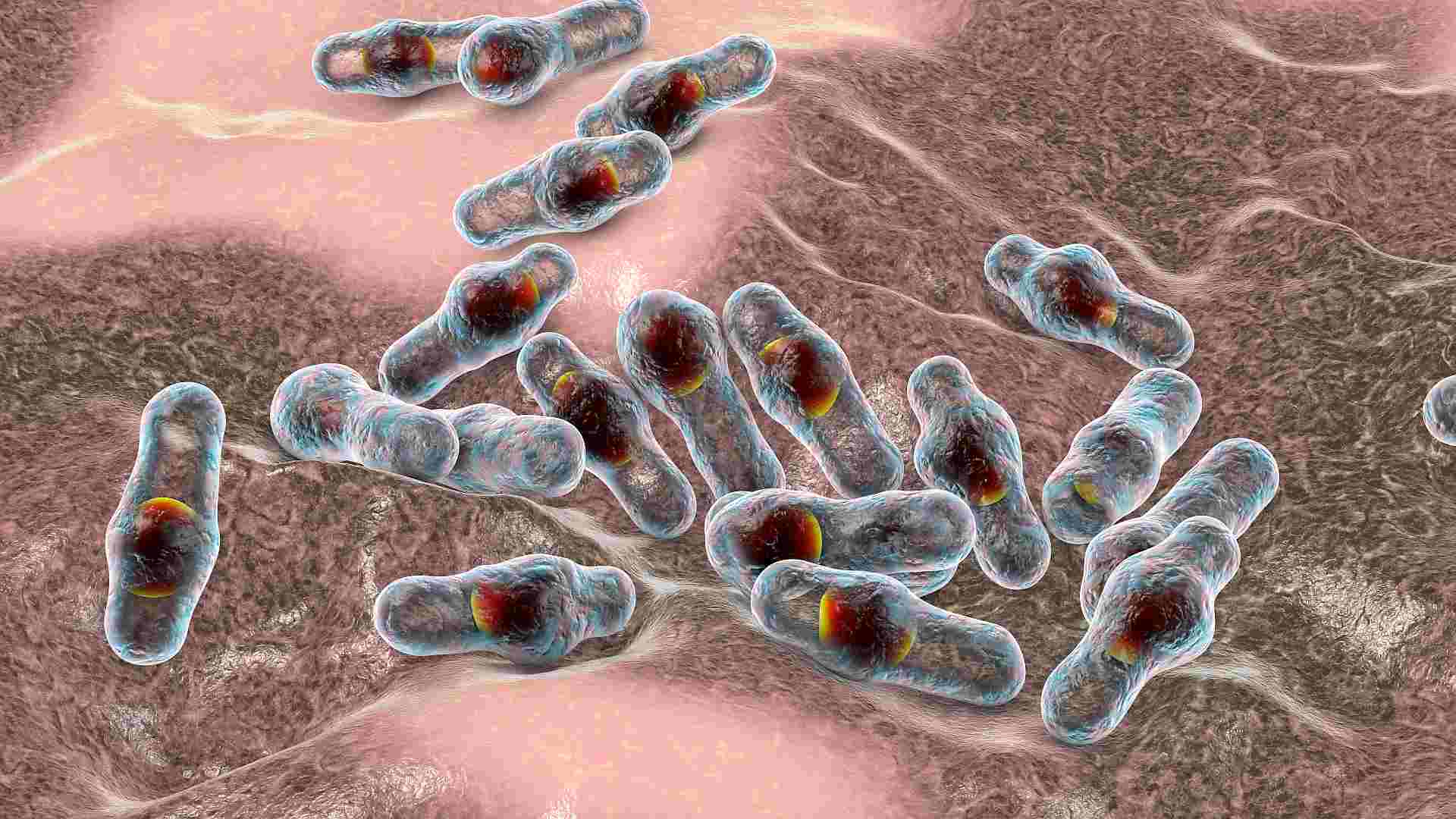
by EW Nutrition USA, Inc. In the poultry industry, Necrotic Enteritis is of great interest due to the potential detrimental growth effects it may have in a flock, even at subclinical levels50. Coccidiostats and antibiotics have been used for a long time to get the disease-causing bacterium Clostridium perfringens under control, but with increasing […]
Dysbacteriosis and gut health management in poultry

by Dr. Srinivasan Mahendran, Regional Technical Manager – India, EW Nutrition, and Dr. Ajay Bhoyar, Global Technical Manager – Poultry, EW Nutrition The growing restrictions on the use of antibiotics growth promoters (AGPs), as well as the development of resistance to some routinely used antimicrobials in the recent past, have increased the incidence of dysbacteriosis […]
All-rounder lutein supports animals and humans

by Inge Heinzl, Editor, EW Nutrition Lutein is a lipid-soluble pigment that can be found naturally in algae and plants. There, it is a component of the light-collecting complexes in the chloroplasts. For example, kale contains a relatively high concentration of up to 0.25mg lutein per g wet weight. For industrial purposes, however, lutein is […]