

Mycotoxins in layer and breeder feed impact hens, eggs, hatchery, and chicks
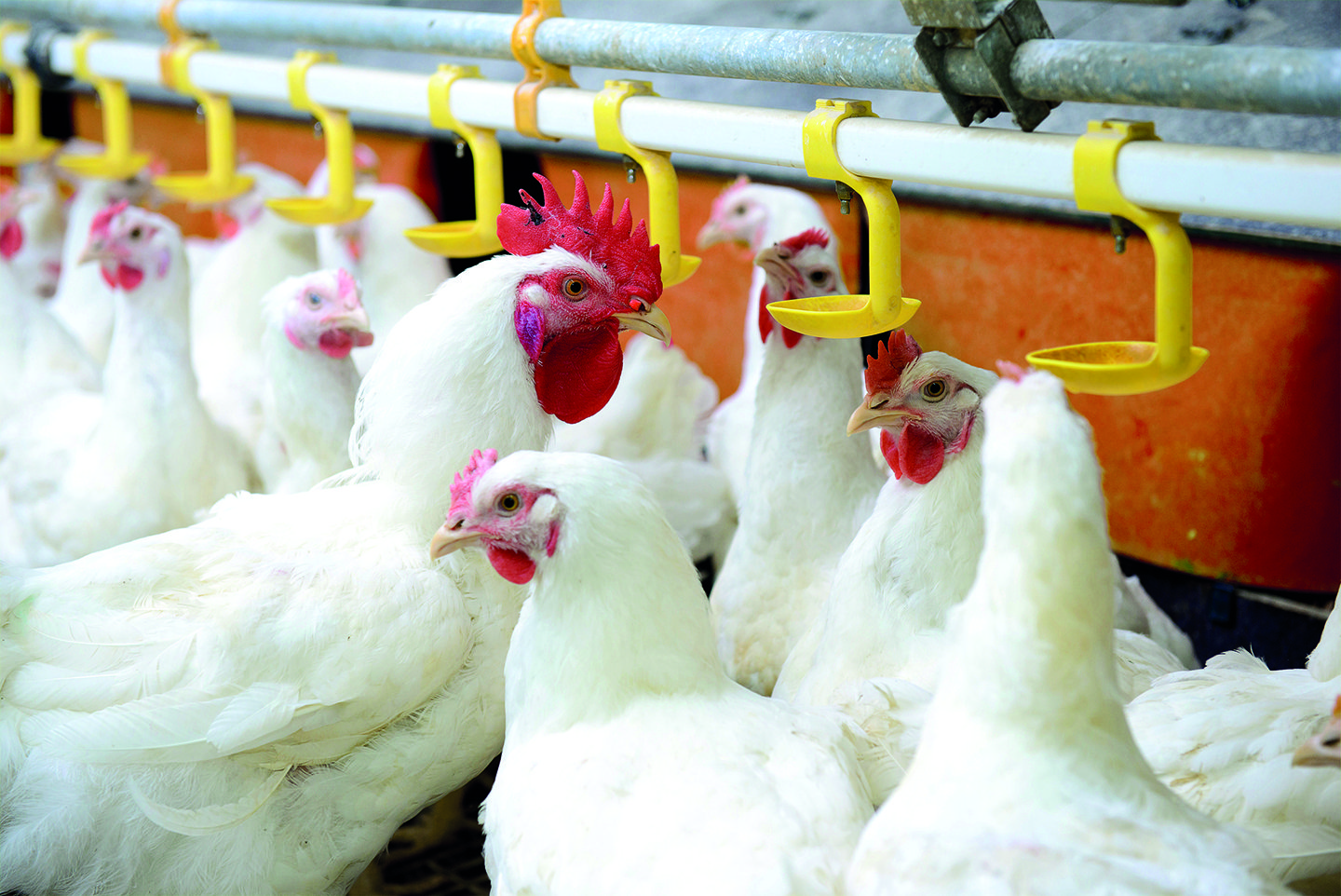
By Technical Team EW Nutrition As the planet’s climate experiences changes, new patterns affect the microbial communities colonizing crops. Recently, several areas of the planet have experienced extreme temperatures, drought, changes in the humid/dry cycles, and an increase in atmospheric carbon dioxide (1,2). As a response, the fungi affecting the crops have shifted their geographical […]
Masked mycotoxins – particularly dangerous for dairy cows
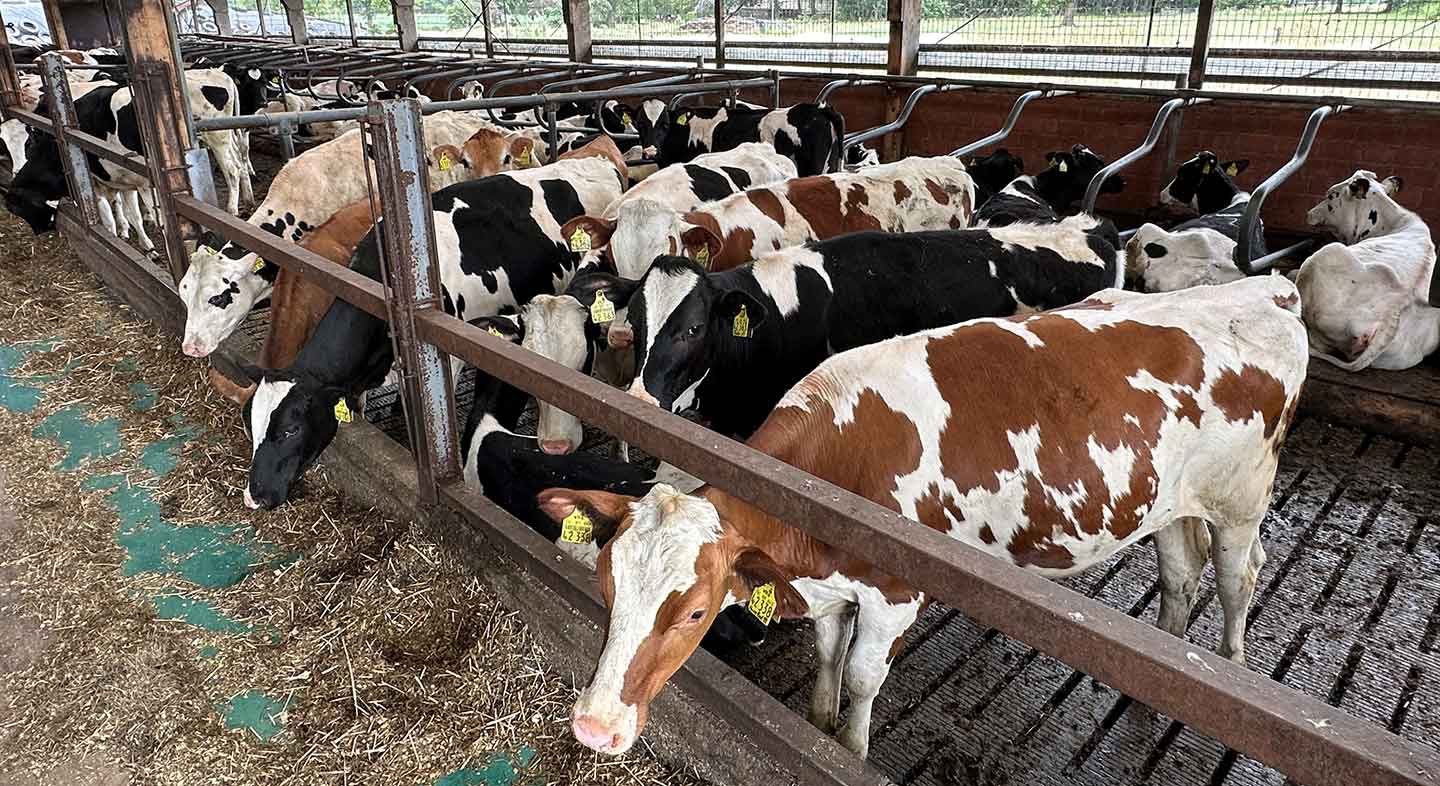
By Si-Trung Tran, SEAP Regional Technical Manager, EW Nutrition Technical Team and Dr. Inge Heinzl, Editor, EW Nutrition Mycotoxins are secondary metabolites of fungi, commonly found as contaminants in agricultural products. In some cases, these compounds are used in medicine or industry, such as penicillin and patulin. In most cases, however, they are considered xenobiotics […]
Toxin Mitigation 101: Essentials for Animal Production
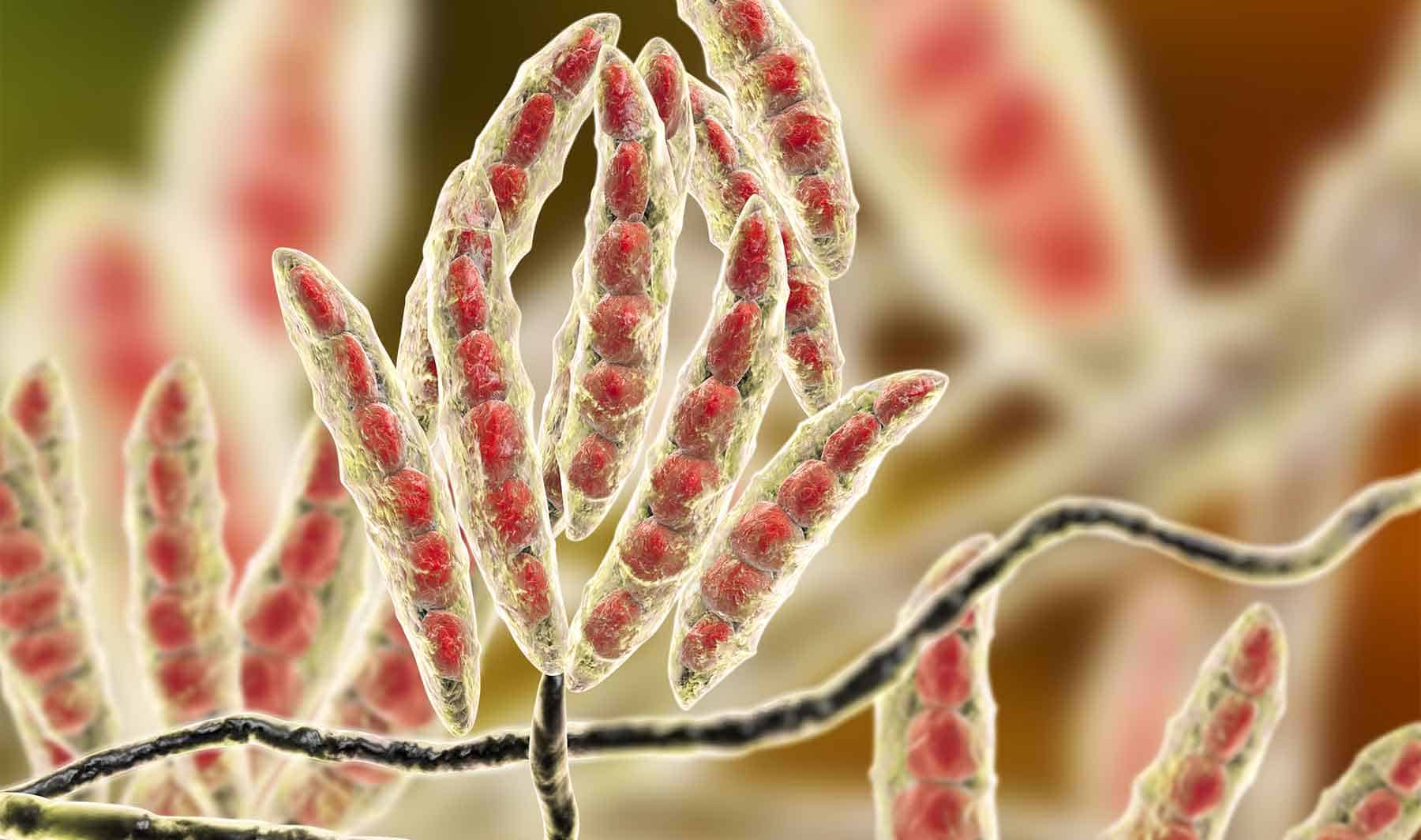
By Monish Raj, Assistant Manager-Technical Services, EW Nutrition Inge Heinzl, Editor, EW Nutrition Mycotoxins, toxic secondary metabolites produced by fungi, are a constant and severe threat to animal production. They can contaminate grains used for animal feed and are highly stable, invisible, and resistant to high temperatures and normal feed manufacturing processes. Mycotoxin-producing fungi can […]
Price hikes = more cereal byproducts in animal feed. What about mycotoxin risk?
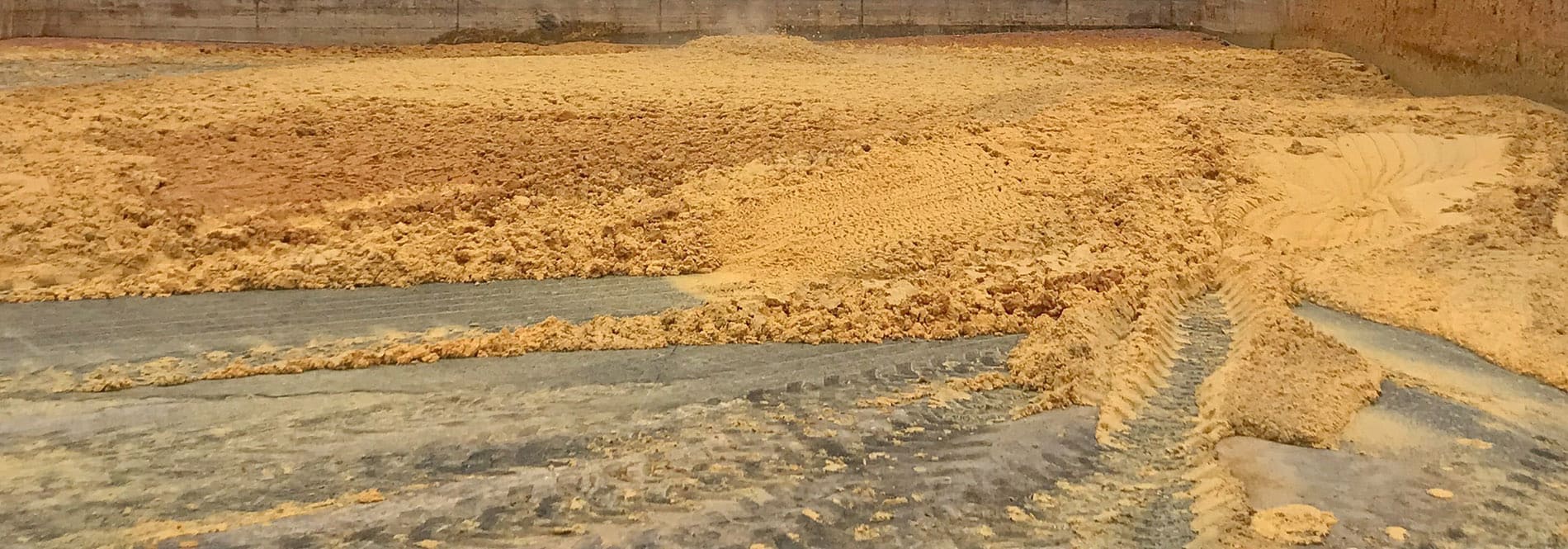
By Technical Team, EW Nutrition Most grains used in feed are susceptible to mycotoxin contamination, causing severe economic losses all along feed value chains. As skyrocketing raw material prices force producers to include a higher proportion of economical cereal byproducts in the feed, the risks of mycotoxin contamination likely increase. In this article, we review […]