

Hens support calves in their critical first phase of life
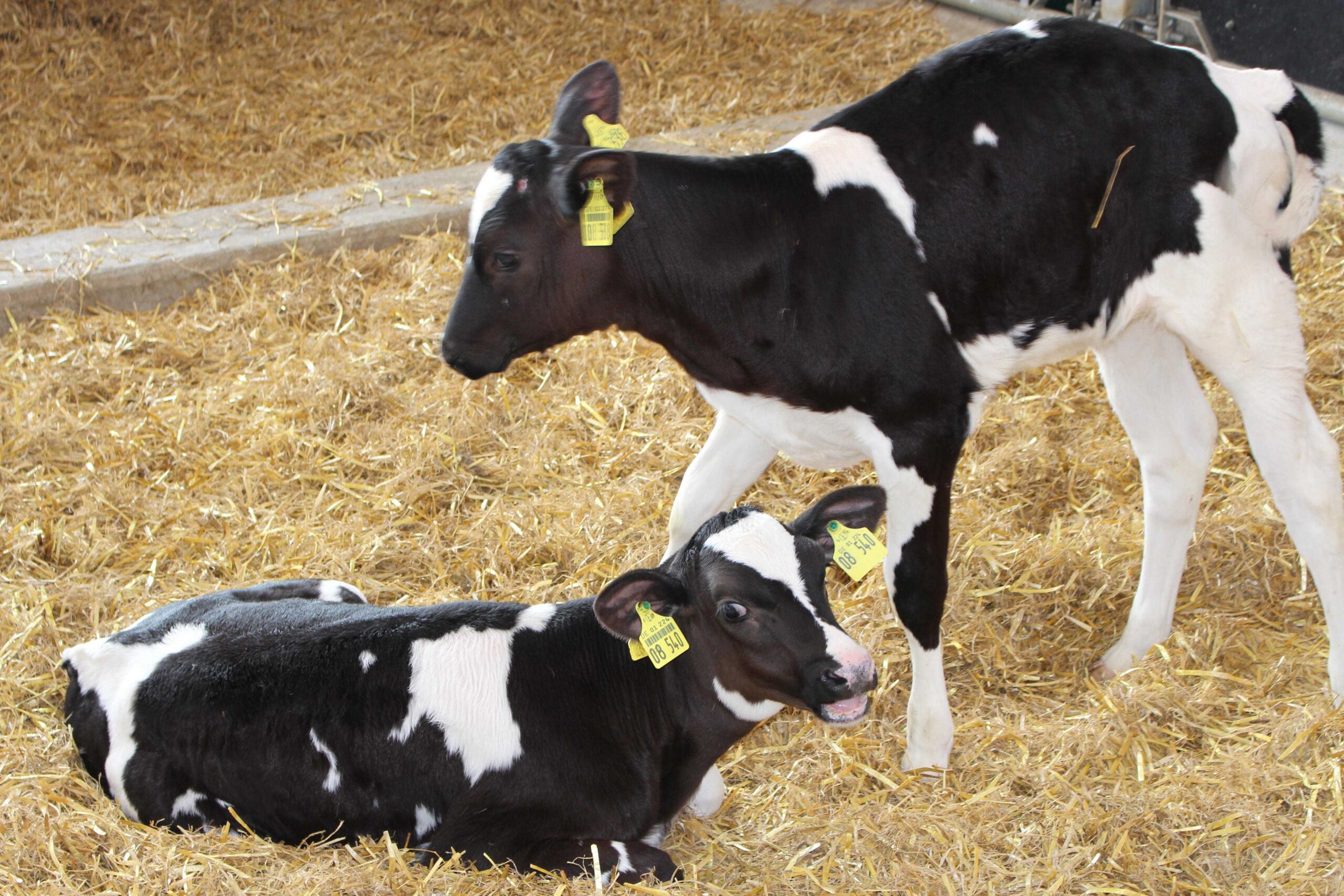
By Dr. Inge Heinzl, EW Nutrition Calves are particularly susceptible to disease because ruminants have a multilayered placenta (placenta epitheliochorialis), and transplacental transfer of immunoglobulins is either absent or occurs only to a very limited extent. This means that the animals must build up their own defenses during the first weeks of life and depend […]
Immunoglobulins – Novel solutions for swine health

Conference Report Unlike humans and most mammals, piglets do not receive any maternal immunoglobulins (antibodies) via the placenta. Therefore, it is vital for piglets to receive maternal antibodies via the colostrum within 24 hours of birth. Otherwise, they are more vulnerable to illnesses in their early stages of life. In situations where piglets do not […]
Optimising Weaner Performance

Conference report To optimize weaner performance, it is helpful to understand the stressful situation the piglets are facing. In contrast to weaning in nature, which occurs gradually until completion at approximately 4-5 months, weaning in intensive pig operations is an acute process, typically occurring at 3-4 weeks of age. This critical phase subjects piglets to […]
Piglet rearing – there is still room for improvement!

By I. Heinzl, Editor, and Predrag Persak, Regional Technical Manager North Europe Optimal rearing conditions for piglets are crucial for ensuring their healthy growth, reducing mortality, and enhancing productivity. These conditions include proper temperature, nutrition, housing, hygiene, and care. Here are the key aspects: 1. Temperature and ventilation Piglets are sensitive to cold because they […]