

Diarrhoea? Egg powder to the rescue
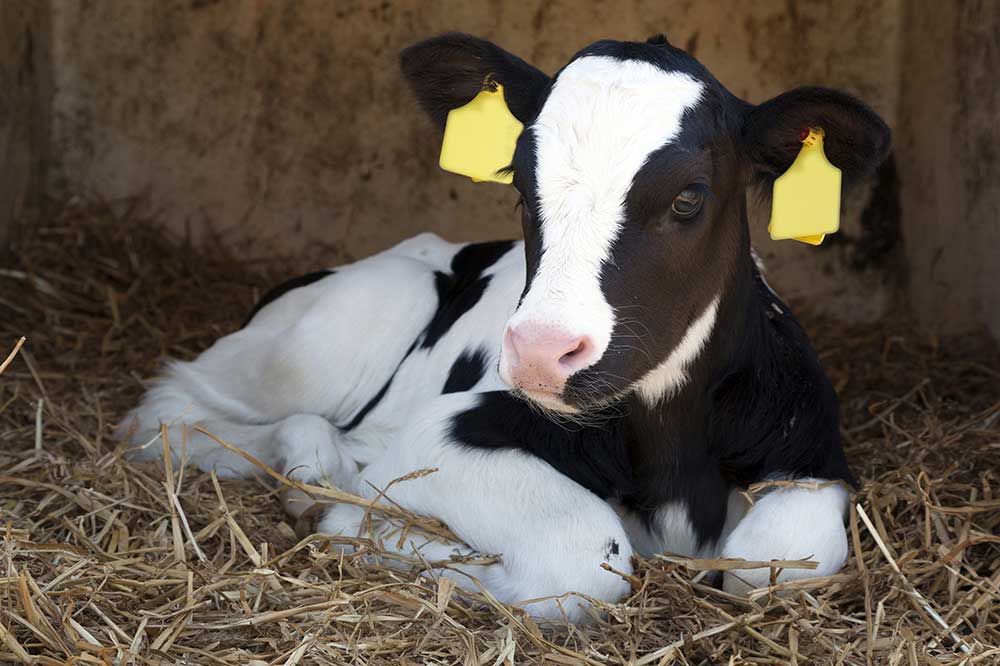
Another tool to reduce the use of antibiotics is the use of immunoglobulins from eggs. Trials showed that this product is effective to support a calf’s start in life and also to offer support when challenged by various forms of diarrhoea. The main cause for calf losses during the first two weeks of life is […]
Diarrhea? Egg powder to the rescue
Another tool to reduce the use of antibiotics is the use of immunoglobulins from eggs. Trials showed that this product is effective to support a calf’s start in life and also to offer support when challenged by various forms of diarrhoea. The main cause for calf losses during the first two weeks of life is […]
Mold Toxins (Mycotoxins): Effective for broiler chickens.
Breeding hens are a valuable asset for the poultry industry, as they produce the hatching eggs and day-old chicks. It is therefore important to manage contamination as well as possible. Mycotoxin management is part of that. In the production of hatching eggs and day-old chicks, the selection of raw materials with high nutritional quality and […]
Fewer pathogens with egg immunoglobulins
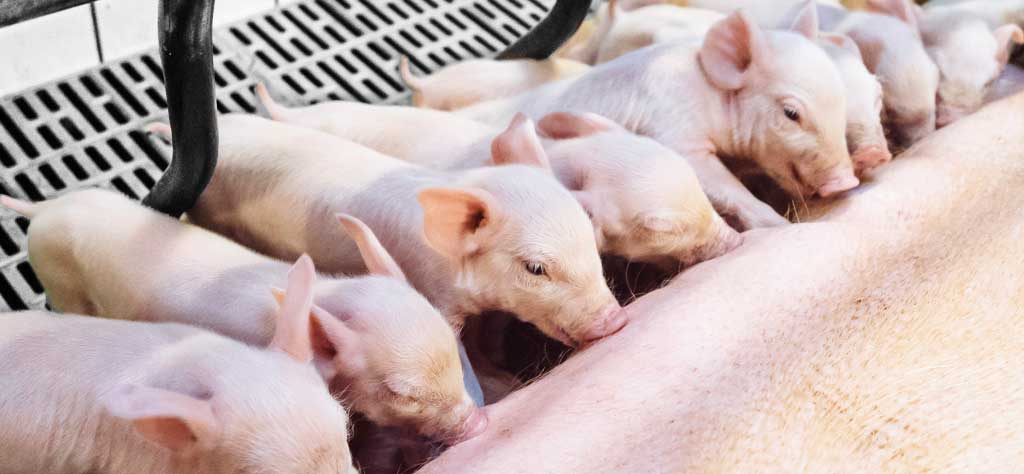
For newborn pigs there are often a host of different challenges – think of crushing or contamination of the farrowing pen. For the last problem, solutions exist. A dietary approach can help to relieve pathogenic pressure through sow manure. The main objective of a piglet producer is to maximise the number of healthy weaned piglets […]
Mycotoxin interactions: An obstacle to risk assessment
In animal feed, multi-mycotoxin contamination is found quite frequently and seems to be the rule rather than the exception in practical diets. Here is a quick overview of the known interactions. What are the most common mycotoxins in feed? Mycotoxins represent an exceptional challenge for feed and animal producers: they are produced by common molds, […]
Secondary Plant Compounds (SPC’s) to reduce the use of antibiotics?

Initial in vitro trials give reason for hope Antibiotic Resistance Some bacteria, due to mutations, are less sensitive to certain antibiotics than others. This means that if certain antibiotics are used, the insensitive ones survive. Because their competitors have been eliminated, they are able to reproduce better. This resistance can be transferred to daughter cells […]
Necrotic enteritis in poultry
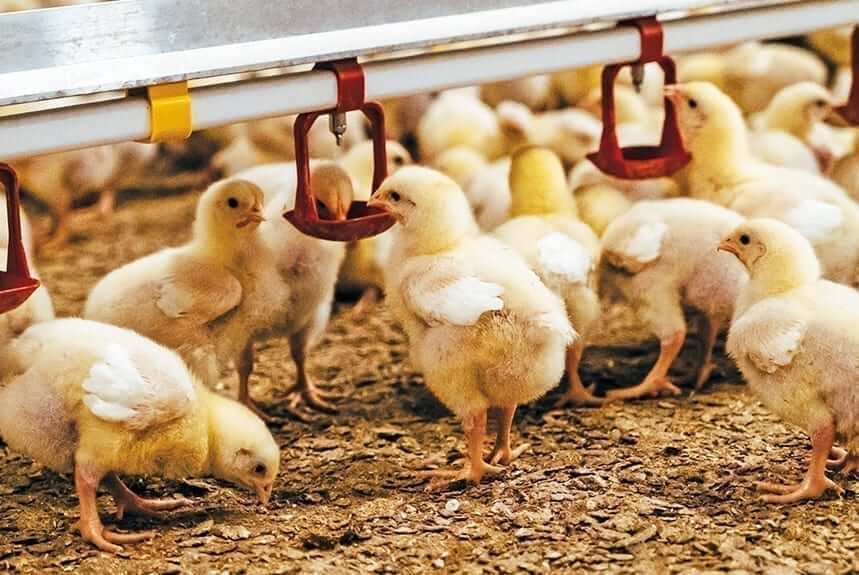
Enteric diseases cause significant economic losses due to decreased weight gain, higher mortality, higher feed conversion, higher veterinary costs and medicine and a higher risk of contamination by poultry products in food production. The losses due to necrotic enteritis mainly occurring in broilers and fattening turkeys in intensive floor or free-range management are put at […]
Secondary plant compounds are the new frontier in poultry nutrition

Why should you read another story about phytogenics? Or, is it botanicals, spices, herbs, and extracts? No matter what we call them, scientists have named them “secondary plant compounds”, and if we are to follow the American tradition we can call them SPC. Then, here is the first interesting thing we can discuss about this […]
Secondary plant compounds against antibiotic-resistant E. coli

Due to incorrect therapeutic or preventive use of antibiotics in animal production as well as in human medicine, occurrence of antibiotic resistant pathogens has become a widespread problem. Enterobacteria in particular (e.g. Salmonella, Klebsiella, E. coli) possess a special mechanism of resistance. By producing special enzymes (ß-lactamases), they are able to withstand the attack of […]
Phytogenics can positively influence the efficacy of antibiotics

Many veterinary antibiotics are applied via the waterline, where they are dosed in combination with other feed additives. Amongst those are mixtures of secondary plant compounds with a proven antimicrobial efficacy against veterinary pathogenic bacteria. However, little research has been done to evaluate any effect that antibiotics and phytogenics may have on each other. A […]
Using egg immunoglobulins to enhance piglet survival

The number of healthy piglets weaned is the most important factor for the calculation of profit in piglet production. Losses in the farrowing unit normally occur during the first seven days of life as piglets are born with very little protection in the form of immunity. The intake of immunoglobulins from colostrum is therefore of […]
A powerful alternative to antibiotics for Aquaculture
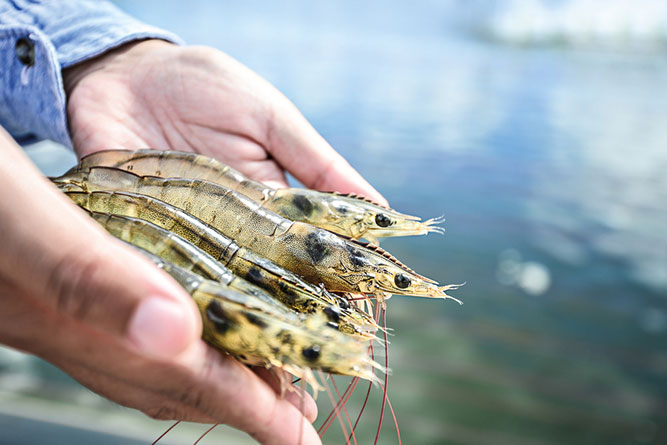
Global aquaculture has grown dramatically and shrimp cultivation areas, in particular, have expanded. Unfortunately, the shrimp industry, in particular, faces major problems with bacterial diseases. One of the most important diseases in shrimp is vibriosis. Mortality rates of up to 100 % are possible, so economic losses can be devastating. Characteristics of vibriosis Vibriosis generally […]