Antioxidant benefits in pig feed

shutterstock 1500147875 small

By Technical Team, EW Nutrition

In modern swine production, one of the key aspects for success is a balanced diet. This essentially means ensuring that the animal meets its daily nutritional requirements for maintenance, growth, and reproduction. In order to provide an appropriate diet and safe feed for the animals, the sensory and nutritional characteristics of the feed must be preserved and issues like the oxidation of the feed must be avoided.

This article aims to highlight why oxidation in  feed can become a big concern for swine producers, what the problems resulting from oxidation in pig feed are, and present practical solutions to improve feed quality and pig performance by controlling the oxidation.

Feed oxidation: What are the dangers?

In pig diets, various sources of lipids are added to increase caloric density, provide essential fatty acids, improve feed palatability, improve pellet quality, and reduce dust (Keer et al., 2015). Some of the feed ingredients are more susceptible to oxidation because of their physical and chemical characteristics, such as milled grains and ingredients of animal origin and vegetable oils with a high content of polyunsaturated fatty acids.

Oxidative rancidity is a type of lipid deterioration. In the oxidation process, the free radicals react with lipids and proteins and induce cellular and tissue damage.

Some consequences of oxidative deterioration are the destruction of fat-soluble vitamins, supplemental fats, and oils. Preserving these ingredients is crucial because fats and oils provide a high quantity of energy and essential fatty acids. At the same time, vitamins, such as those present in vitamin premixes, are indispensable for optimal animal growth and performance.

The oxidation process also results in by-products with strong unpleasant taste and odor, and even toxic metabolites. In addition, oxidized feed has less protein, amino acids, and energy content. All these factors are relevant when resources, in the current scenario of high prices of feed ingredients and inputs, might be wasted due to poor feed management.

Performance losses caused by oxidation

Lipid oxidation can incur several losses regarding the pigs’ performance. Feeding oxidized lipids significantly decreases growth rate, feed intake and efficiency, immune function, and weight gain efficiency in pigs, especially in breeding animals, since the exposure occurs over long periods.

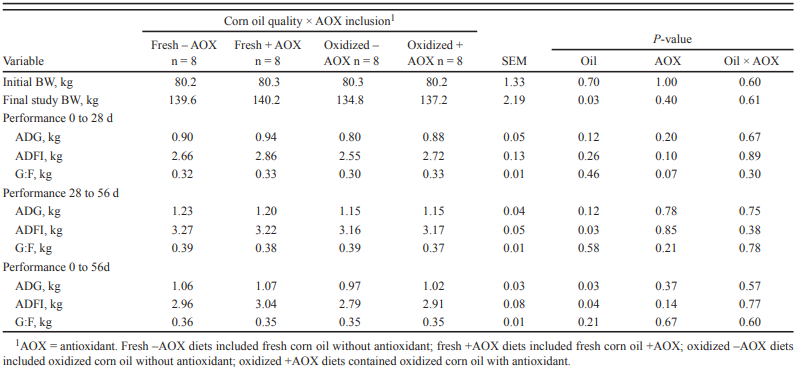
The ingestion of products resulting from the oxidative deterioration of fatty acids leads to irritability of the intestinal mucosa, diarrhea, and, in extreme cases, can result in liver degeneration and cell death. DeRouchey et al. (2004) observed reduced growth rates in pigs that are fed rancid white grease. Ringseis et al. (2007) reported that feeding oxidized sunflower oil increased oxidative stress markers in the small intestine of pigs, while Boler et al. (2012) reported that feeding pigs oxidized corn oil reduced growth performance (Table 1). Lu et al. (2014a) reported signs of liver damage in pigs subjected to dietary oxidative stress, increasing plasma bilirubin content, and enlarged liver size.

Table 1. Effects of dietary corn oil quality and antioxidant inclusion on barrow performance (Source: Boler et al., 2012)

There are some theories as to why oxidized feed causes such effects. According to Dibner et al. (1996), vitamins and polyunsaturated fatty acids deteriorate in the absence of antioxidants, and oxidized fats and their byproducts can negatively affect cells, resulting in changes in membrane permeability, viscosity, secretory activity, and membrane-bound enzyme activity. These primary effects lead to observable systemic effects. In order to prevent these damaging consequences, antioxidants have become a widely used alternative.

The power of antioxidants

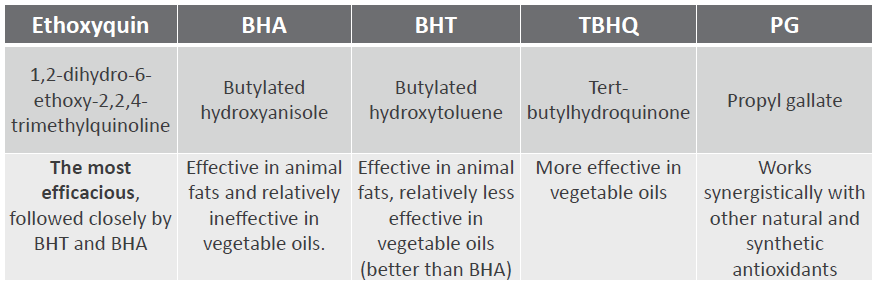
Chemical antioxidants (Table 2) are added to animal feeds to delay fat and vitamin oxidation, which keeps the diet palatable and helps prolong the feed’s shelf life, ultimately maintaining the quality of the ingredients (Jacela et al., 2010). They prevent the binding of oxygen to free radicals. Dietary antioxidants have also been used in several species of animals to replace vitamin E, which is known for its antioxidant powers. Antioxidants are highly applicable in warm climates, when high levels of fat are added to the diet, and in areas where byproducts high in unsaturated fats are commonly used.

Table 2. Commonly used chemical antioxidants

Lu et al. (2014b) studied the effects of dietary supplementation with a blend of antioxidants (ethoxyquin and propyl gallate) on carcass characteristics, meat quality, and fatty acid profile in finishing pigs fed a diet high in oxidants. They reported that the inclusion of antioxidants minimized the effects of the high oxidant diet. The treatments including antioxidants, whether combined with vitamin E or not, had positive results in carcass weight, back fat, loin characteristics, and extractable lipid percentage.

Fernandez-Duenas (2009) studied the use of antioxidants in feed containing fresh or oxidized corn oil and its effects on animal performance, the oxidative status of tissues, meat quality, shelf life, and the antioxidant activity of skeletal muscle of finishing pigs. They reported that barrows fed with diets with the antioxidant blend showed increased feed efficiency. Orengo et al. (2021) showed that feeds protected with antioxidants could compensate for low vitamin E supply with regard to growth performance in the starter phase. Hung et al., 2017 theorized that the impacts on growth performance are likely related to the lack of adequate antioxidant capacity of the diet and oxidative stress status.

As literature and application results show, the use of antioxidants in pig feed is crucial to minimize adverse effects from oxidized feed and allow the animals to express their full performance potential.

SANTOQUIN: preserving feed quality

From a practical standpoint, swine producers must consider some criteria for selecting a good antioxidant, which must preserve feed components, be nontoxic for humans and pigs, show effectiveness at very low concentrations, and be economically sustainable.

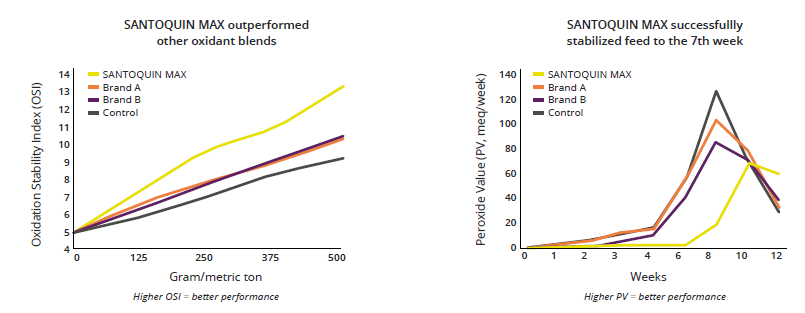
Considering those major characteristics, EW Nutrition offers a range of antioxidant solutions for the preservation of feed ingredients and feeds for poultry and swine through their SANTOQUIN product line. Santoquin is a feed preservative that protects supplemental fats, oils, meals, and vitamin premixes and protect feed from oxidation. Santoquin provides unsurpassed protection from oxidative rancidity, and it has proven effects against oxidation in feeds (Figure 1) ensuring the prolonged shelf life of feeds, especially during suboptimal storage conditions, such as those with high environmental temperature and elevated levels of moisture.

Figure 1. Antioxidant efficacy and competitiveness. SANTOQUIN MAX feed preservative is a proprietary antioxidant blend that effectively prolongs the shelf life of feed and feed ingredients by reducing oxidation rate.

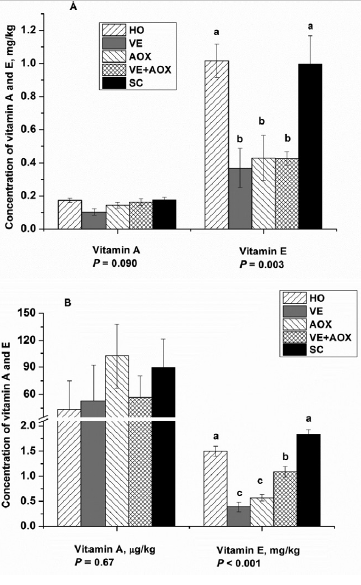
Studies have been conducted to show the beneficial effects of Santoquin. Ethoxyquin, contained in Santoquin, has been used in the swine industry for over five decades and has been shown to improve growth performance and markers of oxidative status in pigs (Dibner et al., 1996). Ethoxyquin is also known for being the most efficacious and cost-effective antioxidant. Lu et al. (2014b) showed that the addition of an antioxidant blend (ethoxyquin and propyl gallate) protected pigs fed with a high-oxidant diet from oxidative stress more efficiently than vitamin E supplementation (Figure 2).

Figure 2. Concentrations of vitamins A and E across treatments in the plasma (A) and muscle (B). HO: high oxidant diet containing 5% oxidized soybean oil (peroxide value at approximately 180 mEq/kg of oil, 9 mEq/kg in the diet) and 10% of a PUFA source (providing approximately 55.57% of crude fat that contains docosahexaenoic acid [ DHA] at 36.75%, and 2.05% DHA in the diet); VE: the HO diet with 11 IU/kg of added vitamin E; AOX: the HO diet with an antioxidant blend (ethoxyquin and propyl gallate, 135 mg/kg); VE+AOX: the HO diet with both vitamin E and antioxidant blend; SC: a standard corn–soy control diet with nonoxidized oil and no PUFA source. The HO pigs were switched to the SC diet after day 82 as an intervention for poor health and performance. The samples came from two pigs from each pen. The VE treatment lost 1 replicate during the feeding phase and transportation period (n = 4), while in other treatments, n =5. (Source: Lu et al., 2014b)

Conclusion

The negative effects of oxidation in pig feed can result in diets with lower biological energy value. To avoid that, antioxidants help maintain intestinal health, ensure a safe food intake, preserve the ingredients and resources used in pig production. Overall, antioxidants help swine producers improve feed conversion and achieve more productive animals and lower mortality caused by toxicity. At the end of the day, the use of antioxidants is associated with better profitability.


References

Boler, D. D., Fernández-Dueñas, D. M., Kutzler, L. W., Zhao, J., Harrell, R. J., Campion, D. R., Mckeith, F. K., Killefer, J., & Dilger, A. C. (2012). Effects of oxidized corn oil and a synthetic antioxidant blend on performance, oxidative status of tissues, and fresh meat quality in finishing barrows. Journal of Animal Science, 90(13), 5159–5169. https://doi.org/10.2527/jas.2012-5266

DeRouchey, J. M., Hancock, J. D., Hines, R. H., Maloney, C. A., Lee, D. J., Cao, H., Dean, D. W., & Park, J. S. (2004). Effects of rancidity and free fatty acids in choice white grease on growth performance and nutrient digestibility in weanling pigs. Journal of Animal Science, 82(10), 2937–2944. https://doi.org/10.2527/2004.82102937x

Dibner, J. J., Atwell, C. A., Kitchell, M. L., Shermer, W. D., & Ivey, F. J. (1996). Feeding of oxidized fats to broilers and swine: Effects on enterocyte turnover, hepatocyte proliferation and the gut associated lymphoid tissue. Animal Feed Science and Technology, 62(1 SPEC. ISS.), 1–13. https://doi.org/10.1016/S0377-8401(96)01000-0

Fernández-dueñas, D. M. (2009). Impact of oxidized corn oil and synthetic antioxidant on swine performance, antioxidant status of tissues, pork quality, and shelf life evaluation.

Hung, Y. T., Hanson, A. R., Shurson, G. C., & Urriola, P. E. (2017). Peroxidized lipids reduce growth performance of poultry and swine: A meta-analysis. Animal Feed Science and Technology, 231, 47–58. https://doi.org/10.1016/j.anifeedsci.2017.06.013

Jacela, J. Y., DeRouchey, J. M., Tokach, M. D., Goodband, R. D., Nelssen, J. L., Renter, D. G., & Dritz, S. S. (2010). Feed additives for swine: Fact sheets–flavors and mold inhibitors, mycotoxin binders, and antioxidants. Journal of Swine Health and Production, 18(1), 27-32.

Kerr, B. J., Kellner, T. A., & Shurson, G. C. (2015). Characteristics of lipids and their feeding value in swine diets. Journal of Animal Science and Biotechnology, 6(1), 1-23. https://doi.org/10.1186/s40104-015-0028-x

Lu, T., Harper, A. F., Zhao, J., Estienne, M. J., & Dalloul, R. A. (2014). Supplementing antioxidants to pigs fed diets high in oxidants: I. Effects on growth performance, liver function, and oxidative status. Journal of animal science, 92(12), 5455-5463. https://doi.org/10.2527/jas.2013-7109

Lu, T., Harper, A. F., Dibner, J. J., Scheffler, J. M., Corl, B. A., Estienne, M. J., Zhao, J., & Dalloul, R. A. (2014b). Supplementing antioxidants to pigs fed diets high in oxidants: II. Effects on carcass characteristics, meat quality, and fatty acid profile. Journal of Animal Science, 92(12), 5464–5475. https://doi.org/10.2527/jas.2013-7112

Orengo, J., Hernández, F., Martínez-Miró, S., Sánchez, C. J., Peres Rubio, C., & Madrid, J. (2021). Effects of commercial antioxidants in feed on growth performance and oxidative stress status of weaned piglets. Animals, 11(2), 1–13. https://doi.org/10.3390/ani11020266

Ringseis, R., Piwek, N., & Eder, K. (2007). Oxidized fat induces oxidative stress but has no effect on NF-κB-mediated proinflammatory gene transcription in porcine intestinal epithelial cells. Inflammation Research, 56(3), 118–125. https://doi.org/10.1007/s00011-006-6122-y


Harvest to bring significant quality challenges for feed, says EW Nutrition [Press Release]

img 0396 smaller

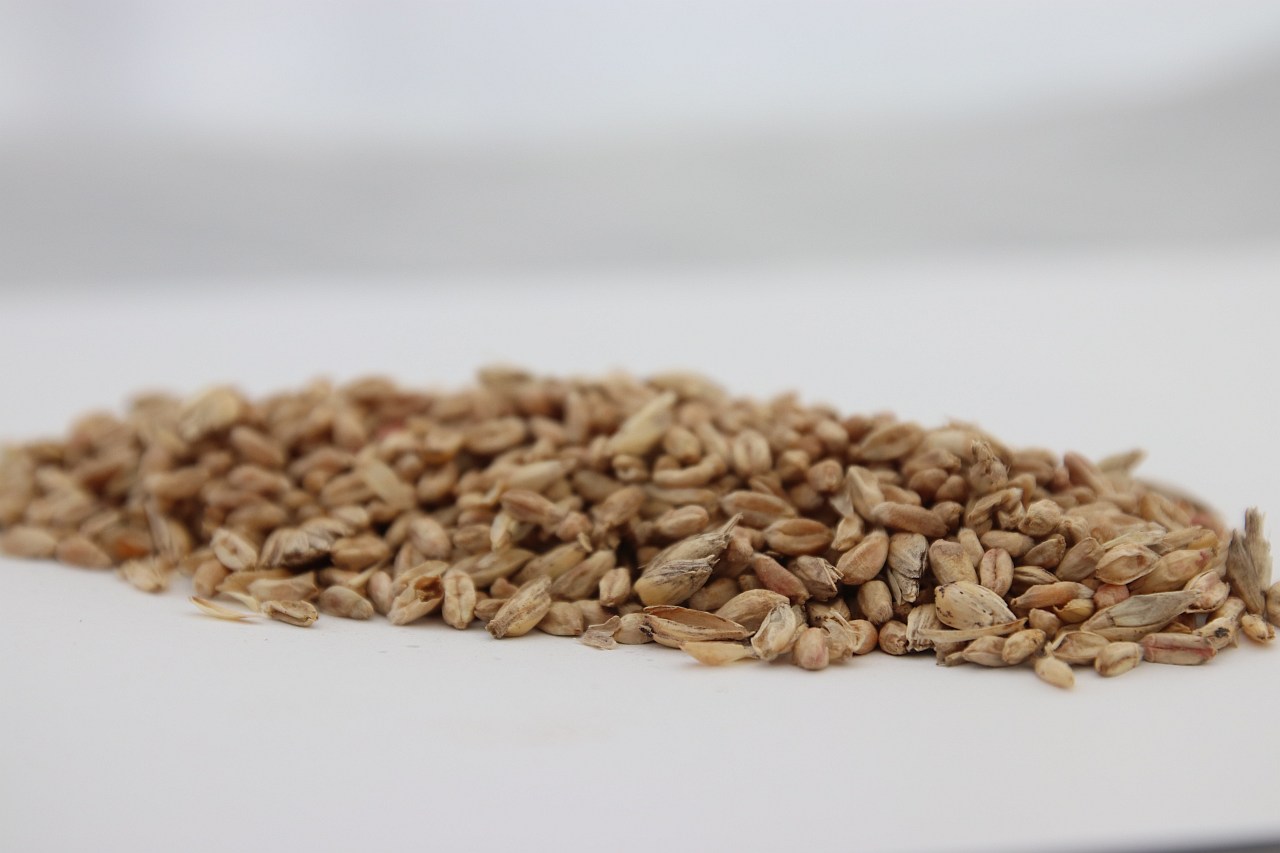
VISBEK, GERMANY, 23 August – Bad news for feed producers: after supply chain disruptions and raw material unavailability, now weather-related challenges in Europe will most likely affect this year’s crop quantity and quality. Cold temperatures, heatwaves, tornados, and hailstorms are expected to adversely affect the quality and quantity of the harvest.

The moisture brought by the rainfalls is generally expected to affect the quality of the crops. The torrential rains in France, Germany, etc. have darkened Central and Western farmers’ prospects: while the quantity may be there, the quality of wheat and corn is under question. Sprouting grains, diseased crops, and fungi may dampen the optimism brought by numbers alone.

Further east, droughts have posed different issues. Still, countries such as Romania and Bulgaria seem to have weathered the challenges somewhat better and are seeing YoY increases in their wheat and corn crop output.

In Great Britain, rainfall has not caused dramatic drops in crop output but has nevertheless greatly increased mycotoxin risk up to a “moderate to high” level.

Depending on the type of mycotoxin, weather challenges and storage conditions are the most common contributors to severe infestation. This year’s intemperate weather has, in fact, been ideal for a large spectrum of fungi. Fungal risks can be calculated at the two critical times: at flowering and at harvest and baling, when there is an increased risk of storage molds and mycotoxin production.

Preliminary analysis shows Europe’s wheat crops at potential risk of DON, as well as potentially Aflatoxin and Fumonisin infestation and more. Specialists continue to collect and monitor harvest results and adjust recommendations; however, we can definitely expect the presence of moderate, if not quite high levels of mycotoxin risk this year.


info@ew-nutrition.com

https://ew-nutrition.com/

+49 4445 9868-0


Rising feed costs? Focus on the FCR

shutterstock 1500147875 small

by Inge Heinzl, Editor, and Technical Team, EW Nutrition


What is your most crucial key feed performance indicator? We posted this question on an online professional platform and got more than 330 answers from professionals in the industry:

  • 55 % of the respondents considered feed efficiency or feed conversion rate (FCR) the key indicator, and
  • 35 % listed feed cost / kg produced as their most important indicator.

As feed represents 60-70 % of the total production costs, feed efficiency has a high impact on farm profitability – especially in times of high feed prices. Furthermore, for the meat industry, an optimal FCR is essential for competitiveness against other protein sources. Finally, for food economists, feed efficiency is connected to the optimal use of natural resources (Patience et al., 2015).

In this article, we explain the factors that influence feed efficiency and show options to support animals in optimally utilizing the feed – directly improving the profitability of your operation.

How to measure the feed conversion rate

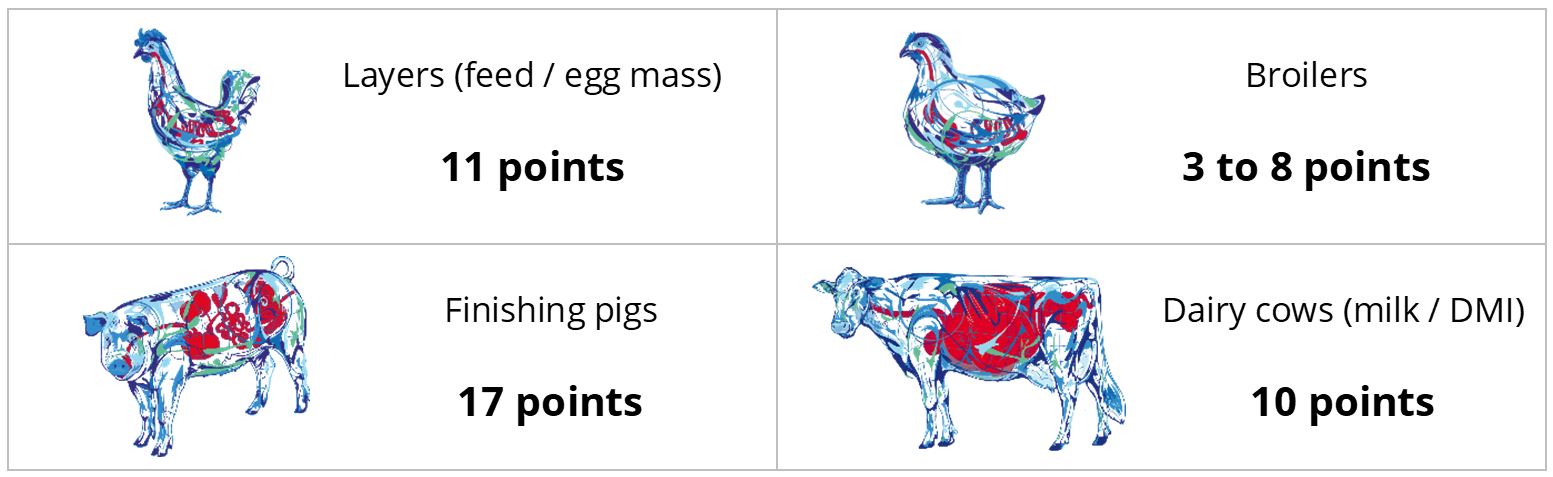
The FCR shows how efficiently animals utilize their diet for maintenance and net production. In the case of fattening animals, it is meat production; for dairy cows, it is milk, and for layers, it is egg mass (kg) or a specific egg quantity.

The feed conversion rate is the mathematical relation obtained by dividing the amount of feed the animal consumed by the production it provided. The FCR is an index for the degree of feed utilization and shows the amount of feed needed by the animal to produce one kg of meat or egg mass, or, e.g., 10 eggs.

When comparing the FCRs of different groups of animals (e.g., from different houses or farms), some considerations are important:


  • Feed consumed is not feed disappeared: Due to differences in feeder design and feeder adjustment, these two values can differ by 10-30 %. If FCR is calculated for economic purposes, the wasted feed must be included, as it causes costs and must be paid by the farmer. However, if FCR is calculated for scientific purposes (e.g., a performance trial), only the feed consumed should be included.
  • Even if they are same-aged animals, individuals or groups differ in weight. Hence, they have different requirements for maintenance and also diverging quantity left for production. To avoid mistakes, weight-corrected FCR can be used.
  • Nutrient utilization also depends on genotype and sex; thus, comparisons should consider these factors as they also influence weight gain and body composition (Patience et al., 2015).

Many factors influence the FCR

There are internal and external factors that influence feed efficiency. Internal factors originate in the animal and include genetics, age, body composition, and health status. In contrast, external factors include feed composition, processing, and quality, as well as the environment, welfare enrichment, and social aspects.

1. Species

Different species have different body sizes and physiology and, therefore, vary in their growth and maintenance requirements, impacting their efficiency in converting the feed.

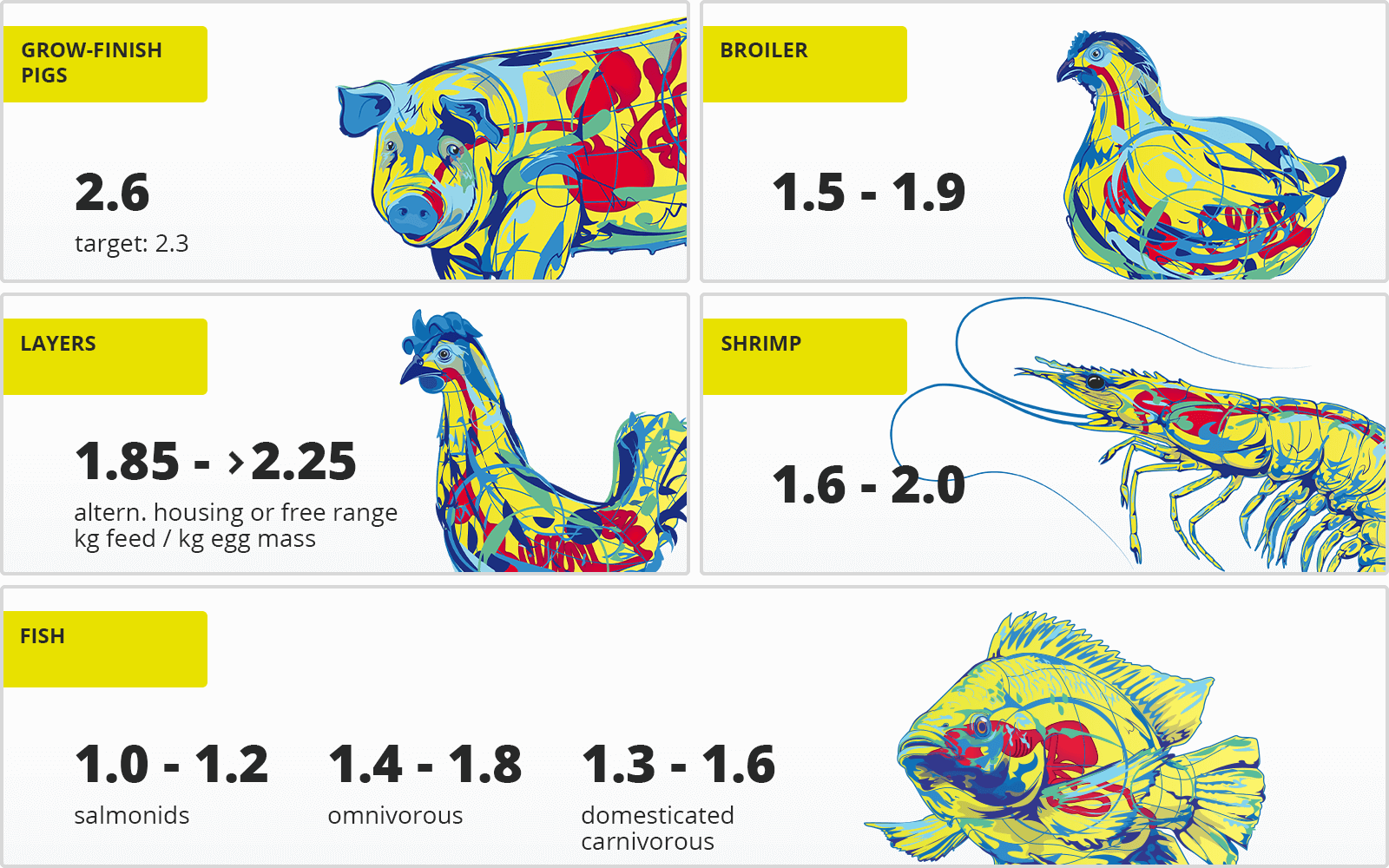
Table 1: FCRs of different species

Compared to terrestrial animals, for example, fish and other aquatic animals have a low FCR. Being poikilothermic (animals whose body temperature ranges widely), they don’t spend energy on maintaining their body temperature if the surrounding water is within their optimal range. As they are physically supported by water, they also need less energy to work against gravity. Furthermore, carnivorous fish are offered highly digestible, nutrient-dense feed, which lowers their requirements in quantity. Omnivorous fish, on the other hand, also consume feedstuffs not provided by the producer (e.g., algae and krill), which is not considered in the calculation. Broilers are the only farm animals achieving a similar FCR.

2. Sex, age, and growth phase

Sex determines gene expression related to the regulation of feed intake and nutrient utilization. Males have a better feed conversion and put on more lean meat than females and castrates, which grow slower and easier run to fat.

Young animals have a fast growth rate and are offered nutritionally dense feed; hence, their FCR is lower. When the animal grows and gains weight, its energy requirement for maintenance increases and its growth rate and the feed nutrient density diminish.

Table 2: FCR during different life phases of pigs (based on Adam and Bütfering, 2009)

Age / weight / phase FCR
Piglet 0 – 2 weeks 1.1 – 1.2
3 – 6 weeks 1.6 – 1.8
Grower-finisher 30 – 120 kg ~ 2.6
End of fattening 4 – 5

3. Health and gut health

Health decisively impacts feed conversion. An animal that is challenged by pathogens reduces its feed intake and, thus, decreases growth. Additionally, the body needs energy for the immune defense, the replacement of damaged or lost tissue, and heat production, in case of fever. As many immune components are rich in protein, this is the first nutrient to become limited.

An imbalance in the gut microbiome also impacts feed conversion: pathogenic microorganisms damage tissues, impair nutrient digestion and absorption, and their metabolic products are harmful. Furthermore, pathogens consume nutrients intended for the host and continue to proliferate at its expense.

4. Environment

The environment influences the way the animals spend their maintenance energy. According to Patience (2012), when a 70 kg pig is offered feed ad libitum, 34 % of the daily energy is used for maintenance. For each °C below the thermoneutral zone, an additional 1.5% of feed is needed for maintenance. In heat stress, each °C above the optimum range decreases feed intake by 2%. Therefore, the feed needs to be denser to fulfill the requirement, or the animal will lose weight. Social stress also influences animal performance, especially chronic stress situations. Keeping the animals in their thermoneutral zone and mitigating the impact of stressors means more energy can go towards performance.

5. Feed quantity, composition, and quality

The feed is the source of nutrients animals convert into production. So, it’s natural that its quality and composition, and the availability of nutrients affect feed efficiency.

Better FCR by increasing nutrient density and digestibility

Higher energy content in the diet and better protein digestibility improve FCR. Saldaña et al. (2015) assert that increasing the energy content of a diet led to a linear decrease of the average daily feed intake but improved FCR quadratically. The energy intake by itself remained equal. However, these diet improvements also increase costs, and a cost-benefit analysis should be conducted.

Feed form and particle size play an important role

Feed processing can improve nutrient utilization. Particle size, moisture content, and whether the feed is offered as pellets or mash influence feed efficiency. Reducing the particle size leads to a higher contact surface for digestive enzymes and higher digestibility. Chewning et al. (2012) tested the effect of particle size and feed form on FCR in broilers. They found that pellet diets enable better FCRs than mash diets – one reason is the lower feed waste, another one the smaller feed particle size in the pelleted feed. Comparing the different tested mash diets, the birds receiving feed with a particle size of 300 µm performed better than the birds getting a diet with 600 µm particles.

Richert and DeRouchey (2015) show that pigs’ feed efficiency improved by 1.3 % for every 100 µm when the particle size was reduced from 1000 µm to 400 µm , as the contact surface for the digestible enzymes increased. In weaning piglets of 28-42 days, the increase of particle size from 394 µm to 695 µm worsened FCR from 1.213 to 1.245 (Almeida et al., 2020). There is a flipside to smaller particle size as well, however: high quantities of fines in the diet can lead to stomach ulceration in pigs (Vukmirović et al., 2021).

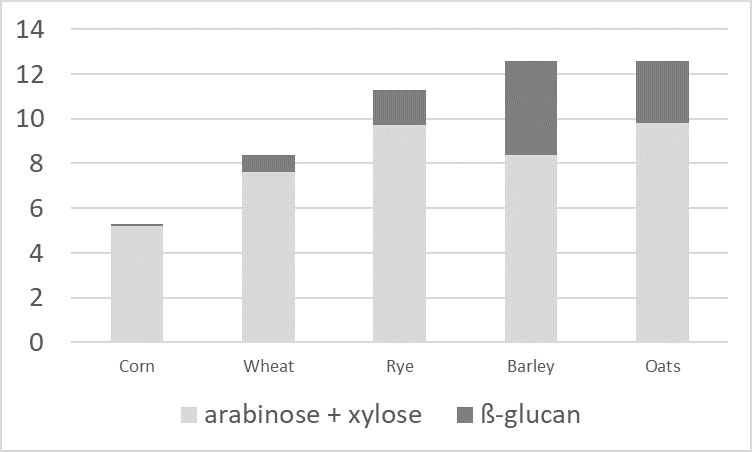
Non-starch polysaccharide (NSP)-rich cereals worsen FCR

The carbohydrates in feedstuffs such as wheat, rye, and barley are not only energy suppliers, and if not managed well, the inclusion of these raw materials can deteriorate feed conversion. Vegetable structural substances such as cellulose, hemicellulose, or lignin (e.g., in bran), are difficult or even impossible to utilize as they lack the necessary enzymes.

Figure 1: Contents of arabinoxylan and ß-glucan in grain (according to Bach Knudsen, 1997)

Additionally, water-soluble NSPs (e.g., pectins, but also ß-glucans and pentosans) have a high water absorption capacity. These gel-forming properties increase the viscosity of the digesta. High viscosity reduces the passage rate and makes it more difficult for digestive enzymes and bile acids to come into contact with the feed components. Also, nutrients’ contact with the resorptive surface is reduced.

Another disadvantage of NSPs is their “cage effect.” The water-insoluble NSPs cellulose and hemicellulose trap nutrients such as proteins and digestible carbohydrates. Consequently, again, digestive enzymes cannot reach them, and they are not available to the organism.

Molds and mycotoxins impair feed quality, but also animal health

Molds reduce the nutrient and energy content of the feed and negatively impact feed efficiency. They are dependent on active water in the feed and feed ingredients. Compared to bacteria, which need about 0.9-0.97 Aw (active water), most molds require only 0.86 Aw.

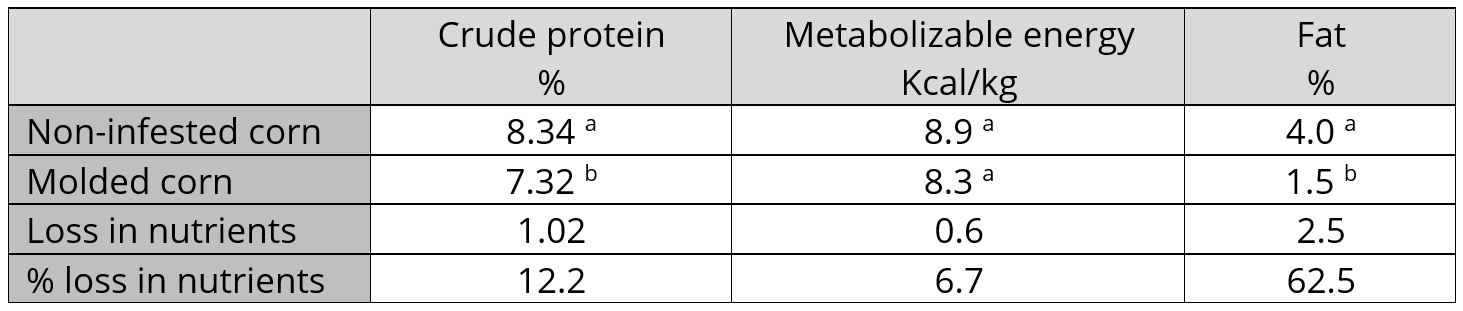
Table 3: Comparison of 28-day-old chicks performance fed not-infested and molded corn

Weight gain (g) FCR
Non-infested corn 767 a 1.79 a
Molded corn 713 b 1.96 b

Besides spoiling raw materials and feed and reducing their nutritional value, molds also produce mycotoxins which negatively impact animal health, including gut health. They damage the intestinal villi and tight junctions, reducing the surface for nutrient absorption. In a trial with broiler chickens, Kolawole et al. (2020) showed a strong positive correlation between the FCR and the exposure to different mycotoxins. The increase in levels of toxin mixtures resulted in poor FCR. Williams and Blaney (1994) found similar results with growing pigs. The animals received diets containing 50 % and 75 % of corn with 11.5 mg nivalenol and 3 mg zearalenone per kg. The inclusion of contaminated corn led to a deterioration of feed efficiency from 2.45 (control) to 3.49 and 3.23.
Oxidation of fats also affects feed quality

DDGS (distiller’s dried grains with solubles), by-products of corn distillation processes, are often used as animal feed, especially for pigs. The starch content is depleted in the distillation process and thus removed. The fat, however, is concentrated, and DDGS reach a similar energy content as corn.

Pigs also receive fats from different sources (e.g., soybean or corn oil, restaurant grease, animal-vegetable blends), especially in summer. Due to heat, the animals eat less, so increasing energy density in the feed is a possibility to maintain the energy intake.  The high fat content, however, makes these feeds susceptible to oxidation at high temperatures.

The oxidation of feedstuffs manifests in the rancidity of fats, destruction of the fat-soluble vitamins A, D, and E, carotenoids (pigments), and amino acids, leading to a lower nutritional value of the feed.

Use adequate supplements to enhance FCR

The feed industry offers many solutions to improve the FCR for different species. They usually target the animal’s digestive health or maintain/enhance feed quality, including increasing nutrient availability.

1. Boost your animals’ gut health

Producers can improve gut health by preventing the overgrowth of harmful microorganisms and by mitigating the effects of harmful substances. For this purpose, two kinds of feed additives are particularly suitable: phytomolecules and products mitigating the impact of toxins and mycotoxins.
Phytomolecules help stabilize the balance of the microbiome

By preventing the proliferation of pathogens, phytomolecules help the animal in three ways:

  1. They prevent pathogens from damaging the gut wall
  2. They deter and mitigate inflammation
  3. By inhibiting the overgrowth of pathogens, they promote better nutrient utilization by the animal

Only a healthy gut can optimally digest feed and absorb nutrients.

In trials testing the phytogenic Activo product range, supplemented animals showed the following FCR improvements compared to non-supplemented control groups (Figure 2).  Note that phy­tomolecules also have a digestive effect that contributes to the FCR improvements:

Figure 2: FCR improvements for animals receiving Activo

Products mitigating the adverse effects of toxins

Both mycotoxins and bacterial toxins negatively impact gut health. Mycotoxins are ingested with the feed; bacterial toxins appear when certain bacteria proliferate in the gut, e.g., gram-negative bacteria releasing LPS or Clostridium perfringens producing NetB and Alpha-toxin.

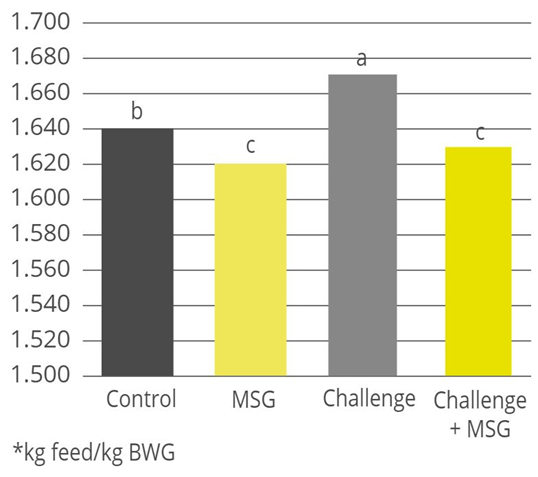
Products that mitigate the harmful effects of toxins help to protect gut health and maintain an optimal feed efficiency, as shown with a trial conducted with Mastersorb Gold:

Table 4: Trial design, the impact of Mastersorb Gold on broilers challenged with zearalenone and DON-contaminated feed

  Control Mastersorb Gold Challenge Challenge + Mastersorb Gold
Challenge 300ppb zearalenone and 6000ppb DON 300ppb zearalenone and 6000ppb DON
Additive MSG (2 kg / MT of feed) MSG (1 kg / MT of feed)

Figure 3: Average FCR for broilers, with or without zearalenone and DON challenge, with or without Mastersorb Gold supplementation

2. Improve nutrient utilization

Maximum use of the nutrients contained in the feed can be obtained with the help of feed additives that promote digestion. Targeting the animal, selected phytomolecules are used for their digestive properties. Focusing on the feed, specific enzymes can unlock nutrients and thus improve feed efficiency.

Phytomolecules support the animal’s digestive system

Phytomolecules promote optimal digestion and absorption of nutrients by stimulating the secretion of digestive juices, such as saliva or bile, enhancing enzyme activity, and favoring good GIT motility (Platel and Srinivasan, 2004). FCR improvements thanks to the use of a phy­tomolecules-based product (Activo) are shown in figure 2.

Enzymes release more nutrients from feed

Enzymes can degrade arabinoxylans, for example. Arabinoxylans are the most common NSP fraction in all cereals – and are undigestible for monogastric animals. Enzymes can make these substances available for animals, allowing for complete nutrient utilization.  Additionally, nutrients trapped due to the cage effect are released, altogether increasing the energy content of the diet and improving FCR.

3. Be proactive about preserving feed quality

The quality of feed can deteriorate, for instance, when nutrients oxidize, or mold infestation occurs. Oxidation by-products promote oxidative stress in the intestine and may lead to tissue damage. Molds, in turn, take advantage of the nutrients contained in the feed and produce mycotoxins. Both cases illustrate the importance of preventing feed quality issues. Feed additives such as antioxidants and mold inhibitors mitigate these risks.
Antioxidants prevent feed oxidation

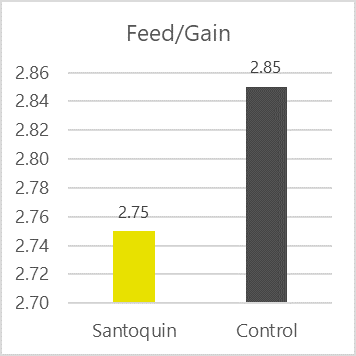
Antioxidants scavenge free radicals and protect the feed from spoilage. In animals, they mitigate the adverse effects of oxidative stress. Antioxidants in pig nutrition can stabilize DDGS and other fatty ingredients in the feed, maintaining nutrient integrity and availability. Figure 4 shows the FCR improvement that a producer in the US obtained when using the antioxidant product Santoquin in pork finisher diets containing 30% DDGS.

Figure 4: FCR improvement in pigs receiving Santoquin (trial with a Midwest pork producer)

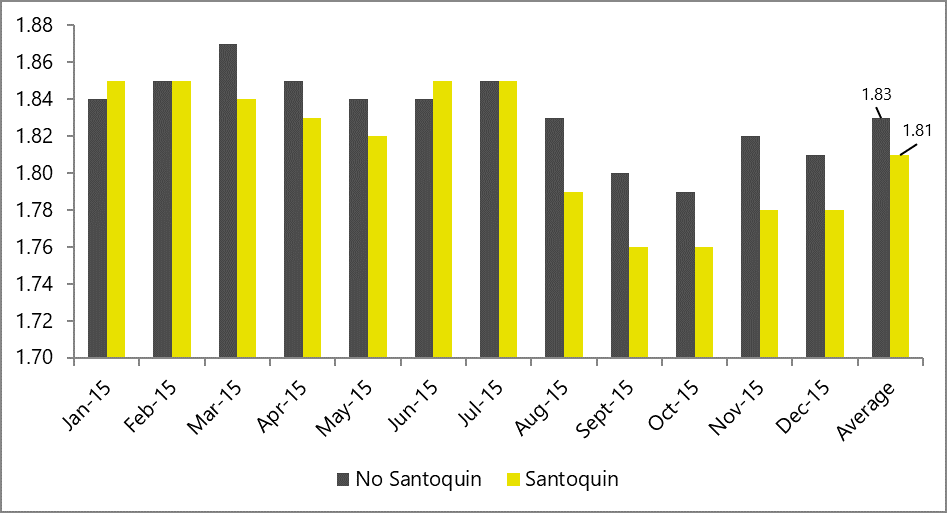
In DDGS-free diets, which are more common in poultry production, antioxidants also help optimize FCR, as shown by the results of a comprehensive broiler field study in 2015 (figure 5).

Figure 5: FCR in broilers receiving Santoquin, compared to a non-supplemented control group

Inhibiting molds and keeping feed moisture

To round off the topic of feed quality preservation, one should consider mold inhibitors, which also play an essential role. Used at the feed mill, these products blend two types of ingredients with their different modes of action: surfactants and organic acids. Surfactants bind active water so that the moisture of the feed persists, but fungi cannot survive. Organic acids, on the other hand, have anti-fungal properties, directly acting against molds. Both actions together prevent the reduction of energy in the feed, keeping feed efficiency at optimal levels.

Conclusion

The improvement of feed efficiency ranks as one of the most, if not the most, critical measures to cope with rising feed costs. By achieving optimal nutrient utilization, producers can make the most out of the available raw materials.

The feed industry offers diverse solutions to support animal producers in optimizing feed efficiency. Improving gut health, mitigating the negative impact of harmful substances, and maintaining feed quality are crucial steps to achieving the best possible FCR and, hence, cost-effective animal production.

References

Adam, F., and L. Bütfering. “Wann Müssen Meine Schweine an Den Haken?” top agrar. top agrar online, October 1, 2009. https://www.topagrar.com/schwein/aus-dem-heft/wann-muessen-meineschweine-an-den-haken-9685161.html.

Almeida, Leopoldo Malcorra, Vitor Augusto Zavelinski, Katiucia Cristine Sonálio, Kariny Fonseca da Silva, Keysuke Muramatsu, and Alex Maiorka. “Effect of Feed Particle Size in Pelleted Diets on Growth Performance and Digestibility of Weaning Piglets.” Livestock Science 244 (2021). https://doi.org/10.1016/j.livsci.2020.104364.

Chewning, C.G., C.R. Stark, and J. Brake. “Effects of Particle Size and Feed Form on Broiler Performance.” Journal of Applied Poultry Research 21, no. 4 (2012): 830–37. https://doi.org/10.3382/japr.2012-00553.

Gaines, A. M., B. A. Peerson, and O. F. Mendoza. “Herd Management Factors That Influence Whole Feed Efficiency.” Essay. In Feed Efficiency in Swine, edited by J. Patience, 15–39. Wageningen Academic, 2012.

Kolawole, Oluwatobi, Abigail Graham, Caroline Donaldson, Bronagh Owens, Wilfred A. Abia, Julie Meneely, Michael J. Alcorn, Lisa Connolly, and Christopher T. Elliott. “Low Doses of Mycotoxin Mixtures below EU Regulatory Limits Can Negatively Affect the Performance of Broiler Chickens: A Longitudinal Study.” Toxins 12, no. 7 (2020): 433. https://doi.org/10.3390/toxins12070433.

Patience, J. F. “The Influence of Dietary Energy on Feed Efficiency in Grow-Finish Swine.” Essay. In In Feed Efficiency in Swine, edited by J. Patience, 15–39. Wageningen Academic, 2012.

Patience, John F., Mariana C. Rossoni-Serão, and Néstor A. Gutiérrez. “A Review of Feed Efficiency in Swine: Biology and Application.” Journal of Animal Science and Biotechnology 6, no. 1 (2015). https://doi.org/10.1186/s40104-015-0031-2.

Platel, K., and K. Srinivasan. “Digestive Stimulant Action of Spices: A Myth or Reality?” Indian J Med Res, pp 167-179 119 (May 2004): 167–79. http://www.ncbi.nlm.nih.gov/pubmed/15218978

Richert, B. T., and J. M. DeRouchey. “Swine Feed Processing and Manufacturing.” Pork Information Gateway, September 14, 2015. https://porkgateway.org/resource/swine-feed-processing-and-manufacturing/.

Saldaña, B., P. Guzmán, L. Cámara, J. García, and G.G. Mateos. “Feed Form and Energy Concentration of the Diet Affect Growth Performance and Digestive Tract Traits of Brown-Egg Laying Pullets from Hatching to 17 Weeks of Age.” Poultry Science 94, no. 8 (2015): 1879–93. https://doi.org/10.3382/ps/pev145.

Vukmirović, Đuro, Radmilo Čolović, Slađana Rakita, Tea Brlek, Olivera Đuragić, and David Solà-Oriol. “Importance of Feed Structure (Particle Size) and Feed Form (Mash vs. Pellets) in Pig Nutrition – A Review.” Animal Feed Science and Technology 233 (2017): 133–44. https://doi.org/10.1016/j.anifeedsci.2017.06.016.


4 ways to cope with increased feed prices

feed 1

by Inge Heinzl, Editor,  Marisabel Caballero, Global Technical Manager Poultry, and Ajay Bhoyar, Global Technical Manager Poultry, EW Nutrition

In the last few months, the prices for feed grains and oilseeds such as soybeans have been climbing to multi-year heights. In part, this can be explained by high corn purchases by China and increasing export duties in Russia. The most significant cause, however, are weather events in producing countries: Just in the last year, droughts in the USA, Canada, and France raised the price of wheat by 40 %, the worst La Niña climate event in 91 years and the drought in China’s biggest corn-growing area made corn about 100 % more expensive, and soybeans carry a 40 % higher price tag because of dry conditions in Argentina.

These events are a stark reminder that for global agriculture climate change impacts are already a reality. High feed costs are an enormous challenge for the whole agricultural sector and sustainable strategies need to be adopted to enable a more efficient use of resources, both in the short and long term. This article explores possibilities to cope with the current situation. Through understanding the positions of farmers, integrators and feed millers and using targeted feed additive solutions, we can achieve a responsible use of resources that makes animal production more resilient to feed price increases.

Feed cost issues? Always start with this

The first question producers need to ask themselves is always if there is any step in the production process that could be done more effectively. Similar to biosecurity programs, the basic steps seem self-evident, but to consistently implement them in the complex on-farm reality requires regular checks.

Feeding as “exactly” as possible

In case of high prices, the feed raw materials should be used as responsibly as possible:

  • Protein and energy content (but also other components, such as minerals and vitamins) must meet the requirements of the animals – age and production phase are decisive for the calculations.
  • Given variations in raw material quality, it is important to exactly determine nutrient contents to avoid over- and under-supply. For this purpose, technologies like the near-infrared spectroscopy (NIR) can be used.

Using locally available sources

In the initial stages of price hikes, it is often possible to resort to locally available sources, e.g., using sunflower or flaxseed meal to replace soybeans. Unfortunately, with increasing demand, these feed materials will usually become more expensive as well, and might not be suitable alternatives anymore. In general, however, it is worth using a maximum of local ingredients: they are often cheaper and less susceptible to transport and trade difficulties.

Feed additive solutions: use what is available in the best possible way

Once these first measures are exhausted, it is time to draw on industry solutions to derive maximum value out of the available feed ingredients. Let us consider four approaches that improve feed conversion and feed quality, adjust feed composition, and optimize feed production processes.

1.   A critical goal: improving the feed conversion rate

The most direct way to better utilize feed is to improve the animals’ feed conversion rate, with the help of the right supplements. Different product groups contribute to this aim in different ways.

1.1 Phytomolecules fight on different fronts

Phytomolecules are well-known for their antimicrobial effects against pathogenic bacteria (Zhai et al., 2018). Phy­tomolecules shift the balance of the microbiome towards the beneficial side (eubiosis instead of dysbiosis) and promote gut health. A healthy gut is able to digest the feed and absorb the nutrients in an efficient way.

Another value of phy­tomolecules is their digestive effect. They stimulate the secretion of saliva, gastric juice and digestive enzymes, and favor an adequate gastrointestinal motility, which leads to improved nutrient utilization (Jones, 2001; Mendel et al., 2017).

In trials testing the phytogenic Activo product range, supplemented animals showed the following FCR improvements compared to non-supplemented control groups (Figure 1):

Figure 1: FCR improvements for animals receiving Activo

1. 2 Enzymes improve nutrient availability

Even a corn-soybean meal diet is not fully digestible for monogastric animals. However, when feed prices increases, producers likely need to include more alternative ingredients in the diet that are much less digestible. Typically, these ingredients are rich in antinutritional factors such as non-starch polysaccharides (NSPs), which can cause detrimental effects on gut health.

Another disadvantage of NSPs is their “cage effect”. The water-insoluble NSPs cellulose and hemicellulose trap nutrients such as proteins and digestible carbohydrates. Consequently, digestive enzymes cannot reach them and they are not available to the organism.

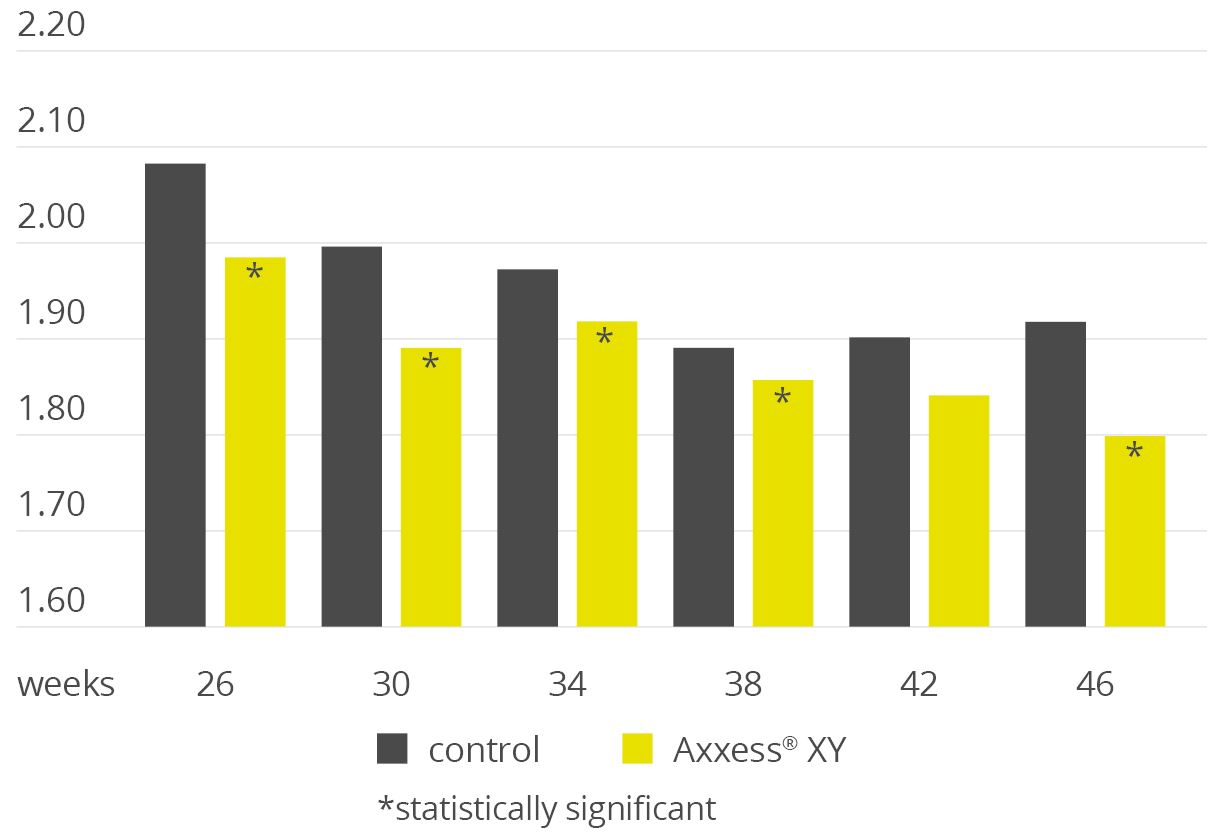
Here is the point of attack for enzymes that enable a complete nutrient utilization: Making these substances available for the animals increases the energy content of the diet and, in the end, improves FCR. An example for laying hens receiving wheat-based diets can be found in Figure 2: Axxess XY, a xylanase, significantly improved feed utilization by the hens.

Figure 2: FCR in layers receiving Axxess XY, compared to control group (kg feed / kg egg mass)

1.3 Antioxidants maintain energy content of the diet

Corn Distiller’s Dried Grains with Solubles (DDGS), a by-product of corn distillation processes, are used as an alternative to corn. In DDGS, the starch content is removed, but fat is concentrated, reaching about three times the fat level of corn. This is the reason why the energy content in DDGS and corn is similar. This makes DDGS an attractive ingredient for monogastric diets; however, fat,  especially at hot temperatures in the summer, can be oxidized. The resulting rancidity and the accompanying destruction of vitamins, pigments, and amino acid leads to a decrease in the diet’s bioavailability and energy content and to poor feed conversion.

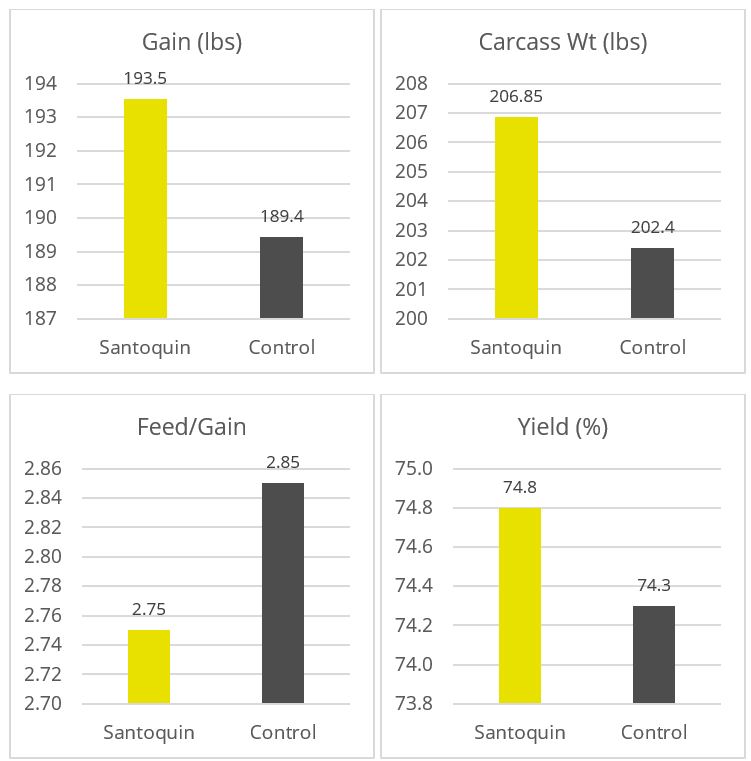
The use of antioxidants can stabilize DDGS and other fatty ingredients in the feed, maintaining nutrient integrity and availability. Figure 3 shows the performance benefits of using antioxidant product Santoquin in pork finisher diets in the USA containing 30% of DDGS.

Figure 3: Performance results for pigs receiving Santoquin (trial with Midwest pork producer)

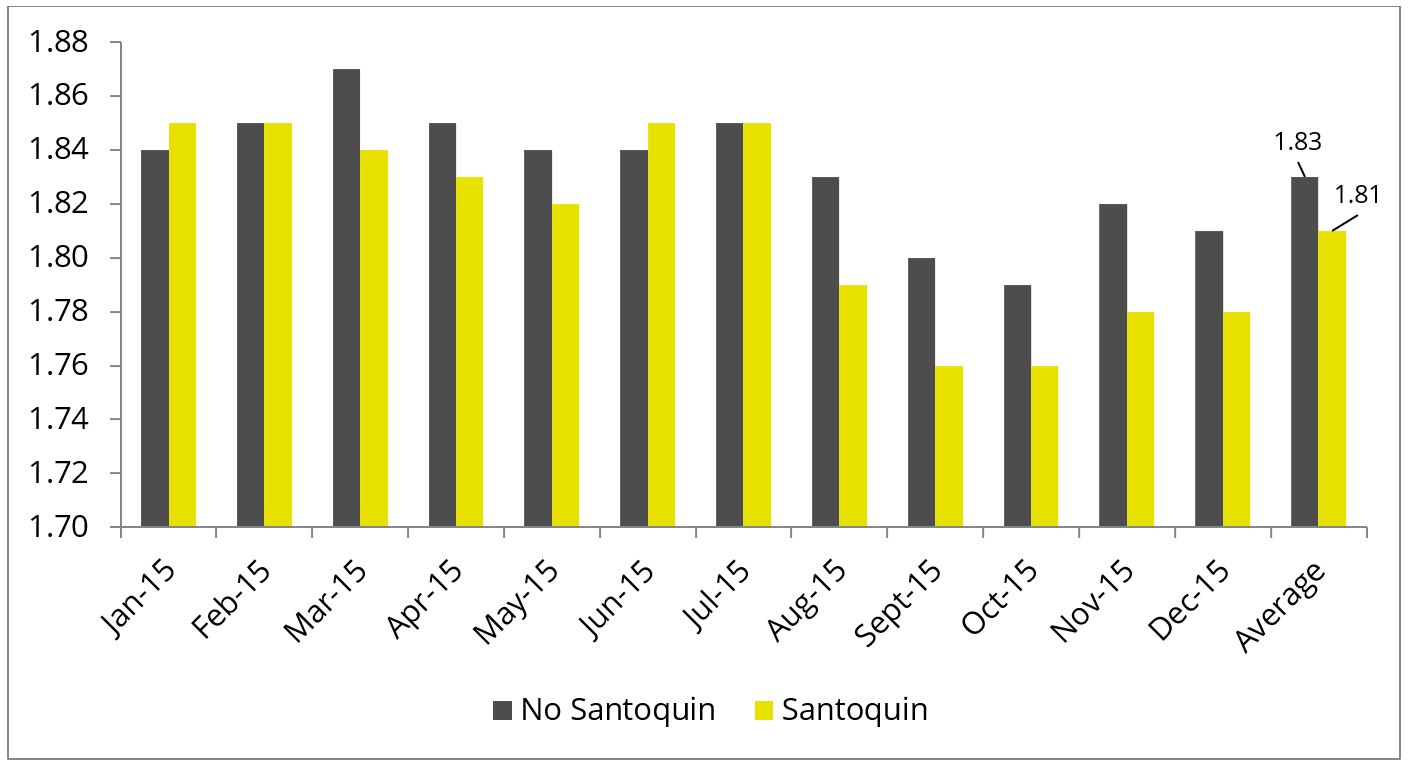
In  poultry production, the use of DDGS is not as common as in swine. Antioxidants, however, can still help to protect the nutrients, maintain the energy content and improving FCR. The results from an extensive 2015 field study for broilers fed a diet without DDGS (shown in Figure 4) showed a net ROI of 6.7 to 1.

Figure 4: FCR in broilers receiving Santoquin, compared to non-supplemented control group

1.4 Organic acids improve intestinal processes

Organic acids, or acidifiers, can improve the gut microbiome, feed utilization, and gut health in production animals. The gut microbiome balance is aided by lowering the population of pathogenic bacteria susceptible to low pH, such as E. coli, Salmonella, and Clostridium.

Organic acids also directly attack pathogens by entering bacterial cells and changing the internal pH. Commensal bacteria such as Lactobacilli and Bifidobacteria survive as they can tolerate lower pH conditions. As pathogens constitute nutrient competitors, eliminating them improves gut health, which, is the most important precondition for optimal nutrient utilization.

The acidifying effect of organic acids furthermore favors digestion and nutrient utilization: for example, for weaned piglets that not able to produce enough HCl in the stomach, a low stomach pH is important for the activation of the proteolytic enzyme pepsin. Besides a non-optimal use of nutrients, undigested protein arriving in the intestine leads to the proliferation of undesired pathogens, decreasing health and performance.

Organic acids, therefore, improve FCR directly, by promoting nutrient utilization through the stimulation of enzymes, and indirectly, by enhancing gut health.

2. Improving feed quality

Feed quality is not only a question of raw material quality. Feed additives play an important role in ensuring feed safety and enabling optimal utilization by the animal.

2.1 Mold inhibitors preserve the feed’s value

Molds reduce the nutrient and energy content of the feed (table 1) and have a negative impact on animals’ growth performance (table 2). Active water is the crucial point for mold growth. Compared to bacteria, which need about 0.90 – 0.97 Aw (active water), most molds require only 0.86 Aw.

Mold inhibitors contain different ingredients. Surfactants bind the free water, so that the moisture of the feed persists, but the active water important for molds is reduced. Organic acids, as already mentioned before, have antifungal properties. Together, they reduce molds and prevent the degradation of energy in the feed.

Table 1: Nutrient loss in corn infested with molds

Table 2: Comparison of 28-day-old chicks performance fed not-infested and molded corn


2.2 Mitigating the negative impact of mycotoxins

Mycotoxins contamination of grains can occur in the field, during raw material harvesting, transportation, storage, handling, and even during feed processing and storage. By mitigating the negative effects of mycotoxins – such as gut and liver inflammation, kidney degeneration or reproductive disorders – the animals’ health and performance can be maintained. In today’s contamination scenarios, it is absolutely necessary to use products that adsorb mycotoxins and contain their harmful impact on animals.

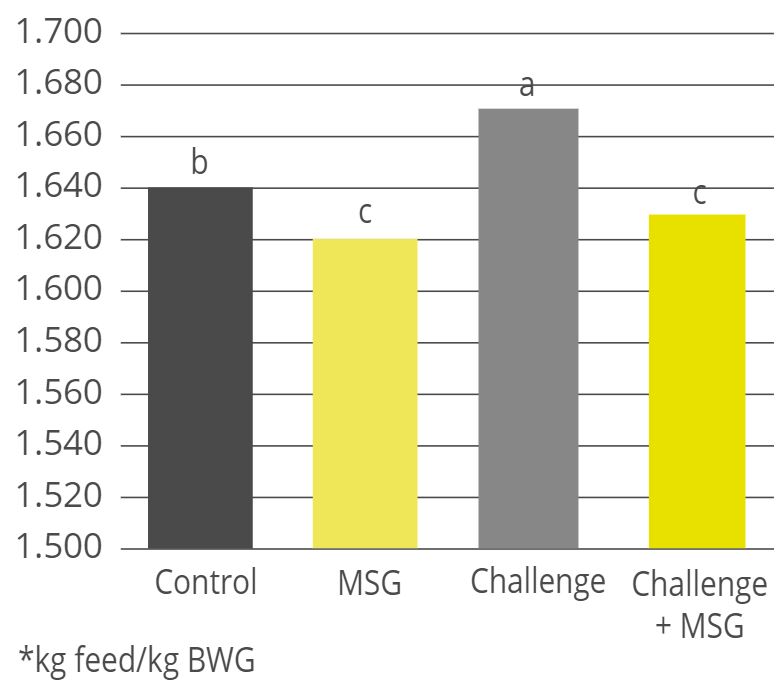
The effectivity of such products in animals is crucial. Table 3 shows an optimal experimental design and Figure 5 shows the results of its application: a total recovery of the performance pays off.

Table 3: Trial design, impact of Mastersorb Gold on broilers challenged with zearalenone and DON-contaminated feed

Figure 5: Average FCR for broilers, with or without zearalenone and DON challenge, with or without Mastersorb Gold supplementation

2.3  Surfactants for microbiological control and high pellet quality in the feed mill

Moisture is important. Too dry feed results in poor palatability and digestibility, and lower pellet quality. Also moisture loss has a direct impact on production and profitability.

The use of surfactants, makes it possible to bind the moisture to the feed, reaching a larger contact surface between water and feed particles, and improving starch gelatinization and pelleting efficiency. The improvement in starch gelatinization leads to a higher pellet quality, a lower proportion of fines and a higher content of metabolizable energy.

Moreover, moist steam has a better antimicrobial effect than dry steam, leading to lower fungal and bacterial growth and preventing the production of toxins. The pelleting temperature can also be lower, protecting the nutrients.

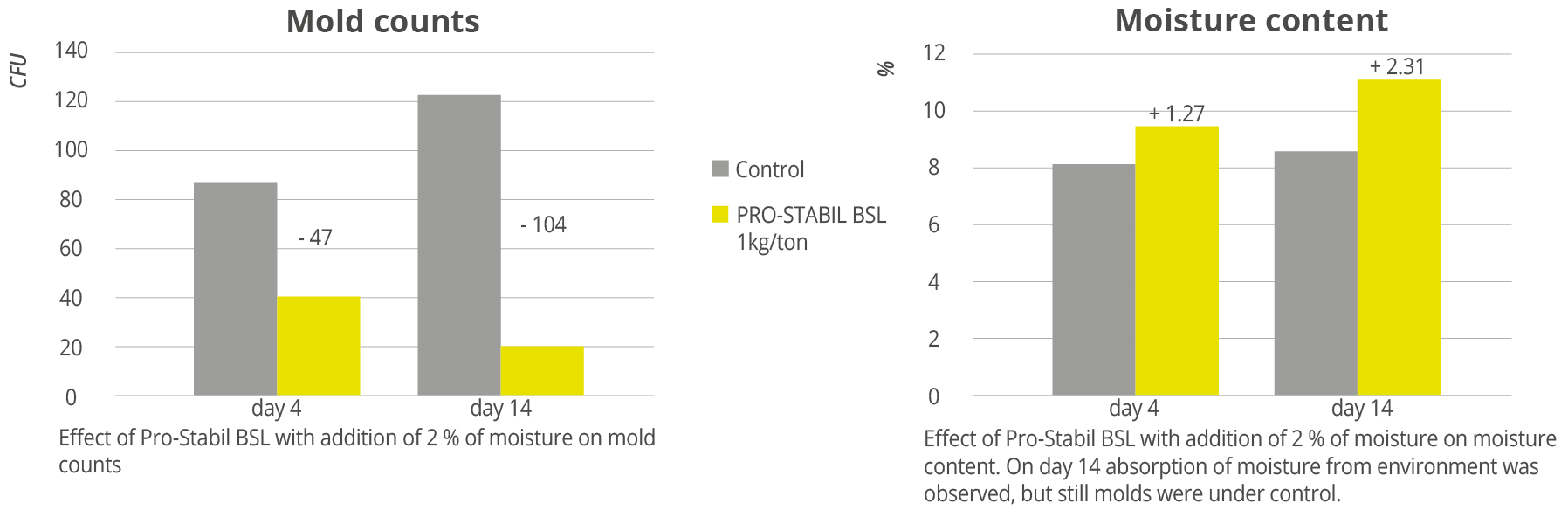
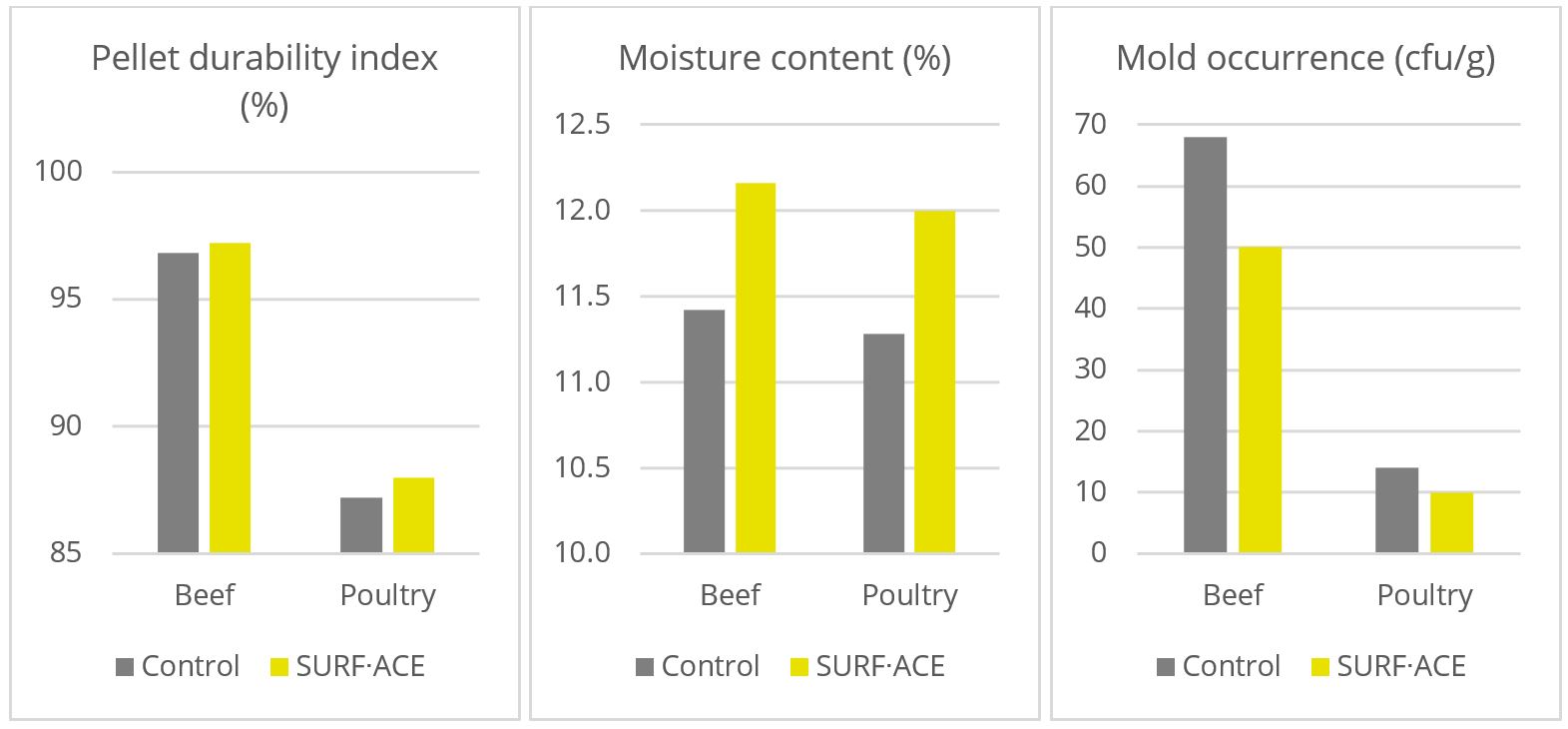
Figure 6 shows how the use of SURF•ACE, a synergistic blend of organic acids and surfactants, improves pellet durability, moisture content, and mold occurrence for beef and poultry pellet feed.

Figure 6: Improvements in pellet durability, moisture content and mold through using SURF•ACE

3.   Using feed alternatives in ruminants – partial replacement of protein feed by urea

Ruminal bacteria are able to synthesize amino acids and, subsequently, generate a high-quality protein out of acid amides, a group of non-proteins occurring during the synthesis and degradation of proteins. What they require to do this is enough energy, minerals, and trace elements available in the feed (Weiß et al., 2011). When the bacteria arrive in the abomasum and in the small intestine they, or rather their proteins, are degraded by enzymes together with the undegradable rumen protein into useful amino acids.

With the aid of ruminal microbes, ruminants therefore partly cover their protein requirement through non-protein nitrogen. The most well-known is urea. It is critical that the urea given to animals has a degradation rate similar to other energy sources the animal consumes. Otherwise, there will be an imbalance between the quantity of usable nitrogen and the energy required for microbial protein synthesis: The urea accumulates in the rumen, becoming toxic for the microbiota and creating metabolic disorders.

Special coating technology allows for nitrogen to be released at a rate close to that of protein degradation of the main vegetable protein sources (e.g., soybean meal). This leads to a more constant nitrogen supply for the microorganisms and results in maximal synthesis of microbial protein.

4.   Save costs in the production process

Besides high pellet quality, feed millers seek to maximize production efficiency. Factors contributing to this target are the amount of fines to be reprocessed, the utilization of steam, the pellet throughput and the energy demand. Once more, the moisture of the feed is of decisive importance. Substances can be added to the feed to achieve an optimal moisture content. These substances bind free water by generating an emulsion of dietary fat and the added water.

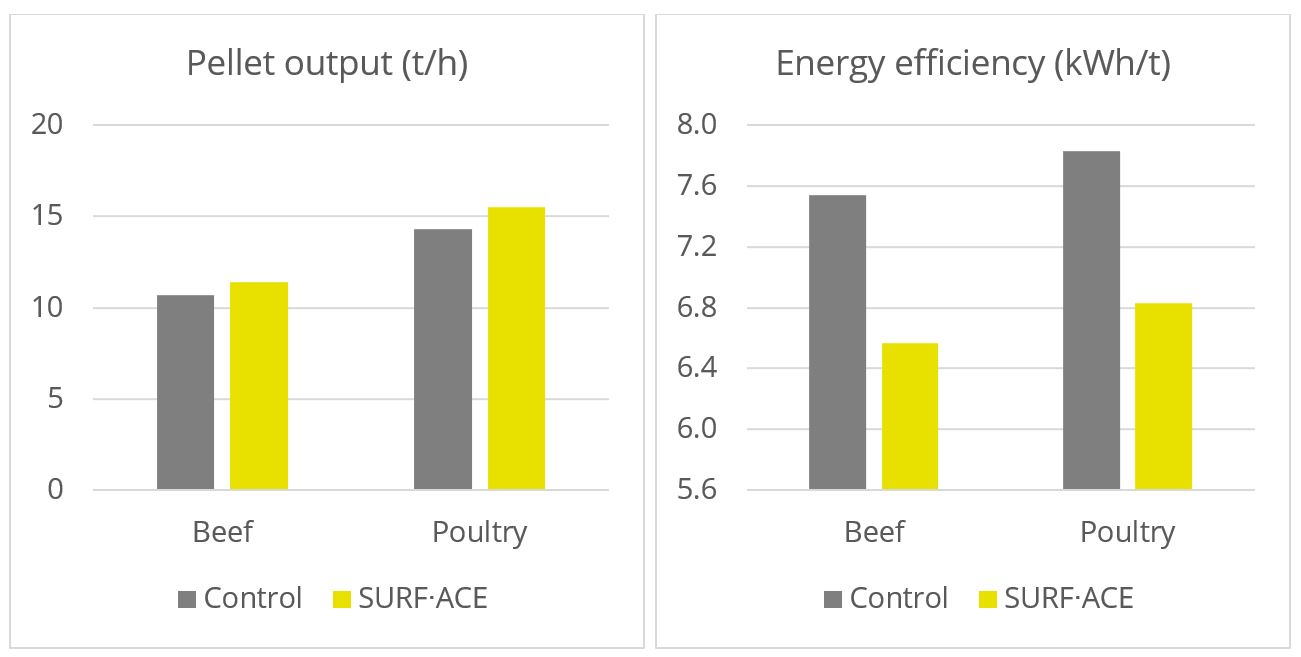
Besides the positive effects on pellet durability, moisture content and mold growth shown above, this leads to a better general lubrication of the machinery: The addition of feed mill processing aid SURF•ACE leads to a 10-15 % lower energy demand or a higher production output without increasing energy consumption (Figure 7), depending on the mill’s requirements. Good machinery lubrication additionally reduces wear and tear, another important dimension of production efficiency

Figure 7: Improvements in pellet output and energy efficiency through using SURF•ACE

Producers can rise to the challenge of rising feed prices

Rising feed costs pose a significant challenge to everyone in animal production. We are all compelled to look for alternatives to optimize the utilization of resources. This firstly involves a critical look at the efficiency of every step in our operations, but also includes utilizing targeted feed additives. Various measures are available for animal producers to optimize feed conversion, improve feed quality, and resort to alternative ingredients. In feed production, tools are on hand to optimize the manufacturing processes, improve feed quality, and make a positive impact on animal performance. Feed price fluctuations will continue to challenge our industry. Still, while tackling short- and medium-term difficulties, we can also strategically build resilience – and take the measures today that will contribute to our long-term ambitions for sustainable and profitable production.


References

Jones, G. “Leistungsstarke Tiere und Verbraucherschutz stehen nicht im Widerspruch – Wirkung eines phytogenen Zusatzstoffs / High-performing livestock and consumer protection are not contradictory – Impact of a phytogenic additive.” Kraftfutter/ Feed Magazine 12 (2001): 468-473.

Mendel, M., Chłopecka, M., Dziekan, N., & Karlik, W. (2017). Phytogenic feed additives as potential gut contractility modifiers—A review. Animal Feed Science and Technology, 230, 30–46. https://doi.org/10.1016/j.anifeedsci.2017.05.008.

Weiß, J.W., S. Granz, W. Pabst. Tierproduktion. Thieme Verlag (2005):155-159.

Zhai, Hengxiao, Hong Liu, Shikui Wang, Jinlong Wu, and Anna-Maria Kluenter. “Potential of Essential Oils for Poultry and Pigs.” Animal Nutrition 4, no. 2 (June 2018): 179–86. https://doi.org/10.1016/j.aninu.2018.01.005.


The Quick Take: Mitigate spikes in Vitamin E costs

vitamin e 3091394 1920

Vitamin E prices have spiked amid production issues and lack of availability. How can you mitigate the increased cost of vitamin E inclusion?

Vitamin E prices often see severe fluctuations caused by raw materials shortages, production or distribution issues, or regulations on some key production ingredients (such as m-cresol anti-dumping rules in China leading to a global price spike some months ago).

SANTOQUIN acts as a preservative for Vitamin E, allowing more of this vitamin to enter the tissue where it exerts its antioxidant effect. In addition, in the presence of selenium, another important cellular antioxidant mineral, SANTOQUIN can help protect or spare the Vitamin E needed for proper cell function.

The Food and Agriculture Organization of the United Nations, FAO, clearly confirms this mode of action: “Dietary deficiencies of vitamins A and E seem to be ameliorated in certain circumstances and ethoxyquin promotes higher levels of vitamin A storage in the liver. Repletion/deletion experiments show that in both monogastric and ruminant animals, a diet containing an anti-oxidant protects fat soluble vitamins throughout ingestion and metabolism. The important benefit of antioxidants most probably lies in their conservation of essential nutrients and their improved utilization by the animal. Altogether too often, it is the practice to use levels of vitamin E far above the animals’ nutrient requirement and the result is economically unfavorable. It has been shown in diets designed for chicken and turkey breeders that ethoxyquin has a vitamin E sparing effect.”


Moisture optimization: How to safeguard feed quality and feed mill efficiency

pellets

by Technical Team, EW Nutrition

In light of climatic challenges, variability in raw material quality and technical constraints, it can be challenging for feed manufacturers to optimize the water content in compound feed.

In combination with high temperatures, too much moisture in feed can favor the growth of mold. Molds spoil feed by depleting energy and nutrients and rendering the feed unpalatable. Even worse, some molds release toxins harm animals’ health and performance. On the other hand, too little moisture in feed has a negative impact on feed digestibility and pellet durability, increasing the level of fines, process loss and energy consumption, while decreasing press yield (Moritz et al., 2002).

In this article, we look at how the right choice of processing aid is key to sustainably boosting feed mill efficiency. A concerted focus on moisture management when preconditioning the mash feed prior to pelleting allows feed producers to reap both economic and feed quality benefits.

Why moisture management requires both surfactants and organic acids

Moisture management starts with monitoring certain indicators. The moisture content measures the total amount of water contained in a substance, usually expressed as a percentage of the total weight. Feed manufacturers track the moisture contents of raw materials, mash feed, and pellets during all processing stages  to optimize quality, yields, and profitability.

For the purpose of preventing mold growth, however, another indicator is even more critical: water activity (aw) is technically defined as the ratio of partial vapor pressure of water in a substance to the partial vapor pressure of pure water under the same temperature and pressure conditions. What this captures is the energy state of water in a substance, i.e. its potential for (bio)chemical activity, including the growth of bacteria, yeasts, and molds. Simply put, microorganisms will usually not grow below a certain water activity level, and the higher the water activity, the higher the chance of microbial growth (Roos, 2003).

Minimum water activity (aw) for growth and toxin production of toxigenic fungi affecting grains
Minimum aw
Fungal species Mycotoxin Growth Toxin production
Aspergillus flavus Aflatoxin 0.78 – 0.84 0.84
Aspergillus parasiticus 0.84 0.87
Aspergillus ochraceus Ochratoxin 0.77 0.85
Penicillium aurantiogriseum 0.82 – 0.85 0.87 – 0.90
Penicillium viridicatum 0.80 – 0.81 0.83 – 0.86
Aspergillus ochraceus Penicillic acid 0.77 0.88
Penicillium aurantiogriseum 0.82 – 0.85 0.97
Penicillium patulum Patulin 0.81 0.95
Penicillium expansum 0.82 – 0.84 0.99
Aspergillus clavatus 0.99
Fusarium verticillioides Fumonisins 0.88 0.93
Fusarium proliferatum 0.88 0.93

Adapted from Magan, Aldred, and Sanchis (2004)

Can we condition feed with pure water?

Why does this matter? The intense friction during grinding and mixing results in heat; subsequently, moisture from the mash feed is lost in the form of vapor. These losses need to be mitigated, when the feed is too dry, the milling equipment cannot function optimally and the pellet quality deteriorates. However, simply adding water does not work well: Pure water does not readily bind to the feed; it effectively “sits on top” of the feed surface, increases the feed’s water activity and thus becomes a perfect substrate for microbial growth. Plus, pure water steam largely evaporates again when the feed is cooled.

Surfactants

Hence, at the conditioning phase, it is critical to add surfactants to the hydrating solution. Surfactants change the way water behaves: by reducing the surface tension of water, they enable the feed particles to absorb the water and ensure that it is evenly distributed throughout the feed. There are numerous beneficial effects as improved moisture retention

  • facilitates the starch gelatinization during conditioning (important for pellet digestibility and durability),
  • minimizes feed shrinkage at the cooling stage,
  • reduces friction and hence the energy required for the pellet die (improving milling efficiency), and
  • curbs microbial growth by reducing water activity.

While surfactants contribute to mold control, feed manufacturers also require the help of organic acids to optimize the moisture content in feed while reliably preventing mold (re)contamination hazards along the distribution chain.

Organic acids

Let us consider how the most effective one, propionic acid, works: In its non-dissociated state, propionic acid has all its hydrogen ions attached to the molecule. Once it enters a mold cell, the propionic acid dissociates, meaning the hydrogen ions separate from the molecule. They reduce the intracellular pH in the mold cell and inhibit its metabolic pathways, ultimately leading to cell death (Smith et al., 1983).

Common feed ingredients such as soybean meal, maize, wheat, barley, and dehulled oats are often stored for several months. Given variable and likely challenging temperature, oxygen, and moisture conditions, their water activity levels can easily escalate (Mannaa and  Kim, 2017) – rendering the long-lasting anti-fungal activity of targeted organic acid preconditioning even more important.

SURF•ACE: Improve mill performance and pellet quality

A synergistic blend of organic acids and surfactants can achieve the objective of adding moisture without risking either the subsequent loss of moisture during cooling or the development of mold. This is the working principle behind SURF•ACETM feed mill processing aid, carefully formulated to best achieve the dual objective of higher feed quality and higher production efficiency. This objective is achieved in concordance with optimal resource use and lower energy requirements, thus also contributing to the feed industry’s environmental commitments.

Improved press yield

The effect of adding SURF•ACE to diets with increasing levels of fat were evaluated at more than 40 feed mills, with production capacities ranging from 5 to 20 tons per hour, under identical electricity consumption conditions. The results show that the addition of SURF•ACE to the preconditioning solution increases press throughout (t/h), relative to pure water preconditioning, by between 9 and 23 %, depending on how much preconditioning solution is applied and the level of fat in the diet:

Addition of SURF•ACE increases press throughput

*Including large volumes of hydrating solution in high-fat diets might adversely affect the durability values of the feed


What is the role of fat in this scenario? Dietary fat acts as a lubricant between the feed and the pellet die, reducing the pressure within the die. The higher the percentage of fat included in the mixer, the lower the energy required to process the mash (Pope, Brake, und Fahrenholz, 2018). The surfactants contained in SURF•ACE have an emulsifying effect; they help bind water to the fat element of the feed. The emulsion of water and fat “behaves” like fat, improving the lubrication of press and generating a higher throughput for the same electricity consumption.

Higher pellet quality

Importantly, adding SURF•ACE does not negatively affect pellet durability, a common issue in high-fat diets (Moritz et al., 2003). On the contrary, it enhances pellet durability as more crystal starch becomes gelatinized. This translates into improved results for Holmen pellet durability testing:

Addition of SURF•ACE improves pellet durability

Pellets need to withstand significant pneumatic handling, for example, during bagging and transport, and in the feed lines. The Holmen durability tester simulates this handling, and calculates the percentage of fine generated, expressed as a pellet durability index (PDI). Across six different poultry compound feed types, SURF•ACE improves pellet quality and thus the PDI. Fewer fines equate to less reprocessing for feed manufacturers and higher palatability for animals.

The next level in compound feed production

Achieving optimal moisture levels in compound feed is a complex balancing act involving technical constraints, raw material variability, microbial challenges, and the price pressures of competitive feed markets. Feed mills generally operate within a particular comfort zone, a throughput and quality level at which they minimize production problems. Thanks to its dual surfactant and preservative effects, SURF•ACE feed mill processing aid expands the comfort zone in two dimensions: From an economic point of view, the improved lubrication gives mills the choice of either pushing their performance levels closer to their equipment’s potential capacity or achieving the same results at lower electricity use. From a feed quality angle, effective mold prevention and improved pellet quality allow for safer, more palatable feed – and from there we come full circle, to safe, nutritious food for all of us.

References

Magan, Naresh, David Aldred, and Vicente Sanchis. “The Role of Spoilage Fungi in Seed Deterioration.” Essay. In Fungal Biotechnology in Agricultural, Food, and Environmental Applications, edited by Dilip K. Arora, 311–23. New York: Marcel Dekker, 2004.

Mannaa, Mohamed, and Ki Deok Kim. “Influence of Temperature and Water Activity on Deleterious Fungi and Mycotoxin Production during Grain Storage.” Mycobiology 45, no. 4 (2017): 240–54. https://doi.org/10.5941/myco.2017.45.4.240.

Moritz, J. S., K. J. Wilson, K. R. Cramer, R. S. Beyer, L. J. McKinney, W. B. Cavalcanti, and X. Mo. “Effect of Formulation Density, Moisture, and Surfactant on Feed Manufacturing, Pellet Quality, and Broiler Performance.” Journal of Applied Poultry Research 11, no. 2 (2002): 155–63. https://doi.org/10.1093/japr/11.2.155.

Moritz, J. S., K. R. Cramer, K. J. Wilson, and R. S. Beyer. “Feed Manufacture and Feeding of Rations with Graded Levels of Added Moisture Formulated to Different Energy Densities.” Journal of Applied Poultry Research 12, no. 3 (October 1, 2003): 371–81. https://doi.org/10.1093/japr/12.3.371.

Pope, J. T., J. Brake, and A. C. Fahrenholz. “Post-Pellet Liquid Application Fat Disproportionately Coats Fines and Affects Mixed-Sex Broiler Live Performance from 16 to 42 d of Age.” Journal of Applied Poultry Research 27, no. 1 (March 1, 2018): 124–31. https://doi.org/10.3382/japr/pfx054.

Roos, Y. H. “WATER ACTIVITY | Effect on Food Stability.” Essay. In Encyclopedia of Food Sciences and Nutrition Second Edition, edited by Luiz Trugo and Paul M. Finglas, 6094–6101. Cambridge, MA: Academic Press, 2003.

Smith, Philip A., Talmadge S. Nelson, Linda K. Kirby, Zelpha B. Johnson, and Joseph N. Beasley. “Influence of Temperature, Moisture, and Propionic Acid on Mold Growth and Toxin Production on Corn.” Poultry Science 62, no. 3 (1983): 419–23. https://doi.org/10.3382/ps.0620419.


Feed hygiene in animal nutrition is vital – and organic acids help achieve it

pellet production

by  Technical Team, EW Nutrition

Feed safety is essential for animal health and performance – and food safety. Inadequate feed sanitization is still a problem across the globe. It impacts not only the feed industry and animal producers but also puts workers and consumers at risk of being exposed to harmful substances.

Developing a hygiene program for the whole feed chain needs to include proper monitoring of microbial growth, as well as feed processing methods that prevent feed contamination and enable decontamination. This article outlines the importance of feed hygiene and focuses on how organic acids help reduce contamination from “farm to fork”.

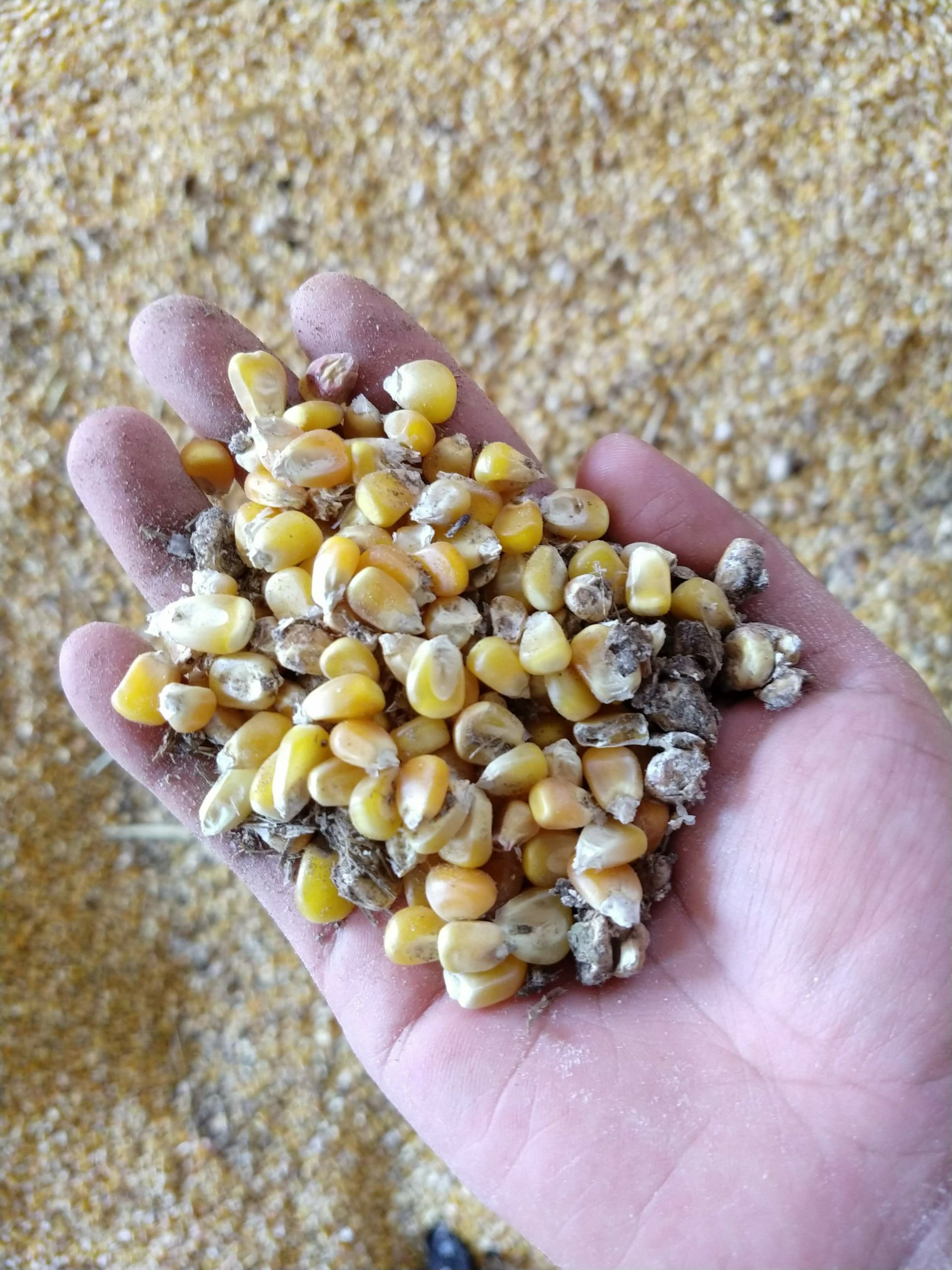
Corn is often contaminated with Aspergillus fungi that can produce poisonous mycotoxins

How to achieve feed hygiene

Feed hygiene requires the control of microorganisms throughout the feed production chain. However, producers or retailers can rarely certify or verify feedstuffs’ safety due to the wide range of potential microbial contamination agents and hazards encountered in different feed environments (den Hartog, 2003). The relationship between feed and microorganisms varies, depending on the conditions: feed can transport pathogenic microorganisms and thus directly transmit disease; likewise, microorganisms can also be responsible for feed spoilage and thereby indirectly cause issues (Baer, Miller, and Dilger, 2013).

Since its foundation, the World Organization for Animal Health (OIE) has established standards, guidelines, and recommendations for toxin risk management, including for microorganisms that are transmissible via feed. Recurring outbreaks of Salmonella, Escherichia coli, and other familiar Enterobacteriaceae are a key concern for animal health professionals and the feed industry (Elsayed et al., 2021). However, as factors ranging from climate change to genetic mutations come into play, feed producers are working with moving targets; some of the most significant issues they might face tomorrow are unknown today. There are no easy solutions to these multifactorial problems – but in any case, corrective measures need to include quality control and quality assurance for assessing and managing the pathogenic and microbial risk situation.

To improve animal productivity sustainably, producers regularly experiment with modifying production techniques, innovating feed formulations, but also exploring new ingredients. The inclusion of new ingredients such as animal proteins, oils, and fermented products, among others, heightens the need for strict feed quality monitoring (Truelock et al., 2020). New ingredients come with causative agents of feedborne illnesses, some of which might be unknown (Goodarzi Boroojeni et al., 2016). Therefore, feed and animal producers need to consider how feed changes impact feed safety and include these hazards in their planning and risk assessments.

Better feed hygiene is crucial

For any animal production, feed processing constitutes the most crucial part of feed hygiene management, as it covers all treatments of the feed before ingestion. It is referred to as “hydrothermal processing” due to the use of heat that is required to kill most of the pathogens in raw materials, feedstuffs, and compound feed (Jones, 2011). However, whether or not hydrothermal processing will effectively eliminate a given pathogen depends on its heat resistance. Moreover, factors such as the type of feed components involved and water activity levels also need to be considered to reduce microbial pressure (Doyle and Mazzotta, 2000).

The new generation of feed milling equipment – besides elevating feed costs – can also improve feed quality (Truelock et al., 2020). These technologies tend to enhance feed stability and hygiene by modifying the physicochemical properties of the ingredients. This improves the absorption of nutrients, thereby enabling a higher feed intake efficiency with positive results for animal performance (Abdollahi, Svihus, and Ravindran, 2013). However, while increasing processing time at a given temperature can lead to a better decontamination process, it can also negatively affect some nutrients’ dynamics. This includes enzymes, proteins, minerals, vitamins, fiber and starch, and especially non-starch polysaccharides (Goodarzi Boroojeni et al., 2014).

Organic acids as a solution of feed hygiene risk management

Hence, while significant progress in feed science and feed production technology has already been made, researchers and the industry are still searching for alternative approaches to supporting feed hygiene (Goodarzi Boroojeni et al., 2016). Organic acids are a central research field as they offer promising antimicrobial properties. In combination with feed mill techniques, they already play an essential role in feed preservation (Brul et al., 2002). Despite their efficacy in inhibiting microbial growth, weak organic acids are safe to handle (especially when they are buffered) compared to inorganic acids.

In addition to their preservative effect in feed, it has been shown that organic acids can support gut health. They are not just antimicrobial agents but also acidifiers that display their impact in the stomachs of monogastric animals (Tugnoli et al., 2020).

A combined solution for microbial contamination challenges

To support the feed industry and animal production in light of feed safety challenges in AGP-free production, EW Nutrition focuses research efforts on maximizing the beneficial effect of organic acids. The ACIDOMIX range of products supports the stabilization of the gastrointestinal microflora, inhibiting pathogenic bacterial growth in feed and water. Acidomix is an efficient acidifier specially formulated to have strong antimicrobial effects applicable in feed hygiene programs. Various powder and liquid solutions offer a wide range of benefits:

  • Strong antimicrobial effect, supporting the prevention of bacterial infections
  • Reducing the incidence of dysbiosis
  • Acidifying the feed and digestive tract
  • Supporting the improvement of production performance
  • Preventing feed re-contamination
  • Flexible application


Feedstuffs and compound feed are at risk of contamination and re-contamination throughout the feed production chain: processing, transportation, delivery, storage, and on-farm. Thus, a holistic and integrated approach that includes optimized feed mill processing and customized organic acids is required to improve the feed’s hygiene status. The positive effects are clear: feed producers benefit economically, animal producers reap the effects of improved animal health and performance, and people get to enjoy producing and consuming safe and nutritious food.

References

Abdollahi, M R, B Svihus, and V Ravindran. 2013. “Pelleting of Broiler Diets: An Overview with Emphasis on Pellet Quality and Nutritional Value.” Animal Feed Science and Technology 179 (1–4): 1–23. https://doi.org/10.1016/j.anifeedsci.2012.10.011.

Baer, Arica A, Michael J Miller, and Anna C Dilger. 2013. “Pathogens of Interest to the Pork Industry: A Review of Research on Interventions to Assure Food Safety.” Comprehensive Reviews in Food Science and Food Safety 12 (2): 183–217. https://doi.org/10.1111/1541-4337.12001.

Brul, Stanley, Peter Coote, Suus Oomes, Femke Mensonides, Klaas Hellingwerf, and Frans Klis. 2002. “Physiological Actions of Preservative Agents: Prospective of Use of Modern Microbiological Techniques in Assessing Microbial Behaviour in Food Preservation.” International Journal of Food Microbiology 79 (1–2): 55–64. https://doi.org/10.1016/s0168-1605(02)00179-4.

Doyle, M Ellin, and Alejandro S Mazzotta. 2000. “Review of Studies on the Thermal Resistance of Salmonellae.” Journal of Food Protection 63 (6): 779–95. https://doi.org/10.4315/0362-028x-63.6.779.

Elsayed, Mohamed Sabry Abd Elraheam, Awad A Shehata, Ahmed Mohamed Ammar, Tamer S Allam, and Reda Tarabees. 2021. “The Beneficial Effects of a Multistrain Potential Probiotic, Formic, and Lactic Acids with Different Vaccination Regimens on Broiler Chickens Challenged with Multidrug-Resistant Escherichia Coli and Salmonella.” Saudi Journal of Biological Sciences. https://doi.org/10.1016/j.sjbs.2021.02.017.

Goodarzi Boroojeni, Farshad, Birger Svihus, Heinrich Graf von Reichenbach, and Jürgen Zentek. 2016. “The Effects of Hydrothermal Processing on Feed Hygiene, Nutrient Availability, Intestinal Microbiota and Morphology in Poultry—A Review.” Animal Feed Science and Technology 220: 187–215. https://doi.org/10.1016/j.anifeedsci.2016.07.010.

Den Hartog, Johan den. 2003. “Feed for Food: HACCP in the Animal Feed Industry.” Food Control 14 (2): 95–99. https://doi.org/10.1016/S0956-7135(02)00111-1.

Jones, Frank T. 2011. “A Review of Practical Salmonella Control Measures in Animal Feed.” Journal of Applied Poultry Research 20 (1): 102–13. https://doi.org/10.3382/japr.2010-00281.

Truelock, Courtney N, Mike D Tokach, Charles R Stark, and Chad B Paulk. 2020. “Pelleting and Starch Characteristics of Diets Containing Different Corn Varieties.” Translational Animal Science 4 (4): txaa189. https://doi.org/10.1093/tas/txaa189.

Tugnoli, Benedetta, Giulia Giovagnoni, Andrea Piva, and Ester Grilli. 2020. “From Acidifiers to Intestinal Health Enhancers: How Organic Acids Can Improve Growth Efficiency of Pigs.” Animals 10 (1): 134. https://doi.org/10.3390/ani10010134.

Goodarzi Boroojeni, F., W. Vahjen, A. Mader, F. Knorr, I. Ruhnke, I. Röhe, A. Hafeez, C. Villodre, K. Männer, and J. Zentek. “The Effects of Different Thermal Treatments and Organic Acid Levels in Feed on Microbial Composition and Activity in Gastrointestinal Tract of Broilers.” Poultry Science 93, no. 6 (June 1, 2014): 1440–52. https://doi.org/10.3382/ps.2013-03763.


From sub-acute ruminal acidosis to endotoxins: Prevention for lactating cows

udder 562980 1920 pixabay

by Technical Team, EW Nutrition

Sub-acute acidosis (SARA) is linked to high levels of ruminal LPS. The LPS cause inflammation and contribute to different metabolic conditions and diseases. Various strategies and solutions can be applied to modulate the rumen microbiota and prevent this risk.

lactating cows

In sub-acute rumen acidosis (SARA), the quantity of free lipopolysaccharides (LPS) coming from Gram- bacteria increases considerably. These LPS cross the ruminal wall and intestine, passing into the bloodstream. The negative consequences on the health of the animal are then reflected in decreased productive and reproductive performance.

The LPS are released during the lysis of GRAM- bacteria which die due to the low pH, and these bacteria are mainly responsible for the production of propionic acid for the energy yield that is obtained. It is essential to preserve ruminal balance between Gram+ and Gram- such that there is no excess of LPS.

Nutritional needs of lactating cows with SARA

In the first phase of lactation (from 1 week after calving to 80 – 100 days of lactation), the cow needs a high energy level to meet the large demand for milk production. This energy demand is often not fully satisfied and feed intake falls short. This deficit leads to the need to provide as much energy as possible per feed ration.

Imagine a 650 kg live weight cow, producing about 35 kg of milk per day with a fat percentage of 3.7 and a protein percentage of 3.2. To achieve this production level and fulfill its maintenance requirements, this animal needs a feed intake of 22 kg of dry matter (DM) per day, with an energy level of 21 UFL equal to 36,000 Kcal/day of NE l (Net Energy Lactation)).

To obtain an energy supply of this type, it is necessary to provide rations with a high content of cereals rich in nonstructured carbohydrates (NSC). This will allow the animals to obtain the maximum efficacy in getting the NE I from the metabolizable energy  (ME) expressed as kl*.

*kl expresses the effectiveness in passing from EM to EN l net of the heat dissipated by the animal, therefore kl = ENl/EM (Van Es 1978).

Compared to a diet rich in NDF (Neutral Detergent Fiber), this type of diet promotes and stimulates certain strains of bacteria to the detriment of others, shifting the balance towards a greater population of bacteria that produce propionic acid instead those which produce acetic acid. This change also determines a greater share of Gram- compared to Gram+.

What is rumen acidosis?

Rumen acidosis is that “pathology” whereby the volume of SCFA (Short Chain Fatty Acids) produced by the rumen bacteria is greater than the ability of the rumen itself to absorb and neutralize them. Rumen acidosis is mainly caused by the amylolytic and saccharolytic bacteria (Streptococcus bovis; Selenomonas ruminantium, Bacteroides amylophilus, Bacteroides ruminicola and others) responsible for the production of lactic acid. Unlike the other most representative volatile fatty acids (acetic, butyric and propionic), lactic acid has a lower pKa: 7 (3.9 versus 4.7). This means that for the same amount of molecules produced, lactic acid releases a number of ions H+ in the fluid ten times greater than other VFAs, with evident effects on the pH.

Ruminal acidosis can be characterized as acute or subacute. During acute ruminal acidosis, the pH in the rumen drops below 4.8 and remains low for an extended period of time. Acute acidosis leads to complete anorexia, abdominal pain, diarrhea, lethargy, and eventually death. However, the prevalence of acute acidosis in dairy is very low.

Consequences of rumen acidosis

In such situations, a series of negative consequences can be triggered in the lactating cow. Investigations (for instance, using fistulated cows) can reveal, among others, the following alteration in the rumen:

  • Shift in total microbiome rumen profile (density; diversity; community structure)
  • Shift in protozoa population (increase in ciliates protozoa after 3 weeks of SARA; increase in the GNB population)
  • Shift in fungi population (decreasing the fungi population with high fibrolytic enzymes, which are sensitive to low pH)
  • Rise in LPS rumen concentration (increasing the GNB strain and their lysis)
  • Influence on the third layer of Stratified Squamous Epithelium (SSE) (desmosomes and tight junctions)
  • Lower ruminal fiber degradation (reduction in the number of cellulolytic bacteria which are less resistant to acid pH)
  • Reduction of the total production of fatty acids (propionic, acetic, butyric), therefore less available energy
  • Lower rumen motility (also as a consequence of the smaller number of protozoa)
  • The increased acid load damages the ruminal epithelium
  • Acid accumulation increases the osmotic pressure of the rumen inducing an higher flux of water from the blood circulation into the rumen, causing swelling and rupture of rumen papilla as well as a greater hemoconcentration

The last points are extremely important, as it enables an easier passage of fluids from the blood to the pre-stomachs, greatly influencing the fermentation processes.

Furthermore, with diets low in NDF, the level of chewing and salivation is certainly lower, with a consequent lower level of salivary buffers that enter the rumen and which would maintain an appropriate pH under normal conditions.

Rumen sub-acute and acute acidosis: a fertile ground for LPS

Studies inducing SARA in dairy cows have shown that feeding high levels of grain causes the death and cell lysis of Gram- bacteria, resulting in higher concentration of free LPS in the rumen. In a trial conducted by Ametaj et al., in 2010 (Figure 1), a lower ruminal pH and an increase in the concentration of LPS in the rumen fluid -measured as ng / ml (nanograms / milliliter)-, was the result of increasing of NSC present in the diet (% of grains).

Rumen endotoxins
Figure 1. The increase in the level of endotoxins in the rumen is directly correlated with an increase in ration concentrates


In the rumen, the presence of Gram- is very significant, however the dietary changes towards high energy concentrates, reduce the substates necessary for them to thrive, leading to their lysis and favoring gram-positive bacteria (Gram+). Gram+ also produce bacteriocins against a wide variety of bacteria, including many Gram-. Figure 2 shows the influence of ruminal pH in the population of different bacteria, many of which are are crucial for the production of SCFA and therefore of energy. 

Gram bacteria influenced by pH
Figure 2. Activity of main bacteria in the rumen in function of pH (Daniele Cevolani Edizioni Agricole di New Business Media srl 2020)


It is therefore necessary to pay close attention to the energy level of the ration as an energy input (generally around 1500 – 1700 Kcal/kg of DM intake). At the same time, we need to ensure that the animal does receive and ingest that daily amount of DM. If ingestion is negatively influenced by acidosis (clinical or sub-clinical), this can lead to endotoxemia, with harmful consequences for the animal’s health and production performance.

We can therefore note that the level of LPS (endotoxins) present in the rumen is directly correlated with the pH of the rumen itself and with a symptomatologic picture dating back to SARA. This occurs when the mortality and lysis of Gram- bacteria (GNB) is high and through the consequent imbalance created with diets containing excess fermentable starches, compared to diets with higher fiber content.

In fact, it was shown that the transition from a concentrated fodder ratio of 60:40 to a more stringent ratio of 40:60 caused the level of free LPS in the rumen to go from 410 to 4.310 EU / ml.

Endotoxemia: Pathological consequences in dairy cows

Once the LPS enter the bloodstream, they are transported to the liver (or other organs) for the detoxification. However, sometimes this is not enough to neutralize all the endotoxins present in blood. The remaining excess can cause issues such as the modification of the body’s homeostasis or cause that cascade of inflammatory cytokines responsible for the most common pathologies typical in cows in the first phase of lactation. The most common symptoms are the increase of somatic cells in milk or claws inflammation.

Pro-inflammatory cytokines as TNF, IL6 and IL8 induced by LPS-related inflammation are able to stimulate the production of ACTH (adrenocorticotropic hormone).

ACTH, together with cortisol and the interleukins, inhibit the production of GnRH and LH, with serious effects on milk production. The productivity and the fertility of the animal are thus compromised.

Moreover, prostaglandins are as well stimulated by LPS, and are linked with fever, anorexia and ruminal stasis. This not only limits the amount of energy available for production and maintenance functions, but also induces a higher susceptibility to disease and adds-up to the emergence of other metabolic conditions, such as laminitis and mastitis.

Preventing rumen acidosis

The solution to these massive risks is a prudent and proactive approach by the nutritionist towards all situations that can cause a rapid increase of Gram- in the rumen. It is therefore necessary to avoid cases of clinical and sub-clinical acidosis (SARA) in order to avoid the issues listed above. This would also help avoid stressful conditions for the animal that would lead to decreased performance and health.

To maintain balance and a healthy status of the animal, the use of additives such as phytomolecules and binders is suggested in the first phase of lactation, starting from 15 days before giving birth.

Activo Premium (a mix of phytogenic substances) has given excellent results in decreasing the acetic/propionic acid ratio, while safeguarding the population of Gram+ bacteria. This is in contrast to treatments with ionophores, which, as is well known, interfere with the Gram+ population.

Case study. Acetic acid:propionic acid ratio with Activo Premium

In a study conducted at the the University of Lavras and the Agr. Res. Comp. of Minas Gerais (both Brazil), 30 Holstein cows were allocated to two groups considering parity and milk production. One group was fed the standard feed (control), the other group received standard feed containing 150mg of Activo Premium/kg of dietary dry mass (DM). The following parameters were measured or calculated: intake of DM and milk production, milk ingredients such as fat, protein, lactose every week, body weight and body condition score every two weeks, and ruminal constituents (ph and SCFAs) through oesophaeal samples at day 56.

Activo Premium was able to decrease the ratio between acetic acid and propionic acid, and at the same time maintain the level of Gram+ bacteria in the rumen, thus reducing the risk of endotoxins. The same trial carried out at the University of Lavras demonstrated how the performance of the animals was superior in the group fed with Activo Premium compared to the control group (see below).
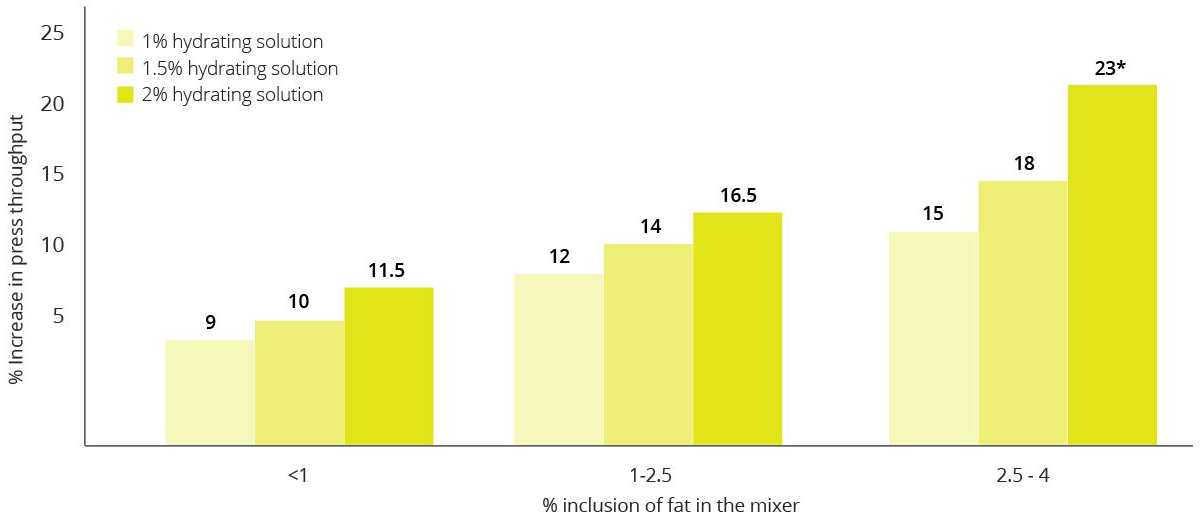
Figure 3. Effect of Activo Premium on ruminal constituents


Figure 4. Effect of Activo Premium on animal performance


Solution: Preserve Gram+ bacteria levels while decreasing free LPS

We have therefore seen how important it is to decrease the acetic:propionic ratio in the rumen to obtain a greater share of available energy. However, the level of endotoxins in the rumen must remain low in order to avoid those problems of endotoxemia linked to very specific pathologies typical of “super productive cows”. These pathologies (always linked to inflammatory manifestations) can be prevented by decreasing the level of free LPS in the rumen with a product that can irreversibly bind the LPS and thus make them inactive.

In a trial with porcine intestinal cells (IPEC-J2) challenged by E. coli LPS, a decrease in the intensity of inflammation was observed when Mastersorb Gold was added. This decrease could be shown through a lower amount of phosphorylated NF-kB in an immunofluorescence trial, as well as through the reduced production of Interleukin (IL)-8 in the cells measured by ELISA.  

The fact that pig intestine tissue was used does not affect the adsorption concept. In this case, these intestinal cells are only a vehicle to demonstrate that in an aqueous solution containing 50 ŋg of LPS / ml and in the same solution with the addition of Mastersorb Gold, the level of LPS actually active is decreased, as a part of the LPS was tied up by Mastersorb. The solution with a lower level of LPS gave minor “inflammatory” reactions to intestinal cells, and this can be statistically reported in dairy cows.

Immunofluorescence in PEG-J2
Figure 5. Immunofluorescence in PEG-J2: Challenge with LPS without (in the middle) and with Mastersorb Gold (right)


IL-8 AP secretion
Figure 6. IL-8 AP secretion after incubation with LPS 0111:B4 for 24h without and with Mastersorb Gold


Conclusions

To demonstrate how the decrease in the level of LPS in the rumen is directly correlated with inflammatory states in general, a trial with a total of 60 dairy cows shows that the inclusion of 25g of Mastersorb Premium/animal/day increases milk yield and improves milk quality by decreasing somatic cell count. Adsorbing substances contained in Mastersorb Premium tie up the LPS produced in the rumen in different cow lactation phases.

Normally, the rise in the level of somatic cells in milk depends on etiological agents such as Streptococcus spp, Staphylococcus spp, mycoplasma and more. LPS stress is not the sole agent responsible for raising somatic cell counts, but also other factors among which:

  • Lactation stage and age of the animal
  • Season of the year (in summer the problem is increased)
  • Milking plant (proper maintenance)
  • General management and nutrition

 However, by reducing the level of LPS, Mastersorb provides an important aid to decrease somatic cell count.

somatic cell count
Figure 7. Effect of Mastersorb Premium on somatic cell count


Prevent escalation with rumen balance

In the end, ruminant producers are, like all livestock operations, interested in producing healthy animals that can easily cope with various stressors. Ensuring a proper diet, adjusted to the energy requirements of various production stages, is a first step. Providing the animal with the ingredients that modulate the microbiota and reduce the negative impact of stress in the rumen is the next essential step in efficient production.


The hidden danger of endotoxins in animal production

e coli photo 1

Find out more about endotoxins here

Find out why LPS can cause endotoxemia and how intelligent toxin mitigation solutions can support endotoxin management.

Each E. coli bacterium contains about 100 lipopolysaccharides molecules in its outer membrane

Lipopolysaccharides (LPS) are the major building blocks of the outer walls of Gram-negative bacteria. Throughout its life cycle, a bacterium releases these molecules, which are also known as endotoxins, upon cell death and lysis. The quantity of LPS present in Gram-negative bacteria varies between species and serotypes; Escherichia coli, for example, contain about 100 LPS/bacterial cell. When these are released into the intestinal lumen of chickens or swine, or in the rumen of polygastric animals, they can cause serious damage to the animal’s health and performance by over-stimulating their immune system.

How lipopolysaccharides cause disease

LPS are rather large and structured chemical molecules with a weight of over 100,000 D. They are highly thermostable; boiling in water at 100°C for 30 minutes does not destabilize their structure. LPS consist of three chemically distinct sections: a) the innermost part, lipid A, consisting mostly of fatty acids; b) the core, which contains an oligosaccharide; and c) the outer section, a chain of polysaccharides called O-antigen (Figure 1).

Figure 1: Structure of an LPS

The toxicity of LPS is mainly caused by lipid A; however, both lipid A and O-antigen stimulate the immune system. This happens when the LPS pass the mucosa and enter the bloodstream or when they attack the leukocytes.

The intestinal mucosa is the physical immune barrier that protects the microvilli from external agents (bacteria, free LPS viruses, etc.). Despite its strength (the thickness, for example, amounts to ≈830 µm in the colon and ≈123 µm in the jejunum), vulnerable points exist (cf. Zachary 2017).

LPS can easily come into contact with the cells of the lamina propria (a layer of connective tissue underneath the epithelium) through the microfold (M) cells of the Peyer’s patches (which consist of gut-associated lymphoid tissue). The M cells are not covered by mucus and thus exposed.

Secondly, LPS can also pass through the mucosa, where they become entangled in this gelatinous structure. There, they come into contact with the lymphocytes or can reach the regional lymph nodes through the afferent lymphatic vessels.

Thirdly, LPS might affect the tight junctions, the multiprotein complexes that keep the enterocytes (cells that form the intestinal villi) cohesive. By destabilizing the protein structures and triggering enzymatic reactions that chemically degrade them, LPS can break the tight junctions, reaching the first capillaries and, consequently, the bloodstream.

The presence of endotoxins in the blood, endotoxemia, can trigger problematic immune responses in animals. An innate immune stimulation leads to an increase in the concentration of pro-inflammatory cytokines in the blood and, consequently, to an induced febrile response in the animal: heat production increases, while the available metabolic energy decreases.  As a result, performance suffers, and in the worst-case scenario, septic shock sets in. Furthermore, when LPS compromise intestinal integrity, the risk of secondary infections increases, and production performance may decline.

LPS’ modes of action

How does all of this happen? The physiological consequences of endotoxemia are quite complex. Simplified, the immune system response to LPS in the blood takes three forms:

  • The stimulation of TLR4 (toll-like receptor 4) induces monocytes and macrophages to secrete critical pro-inflammatory cytokines, primarily interleukin (IL) IL-1β, IL-6, IL-8, and tumor necrotic factor (TNF) α and β. TLR4 is a structure on the cell membrane of mainly macrophages and leukocytes, which is activated by the LPS-binding protein (LBP).
  • The complement cascade constitutes about 10% of plasma proteins and determines the chemotaxis and activation of leukocytes. It can form a membrane attack complex (MAC), which perforates the membranes of pathogenic cells, enabling lysis.
  • The Hagemann factor, also known as coagulation factor XII: once stimulated by LPS, it initiates the formation of fibrin (through the intrinsic coagulation pathway), which might lead to thrombosis. The Hagemann factor directly stimulates the transformation of prekallikrein to kallikrein (enzymes involved in regulating blood pressure).

Figure 2: How LPS leads to endotoxemia – 3 modes of action

These three modes of action of inflammatory stimulation lead to important physiological reactions:

  • Pro-inflammatory cytokines (see above) modulate the functional expression of other immune cell types during the inflammatory response;
  • Metabolites of arachidonic acid (prostaglandins, leukotrienes, and lipoxins), intra- and extracellular messengers that influence the coagulation cascade;
  • Synthesis in the blood of bradykinin, a peptide responsible for the typical symptoms of inflammation, such as swelling, redness, heat and pain;
  • PAF (platelet-activating factor), which creates inflammatory effects through narrowing of the blood vessels and constriction of the airways, but also through the degranulation of leukocytes.

The symptoms of endotoxemia are:  hypotension, metabolic acidosis, hemoconcentration, intestinal hemorrhage, fever, activations of neutrophils and endothelial cells, and predisposition to thrombosis.

In case of a progression to septic shock, the following sequence takes place:

1) Reduction in blood pressure and increased heart rate (hemodynamic alterations)

2) Abnormalities in body temperature

3) Progressive hypoperfusion at the level of the microvascular system

4) Hypoxic damage to susceptible cells

Up to here, symptoms follow a (severe) endotoxemia pathogenesis. A septic shock furthermore entails:

5) Quantitative changes in blood levels of leukocytes and platelets

6) Disseminated intravascular coagulation (see Hageman factor)

7) Multi-organ failure

8) Death of animal

If an animal is continously challenged with endotoxins, experiences septic shock, or comes close to it, it risks developing LPS tolerance, also known as CARS (compensatory anti-inflammatory response syndrome). This syndrome essentially depresses the immune system to control its activity. The anti-inflammatory prerogative of CARS is not to interfere directly with the elimination of pathogens but to regulate the “excessive” inflammatory reaction in a hemostatic way. However, this regulation can be extremely dangerous as the syndrome involves a lack of homeostasis control, and an excessive depression of the immune system leaves the organism exposed to the actual pathogens.

Farm animal research on endotoxemia pathogenesis

Lipopolysaccharides are difficult to quantify in the intestine of a live animal. One way to evaluate a possible endotoxemia is to analyze biomarkers present in the bloodstream. The most important one is the LPS themselves, which can be detected in a blood sample taken from the animal via ELISA. Other biomarkers include pro-inflammatory interleukins, such as TNF α and β, IL-6 or IL-8, and fibrin and fibrinogen (though they are not specific to endotoxemia). It is vital to carry out a blood sample analysis to deduce a possible endotoxemia from symptoms and performance losses in the animal.

How the metabolic effects of endotoxemia depress performance

One of the biggest issues caused by endotoxemia is that animals reduce their feed intake and show a poor feed conversion rate (FCR). Why does this happen? The productive performance of farm animals (producing milk, eggs, or meat) requires energy. An animal also requires a certain baseline amount of energy for maintenance, that is, for all activities related to its survival. As a result of inflammation and all those physiological reactions mentioned above, endotoxemia leads to a feverish state. Maintenance needs to continue; hence, the energy required for producing heat will be diverted from the energy usually spent on producing milk, egg, meat, etc., and performance suffers.

The inflammation response can result in mitochondrial injury to the intestinal cells, which alter the cellular energy metabolism. This is reflected in changes to the levels in adenosine triphosphate (ATP), the energy “currency” of living cells. A study by Li et al. (2015) observed a respective reduction of 15% and 55% in the ATP levels of the jejunum and ileum of LPS-challenged broilers, compared to the unchallenged control group. This illustrates the extent to which animals lose energy while they experience (more or less severe) endotoxemia.

Figure 3: Reduction in ATP level in Jejunum and Ileum in broilers (adapted from Li et al., 2015)

A piglet study by Huntley, Nyachoti, and Patience (2017) took this idea further (Figure 4):  3 groups of 10 Yorkshire x Landrace pigs, weighing between 11 and 25 kg, were studied in metabolic cages and in respiratory chambers. This methodology allows for simultaneous measurement of oxygen consumption, CO2 production, energy expenditure, physical activity, and feed/water intake. The study found that LPS-challenged pigs retained 15% less of the available metabolizable energy and showed 25% less nutrient deposition. These results show concrete metabolic consequences caused by the febrile response to endotoxemia we discussed above.

Figure 4: Retained Energy as % of ME intake and nutrient deposition of pigs in metabolic cages (adapted from Huntley, Nyachoti, and Patience, 2017)

Control treatment (CON) = Pigs fed by a basal diet
Immune system stimulation treatment (ISS) = Pigs given LPS (E. coli serotype 055:B5) injection

A loss of energy retained due to a reduction in available metabolizable energy leads to losses in performance as the amount of energy available for muscle production and fat storage will be lower. Furthermore, the decrease in feed intake creates a further energy deficit concerning production needs.

A trial carried out at the University of Illinois examined the effects of repeated injections of 400 μg E. coli LPS on chick performance from 11 to 22 days after hatching. The chicks were fed casein-based diets with graded levels of arginine. LPS administration reduced weight gain (P<0.05) and feed intake, and these effects tended to be worse at higher levels of arginine supplementation (Figure 5). The researchers hypothesize that, in response to endotoxin and elevated cytokine levels, macrophages use more arginine to produce nitric oxide, diverting it from protein production for muscle development.

Figure 5: Effects of LPS on feed intake and body weight gain in chicks fed graded level of arginine (based on Webel, Johnson, and Baker, 1998)

NC = negative control

This data on poultry complements the results for swine, again showing that endotoxin-induced energy losses quantifiably depress animal performance even in milder disease cases.

The way forward: Endotoxin mitigation

Animals suffering from endotoxemia are subject to severe metabolic dysfunctions. If they do not perish from septic shock, they are still likely to show performance losses. Moreover, they at great risk of immunosuppression caused by the immune system “overdrive.” Effective endotoxin mitigating agents can help to prevent these scenarios.

EW Nutrition’s Mastersorb Gold is not only a leading anti-mycotoxin agent; thanks to its specific components, it effectively binds bacterial toxins. An in vitro study conducted at the Hogeschool Utrecht laboratory (part of Utrecht University) evaluated the binding capacity of Mastersorb Gold on LPS compared to three different competitor products. All products were tested at two different inclusion rates. At an inclusion rate of 0.25%, only Mastersorb Gold reduced the toxin load on the solution by 37%. At 1% inclusion, Mastersorb Gold bound 75% of the toxin, while only one competitor product demonstrated any binding (10%).
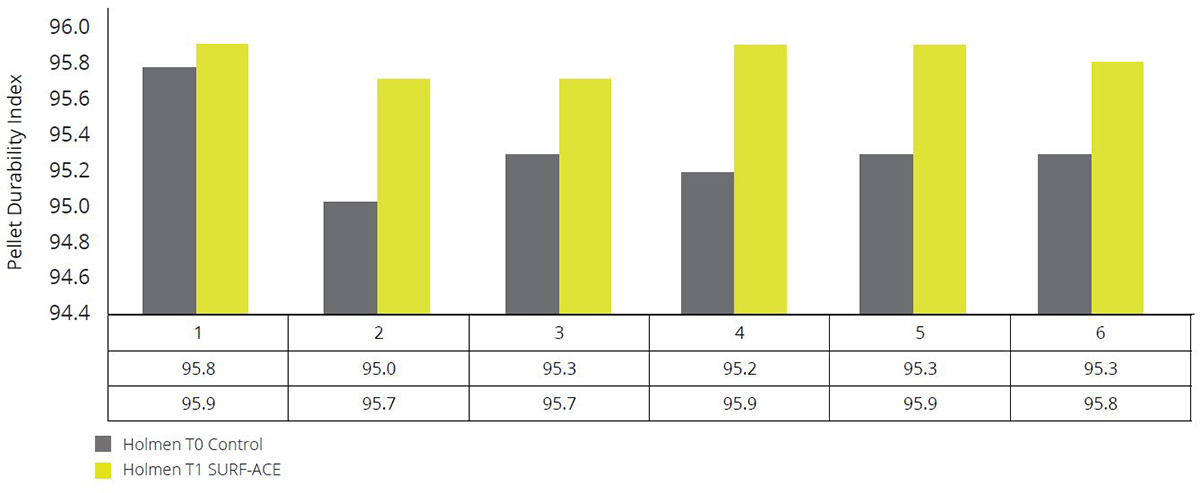
Lipopolysaccharides are a constant challenge for animal production. The quantity of Gram-negative bacteria in an animal intestine is considerable; therefore, the danger of immune system over-stimulation through endotoxins cannot be taken lightly. Producers need to prioritize the maintenance of intestinal eubiosis in production animals proactively; for instance, through targeted gut health-enhancing additives based on phytomolecules and, possibly, organic acids.

Most importantly, the detrimental impact of LPS can be mitigated by using a high-performance agent such as Mastersorb Gold. To limit losses from an energy point of view yields positive results in terms of production levels and the prevention of secondary infections, preserving animal health and farms’ economic viability.

By Claudio Campanelli, EW Nutrition

References

Adib-Conquy, Minou, and Jean-Marc Cavaillon. “Compensatory Anti-Inflammatory Response Syndrome.” Thrombosis and Haemostasis 101, no. 01 (2009): 36–47. https://doi.org/10.1160/th08-07-0421.

Huntley, Nichole F., C. Martin Nyachoti, and John F. Patience. “Immune System Stimulation Increases Nursery Pig Maintenance Energy Requirements.” Iowa State University Animal Industry Report 14, no. 1 (2017). https://doi.org/10.31274/ans_air-180814-344.

Li, Jiaolong, Yongqing Hou, Dan Yi, Jun Zhang, Lei Wang, Hongyi Qiu, Binying Ding, and Joshua Gong. “Effects of Tributyrin on Intestinal Energy Status, Antioxidative Capacity and Immune Response to Lipopolysaccharide Challenge in Broilers.” Asian-Australasian Journal of Animal Sciences 28, no. 12 (2015): 1784–93. https://doi.org/10.5713/ajas.15.0286.

Mani, Venkatesh, James H Hollis, and Nicholas K Gabler. “Dietary Oil Composition Differentially Modulates Intestinal Endotoxin Transport and Postprandial Endotoxemia.” Nutrition & Metabolism 10, no. 1 (2013): 6. https://doi.org/10.1186/1743-7075-10-6.

Webel, D.M., R.W. Johnson, and D.H. Baker. “Lipopolysaccharide-Induced Reductions in Body Weight Gain and Feed Intake Do Not Reduce the Efficiency of Arginine Utilization for Whole-Body Protein Accretion in the Chick.” Poultry Science 77, no. 12 (1998): 1893–98. https://doi.org/10.1093/ps/77.12.1893.

Zachary, James F. “Chapter 4 – Mechanisms of Microbial Infections.” Essay. In Pathologic Basis of Veterinary Disease, 132–241. St Louis, MO: Mosby, 2017. https://doi.org/10.1016/B978-0-323-35775-3.00004-7.


Mycotoxin interactions: An obstacle to risk assessment

healthy chicks

In animal feed, multi-mycotoxin contamination is found quite frequently and seems to be the rule rather than the exception in practical diets. Here is a quick overview of the known interactions.

What are the most common mycotoxins in feed?

Mycotoxins represent an exceptional challenge for feed and animal producers: they are produced by common molds, occur in a great variety and number, are sporadic or heterogeneous in their distribution, and their effects on farm animals are seldom recognized as mycotoxicosis. Among hundreds of known mycotoxins, aflatoxins, mainly produced by Aspergillus species, ochratoxin A, produced by Aspergillus and Penicillium species, as well as fumonisins, trichothecenes (especially DON and T-2 toxin) and zearalenone, primarily produced by many Fusarium species stand out as the most common contaminants.

Consequences of mycotoxin contamination

Ingestion of these mycotoxins may cause an acute toxicity or chronic disorders, depending on the concentration and duration of exposure. In farm animals, this might manifest as decreased performance, feed refusal, poor feed conversion, reduced body weight gain, immune suppression, reproductive disorders, and residues in animal food products.

Due to their frequent occurrence and their severe toxic properties, many countries appointed legal regulations or guidance for the major mycotoxins to protect animals and human consumers. The current regulations are typically very specific in terms of animal species and even for the production stage considering that mycotoxins affect for example poultry in a different way than cattle and broilers in a different way than breeders or laying hens. The threshold and/or guidance values for each species, however, were determined based on toxicological data from studies investigating a monoexposure leaving out the possibility of any combined effects of mycotoxins.
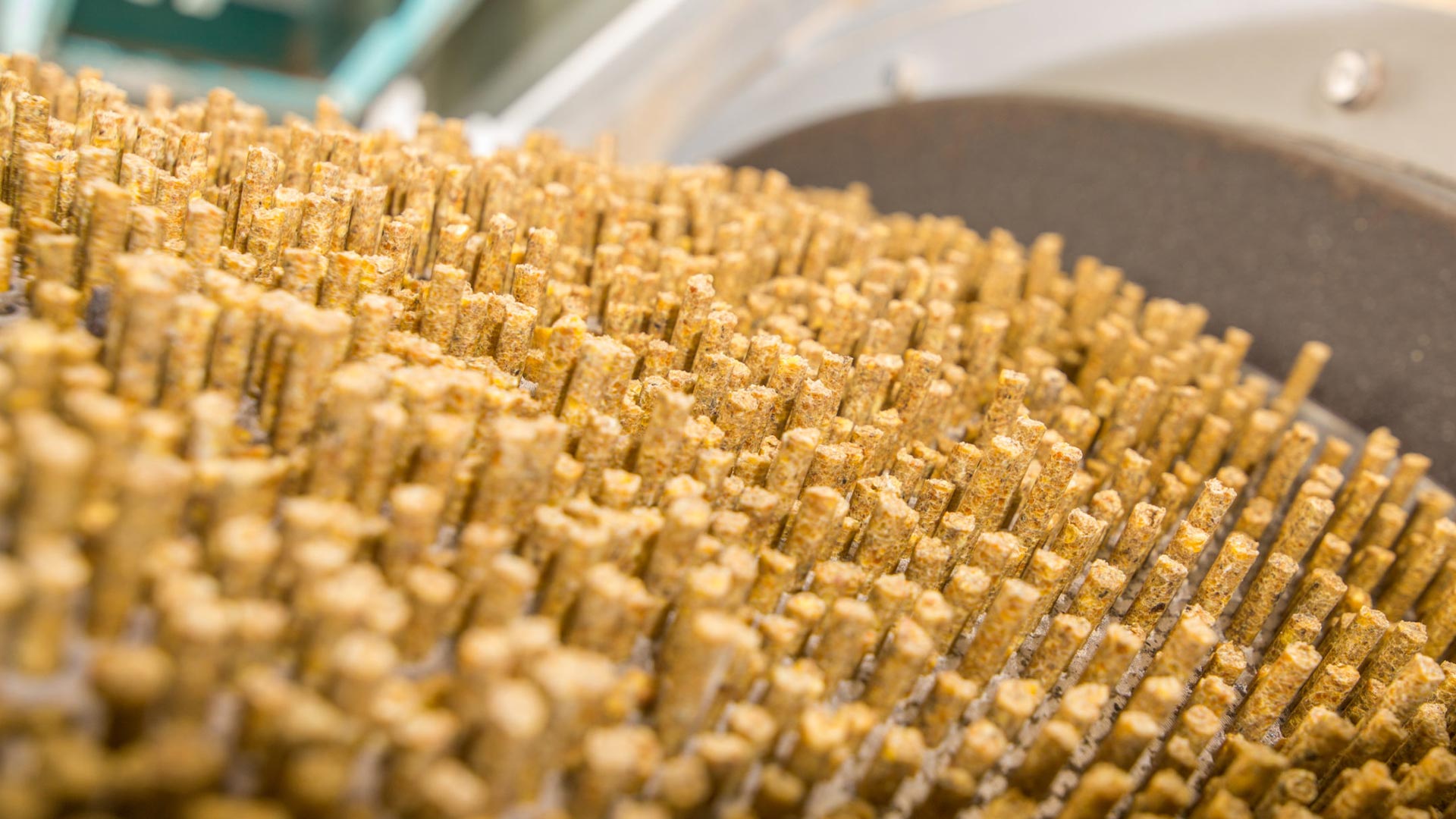
Multi-contamination: the rule, not the exception

If we were able to ensure that the animals were exposed to only one mycotoxin at a time, following the regulatory guidelines would allow us to protect our animals in most of the cases. Several worldwide surveys show, however, that mycotoxin multicontamination of animal feed is found very frequently* and seems to be the rule rather than the exception in practical diets. The concurrent appearance of mycotoxins in feed can be explained as follows: each mold species has the capacity to produce a number of mycotoxins simultaneously. Each species, in turn, may infest several raw materials leaving behind one or more toxic residue. In the end, a complete diet is made up of various raw materials with individual mycotoxin loads resulting in a multitude of toxic challenges for the animals.
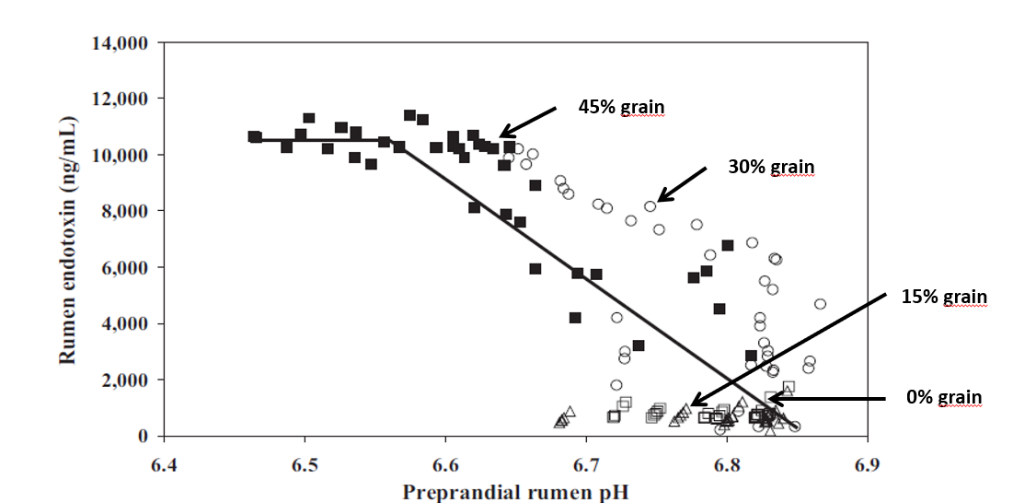
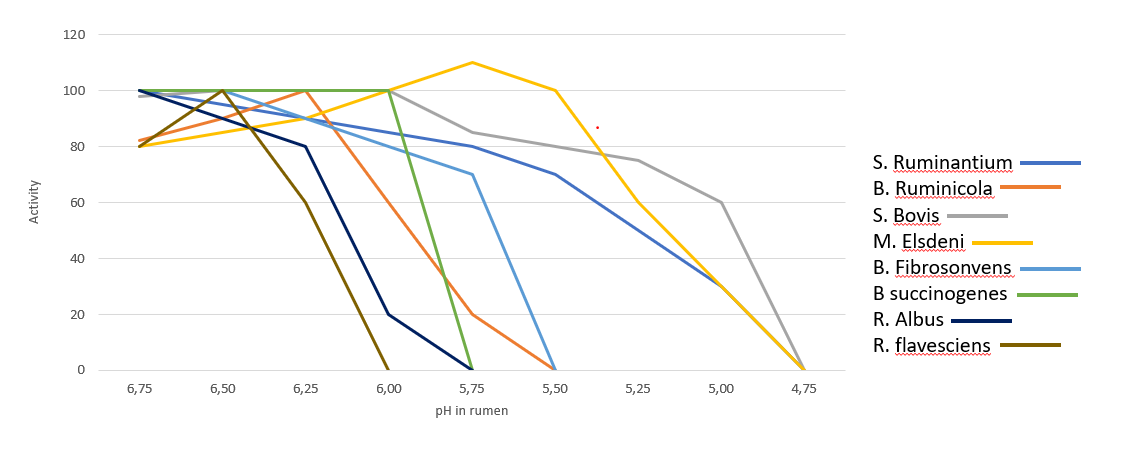
Several researchers showed that the effects observed during multiple mycotoxin exposure can differ greatly from the effects observed in animals exposed to a single mycotoxin, indicating that the simultaneous presence of mycotoxins may be more toxic than predicted from the mycotoxins alone. This is because mycotoxins interact with each other. The interactions can be classified into three main different categories: antagonistic, additive, and synergistic.

Types of mycotoxin interactions

Additivity occurs when the effect of the combination equals the expected sum of the individual effects of the two toxins (Figure 1a).
Synergistic interactions of two mycotoxins lead to a greater effect of the mycotoxin combination than would be expected from the sum of their individual effects (Figure 1b). A special form of synergy, sometimes called potentiation, occurs when one or both of the mycotoxins do not induce effects whereas the combination induces a significant effect.
When the effect of the mycotoxin combination is lower than expected from the sum of their individual effects, antagonism can be observed (Figure 1c). In general, most of the mycotoxin mixtures lead to additive or synergistic effects, highlighting a significant threat to animal health and being the major reason that impedes risk assessment. Synergistic actions may occur when the single mycotoxins of a mixture act at different stages of the same mechanism, e.g. T-2 increases ROS production while AFB1 decreases its clearance when the presence of one mycotoxin increases the absorption of another or decreases its metabolic degradation.

Be aware of contaminations

Given their complex interactions, the toxicity of combinations of mycotoxins cannot merely be predicted based upon their individual toxicities. Knowing that even low levels of mycotoxin combinations can harm animal productivity, health, and welfare, it is useful for feed and animal producers to be aware of present contaminations, to be able to link them to the risk they pose for the animal and consequently take actions before the problems appear in the field.

*References are available on request.

By Technical Team, EW Nutrition
Published on ALL ABOUT FEED | Reprint 2018.