Masked mycotoxins – particularly dangerous for dairy cows

By Si-Trung Tran, SEAP Regional Technical Manager, EW Nutrition

Technical Team and Dr. Inge Heinzl, Editor, EW Nutrition

Mycotoxins are secondary metabolites of fungi, commonly found as contaminants in agricultural products. In some cases, these compounds are used in medicine or industry, such as penicillin and patulin. In most cases, however, they are considered xenobiotics that are toxic to animals and humans, causing the disease collectively known as mycotoxicosis. The adverse effects of mycotoxins on human and animal health have been documented in many publications. Aflatoxins (AFs) and deoxynivalenol (DON, vomitoxin) are amongst the most critical mycotoxins affecting milk production and -quality.

Aflatoxins do not only affect cows

Aflatoxins (AFs) are highly oxygenated, heterocyclic difuranocoumarin compounds produced by Aspergillus flavus and Aspergillus parasiticus. They colonize crops, including many staple foods and feed ingredients. Within a group of over 20 AFs and derivatives, aflatoxin B1 (AFB1), B2, G1, and G2 are the most important naturally occurring compounds.

Among the aflatoxins, AFB1 is the most widespread and most toxic to humans and animals. Concern about mycotoxin contamination in dairy products began in the 1960s with the first reported cases of contamination by aflatoxin M1 (AFM1), a metabolite of AFB1 formed in the liver of animals and excreted in the milk.

There is ample evidence that lactating cows exhibit a significant reduction in feed efficiency and milk yield within a few days of consuming aflatoxin-contaminated feed. At the cellular level, aflatoxins cause degranulation of endoplasmic membranes, loss of ribosomes from the endoplasmic reticulum, loss of nuclear chromatin material, and altered nuclear shapes. The liver, as the organ mainly dealing with the decontamination of the organism, gets damaged, and performance drops. Immune cells are also affected, reducing immune competence and vaccination success (Arnold and Gaskill, 2023).

DON reduces cows’ performance

Another mycotoxin that can also reduce milk quality and affect metabolic parameters, as well as the immune function of dairy cows, is DON. DON is produced by different fungi of the Fusarium genus that infect plants. DON synthesis is associated with rainy weather from crop flowering to harvest. Whitlow and co-workers (1994) reported the association between DON and poor performance in dairy herds and showed decreased milk production in dairy cows fed 2.5 mg DON/kg. However, in cows fed 6 to 12 mg DON/kg dry matter for 10 weeks, no DON or its metabolite DOM-1 residues were detected in milk.

Masked mycotoxins hide themselves during analysis

Plants suffering from fungal infestations and thus confronted with mycotoxins convert the harmful forms of mycotoxins into less harmful or harmless ones for themselves by conjugation to sulfates, organic acids, or sugars. Conjugated mycotoxins cannot always be detected by standard analytical methods. However, in animals, these forms can be released and transformed into parent compounds by enzymes and microorganisms in the gastrointestinal tract. Thus, the feed may show a concentration of mycotoxins that is still below the limit value, but in the animal, this concentration is suddenly much higher. In dairy cows, the release of free mycotoxins from conjugates during digestion may play an important role in understanding the silent effects of mycotoxins.

Fusarium toxins, in particular, frequently occur in this “masked form”. They represent a serious health risk for animals and humans.

Aflatoxins first show up in the milk

Masked aflatoxins may also play a role in total aflatoxin contamination of feed materials. Research has harvested little information on masked aflatoxins that may be present in TMR ingredients. So far, metabolites such as Aflatoxin M2 have been identified (Righetti, 2021), which may reappear later in milk as AFM1.

DON-related symptoms without DON?

Sometimes, animals show DON-related symptoms, with low levels detected in the feed or raw materials. Besides sampling errors, this enigma could be due to conjugated or masked DON, which is structurally altered DON bound to various compounds such as glucose, fatty acids, and amino acids. These compounds escape conventional feed analysis techniques because of their modified chemical properties but can be released as their toxic precursors after acid hydrolysis.

Masked DON was first described in 1984 by Young and co-workers, who found that the DON content of yeast-fermented foods was higher than that of the contaminated wheat flour used in their production. The most plausible reason for this apparent increase was that the toxin from the wheat had been converted to a compound other than DON, which could be converted back to DON under certain conditions. Since this report, there has been much interest in conjugated or masked DON.

Silage: masked DON is a challenge for dairy producers

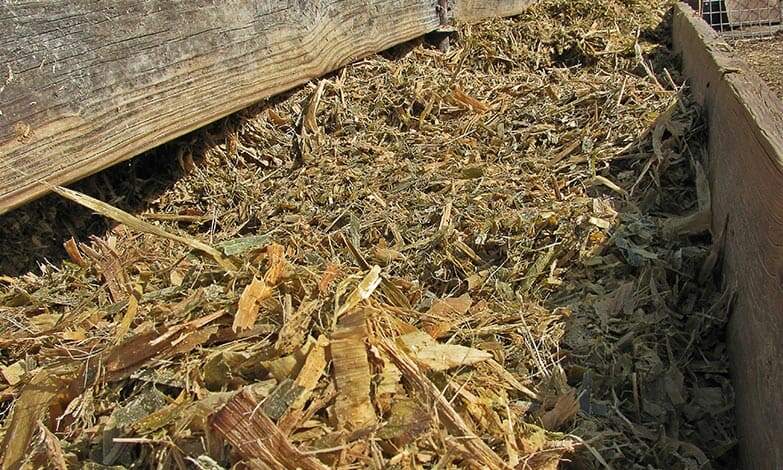
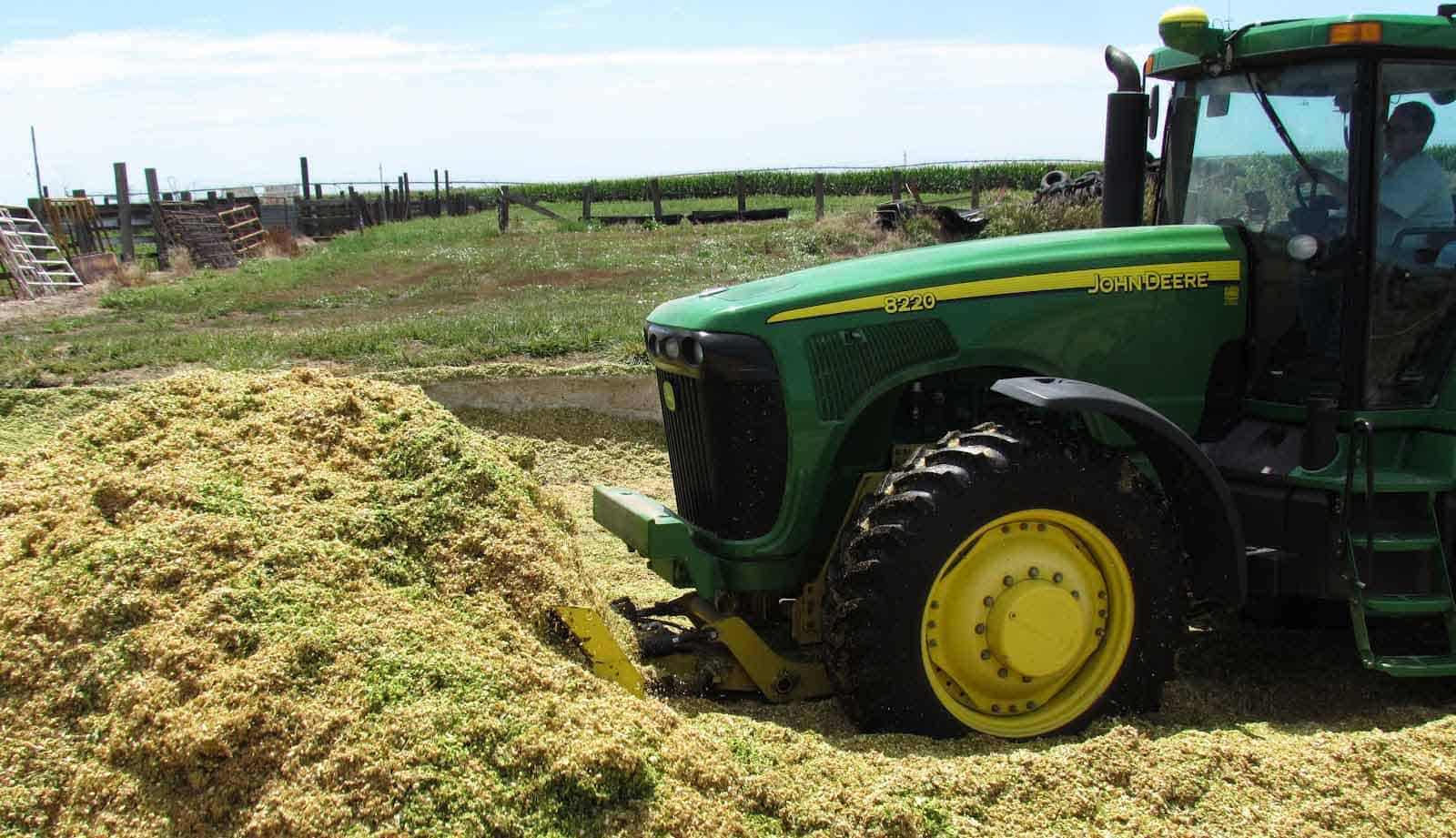
Silage is an essential feed for dairy cows, supporting milk production. Most silage is made from corn and other grains. The whole green plant is used, which can be infected by fungi. Since infection of corn with Fusarium spp. and subsequent DON contamination is usually a major problem in the field worldwide, a relatively high occurrence of this toxin in silage must be expected. The ensiling process may reduce the amount of Fusarium fungi, but the DON formed before ensiling is very stable.

Corn Silage

Silage samples show DON levels of concern

It is reasonable to assume that the DON biosynthesized by the fungi was metabolized by the plants to a new compound and thus masked DON. Under ensiling conditions, masked DON can be hydrolyzed, producing free DON again. Therefore, the level of free DON in the silage may not reflect the concentration measured in the plants before ensiling.

A study analyzed 50 silage samples from different farms in Ontario, Canada. Free DON was found in all samples, with levels ranging from 0.38 to 1.72 µg/g silage (unpublished data). Eighty-six percent of the samples contained DON at concentrations higher than 0.5 µg/g. Together with masked DON, it poses a potential threat to dairy cattle.

Specific hydrolysis conditions allow detection

However, in the natural ensiling process, the conditions for hydrolysis of masked DON are not optimal. The conditions that allow improved analysis of masked DON were recently described. This method detected masked DON in 32 of 50 silage samples (64%) along with free DON, increasing DON concentration by 23% in some cases (unpublished data).

Mycotoxins impact humans and animals

Aflatoxins, as well as DON, have adverse effects. In the case of DON, the impact on the animal is significant; in the case of aflatoxin, the possible long-term effects on humans are of higher relevance.

DON has more adverse effects on the animal and its performance

Unlike AFs, DON may be found in milk at low or trace concentrations. It is more associated with negative effects in the animal, altered rumen fermentation, and reduced flow of usable protein into the duodenum. For example, milk fat content was significantly reduced when cows were fed 6 µg DON/kg. However, the presence of DON also indicates that the feed probably contains other mycotoxins, such as zearalenone (ZEA) (estrogenic mycotoxin) and fusaric acid (pharmacologically active compound). All these mycotoxins may interact to cause symptoms that are different or more severe than expected, considering their individual effects. DON and related compounds also have immunosuppressive effects, resulting in increased somatic cell counts in milk. The U.S. FDA has established an action level for DON in wheat and wheat-derived products intended for cows, which is 5µg DON/g feed and the contaminated ingredient must not exceed 40% of the ration.

Aflatoxins decrease milk quality and pose a risk to humans

Aflatoxins are poorly degraded in the rumen, with aflatoxicol being the main metabolite that can be reconverted to AFB1. Most AFs are absorbed and extensively metabolized/hydrolyzed by enzymes found mainly in the liver. This results in the formation of AFM1, a part of which is conjugated to glucuronic acid and subsequently excreted in the bile. The other part enters the systemic circulation. It is either excreted in urine or milk. AFM1 appears within 12-48 hours after ingestion in cow’s milk. The excreted amount of AFM1 in milk from dairy cows usually ranges from 0.17% to 3% of the ingested AFB1. However, this carryover rate may vary from day to day and from one milking to the next in individual animals, as it is influenced by various factors, such as feeding regime, health status, individual biotransformation capacity, and, of course, by actual milk production. Carryover rates of up to 6.2% have been reported in high-yielding dairy cows producing up to 40 liters of milk per day.

In various experiments, AFM1 showed both carcinogenic and immunosuppressive effects. Accordingly, the International Agency for Research on Cancer (IARC) classified AFM1 as being in Group 2B and, thus, possibly carcinogenic in humans. The action level of 0.50 ppb and 0.05 ppb for AFM1 in milk is strictly adhered to by the U.S. Food and Drug Administration (FDA) and the European Food Safety Authority (EFSA), respectively.

Trials show the high adsorption capacity of Solis Max

A trial was conducted at an independent laboratory located in Spain. The evaluation of the performance of Solis Max was executed with the following inclusion levels:

  • 0.10% equivalent to 1.0 kg of Solis Max per ton of feed
  • 0.20% equivalent to 2.0 kg of Solis Max per ton of feed

A phosphate buffer solution at pH 7 was prepared for the trial to simulate rumen conditions. Each mycotoxin was tested separately, preparing solutions with known contamination (final concentration described in the table below). The contaminated solutions were divided into 3 parts: A positive control, 0.10% Solis Max and 0.20% Solis Max. All samples were incubated at 41°C for 1 hour, centrifuged, and the supernatant was analyzed for the mycotoxin added to determine the binding efficacy. All analyses were carried out by high-performance liquid chromatography (HPLC) with standard detectors.

Mycotoxin Contamination Level (ppb)
Aflatoxin B1 800
DON 800
Fumonisin B1 2000
ZEA 1200

Results:
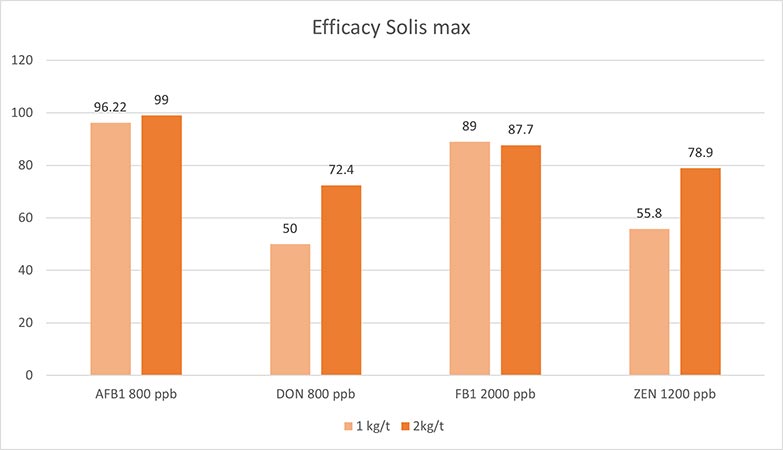
The higher concentration of Solis max showed a higher adsorption rate for most mycotoxins. The high dose of Solis Max adsorbed 99% of the AFB1 contamination. In the case of DON, more than 70% was bound. For fumonisin B1 and zearalenone, Solis max showed excellent binding rates of 87.7% and 78.9%, respectively (Figure 1).

FigureFigure 1: Solis Max showed a high binding capacity for the most relevant mycotoxins

Another trial was conducted at an independent laboratory serving the food and feed industry and located in Valladolid, Spain.

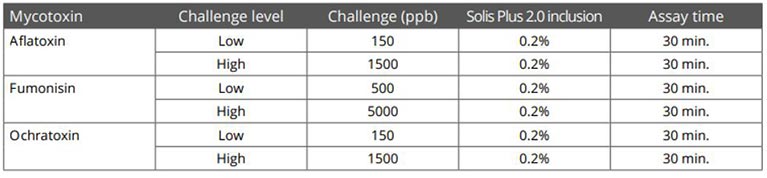
All tests were carried out as duplicates and using a standard liquid chromatography/mass spectrometry (LC/MS/MS) quantification. Interpretation and data analysis were carried out with the corresponding software. The used pH was 3.0, toxin concentrations and anti-mycotoxin agent application rates were set as follows (Table 1):

TableTable 1: Trial set-up testing the binding capacity of Solis Plus 2.0 for several mycotoxins in different contamination levels

Results:

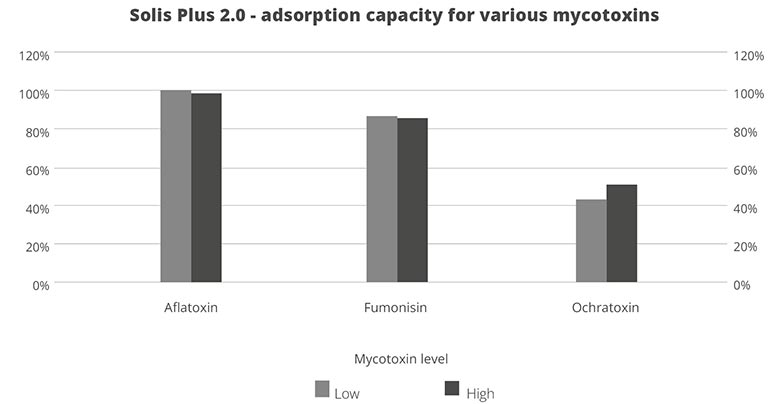
Under acidic conditions (pH3), Solis Plus 2.0 effectively adsorbs the three tested mycotoxins at low and high levels. 100% binding of aflatoxin was achieved at a level of 150ppb and 98% at 1500ppb.In the case of fumonisin, 87% adsorption could be reached at 500ppb and 86 for a challenge with 5000ppb. 43% ochratoxin was adsorbed at the contamination level of 150ppb and 52% at 1500ppb.

FigureFigure 2: The adsorption capacity of Solis Plus 2.0 for three different mycotoxins at two challenge levels

Mycotoxins – Effective risk management is of paramount importance

Although the rumen microflora may be responsible for conferring some mycotoxin resistance to ruminants compared to monogastric animals, there are still effects of mycotoxins on rumen fermentation and milk quality. In addition, masked mycotoxins in feed present an additional challenge for dairy farms because they are not readily detectable by standard analyses.

Feeding dairy cows with feed contaminated with mycotoxins can lead to a reduction in milk production. Milk quality may also deteriorate due to an adverse change in milk composition and mycotoxin residues, threatening the innocuousness of dairy products. Dairy farmers should therefore have feed tested regularly, consider masked mycotoxins, and take action. EW Nutrition’s MasterRisk tool provides a risk evaluation and corresponding recommendations for the use of products that mitigate the effects of mycotoxin contamination and, in the end, guarantee the safety of all of us.


Fighting antimicrobial resistance with immunoglobulins

By Lea Poppe, Regional Technical Manager On-Farm Solutions Europe, and Dr. Inge Heinzl, Editor

One of the ten global public health threats is antimicrobial resistance (AMR). Jim O’Neill predicted 10 million people dying from AMR annually by 2050 (O’Neill, 2016). The following article will show the causes of antimicrobial resistance and how antibodies from the egg could help mitigate the problem of AMR.

Global problem of AMR results from the incorrect use of antimicrobials

Antimicrobial substances are used to prevent and cure diseases in humans, animals, and plants and include antibiotics, antivirals, antiparasitics, and antifungals. The use of these medicines does not always happen consciously, partially due to ignorance and partially for economic reasons.

There are various possibilities for the wrong therapy

  1. The use of antibiotics against diseases that household remedies could cure. A recently published German study (Merle et al., 2023) confirmed the linear relationship between treatment frequency and resistant scores in calves younger than eight months.
  2. The use of antibiotics against viral diseases: antibiotics only act against bacteria and not against viruses. Flu, e.g., is caused by a virus, but doctors often prescribe an antibiotic.
  3. Using broad-spectrum antibiotics instead of determining an antibiogram and applying a specific antibiotic.
  4. A too-long treatment with antimicrobials so that the microorganisms have the time to adapt. For a long time, the only mistake you could make was to stop the antibiotic therapy too early. Today, the motto is “as short as possible”.

Let’s take the example of neonatal calf diarrhea, one of the most common diseases with a high economic impact. Calf diarrhea can be caused by a wide range of bacteria, viruses, or parasites. This infectious form can be a complication of non-infectious diarrhea caused by dietary, psychological, and environmental stress (Uetake, 2012). The pathogens causing diarrhea in calves can vary with the region. In Switzerland and the UK, e.g., rotaviruses and cryptosporidia are the most common pathogens, whereas, in Germany, E. coli is also one of the leading causes. To minimize the occurrence of AMR, it is always crucial to know which pathogen is behind the disease.

Prophylactic use of antibiotics is still a problem

  1. The use of low doses of antibiotics to promote growth. This use has been banned in the EU now for 17 years now, but in other parts of the world, it is still common practice. Especially in countries with low hygienic standards, antibiotics show high efficacy.
  2. The preventive use of antibiotics to help, e.g., piglets overcome the critical step of weaning or to support purchased animals for the first time in their new environment. Antibiotics reduce pathogenic pressure, decrease the incidence of diarrhea, and ensure the maintenance of growth.
  3. Within the scope of prophylactic use of antimicrobials, also group treatment must be mentioned. In veal calves, group treatments are far more common than individual treatments (97.9% of all treatments), as reported in a study documenting medication in veal calf production in Belgium and the Netherlands. Treatment indications were respiratory diseases (53%), arrival prophylaxis (13%), and diarrhea (12%). On top, the study found that nearly half of the antimicrobial group treatment was underdosed (43.7%), and a large part (37.1%) was overdosed.

However, in several countries, consumers request reduced or even no usage of antibiotics (“No Antibiotics Ever” – NAE), and animal producers must react.

Today’s mobility enables the spreading of AMR worldwide

Bacteria, viruses, parasites, and fungi that no longer respond to antimicrobial therapy are classified as resistant. The drugs become ineffective and, therefore, the treatment of disease inefficient or even impossible. All the different usages mentioned before offer the possibility that resistant bacteria/microorganisms will occur and proliferate. Due to global trade and the mobility of people, drug-resistant pathogens are spreading rapidly throughout the world, and common diseases cannot be treated anymore with existing antimicrobial medicines like antibiotics. Standard surgeries can become a risk, and, in the worst case, humans die from diseases once considered treatable. If new antibiotics are developed, their long-term efficacy again depends on their correct and limited use.

Different approaches are taken to fight AMR

There have already been different approaches to fighting AMR. As examples, the annually published MARAN Report compiled in the Netherlands, the EU ban on antibiotic growth promoters in 2006, “No antibiotics ever (NAE) programs” in the US, or the annually published “Antimicrobial resistance surveillance in Europe” can be mentioned. One of the latest approaches is an advisory “One Health High-Level Expert Panel” (OHHLEP) founded by the Food and Agriculture Organization of the United Nations (FAO), the World Organization for Animal Health (OIE), the United Nations Environment Program (UNEP), and the World Health Organization (WHO) in May 2021. As AMR has many causes and, consequently, many players are involved in its reduction, the OHHLEP wants to improve communication and collaboration between all sectors and stakeholders. The goal is to design and implement programs, policies, legislations, and research to improve human, animal, and environmental health, which are closely linked. Approaches like those mentioned help reduce the spread of resistant pathogens and, with this, remain able to treat diseases in humans, animals, and plants.

On top of the pure health benefits, reducing AMR improves food security and safety and contributes to achieving the Sustainable Development Goals (e.g., zero hunger, good health and well-being, and clean water).

Prevention is better than treatment

Young animals like calves, lambs, and piglets do not receive immunological equipment in the womb and need a passive immune transfer by maternal colostrum. Accordingly, optimal colostrum management is the first way to protect newborn animals from infection, confirmed by the general discussion on the Failure of Passive Transfer: various studies suggest that calves with poor immunoglobulin supply suffer from diarrhea more frequently than calves with adequate supply.

Especially during the immunological gap when the maternal immunoglobulins are decreasing and the own immunocompetence is still not fully developed, it is crucial to have a look at housing, stress triggers, biosecurity, and the diet to reduce the risk of infectious diseases and the need for treatments.

Immunoglobulins from eggs additionally support young animals

Also, if newborn animals receive enough colostrum in time and if everything goes optimally, the animals suffer from two immunity gaps: the first one occurs just after birth before the first intake of colostrum, and the second one occurs when the maternal antibodies decrease, and the immune system of the young animal is still not developed completely. These immunity gaps raise the question of whether something else can be done to support newborns during their first days of life.

The answer was provided by Felix Klemperer (1893), a German internist researching immunity. He found that hens coming in contact with pathogens produce antibodies against these agents and transfer them to the egg. It is unimportant if the pathogens are relevant for chickens or other animals. In the egg, the immunoglobulins usually serve as an immune starter kit for the chick.

Technology enables us today to produce a high-value product based on egg powder containing natural egg immunoglobulins (IgY – immunoglobulins from the yolk). These egg antibodies mainly act in the gut. There, they recognize and tie up, for example, diarrhea-causing pathogens and, in this way, render them ineffective.

The efficacy of egg antibodies was demonstrated in different studies (Kellner et al., 1994; Erhard et al., 1996; Ikemori et al., 1997; Yokoyama et al., 1992; Marquart, 1999; Yokoyama et al., 1997) for piglets and calves.

Trial proves high efficacy of egg immunoglobulins in piglets

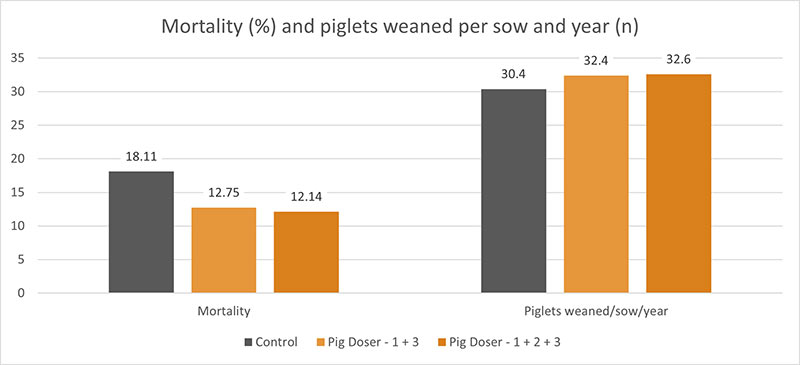
One trial conducted in Germany showed promising results concerning the reduction of mortality in the farrowing unit. For the trial, 96 sows and their litters were divided into three groups with 32 sows each. Two of the groups orally received a product containing egg immunoglobulins, the EP -1 + 3 group on days 1 and 3 and the EP – 1 + 2 + 3 group on the first three days. The third group served as a control. Regardless of the frequency of application, the egg powder product was very supportive and significantly reduced mortality compared to the control group. The measure resulted in 2 additionally weaned piglets than in the control group.

Figure

Egg immunoglobulins support young dairy calves

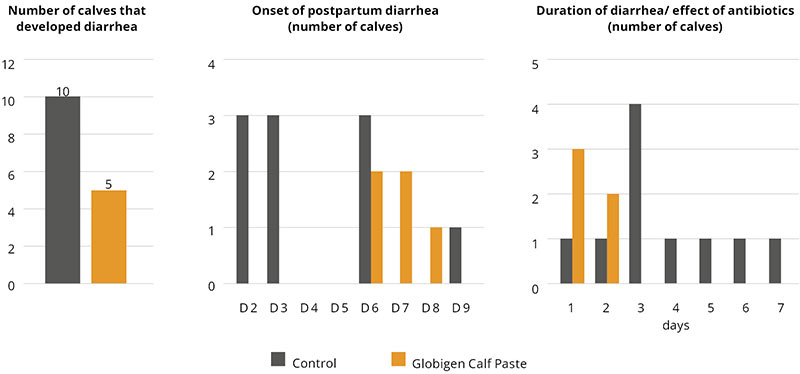
IgY-based products were also tested in calves to demonstrate their efficacy. In a field trial conducted on a Portuguese dairy farm with 12 calves per group, an IgY-containing oral application was compared to a control group without supplementation. The test product was applied on the day of birth and the two consecutive days. Key observation parameters during a two-week observation period were diarrhea incidence, onset, duration, and antibiotic treatments, the standard procedure on the trial farm in case of diarrhea. On-farm tests to check for the pathogenic cause of diarrhea were not part of the farm’s standards.

Figure

In this trial, 10 of 12 calves in the control group suffered from diarrhea, but in the trial group, only 5 calves. Total diarrhea and antibiotic treatment duration in the control group was 37 days (average 3.08 days/animal), and in the trial group, only 7 days (average 0.58 days/animal). Additionally, diarrhea in calves of the Globigen Calf Paste group started later, so the animals already had the chance to develop an at least minimally working immune system.

The supplement served as an effective tool to support calves during their first days of life and to reduce antibiotic treatments dramatically.

Conclusion

Antimicrobial reduction is one of the biggest tasks for global animal production. It must be done without impacting animal health and parameters like growth performance and general cost-efficacy. This overall demand can be supported with a holistic approach considering biosecurity, stress reduction, and nutritional support. Feed supplements such as egg immunoglobulins are commercial options showing great results and benefits in the field and making global animal production take the right direction in the future.


References upon request.


Toxin Mitigation 101: Essentials for Animal Production

By Monish Raj, Assistant Manager-Technical Services, EW Nutrition
Inge Heinzl, Editor, EW Nutrition  

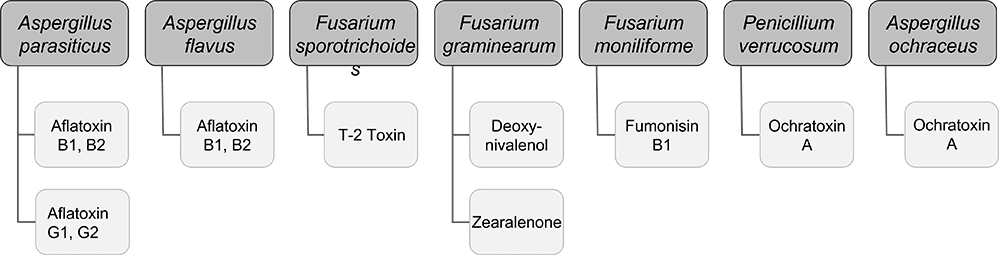
Mycotoxins, toxic secondary metabolites produced by fungi, are a constant and severe threat to animal production. They can contaminate grains used for animal feed and are highly stable, invisible, and resistant to high temperatures and normal feed manufacturing processes. Mycotoxin-producing fungi can be found during plant growth and in stored grains; the prevalence of fungi species depends on environmental conditions, though in grains, we find mainly three genera: Aspergillus, Penicillium, and Fusarium. The most critical mycotoxins for poultry production and the fungi that produce them are detailed in Fig 1.

FigureFigure 1: Fungi species and their mycotoxins of worldwide importance for poultry production (adapted from Bryden, 2012).

The effects of mycotoxins on the animal are manifold

When, usually, more than one mycotoxin enters the animal, they “cooperate” with each other, which means that they combine their effects in different ways. Also, not all mycotoxins have the same targets.

The synergistic effect: When 1+1 ≥3

Even at low concentrations, mycotoxins can display synergistic effects, which means that the toxicological consequences of two or more mycotoxins present in the same sample will be higher than the sum of the toxicological effects of the individual mycotoxins. So, disregarded mycotoxins can suddenly get important due to their additive or synergistic effect.

Table 1: Synergistic effects of mycotoxins in poultry

Synergistic interactions
DON ZEN T-2 DAS
FUM * * *
NIV * * *
AFL * *

Table 2: Additive effects of mycotoxins in poultry

Additive interactions
AFL T2 DAS MON
FUM + + + +
DON + +
OTA + +

Recognize the effects of mycotoxins in animals is not easy

The mode of action of mycotoxins in animals is complex and has many implications. Research so far could identify the main target organs and effects of high levels of individual mycotoxins. However, the impact of low contamination levels and interactions are not entirely understood, as they are subtle, and their identification requires diverse analytical methods and closer observation.

With regard to the gastrointestinal tract, mycotoxins can inhibit the absorption of nutrients vital for maintaining health, growth, productivity, and reproduction. The nutrients affected include amino acids, lipid-soluble vitamins (vitamins A, D, E, and K), and minerals, especially Ca and P (Devegowda and Murthy, 2005). As a result of improper absorption of nutrients, egg production, eggshell formation, fertility, and hatchability are also negatively influenced.

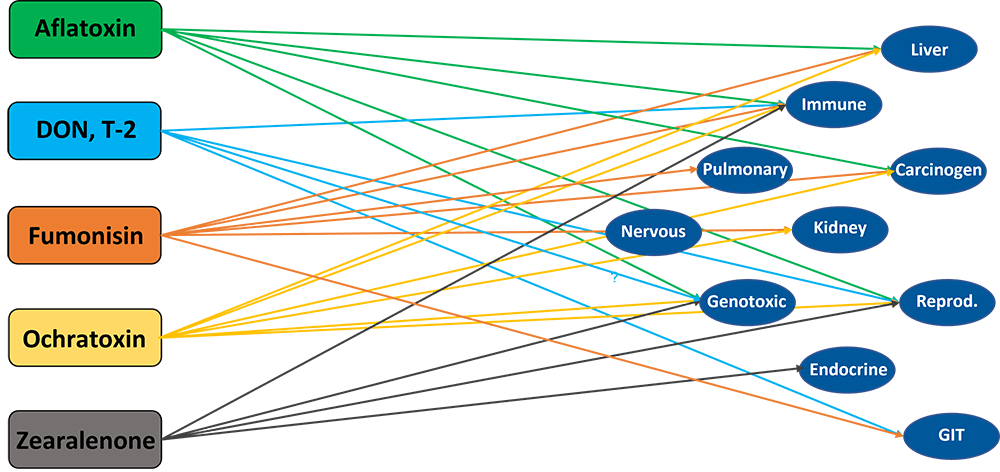
Most mycotoxins also have a negative impact on the immune system, causing a higher susceptibility to disease and compromising the success of vaccinations. Besides that, organs like kidneys, the liver, and lungs, but also reproduction, endocrine, and nervous systems get battered.

Mycotoxins have specific targets

Aflatoxins, fumonisins, and ochratoxin impair the liver and thus the physiological processes modulated and performed by it:

  • lipid and carbohydrate metabolism and storage
  • synthesis of functional proteins such as hormones, enzymes, and nutrient transporters
  • metabolism of proteins, vitamins, and minerals.

For trichothecenes, the gastrointestinal tract is the main target. There, they hamper digestion, absorption, and intestinal integrity. T-2 can even produce necrosis in the oral cavity and esophagus.

Figure Main Targets Of Important MycotoxinsFigure 2: Main target organs of important mycotoxins

How to reduce mycotoxicosis?

There are two main paths of action, depending on whether you are placed along the crop production, feed production, or animal production cycle. Essentially, you can either prevent the formation of mycotoxins on the plant on the field during harvest and storage or, if placed at a further point along the chain, mitigate their impact.

Preventing mycotoxin production means preventing mold growth

To minimize the production of mycotoxins, the development of molds must be inhibited already during the cultivation of the plants and later on throughout storage. For this purpose, different measures can be taken:

Selection of the suitable crop variety, good practices, and optimal harvesting conditions are half of the battle

Already before and during the production of the grains, actions can be taken to minimize mold growth as far as possible:

  • Choose varieties of grain that are area-specific and resistant to insects and fungal attacks.
  • Practice crop rotation
  • Harvest proper and timely
  • Avoid damage to kernels by maintaining the proper condition of harvesting equipment.

Optimal moisture of the grains and the best hygienic conditions are essential

The next step is storage. Here too, try to provide the best conditions.

  • Dry properly: grains should be stored at <13% of moisture
  • Control moisture: minimize chances of moisture to increase due to condensation, and rain-water leakage
  • Biosecurity: clean the bins and silos routinely.
  • Prevent mold growth: organic acids can help prevent mold growth and increase storage life.

Mold production does not mean that the war is lost

Even if molds and, therefore, mycotoxins occur, there is still the possibility to change tack with several actions. There are measures to improve feed and support the animal when it has already ingested the contaminated feed.

1.    Feed can sometimes be decontaminated

If a high level of mycotoxin contamination is detected, removing, replacing, or diluting contaminated raw materials is possible. However, this is not very practical, economically costly, and not always very effective, as many molds cannot be seen. Also, heat treatment does not have the desired effect, as mycotoxins are highly heat stable.

2.    Effects of mycotoxins can be mitigated

Even when mycotoxins are already present in raw materials or finished feed, you still can act. Adding products adsorbing the mycotoxins or mitigating the effects of mycotoxins in the organism has been considered a highly-effective measure to protect the animals (Galvano et al., 2001).

This type of mycotoxin mitigation happens at the animal production stage and consists of suppressing or reducing the absorption of mycotoxins in the animal. Suppose the mycotoxins get absorbed in the animal to a certain degree. In that case, mycotoxin mitigation agents help by promoting the excretion of mycotoxins, modifying their mode of action, or reducing their effects. As toxin-mitigating agents, the following are very common:

Aluminosilicates: inorganic compounds widely found in nature that are the most common agents used to mitigate the impact of mycotoxins in animals. Their layered (phyllosilicates) or porous (tectosilicates) structure helps “trap” mycotoxins and adsorbs them.

  • Bentonite / Montmorillonite: classified as phyllosilicate, originated from volcanic ash. This absorbent clay is known to bind multiple toxins in vivo. Incidentally, its name derives from the Benton Shale in the USA, where large formations were discovered 150 years ago.
    Bentonite mainly consists of smectite minerals, especially montmorillonite (a layered silicate with a larger surface area and laminar structure).
  • Zeolites: porous crystalline tectosilicates, consisting of aluminum, oxygen, and silicon. They have a framework structure with channels that fit cations and small molecules. The name “zeolite” means “boiling stone” in Greek, alluding to the steam this type of mineral can give off in the heat). The large pores of this material help to trap toxins.

Activated charcoal: the charcoal is “activated” when heated at very high temperatures together with gas. Afterward, it is submitted to chemical processes to remove impurities and expand the surface area. This porous, powdered, non-soluble organic compound is sometimes used as a binder, including in cases of treating acute poisoning with certain substances.

Yeast cell wall: derived from Saccharomyces cerevisiae. Yeast cell walls are widely used as adsorbing agents. Esterified glucomannan polymer extracted from the yeast cell wall was shown to bind to aflatoxin, ochratoxin, and T-2 toxin, individually and combined (Raju and Devegowda 2000).

Bacteria: In some studies, Lactic Acid Bacteria (LAB), particularly Lactobacillus rhamnosus, were found to have the ability to reduce mycotoxin contamination.

Which characteristics are crucial for an effective toxin-mitigating solution

If you are looking for an effective solution to mitigate the adverse effects of mycotoxins, you should keep some essential requirements:

  1. The product must be safe to use:
    1. safe for the feed-mill workers.
    2. does not have any adverse effect on the animal
    3. does not leave residues in the animal
    4. does not bind with nutrients in the feed.
  2. It must show the following effects:
    1. effectively adsorbs the toxins relevant to your operation.
    2. helps the animals to cope with the consequences of non-bound toxins.
  3. It must be practical to use:
    1. cost-effective
    2. easy to store and add to the feed.

Depending on

  • the challenge (one mycotoxin or several, aflatoxin or another mycotoxin),
  • the animals (short-cycle or long-living animals), and
  • the economical resources that can be invested,

different solutions are available on the market. The more cost-effective solutions mainly contain clay to adsorb the toxins. Higher-in-price products often additionally contain substances such as phytogenics supporting the animal to cope with the consequences of non-bound mycotoxins.

Solis – the cost-effective solution

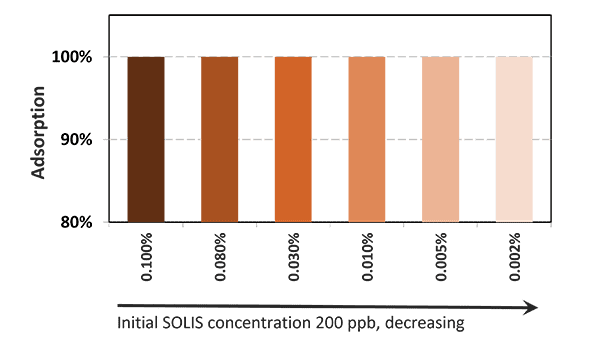
In the case of contamination with only aflatoxin, the cost-effective solution Solis is recommended. Solis consists of well-selected superior silicates with high surface area due to its layered structure. Solis shows high adsorption of aflatoxin B1, which was proven in a trial:

FigureFigure 3: Binding capacity of Solis for Aflatoxin

Even at a low inclusion rate, Solis effectively binds the tested mycotoxin at a very high rate of nearly 100%. It is a high-efficient, cost-effective solution for aflatoxin contamination.

Solis Max 2.0: The effective mycotoxin solution for sustainable profitability

Solis Max 2.0 has a synergistic combination of ingredients that acts by chemi- and physisorption to prevent toxic fungal metabolites from damaging the animal’s gastrointestinal tract and entering the bloodstream.

Figure

Figure 4: Composition and effects of Solis Max 2.0

Solis Max 2.0 is suitable for more complex challenges and longer-living animals: in addition to the pure mycotoxin adsorption, Solis Max 2.0 also effectively supports the liver and, thus, the animal in its fight against mycotoxins.

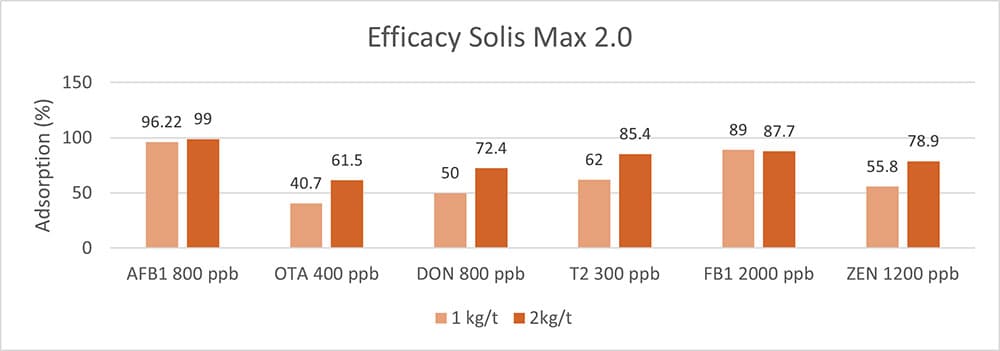
In an in vitro trial, the adsorption capacity of Solis Max 2.0 for the most relevant mycotoxins was tested. For the test, the concentrations of Solis Max 2.0 in the test solutions equated to 1kg/t and 2kg/t of feed.

FigureFigure 5: Efficacy of Solis Max 2.0 against different mycotoxins relevant in poultry production

The test showed a high adsorption capacity: between 80% and 90% for Aflatoxin B1, T-2 Toxin (2kg/t), and Fumonisin B1. For OTA, DON, and Zearalenone, adsorption rates between 40% and 80% could be achieved at both concentrations (Figure 5). This test demonstrated that Solis Max 2.0 could be considered a valuable tool to mitigate the effects of mycotoxins in poultry.

Broiler trial shows improved performance in broilers

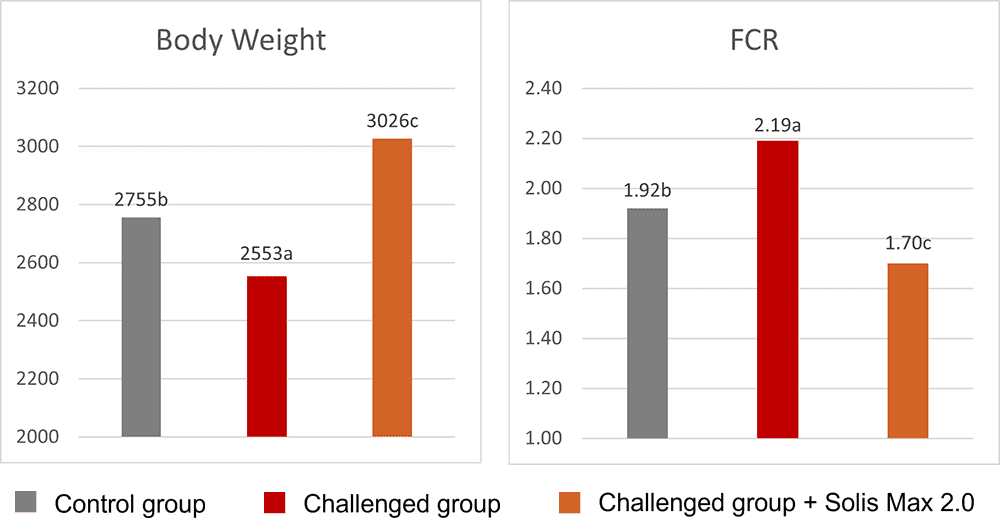
Protected and, therefore, healthier animals can use their resources for growing/laying eggs. A trial showed improved liver health and performance in broilers challenged with two different mycotoxins but supported with Solis Max 2.0.

For the trial, 480 Ross-308 broilers were divided into three groups of 160 birds each. Each group was placed in 8 pens of 20 birds in a single house. Nutrition and management were the same for all groups. If the birds were challenged, they received feed contaminated with 30 ppb of Aflatoxin B1 (AFB1) and 500 ppb of Ochratoxin Alpha (OTA).

Negative control: no challenge no mycotoxin-mitigating product
Challenged group: challenge no mycotoxin-mitigating product
Challenge + Solis Max 2.0 challenge Solis Max 2.0, 1kg/t

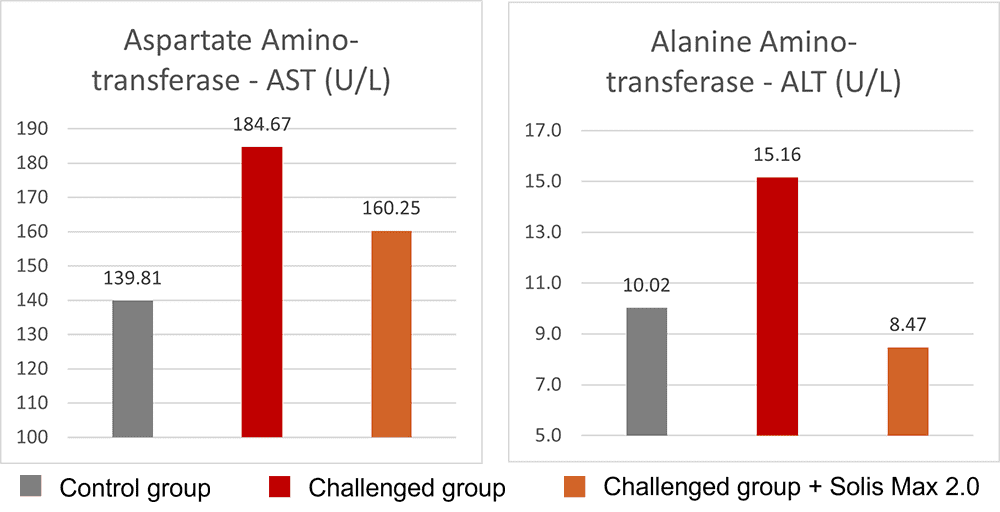
The body weight and FCR performance parameters were measured, as well as the blood parameters of alanine aminotransferase and aspartate aminotransferase, both related to liver damage when increased.

Concerning performance as well as liver health, the trial showed partly even better results for the challenged group fed with Solis Max 2.0 than for the negative, unchallenged control (Figures 6 and 7):

  • 6% higher body weight than the negative control and 18.5% higher body weight than the challenged group
  • 12 points and 49 points better FCR than the negative control and the challenged group, respectively
  • Lower levels of AST and ALT compared to the challenged group, showing a better liver health

The values for body weight, FCR, and AST, even better than the negative control, may be owed to the content of different gut and liver health-supporting phytomolecules.

FigureFigure 6: Better performance data due to the addition of Solis Max 2.0

FigureFigure 7: Healthier liver shown by lower values of AST and ALT

Effective toxin risk management: staying power is required

Mycotoxin mitigation requires many different approaches. Mycotoxin mitigation starts with sewing the appropriate plants and continues up to the post-ingestion moment. From various studies and field experience, we find that besides the right decisions about grain crops, storage management, and hygiene, the use of effective products which mitigate the adverse effects of mycotoxins is the most practical and effective way to maintain animals healthy and well-performing. According to Eskola and co-workers (2020), the worldwide contamination of crops with mycotoxins can be up to 80% due to the impact of climate change and the availability of sensitive technologies for analysis and detection. Using a proper mycotoxin mitigation program as a precautionary measure is, therefore, always recommended in animal production.

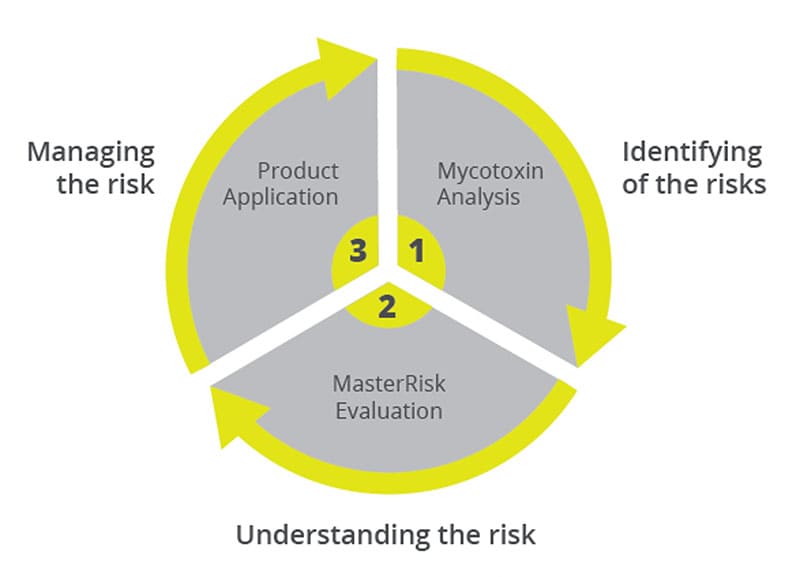
Toxin Risk ManagementFigure

EW Nutrition’s Toxin Risk Management Program supports farmers by offering a tool (MasterRisk) that helps identify and evaluate the risk and gives recommendations concerning using toxin solutions.


Rising feed costs? Focus on the FCR

shutterstock 1500147875 small

by Inge Heinzl, Editor, and Marisabel Caballero, Global Technical Manager Poultry, EW Nutrition


What is your most crucial key feed performance indicator? We posted this question on an online professional platform and got more than 330 answers from professionals in the industry:

  • 55 % of the respondents considered feed efficiency or feed conversion rate (FCR) the key indicator, and
  • 35 % listed feed cost / kg produced as their most important indicator.
As feed represents 60-70 % of the total production costs, feed efficiency has a high impact on farm profitability – especially in times of high feed prices. Furthermore, for the meat industry, an optimal FCR is essential for competitiveness against other protein sources. Finally, for food economists, feed efficiency is connected to the optimal use of natural resources (Patience et al., 2015).

In this article, we explain the factors that influence feed efficiency and show options to support animals in optimally utilizing the feed – directly improving the profitability of your operation.

How to measure the feed conversion rate

The FCR shows how efficiently animals utilize their diet for maintenance and net production. In the case of fattening animals, it is meat production; for dairy cows, it is milk, and for layers, it is egg mass (kg) or a specific egg quantity.

The feed conversion rate is the mathematical relation obtained by dividing the amount of feed the animal consumed by the production it provided. The FCR is an index for the degree of feed utilization and shows the amount of feed needed by the animal to produce one kg of meat or egg mass, or, e.g., 10 eggs.

When comparing the FCRs of different groups of animals (e.g., from different houses or farms), some considerations are important:


  • Feed consumed is not feed disappeared: Due to differences in feeder design and feeder adjustment, these two values can differ by 10-30 %. If FCR is calculated for economic purposes, the wasted feed must be included, as it causes costs and must be paid by the farmer. However, if FCR is calculated for scientific purposes (e.g., a performance trial), only the feed consumed should be included.
  • Even if they are same-aged animals, individuals or groups differ in weight. Hence, they have different requirements for maintenance and also diverging quantity left for production. To avoid mistakes, weight-corrected FCR can be used.
  • Nutrient utilization also depends on genotype and sex; thus, comparisons should consider these factors as they also influence weight gain and body composition (Patience et al., 2015).

Many factors influence the FCR

There are internal and external factors that influence feed efficiency. Internal factors originate in the animal and include genetics, age, body composition, and health status. In contrast, external factors include feed composition, processing, and quality, as well as the environment, welfare enrichment, and social aspects.

1. Species

Different species have different body sizes and physiology and, therefore, vary in their growth and maintenance requirements, impacting their efficiency in converting the feed.

Table 1: FCRs of different species
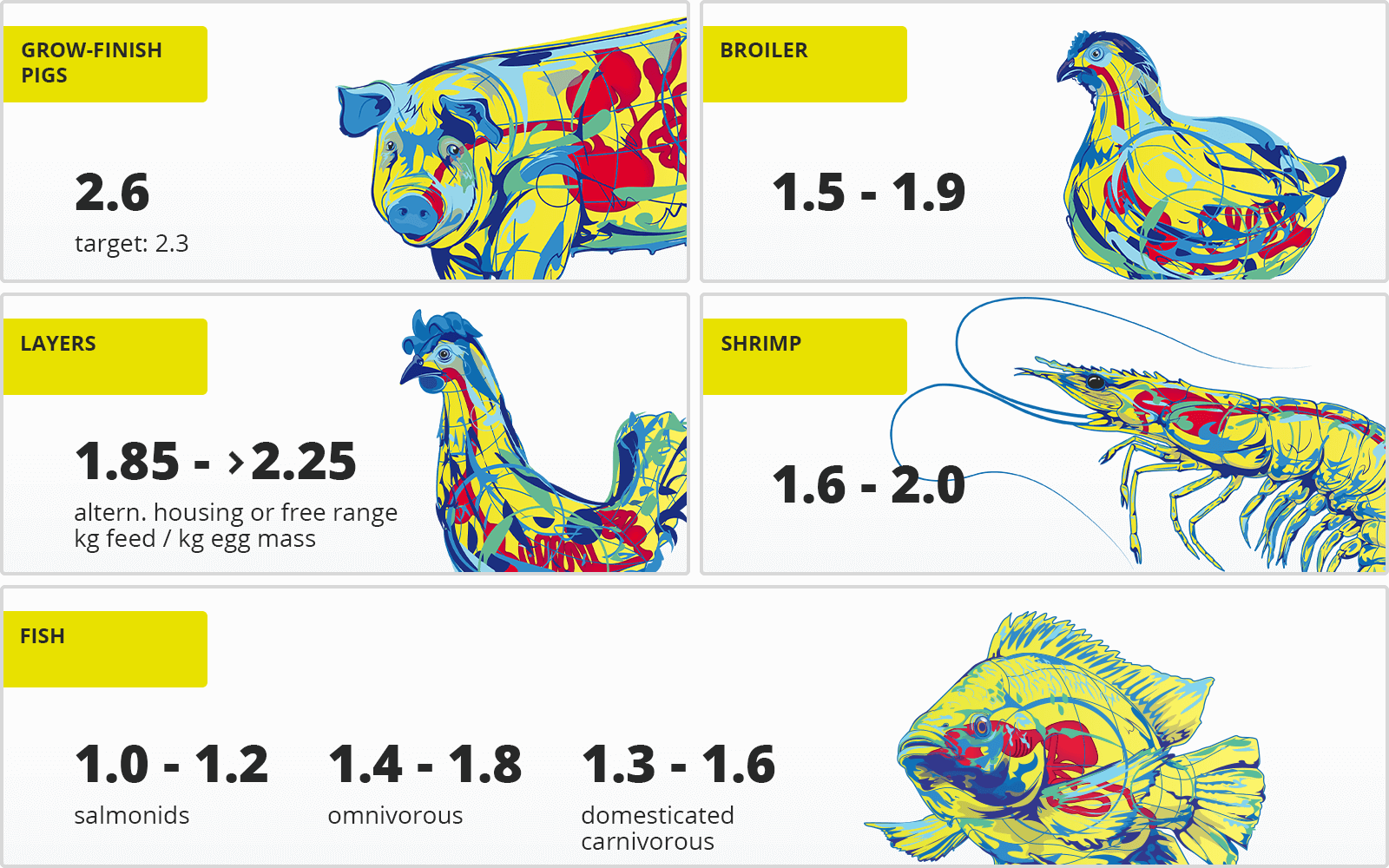
Compared to terrestrial animals, for example, fish and other aquatic animals have a low FCR. Being poikilothermic (animals whose body temperature ranges widely), they don’t spend energy on maintaining their body temperature if the surrounding water is within their optimal range. As they are physically supported by water, they also need less energy to work against gravity. Furthermore, carnivorous fish are offered highly digestible, nutrient-dense feed, which lowers their requirements in quantity. Omnivorous fish, on the other hand, also consume feedstuffs not provided by the producer (e.g., algae and krill), which is not considered in the calculation. Broilers are the only farm animals achieving a similar FCR.

2. Sex, age, and growth phase

Sex determines gene expression related to the regulation of feed intake and nutrient utilization. Males have a better feed conversion and put on more lean meat than females and castrates, which grow slower and easier run to fat.

Young animals have a fast growth rate and are offered nutritionally dense feed; hence, their FCR is lower. When the animal grows and gains weight, its energy requirement for maintenance increases and its growth rate and the feed nutrient density diminish.

Table 2: FCR during different life phases of pigs (based on Adam and Bütfering, 2009)

Age / weight / phase FCR
Piglet 0 – 2 weeks 1.1 – 1.2
3 – 6 weeks 1.6 – 1.8
Grower-finisher 30 – 120 kg ~ 2.6
End of fattening 4 – 5

3. Health and gut health

Health decisively impacts feed conversion. An animal that is challenged by pathogens reduces its feed intake and, thus, decreases growth. Additionally, the body needs energy for the immune defense, the replacement of damaged or lost tissue, and heat production, in case of fever. As many immune components are rich in protein, this is the first nutrient to become limited.

An imbalance in the gut microbiome also impacts feed conversion: pathogenic microorganisms damage tissues, impair nutrient digestion and absorption, and their metabolic products are harmful. Furthermore, pathogens consume nutrients intended for the host and continue to proliferate at its expense.

4. Environment

The environment influences the way the animals spend their maintenance energy. According to Patience (2012), when a 70 kg pig is offered feed ad libitum, 34 % of the daily energy is used for maintenance. For each °C below the thermoneutral zone, an additional 1.5% of feed is needed for maintenance. In heat stress, each °C above the optimum range decreases feed intake by 2%. Therefore, the feed needs to be denser to fulfill the requirement, or the animal will lose weight. Social stress also influences animal performance, especially chronic stress situations. Keeping the animals in their thermoneutral zone and mitigating the impact of stressors means more energy can go towards performance.

5. Feed quantity, composition, and quality

The feed is the source of nutrients animals convert into production. So, it’s natural that its quality and composition, and the availability of nutrients affect feed efficiency.

Better FCR by increasing nutrient density and digestibility

Higher energy content in the diet and better protein digestibility improve FCR. Saldaña et al. (2015) assert that increasing the energy content of a diet led to a linear decrease of the average daily feed intake but improved FCR quadratically. The energy intake by itself remained equal. However, these diet improvements also increase costs, and a cost-benefit analysis should be conducted.

Feed form and particle size play an important role

Feed processing can improve nutrient utilization. Particle size, moisture content, and whether the feed is offered as pellets or mash influence feed efficiency. Reducing the particle size leads to a higher contact surface for digestive enzymes and higher digestibility. Chewning et al. (2012) tested the effect of particle size and feed form on FCR in broilers. They found that pellet diets enable better FCRs than mash diets – one reason is the lower feed waste, another one the smaller feed particle size in the pelleted feed. Comparing the different tested mash diets, the birds receiving feed with a particle size of 300 µm performed better than the birds getting a diet with 600 µm particles.

Richert and DeRouchey (2015) show that pigs’ feed efficiency improved by 1.3 % for every 100 µm when the particle size was reduced from 1000 µm to 400 µm , as the contact surface for the digestible enzymes increased. In weaning piglets of 28-42 days, the increase of particle size from 394 µm to 695 µm worsened FCR from 1.213 to 1.245 (Almeida et al., 2020). There is a flipside to smaller particle size as well, however: high quantities of fines in the diet can lead to stomach ulceration in pigs (Vukmirović et al., 2021).

Non-starch polysaccharide (NSP)-rich cereals worsen FCR

The carbohydrates in feedstuffs such as wheat, rye, and barley are not only energy suppliers, and if not managed well, the inclusion of these raw materials can deteriorate feed conversion. Vegetable structural substances such as cellulose, hemicellulose, or lignin (e.g., in bran), are difficult or even impossible to utilize as they lack the necessary enzymes.

Figure 1: Contents of arabinoxylan and ß-glucan in grain (according to Bach Knudsen, 1997)
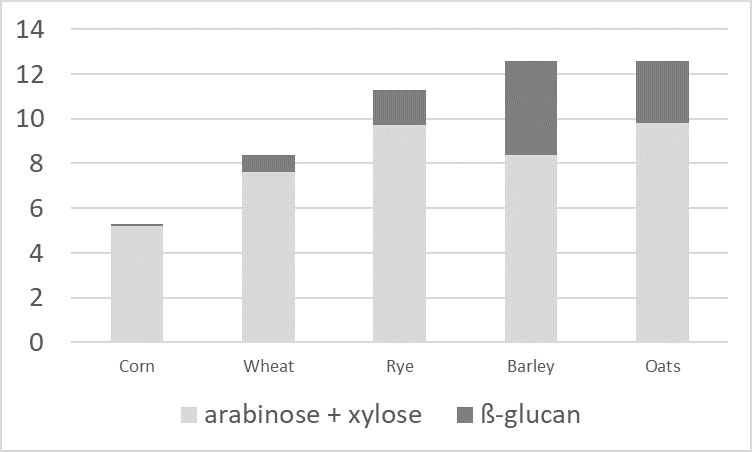
Additionally, water-soluble NSPs (e.g., pectins, but also ß-glucans and pentosans) have a high water absorption capacity. These gel-forming properties increase the viscosity of the digesta. High viscosity reduces the passage rate and makes it more difficult for digestive enzymes and bile acids to come into contact with the feed components. Also, nutrients’ contact with the resorptive surface is reduced.

Another disadvantage of NSPs is their “cage effect.” The water-insoluble NSPs cellulose and hemicellulose trap nutrients such as proteins and digestible carbohydrates. Consequently, again, digestive enzymes cannot reach them, and they are not available to the organism.

Molds and mycotoxins impair feed quality, but also animal health

Molds reduce the nutrient and energy content of the feed and negatively impact feed efficiency. They are dependent on active water in the feed and feed ingredients. Compared to bacteria, which need about 0.9-0.97 Aw (active water), most molds require only 0.86 Aw.

Table 3: Comparison of 28-day-old chicks performance fed not-infested and molded corn

Weight gain (g) FCR
Non-infested corn 767 a 1.79 a
Molded corn 713 b 1.96 b

Besides spoiling raw materials and feed and reducing their nutritional value, molds also produce mycotoxins which negatively impact animal health, including gut health. They damage the intestinal villi and tight junctions, reducing the surface for nutrient absorption. In a trial with broiler chickens, Kolawole et al. (2020) showed a strong positive correlation between the FCR and the exposure to different mycotoxins. The increase in levels of toxin mixtures resulted in poor FCR. Williams and Blaney (1994) found similar results with growing pigs. The animals received diets containing 50 % and 75 % of corn with 11.5 mg nivalenol and 3 mg zearalenone per kg. The inclusion of contaminated corn led to a deterioration of feed efficiency from 2.45 (control) to 3.49 and 3.23.

Oxidation of fats also affects feed quality

DDGS (distiller’s dried grains with solubles), by-products of corn distillation processes, are often used as animal feed, especially for pigs. The starch content is depleted in the distillation process and thus removed. The fat, however, is concentrated, and DDGS reach a similar energy content as corn.

Pigs also receive fats from different sources (e.g., soybean or corn oil, restaurant grease, animal-vegetable blends), especially in summer. Due to heat, the animals eat less, so increasing energy density in the feed is a possibility to maintain the energy intake.  The high fat content, however, makes these feeds susceptible to oxidation at high temperatures.

The oxidation of feedstuffs manifests in the rancidity of fats, destruction of the fat-soluble vitamins A, D, and E, carotenoids (pigments), and amino acids, leading to a lower nutritional value of the feed.

Use adequate supplements to enhance FCR

The feed industry offers many solutions to improve the FCR for different species. They usually target the animal’s digestive health or maintain/enhance feed quality, including increasing nutrient availability.

1. Boost your animals’ gut health

Producers can improve gut health by preventing the overgrowth of harmful microorganisms and by mitigating the effects of harmful substances. For this purpose, two kinds of feed additives are particularly suitable: phytomolecules and products mitigating the impact of toxins and mycotoxins.

Phytomolecules help stabilize the balance of the microbiome

By preventing the proliferation of pathogens, phytomolecules help the animal in three ways:

  1. They prevent pathogens from damaging the gut wall
  2. They deter and mitigate inflammation
  3. By inhibiting the overgrowth of pathogens, they promote better nutrient utilization by the animal

Only a healthy gut can optimally digest feed and absorb nutrients.

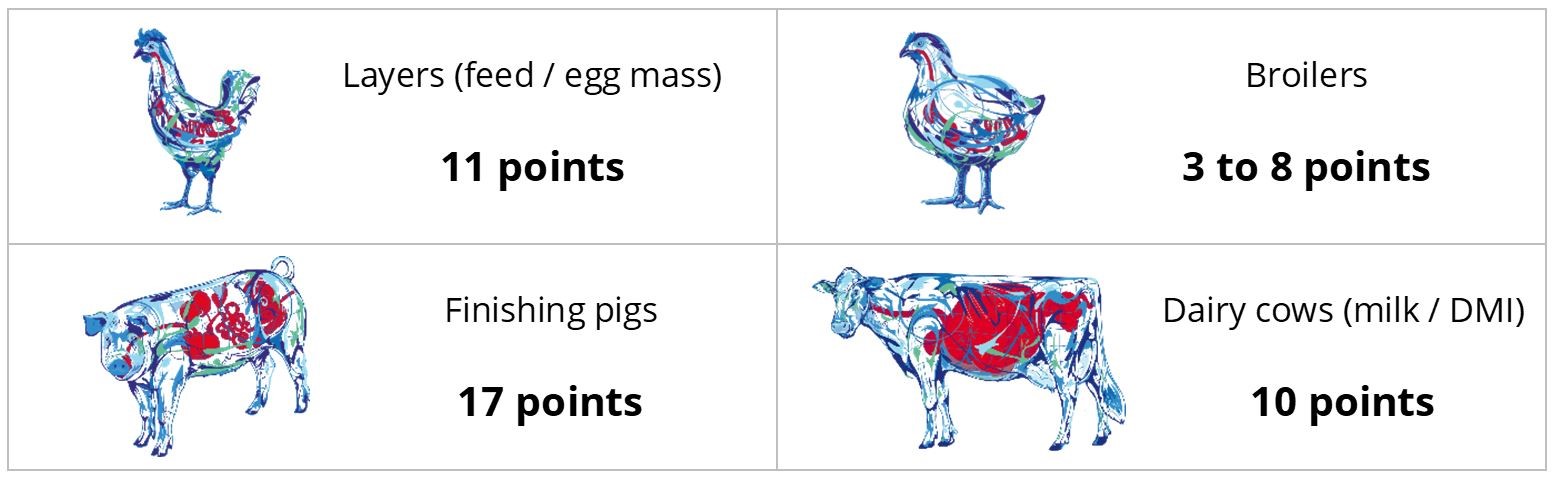
In trials testing the phytogenic Activo product range, supplemented animals showed the following FCR improvements compared to non-supplemented control groups (Figure 2).  Note that phy­tomolecules also have a digestive effect that contributes to the FCR improvements:

Figure 2: FCR improvements for animals receiving Activo
Products mitigating the adverse effects of toxins

Both mycotoxins and bacterial toxins negatively impact gut health. Mycotoxins are ingested with the feed; bacterial toxins appear when certain bacteria proliferate in the gut, e.g., gram-negative bacteria releasing LPS or Clostridium perfringens producing NetB and Alpha-toxin.

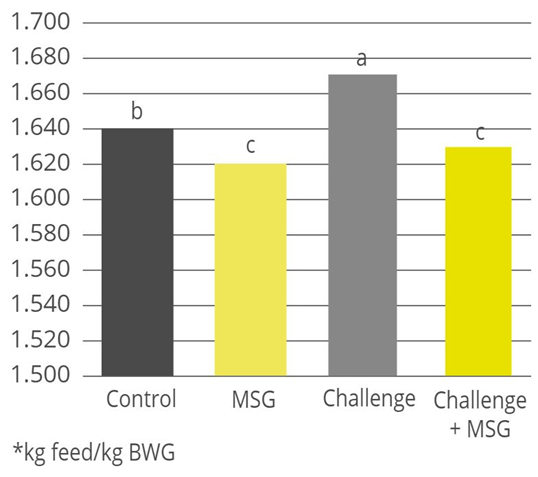
Products that mitigate the harmful effects of toxins help to protect gut health and maintain an optimal feed efficiency, as shown with a trial conducted with Mastersorb Gold:

Table 4: Trial design, the impact of Mastersorb Gold on broilers challenged with zearalenone and DON-contaminated feed

  Control Mastersorb Gold Challenge Challenge + Mastersorb Gold
Challenge 300ppb zearalenone and 6000ppb DON 300ppb zearalenone and 6000ppb DON
Additive MSG (2 kg / MT of feed) MSG (1 kg / MT of feed)

Figure 3: Average FCR for broilers, with or without zearalenone and DON challenge, with or without Mastersorb Gold supplementation
2. Improve nutrient utilization

Maximum use of the nutrients contained in the feed can be obtained with the help of feed additives that promote digestion. Targeting the animal, selected phytomolecules are used for their digestive properties. Focusing on the feed, specific enzymes can unlock nutrients and thus improve feed efficiency.

Phytomolecules support the animal’s digestive system

Phytomolecules promote optimal digestion and absorption of nutrients by stimulating the secretion of digestive juices, such as saliva or bile, enhancing enzyme activity, and favoring good GIT motility (Platel and Srinivasan, 2004). FCR improvements thanks to the use of a phy­tomolecules-based product (Activo) are shown in figure 2.

Enzymes release more nutrients from feed

Enzymes can degrade arabinoxylans, for example. Arabinoxylans are the most common NSP fraction in all cereals – and are undigestible for monogastric animals. Enzymes can make these substances available for animals, allowing for complete nutrient utilization.  Additionally, nutrients trapped due to the cage effect are released, altogether increasing the energy content of the diet and improving FCR.

3. Be proactive about preserving feed quality

The quality of feed can deteriorate, for instance, when nutrients oxidize, or mold infestation occurs. Oxidation by-products promote oxidative stress in the intestine and may lead to tissue damage. Molds, in turn, take advantage of the nutrients contained in the feed and produce mycotoxins. Both cases illustrate the importance of preventing feed quality issues. Feed additives such as antioxidants and mold inhibitors mitigate these risks.

Antioxidants prevent feed oxidation

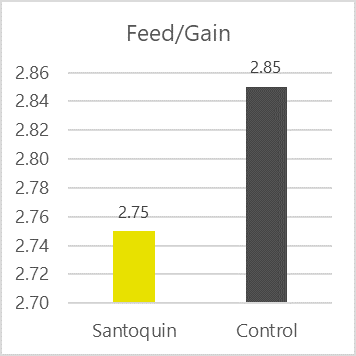
Antioxidants scavenge free radicals and protect the feed from spoilage. In animals, they mitigate the adverse effects of oxidative stress. Antioxidants in pig nutrition can stabilize DDGS and other fatty ingredients in the feed, maintaining nutrient integrity and availability. Figure 4 shows the FCR improvement that a producer in the US obtained when using the antioxidant product Santoquin in pork finisher diets containing 30% DDGS.

Figure 4: FCR improvement in pigs receiving Santoquin (trial with a Midwest pork producer)
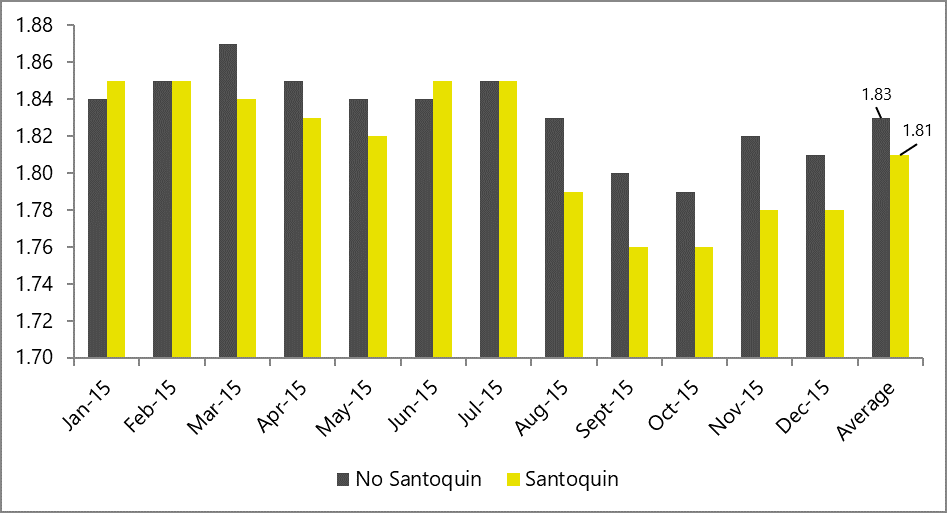
In DDGS-free diets, which are more common in poultry production, antioxidants also help optimize FCR, as shown by the results of a comprehensive broiler field study in 2015 (figure 5).

Figure 5: FCR in broilers receiving Santoquin, compared to a non-supplemented control group
Inhibiting molds and keeping feed moisture

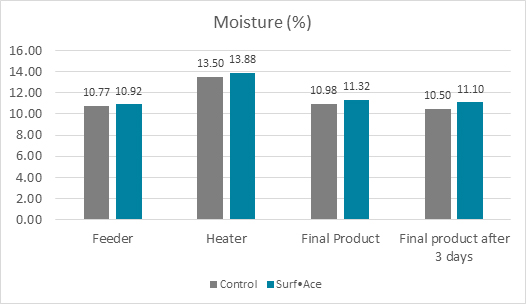
To round off the topic of feed quality preservation, one should consider mold inhibitors, which also play an essential role. Used at the feed mill, these products blend two types of ingredients with their different modes of action: surfactants and organic acids. Surfactants bind active water so that the moisture of the feed persists, but fungi cannot survive. Organic acids, on the other hand, have anti-fungal properties, directly acting against molds. Both actions together prevent the reduction of energy in the feed, keeping feed efficiency at optimal levels.

Conclusion

The improvement of feed efficiency ranks as one of the most, if not the most, critical measures to cope with rising feed costs. By achieving optimal nutrient utilization, producers can make the most out of the available raw materials.

The feed industry offers diverse solutions to support animal producers in optimizing feed efficiency. Improving gut health, mitigating the negative impact of harmful substances, and maintaining feed quality are crucial steps to achieving the best possible FCR and, hence, cost-effective animal production.

References

Adam, F., and L. Bütfering. “Wann Müssen Meine Schweine an Den Haken?” top agrar. top agrar online, October 1, 2009. https://www.topagrar.com/schwein/aus-dem-heft/wann-muessen-meineschweine-an-den-haken-9685161.html.

Almeida, Leopoldo Malcorra, Vitor Augusto Zavelinski, Katiucia Cristine Sonálio, Kariny Fonseca da Silva, Keysuke Muramatsu, and Alex Maiorka. “Effect of Feed Particle Size in Pelleted Diets on Growth Performance and Digestibility of Weaning Piglets.” Livestock Science 244 (2021). https://doi.org/10.1016/j.livsci.2020.104364.

Chewning, C.G., C.R. Stark, and J. Brake. “Effects of Particle Size and Feed Form on Broiler Performance.” Journal of Applied Poultry Research 21, no. 4 (2012): 830–37. https://doi.org/10.3382/japr.2012-00553.

Gaines, A. M., B. A. Peerson, and O. F. Mendoza. “Herd Management Factors That Influence Whole Feed Efficiency.” Essay. In Feed Efficiency in Swine, edited by J. Patience, 15–39. Wageningen Academic, 2012.

Kolawole, Oluwatobi, Abigail Graham, Caroline Donaldson, Bronagh Owens, Wilfred A. Abia, Julie Meneely, Michael J. Alcorn, Lisa Connolly, and Christopher T. Elliott. “Low Doses of Mycotoxin Mixtures below EU Regulatory Limits Can Negatively Affect the Performance of Broiler Chickens: A Longitudinal Study.” Toxins 12, no. 7 (2020): 433. https://doi.org/10.3390/toxins12070433.

Patience, J. F. “The Influence of Dietary Energy on Feed Efficiency in Grow-Finish Swine.” Essay. In In Feed Efficiency in Swine, edited by J. Patience, 15–39. Wageningen Academic, 2012.

Patience, John F., Mariana C. Rossoni-Serão, and Néstor A. Gutiérrez. “A Review of Feed Efficiency in Swine: Biology and Application.” Journal of Animal Science and Biotechnology 6, no. 1 (2015). https://doi.org/10.1186/s40104-015-0031-2.

Platel, K., and K. Srinivasan. “Digestive Stimulant Action of Spices: A Myth or Reality?” Indian J Med Res, pp 167-179 119 (May 2004): 167–79. http://www.ncbi.nlm.nih.gov/pubmed/15218978

Richert, B. T., and J. M. DeRouchey. “Swine Feed Processing and Manufacturing.” Pork Information Gateway, September 14, 2015. https://porkgateway.org/resource/swine-feed-processing-and-manufacturing/.

Saldaña, B., P. Guzmán, L. Cámara, J. García, and G.G. Mateos. “Feed Form and Energy Concentration of the Diet Affect Growth Performance and Digestive Tract Traits of Brown-Egg Laying Pullets from Hatching to 17 Weeks of Age.” Poultry Science 94, no. 8 (2015): 1879–93. https://doi.org/10.3382/ps/pev145.

Vukmirović, Đuro, Radmilo Čolović, Slađana Rakita, Tea Brlek, Olivera Đuragić, and David Solà-Oriol. “Importance of Feed Structure (Particle Size) and Feed Form (Mash vs. Pellets) in Pig Nutrition – A Review.” Animal Feed Science and Technology 233 (2017): 133–44. https://doi.org/10.1016/j.anifeedsci.2017.06.016.



Mycotoxins affect intestinal health and productivity in broiler breeders

By Han Zhanqiang, Poultry Technical Manager, EWN China

Poultry meat accounts for more than one-third of global meat production. With increasing demand levels, the industry faces several challenges. Among them is the continuous supply of day-old chicks, which is affected by various issues. Mitigation strategies should be taken to ensure the supply of good quality day-old chicks to production farms.

Fast-growing broilers versus fit breeders

The poultry industry is challenged by the broiler-breeder paradox: on the one hand, fast-growing broilers are desirable for meat production. On the other hand, the parents of these broilers have the same genetic traits, but in order to be fit for reproduction, their body weight should be controlled. Thus, feed restriction programs, considering breeder nutritional requirements, are necessary to achieve breed standards for weight, uniformity, body structure, and reproductive system development, determining the success of day-old chick production.

Mycotoxins affect breeder productivity

During the rearing period, gut health problems such as coccidiosis, necrotic enteritis, and dysbiosis affect flocks. Also during the laying period, breeder flocks are also susceptible to disturbances in gut health, especially during stressful periods, leading to reduced egg production and an increase in off-spec eggs. One measure to restrain these challenges is the strict quality control of the feed. In this context, contamination with mycotoxins is an important topic. However, due to the nature of fungal contamination and limitations of sampling procedures, mycotoxins may not be detected or may be present at levels considered low and not risky.

Existing studies on mycotoxins in breeders indicate that mycotoxins can cause varying degrees of reduction in egg production and hatchability and are also associated with increased embryonic mortality. Recent studies have shown that low levels of mycotoxins interact with other stressors and may lead to reduced productivity. These losses are often mistaken for normal breeder lot variation. However, they cause economic losses far greater than normal flock-to-flock variability.

Mycotoxins impair the functionality of the gut

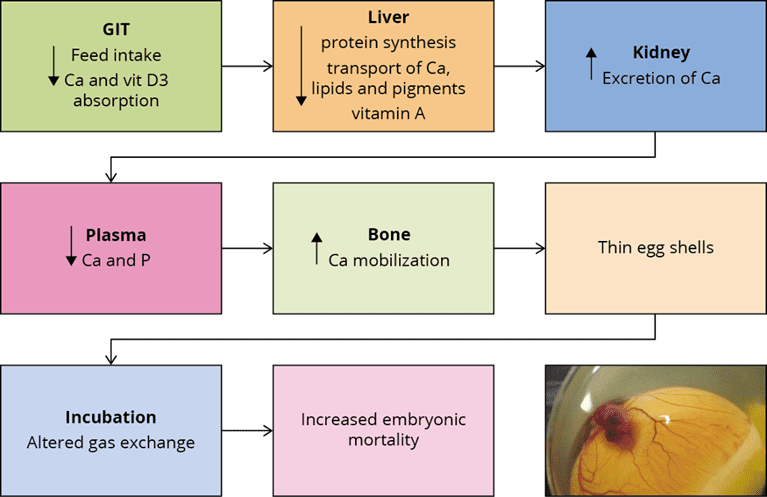
Low mycotoxin levels affect gut health. Individually and in combinations, mycotoxins such as DON, FUM, and T2 can impact gut functions such as digestion, absorption, permeability, immunity, and microbial balance. This is critical in feed-restricted flocks because it decreases body weight and uniformity, and in laying animals, egg production and egg quality can be reduced. Absorption of calcium and vitamin D3, which are critical for eggshell formation, depends on gut integrity and the efficiency of digestion and absorption. These factors can be adversely affected by even low mycotoxin levels: eggshells can become thin and brittle, thereby reducing hatching eggs and increasing early embryo mortality.

Prevention is the key to success in day-old chick production, therefore:

  • avoid the use of raw materials with known mycotoxin contamination.
  • use feed additives prophylactically, especially with anti-mycotoxin and antioxidant properties.

Prevention is an alternative approach to assure health and productivity in -many times unknown- mycotoxin challenges.

Figure Effect Of MycotoxinsFigure 1: Effect of mycotoxins on eggshell quality and embryo death (Caballero, 2020)

University trial shows anti-mycotoxin product improving performance

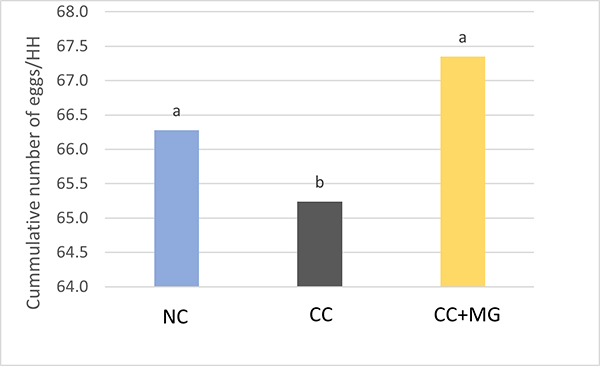
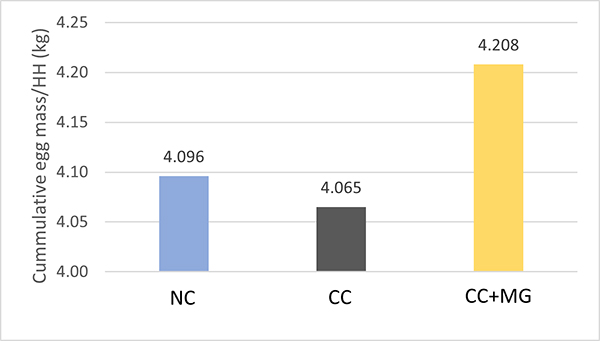
A recent study by the University of Zagreb confirmed that long-term (13 weeks) exposure to feed contaminated with mycotoxins has an impact on egg production performance – a challenge that could be counteracted by using an anti-mycotoxin product.

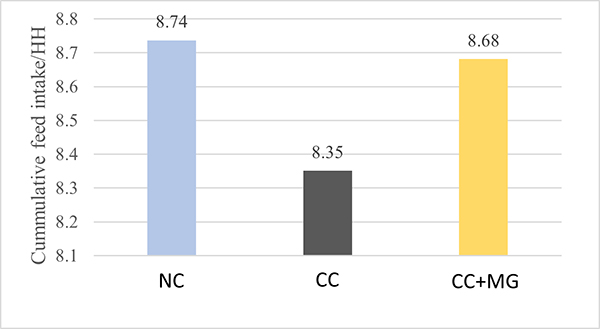
The negative control (NC) was offered feed without mycotoxins. In contrast, the challenged control (CC), as well as a third group, received feed contaminated with 200ppb of T2, 100ppb of DON, and 2500ppb of FMB1. To the feed of the third group, an anti-mycotoxin feed additive (Mastersorb Gold, EW Nutrition) was given on top (CC+MG).

Figure Influence On Feed IntakeFigure 2: Influence of mycotoxins on feed intake and the effect of the anti-mycotoxin product Mastersorb Gold

Figure Cumulative Number Of EggsFigure 3: The effect of mycotoxins on the cumulative number of eggs and the compensating effect of Mastersorb Gold

Figure Cumulative Egg MassFigure 4: The impact of mycotoxins on the cumulative egg mass and the countereffect of Mastersorb Gold

As expected, the contaminated feed reduced feed intake, egg production, and egg weight (Fig. 2-4). Moreover, the liver and gut were affected which was evidenced in histopathological lesion scores of the organs: the control group had the lowest score, followed by the group fed Mastersorb Gold. The challenged group without any anti-mycotoxin product scored the highest.

Breeders are susceptible to mycotoxins and need our support

Broiler breeders and day-old chick production can be affected by long-term exposure to mycotoxins, which often exceeds the tolerance range of average flocks. To reduce or even prevent the potential impact of mycotoxins, a comprehensive management strategy is crucial. This includes responsible raw material procurement, storage, and feed processing leading to high feed quality, and the consideration of breeders’ nutrient demands. The inclusion of highly effective products to manage mycotoxin risk is an additional tool to maintain breeder performance.


Feed hygiene protects animals and humans

by
Vaibhav Gawande, Assistant Manager Technical Services, EW Nutrition

Inge Heinzl, Editor, EW Nutrition
Marisabel Caballero, Global Technical Manager Poultry, EW Nutrition

The utility value of feed consists of the nutritional value and the quality. The first covers all characteristics concerning the essential nutrients and is important for feed formulation and the adequate supply of the animals.

Feed quality comprises all characteristics of a feed influenced by treatment, storage, conservation, hygiene, and its content of specific substances. For many factors, guidance and threshold values are available which should be met to guarantee animal health and welfare, as well as to protect public health, since some undesirable substances can be transferred to animal products such as meat, eggs, and milk.

In this article, we will focus on feed hygiene. We will talk about the consequences of low feed quality, how to understand it, its causes, and possible solutions.

What are the effects of deficient feed hygiene?

The consequences of deficient feed hygiene can be divided into two parts: impurities and spoilage.

Impurities comprise:

  • the presence of soil, sand, or dust
  • contamination with or residues of heavy metals, PCB, dioxins, pesticides, fertilizers, disinfectants, toxic plants, or banned feed ingredients

In the case of spoilage, we see:

  • degradation of organic components by the action of molds and bacteria
  • growth of pathogens such as E. coli, salmonella, etc.
  • accumulation of toxins such as mycotoxins or bacterial toxins (Hoffmann, 2021)

Bad feed hygiene can also negatively impact the feed’s nutritional value by leading to a loss of energy as well as decreasing the bioavailability of vitamins A, D3, E, K, and B1.

How can all signs of deficient feed hygiene be recognized? Soil, sand, and probably dust can be seen in well-taken samples and impurities can be analyzed. But is it possible to spot spoilage? In this case, agglutinated particles, rancid odor, moisture, and discoloration are indicators. Sometimes, also the temperature of the feed or ingredient increases. However, spoilage is not always obvious and an analysis of the feed can give more information about the spoilage-related organisms present. It also helps to decide if the feed is safe for the animals or not. In the case of obvious alterations, the feed should not be consumed by any animal.

Different organisms decrease feed quality and impact health

Several organisms can be responsible for a decrease in feed quality. Besides the visible pests such as rats, mice, or beetles, which can easily be noticed and combatted, there are organisms whose mastering is much more difficult. In the following part, the different harmful organisms and substances are described and solutions are presented.

Enteropathogens can cause diarrhea and production losses

In poultry, different bacteria responsible for high production losses can be transferred via the feed. The most relevant of them are Clostridium perfringens, Escherichia coli, and some strains of Salmonella.

Clostridium perfringens, the cause of necrotic enteritis

Clostridium perfringens is a gram-positive, anaerobic bacterium that is extremely resistant to environmental influences and can survive in soil, feed, and litter for several years and even reproduce. Clostridium perfringens causes necrotic enteritis mainly in 2-16 weeks old chickens and turkeys, being more critical in 3-6 weeks old chicks.

There is a clinical and a subclinical form of necrotic enteritis. The clinical form can be detected very well due to clear symptoms and mortality rates up to 50%. The subclinical form, not well detectable, also raises high costs due to a significant decrease in performance. The best prophylaxis against clostridia is the maintenance of gut health, including feed hygiene.

Clostridia can be found in animal by-products, as can be seen in table 1.

Sr. No. Sample details Clostridium perfringens contamination Total number of samples Positivity %
Positive Negative
1 Meat and bone meal 39 52 91 42.86
2 Soya meal 0 3 3 0
3 Rape seed meal 0 1 1 0
4 Fish meal 21 17 38 55.26
5 Layer Feed 21 71 93 22.58
6 Dry fish 5 8 13 38.46
7 De-oiled rice bran 0 2 2 0
8 Maize 0 2 2 0
9 Bone meal 13 16 29 44.83

Table 1: Isolation of Clostridium perfringens from various poultry feed ingredients in Tamil Nadu, India (Udhayavel et al., 2017)

Salmonella is harmful to animals and humans

Salmonella is a gram-negative enterobacterium and can occur in feed. There are only two species – S. enterica and S. bongori (Lin-Hui and Cheng-Hsun, 2007), but almost 2700 serotypes. The most known poultry-specific Salmonella serotypes are S. pullorum, affecting chicks, and S. gallinarum, affecting adult birds. The other two well-known serotypes, S. enteritidis and S. typhimurium, are the most economically important ones because they can also infect humans.

Especially Salmonella enteritidis can be transferred via table eggs to humans. The egg content can be infected vertically as a result of the colonization of the reproductive tract of the hen (De Reu, 2015). The other possibility is a horizontal infection, as some can penetrate through the eggshell from a contaminated environment or poor egg handling.

The transfer of Salmonella is also possible through meat. However, as there are more production steps where contamination can happen (breeder and broiler farm, slaughterhouse, processing plants, food storage…), traceability is more complicated. As feed can be a vector, feed hygiene is crucial.

Moreover, different studies have found that the same Salmonella types found in feed are also detected – weeks later- in poultry farms and even further in the food chain, as reviewed by Ricke and collaborators (2019). Other researches even imply that Salmonella contamination of carcasses and eggs could be significantly reduced by minimizing the incidence of Salmonella in the feed (Shirota et al., 2000).

E. coli – some are pathogenic

E. coli is a Gram-negative, not acid-resistant bacterium and most strains are inhabitants of the gut flora of birds, warm-blooded animals, and humans. Only some strains cause disease. To be infectious, the bacteria must have fimbriae to attach to the gut wall or the host must have an immune deficiency, perhaps due to stress. E. coli can be transmitted via contaminated feed or water as well as by fecal-contaminated dust.

Escherichia coli infections can be found in poultry of all ages and categories and nearly everywhere in the bird. E. coli affects the navel of chicks, the reproductive organs of hens, several parts of the gut, the respiratory tract, the bones and joints, and the skin and are part of the standard control.

The feed microbiome can contribute to a balanced gut microbial community. The origins of pathogenic E. coli in a flock can also be traced to feed contamination (Stanley & Bajagai, 2022). Especially in pre-starter/starter feeds, E. coli contamination can be critical as the day-old chick’s gut is starting to be colonized, thus especially in this phase feed, maintaining a low microbial counts in feed is crucial.

Molds cause feed spoilage and reduce the nutritional value

Molds contaminate grains, both in the field and during storage, and can also grow in stored feed and even in feed stored or accumulated in storage facilities in animal production farms.

The contamination of feed by molds and their rapid growth can cause heating of the feed. As molds also need nutrients, their growth results in a reduction of energy and the availability of vitamins A, D3, E, K, and B1, thus decreasing the feed’s nutritional value. This heating occurs in most feeds with a moisture content higher than 15 /16%. Additionally, mold-contaminated feed tends to be dusty and has a bad taste impacting palatability and, as a consequence, feed intake and performance.

Molds produce spores that can, when inhaled, cause chronic respiratory disease or even death if the animals are exposed to contaminated feed for a longer time. Another consequence of mold contamination is the production of mycotoxins by several mold species. These mycotoxins can affect the animal in several ways, from decreasing performance to severe disease (Esmail, 2021; Government of Manitoba, 2023).

With effective feed hygiene management, we want to stop and prevent mold growth, as well as all its negative consequences.

Prevention is better than treatment

It is clear that when the feed is spoiled, it must be removed, and animal health supporting measures should take place. However, it is better to prevent the consequences of low feed hygiene on animals. Proper harvest and adequate storage of the feed are basic measures to stop mold growth. Additionally, different tools are available to protect the animals from feed bacterial load and other risk factors.

Solutions are available to support feed hygiene

There are several solutions to fight the organisms which decrease feed quality. Some directly act against the harmful substances / pathogens, and others act indirectly, meaning that they change the environment to a non-comfortable one for the organism.

Formaldehyde and propionic acid – an unbeatable team against bacteria

A combination of formaldehyde and propionic acid is perfect to sanitize feed. Formaldehyde results in bacterial DNA and protein damage, and propionic acid is active against bacteria and molds. Together, they improve the microbiological quality of the feed and reduce the risk of secondary diseases such as necrotic enteritis or dysbiosis on the farm. In addition to the pure hygienic aspect, organic acids support digestion.

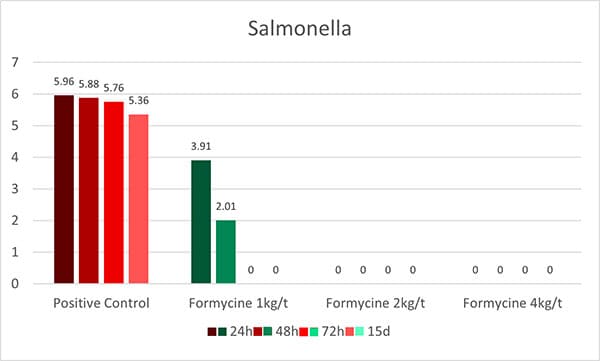
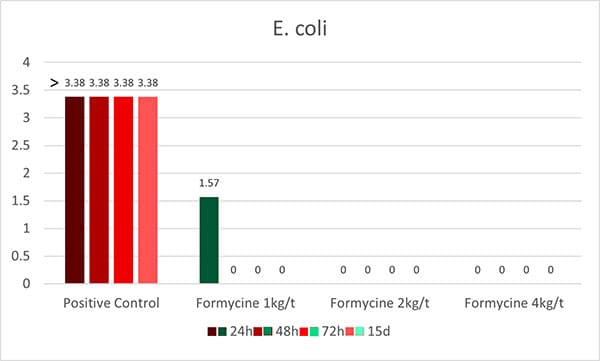
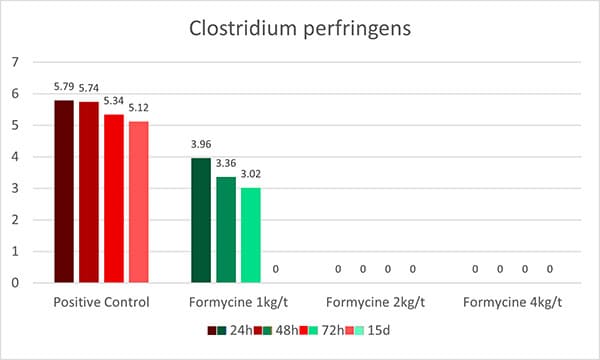
An in-vitro trial was conducted to evaluate the effect of such a combination (Formycine Gold Px) against common poultry pathogens. Poultry feed was spiked with three different bacteria, achieving very high initial contamination of 1,000,000 CFU/g per pathogen. One batch of the contaminated feed served as a control (no additive). To the other contaminated batches, 1, 2, or 4 kg of Formycine per ton of feed were added. The results (means of triplicates) are shown in figures 1 a-c.

Figure A Salmonella

Figure B E

Figure C Clostridium PerfringensFigures 1 a-c: Reduction of bacterial count due to the addition of Formycine

Formycine Gold Px significantly reduced the bacterial counts in all three cases. A clear dose-response-effect can be seen and by using 2 kg of Formycine / t of feed, pathogens could not be detected anymore in the feed.

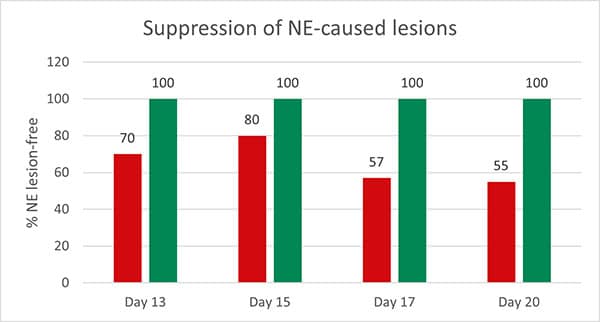
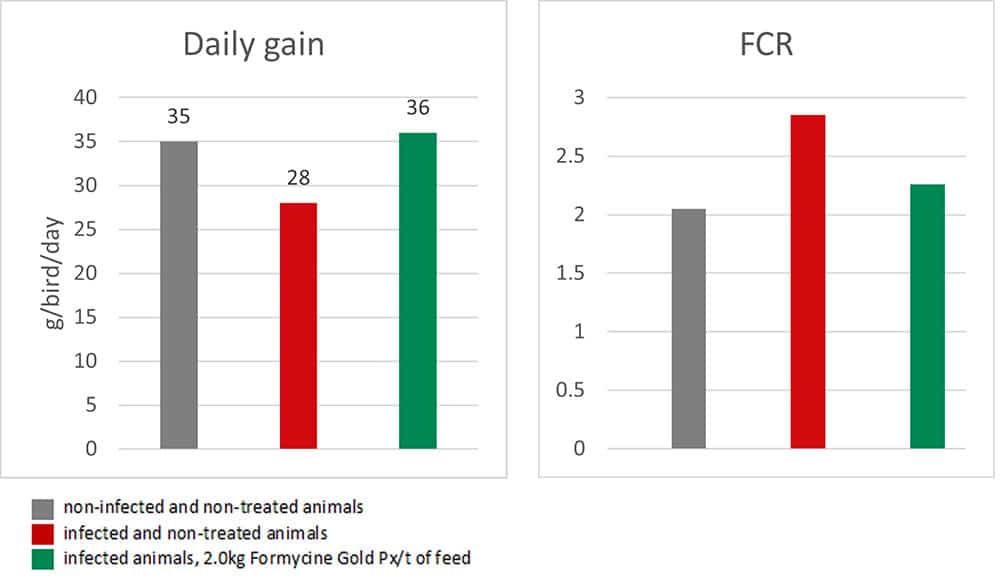
A further trial showed the positive effects of feeding Formycine Gold Px treated feed to the animals. Also here, the feed for both groups was contaminated with 1,000,000 CFU of Clostridium/g. The feed of the control group was not treated and to the treatment group, 2 kg of Formycine per t was added.

Figure Preventive EffectFigure 2: Preventive effect of Formycine Gold Px concerning necrotic enteritis gut lesions

Figure A Daily GainFigure 3a and 3b: Performance-maintaining effect of Formycine Gold Px

The trial showed that Formycine Gold Px reduced the ingestion of the pathogen, and thus could prevent the lesions caused by necrotic enteritis (Fig. 2). The consequence of this improved gut health is a better feed conversion and higher average daily gain (Fig.3a and 3b).

Products containing formaldehyde may represent a risk for humans, however, the adequate protection equipment helps to reduce/avoid exposure.

A combination of free acids and acid salts provides optimal hygienic effects

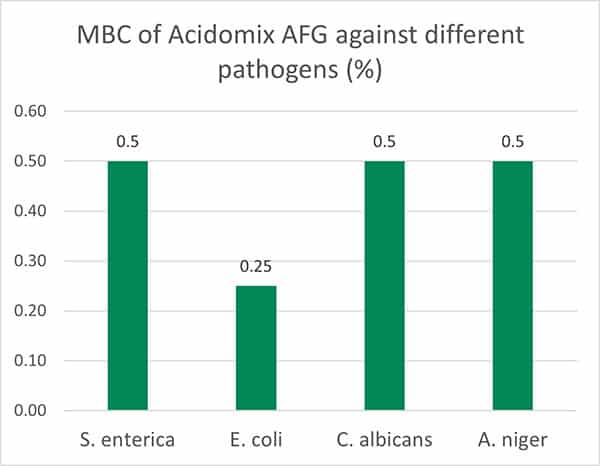
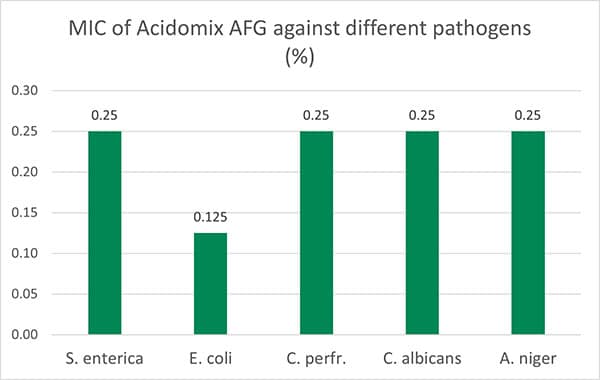
Additionally, another blend of organic acids (Acidomix AFG) shows the best effects against representatives of relevant feed-borne pathogens in poultry. In a test, 50 µl solution containing different microorganisms (reference strains of S. enterica, E. coli, C. perfringens, C. albicans, and A. niger; concentration 105 CFU/ml, respectively) were pipetted into microdilution plates together with 50 µl of increasing concentrations of a mixture of organic acids (Acidomix) After incubation, the MIC and MBC of each pathogen were calculated.

The test results show (figure 4, Minimal Bactericidal Concentration) that 0.5% of Acidomix AFG in the medium (≙ 5kg/t of feed) is sufficient to kill S. enterica, C. albicans, and A. niger and even only 2.5kg/t in the case of E. coli. If the pathogens should only be prevented to proliferate, even a lower amount of product is requested (figure 5, Minimal Inhibitory Concentration – MIC)

Figure MbcFigure 4: MBC of Acidomix AFG against different pathogens (%)

Figure MicFigure 5: MIC of Acidomix AFG against different pathogens (%)

In addition to the direct antimicrobial effect, this product decreases the pH of the feed and reduces its buffering capacity. The combination of free acids and acid salts provides prompt and long-lasting effects.

Feed hygiene is a great responsibility though manageable

On one hand, feed accounts for 65-70% of broiler and 75-80% of layer production costs. Therefore, it is essential to use the available feed as best as possible. On the other hand, the quality of the feed, besides others, is one factor being decisive for the health and performance of the animals. Proper harvesting and storage are in the hands of the farmers and the feed millers. The industry offers products to control the pathogens causing diseases and the molds producing toxins and, therefore, helps farmers save feed AND protect the health and performance of their animals.

References:

Dinev, Ivan. Diseases of Poultry: A Colour Atlas. Stara Zagora: Ceva Sante Animal, 2007.

Esmail, Salah Hamed. “Moulds and Their Effect on Animal Health and Performance.” All About Feed, June 17, 2021. https://www.allaboutfeed.net/all-about/mycotoxins/moulds-and-their-effect-on-animal-health-and-performance/.

Government of Manitoba. “Spoiled Feeds, Molds, Mycotoxins and Animal Health.” Province of Manitoba – Agriculture. Accessed March 16, 2023. https://www.gov.mb.ca/agriculture/livestock/production/beef/spoiled-feeds-molds-mycotoxins-and-animal-health.html.

Hoffmann, M. “Tierwohl Und Fütterung.” LKV Sachsen: Tierwohl und Fütterung. Sächsischer Landeskontrollverband e.V., January 25, 2021. https://www.lkvsachsen.de/fuetterungsberater/blogbeitrag/artikel/tierwohl-und-fuetterung/.

Ricke, Steven C., Kurt Richardson, and Dana K. Dittoe. “Formaldehydes in Feed and Their Potential Interaction with the Poultry Gastrointestinal Tract Microbial Community–A Review.” Frontiers in Veterinary Science 6 (2019). https://doi.org/10.3389/fvets.2019.00188.

Shirota, Kazutoshi, Hiromitsu Katoh, Toshihiro Ito, and Koichi Otsuki. “Salmonella Contamination in Commercial Layer Feed in Japan.” Journal of Veterinary Medical Science 62, no. 7 (2000): 789–91. https://doi.org/10.1292/jvms.62.789.

Stanley, Dragana, and Yadav Sharma Bajagai. “Feed Safety and the Development of Poultry Intestinal Microbiota.” Animals 12, no. 20 (2022): 2890. https://doi.org/10.3390/ani12202890.

Su, Lin-Hui, and Cheng-Hsun Chiu. “Salmonella: Clinical Importance and Evolution of Nomenclature.” Chang Gung Med J 30, no. 3 (2007): 210–19.

Udhayavel, Shanmugasundaram, Gopalakrishnamurthy Thippichettypalayam Ramasamy, Vasudevan Gowthaman, Shanmugasamy Malmarugan, and Kandasamy Senthilvel. “Occurrence of Clostridium Perfringens Contamination in Poultry Feed Ingredients: Isolation, Identification and Its Antibiotic Sensitivity Pattern.” Animal Nutrition 3, no. 3 (2017): 309–12. https://doi.org/10.1016/j.aninu.2017.05.006.
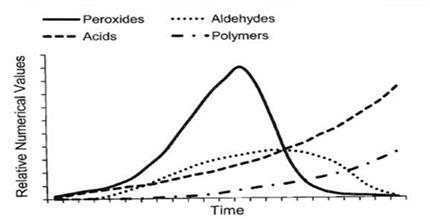


Cryptosporidia in calves – chickens can help

By Lea Poppe, Regional Technical Manager, EW Nutrition

Diarrhea due to infestation with cryptosporidia is one of the most pressing problems in calf rearing. These protozoa, along with rotaviruses, are now considered the most common pathogens in infectious calf diarrhea. Due to their high resistance and thus limited possible control and prevention measures, they have now overtaken other pathogens such as coronaviruses, salmonellae, and E. coli.

Cryptosporidia show complex development

Cryptosporidia are single-celled intestinal parasites. In calves, Cryptosporidium parvum and Cryptosporidium bovis are most commonly found. C. bovis is normally considered nonpathogenic. Accordingly, the disease known as cryptosporidiosis is caused by C. parvum. The rapid tests for determining the diarrheal pathogens, which are increasingly widespread, are usually unsuitable for distinguishing between the individual strains, which can lead to false positive results.

Resistant in the environment, active in the animal

In the environment, cryptosporidia are distributed as oocysts. The oocysts are only about 5 µm in size and have a very resistant shell. They can remain infectious for up to 6 months in high humidity and moderate temperatures. Drought and extreme temperatures (below -18°C and above 65°C) cause the oocysts to die.

After oral ingestion, the oocysts are reactivated by conditions in the gastrointestinal tract (low pH and body temperature): As sporozoites, the parasites attach to the posterior small intestine, causing diarrhea symptomatology. There, they surround themselves with a special protective membrane, and the complex life cycle continues. Only a few days after infection, reproductive forms are detectable in the calf’s intestine, and excretion of infectious oocysts in the feces begins.

Header Calf En
Figure 1 (Olias et al., 2018): Life cycle of cryptosporidia: ingested oocysts release four sporozoites that invade host enterocytes (intestinal epithelial cells). There, they develop into trophozoites before asexual and sexual reproduction ensues, and thin- and thick-walled oocysts are formed. Thick-walled oocysts are excreted through the intestine. Thin-walled oocysts may break apart, and the sporozoites may infect other enterocytes, resulting in relapse or prolonged diarrhea. Infestation of the cells leads to their destruction, resulting in villi atrophy or fusion.

Oocysts bring the disease to the animal

Cryptosporidiosis is transmitted either by direct contact of calves with feces from infected animals or indirectly by ingesting contaminated feed, bedding, or water. Each gram of feces excreted by calves showing symptoms may contain up to 100 million oocysts. According to experimental studies, as few as 17 orally ingested oocysts are sufficient to trigger infection. In addition, some multiplication forms can infect other intestinal cells directly within the intestine and thus further advance the disease by autoinfection.

Cryptosporidiosis caused by cryptosporidia often presents with typical diarrhea symptoms and occurs primarily in calves up to 3 weeks of age. Older calves may also be infected with cryptosporidia but usually show no symptoms. Pathogen excretion and, thus, the spread of disease within the herd is nevertheless likely due to the minimal infectious dose.

Damage to the intestinal wall leads to retardation of growth

Attachment of cryptosporidia to the intestinal wall is associated with an inflammatory reaction, regression and fusion of the intestinal villi, and damage to the microvilli. As a result, nutrient absorption in the small intestine is impaired, and more undigested nutrients enter the colon. The microflora starts a fermentation process with lactose and starch, leading to increased lactate levels in the blood and, thus, hyperacidity in the calf. Faintness, unwillingness to drink, recumbency, and growth disorders are the consequences.

Diarrhea often occurs late or not at all and, accordingly, is not considered the main symptom of cryptosporidiosis. When diarrhea occurs, it lasts about 1-2 weeks. The feces are typically watery, greenish-yellow, and are often described as foul-smelling. Due to diarrhea, there is a loss of electrolytes and dehydration.

Studies show: Cryptosporidia are the most prevalent diarrheal pathogens

Several studies in different regions, which examined calf diarrhea and its triggers in more detail, came to a similar conclusion: Cryptosporidia are one of the most common causes of calf diarrhea. In addition, mixed infections often occur.


Country or region Number Age/Health status % Crypto-sporidia % Rota viruses Combined infections with crypto-sporidia Others (%) Source
Switzerland 2 – 21 DL

Ill and healthy

43 46 1 case of E. coli Luginbühl et al., 2012
Switzerland 63 1 – 4 DL

Ill and healthy

————–

7 – 20 DL

————–

26 – 49 DL

34.4

—————

54.0

—————

33.3

3.1

—————-

28.6

—————-

13.3

2 EP – 1.6

4 EP – 3.2

—————-

2 EP – 19

3 EP – 3.2

4 EP – 0

—————-

2 EP – 30

3 EP – 11.7

4 EP – 6.7

Corona 4.7

E. coli 4.7

Giardia 1.6

—————

Corona 0

E. coli 3.2

Giardia 6.3

—————

Corona 0

E. coli 15

Giardia 35


Weber et al., 2016


Weber et al., 2016 EN

Switzerland 147 Up to 3rd WL;

Diarrhea

55 58.7 5.5 % Rota

7.8 % BCV

Lanz Uhde et al., 2014
Sweden 782 1 – 7 DL

Diarrhea

25.3 Detected with Giardia, E. coli, Rota, Eimeria Silverlås et al., 2012
USA (East coast) 503 Pre-weaning 50.3 Santin et al., 2004
USA 30 2 weeks old

1-8 weeks old

3-12 months

12-24 months

96.7

45.8

18.5

2.2

Santin et al., 2008
Germany 521 32 9 Losand et al., 2021
Ethiopia 360 18.6 Ayele et al., 2018
Argentina 1073 n.m. / Ill and healthy 25.5 Lombardelli et al., 2019
UK n.m. Ill ?? 37 25 20 Coccidia 8

E. coli 4

Corona 3

Co infections not including Crypto-sporidia 3

APHA, SRUC, Veterinary investigation diagnosis analysis (VIDA) report (2014)

DL = days of life WL = weeks of life n.m. = not mentioned  EP = enteropathogen

Cryptosporidia reduces profit

Infection with cryptosporidia and sometimes subsequent diarrhea entails treatment of the animals and generates costs (veterinarian, medication, electrolyte drinks). In addition, poorer feed conversion, lower growth, and animal losses result in lower production efficiency.

A Scottish study shows 34 kg less gain in the first six months of life compared to healthy calves in beef calves that experienced severe cryptosporidiosis in the first three weeks of life. Similar results are described in lambs, also a susceptible species to cryptosporidia. These studies suggest a long-term negative effect of cryptosporidia on growth performance and production efficiency.

Here’s how you can support your calves against cryptosporidia

High resistance of the pathogens to environmental influences, a very low necessary infection dose combined with an elevated excretion of infectious oocysts, and the possibility of autoinfection make cryptosporidia tough opponents. This is also reflected in their worldwide distribution.

What is the treatment?

Suitable drugs for the treatment of cryptosporidiosis are currently unavailable on the market. The only medicine that can be used in case of cryptosporidiosis infestation may only be administered to calves that have had diarrhea symptoms for 24 hours or less. Accordingly, this agent is usually used only for prevention. Scientific studies on its effectiveness are contradictory; some suggest that it merely delays the onset of the disease. In addition, it is not always easy to use due to the exact dosage that must be followed. Doubling the dose (sometimes happening already due to incorrectly observed intervals between doses) can lead to a toxic overdose.

Accordingly, only the symptoms of the disease – diarrhea with its accompanying symptoms – can be treated. Electrolyte and water losses must be continuously compensated with the help of a high-quality electrolyte drink. The buffer substances contained also reduce the hyperacidity of the blood caused by faulty fermentation in the intestines. For successful treatment, the electrolyte drink should be given in addition to the milk drink. Under no circumstances should the feeding of milk or milk replacer be discontinued because the sick calf urgently needs energy and nutrients. Opinions to the contrary are outdated.

As always: prevention is better than treatment

To make it more difficult for cryptosporidiosis to spread from the outset, it is worth looking at the risk factors. These include direct contact with other calves and general herd size. Furthermore, organic farms seem to have more problems with cryptosporidia. Weather also influences calves born during warmer and, at the same time, wetter weather periods (temperature-humidity index) often get sick.

Due to the limited possibilities for treatment, prevention is of greater importance. For other diarrheal pathogens such as rotavirus, coronavirus, and E. coli, it has become established practice to vaccinate dams to achieve better passive immunization of the calf. However, commercial vaccination against cryptosporidia is not currently available, making dam vaccination as unavailable as calf vaccination.

Accordingly, optimal colostrum management is the first way to protect the calf from cryptosporidia infection. This also confirms the general discussion on the Failure of Passive Transfer: various studies suggest that calves with poor immunoglobulin supply suffer from diarrhea more frequently than calves with good supply, although a concrete link to cryptosporidia itself cannot always be established with certainty.

Furthermore, it is essential to break the chain of infection within farms. In addition to the separate housing of the calves, it is necessary to ensure consistent hygiene. One should take advantage of the pathogen’s weakness as well as its sensitivity to high temperatures and ensure that the water temperature is sufficiently high when cleaning the calf pens and calving area. When disinfecting afterward, it is crucial to consider the spectrum of activity of the agent used, as not all are effective against cryptosporidia.

Egg immunoglobulins support animals against cryptosporidia

Egg immunoglobulins were initially designed to help chicks get started. In this process, hens form antibodies against pathogens they are confronted with. As studies have shown, this also works with cryptosporidia. Cama and Sterling (1991) tested their produced antibodies in the neonatal mouse model and achieved a significant (P≤0.001) reduction in parasites there. Kobayashi et al. (2004) registered decreased binding of sporozoites to the intestinal cell model and their decreased viability in addition to oocyst reduction.

In the IRIG Research Institute (2009, unpublished), feeding egg powder with immunoglobulins against cryptosporidia (10 g/day) to 15 calves reduced oocyst excretion. Before administration, calves excreted an average of 106.42 oocysts/g of feces. After administration of egg powder, only two calves still showed 103.21 oocysts/g feces, and the other 13 of the 15 calves showed no oocyst excretion. All these results are confirmed by positive customer feedback on IgY-based feed supplements.

Egg immunoglobulins and optimal colostrum management as a key solution

Since there are no effective drugs against cryptosporidia, animals must be prophylactically protected against this disease as much as possible. In addition to optimal colostrum management, which means feeding high-quality colostrum (IgG≥50g/L) to the calf as soon as possible after birth, we have products with egg immunoglobulins available to support the calf as a prophylactic against cryptosporidia infestation and thus prevent significant performance losses, especially during rearing.

References

Brainard, J., Hooper, L., McFariane, S., Hammer, C. C., Hunter, P. R., & Tyler, K. (2020). Systemic review of modifiable risk factors shows little evidential support for most current practices in Cryptosporidium management in bovine calves. Parasitology research 119, 3572-3584.

Cama, V. A., and C. R. Sterling. “Hyperimmune Hens as a Novel Source of Anti-Cryptosporidium Antibodies Suitable for Passive Immune Transfer.” University of Arizona. Wiley-Blackwell, January 1, 1991. https://experts.arizona.edu/en/publications/hyperimmune-hens-as-a-novel-source-of-anti-cryptosporidium-antibo.

Kobayashi, C, H Yokoyama, S Nguyen, Y Kodama, T Kimata, and M Izeki. “Effect of Egg Yolk Antibody on Experimental Infection in Mice.” Vaccine 23, no. 2 (2004): 232–35. https://doi.org/10.1016/j.vaccine.2004.05.034.

Lamp, D. O. (25. Januar 2020). Rinder aktuell: Kälberdurchfall durch Kryptosporidien – Hartnäckig und weitverbreitet. BAUERNBLATT, S. 52-53.

Losand, B., Falkenberg, U., Krömker, V., Konow, M., & Flor, J. (2. März 2021). Kälberaufzucht in MV – Alles im grünen Bereich? 30. Milchrindtag Mecklemburg-Vorpommern.

Luginbühl, A., K. Reitt, A. Metzler, M. Kollbrunner, L. Corboz, and P. Deplazes. “Feldstudie Zu Prävalenz Und Diagnostik Von Durchfallerregern Beim Neonaten Kalb Im Einzugsgebiet Einer Schweizerischen Nutztierpraxis.” Schweizer Archiv für Tierheilkunde 147, no. 6 (2005): 245–52. https://doi.org/10.1024/0036-7281.147.6.245.

Olias, P., Dettwiler, I., Hemphill, A., Deplazes, P., Steiner, A., & Meylan, M. (2018). Die Bedeutung der Cryptosporidiose für die Kälbergesundheit in der Schweiz. Schweiz Arch Tierheilkd, Band 160, Heft 6, Juni 2018, 363-374.

Santín, M., Trout, J. M., Xiao, L., Zhou, L., Greiner, E., & Fayer, R. (2004). Prevalence and age-related variation of Cryptosporidium species and genotypes in dairy calves. Veterinary Parasitology 122, 103-117.

Shaw, H. J., Innes, E. A., Marrison, L. J., Katzer, F., & Wells, B. (2020). Long-term production effects of clinical cryptosporidiosis in neonatal calves. International Journal for Parasitology 50, 371-376.

Silverlås, C., H. Bosaeus-Reineck, K. Näslund, and C. Björkman. “Is There a Need for Improved Cryptosporidium Diagnostics in Swedish Calves?” International Journal for Parasitology 43, no. 2 (2013): 155–61. https://doi.org/10.1016/j.ijpara.2012.10.009.

Thomson, Sarah, Carly A. Hamilton, Jayne C. Hope, Frank Katzer, Neil A. Mabbott, Liam J. Morrison, and Elisabeth A. Innes. “Bovine Cryptosporidiosis: Impact, Host-Parasite Interaction, and Control Strategies.” Veterinary Research 48, no. 1 (2017). https://doi.org/10.1186/s13567-017-0447-0.

Uhde, F., Kaufmann, T., Sager, H., Albini, S., Zanoni, R., & Schelling, E. (2008). Prevalence of four enteropathogens in the feces of young diarrhoeic dairy calves in Switzerland. Veterinary Record (163), 362-366.


Rancidity in fats and oils: Considerations for analytical testing

feed pellets

By Dr. Ajay Bhoyar, Global Technical Manager – Poultry, EW Nutrition


Rancidity testing is essential in the feed industry, as a key indicator of product quality and shelf life. It is conducted to determine the level of oxidation in samples of feed or feed ingredients and it can be performed through a number of analytical methods.

Rancidity is the process by which fats and oils in food become degraded, resulting into off-odor/flavor, taste, and texture. This process is caused by the oxidation of unsaturated fatty acids and can be accelerated by factors such as exposure to light, heat, and air. Rancidity can occur naturally over time, but it can also be accelerated by improper storage or processing of animal products. Fats are highly susceptible to degradation due to their chemical nature.

How does oxidative rancidity occur?

Oxidation occurs when an oxygen ion replaces a hydrogen ion within a fatty acid molecule and higher numbers of double bonds within the fatty acid increase the possibility of autoxidation. Oxidative rancidity results from the breakdown of unsaturated fatty acids in the presence of oxygen. Light and heat promote this reaction, which results in the generation of aldehydes and ketones – compounds which impart off-odors and flavors to food products. Pork and chicken fat demonstrate a higher degree of unsaturated fatty acids compared with beef fat and are therefore more prone for rancidity.

Oxidation: a three-step process

Fat/oil oxidation is a three-step process (Initiation, Propagation and Termination). Therefore, the oxidation products depend on the time. In the first phase, called Initiation, the formation of free radicals begins and accelerates.

Once the initial radicals have formed, the formation of other radicals proceeds rapidly in this second phase called Propagation. In this part of the process, a chain reaction of high energy molecules, which are variations of free radicals and oxygen, are formed and can react with other fatty acids. These reactions can proceed exponentially, if not controlled. Also in this phase, the rate of peroxide radical formation will reach equilibrium with the rate of decomposition to form a bell-shaped curve.

In the final phase, called Termination, the starting material has been consumed, and the peroxide radicals, as well as other radicals decompose into secondary oxidation by-products such as esters, short chain fatty acids, polymers, alcohols, ketones and aldehydes. It is these secondary oxidation by-products, which can negatively affect the growth and performance of animals.

Three Phase
Fig. 1: Oxidation: a three-phase series of reactions

Antioxidants preserve the quality of rendered products

Chemical antioxidants are used in the rendering industry to help preserve the quality of animal by-products. Synthetic antioxidants, such as BHA, BHT, and ethoxyquin, can help prevent the oxidation of these by-products, which can cause them to become rancid. These chemical antioxidants are added in small amounts to the raw materials prior to rendering or can be incorporated into the finished products to help extend their shelf life and maintain their nutritional value. It is important to note that the use of antioxidants in the rendering industry must be done in compliance with regulations and guidelines set forth by the FDA and other governing bodies.

Natural antioxidants like tocopherols, rosemary extract, ascorbyl palmitate, etc. are also used to prevent oxidation and maintain the freshness of rendered products, if the chemical antioxidants cannot be used.

Rancidity testing

Rancidity testing is the process of determining the level of rancidity in a product. Testing for level of rancidity is used widely as an indication of product quality and stability.

There are several methods used for rancidity testing, including:

Organoleptic rancidity testing

Oxidation of fats and oils leads to a change in taste, smell, and appearance. Organoleptic testing involves using the senses (sight, smell, taste) to determine the level of rancidity. Trained testers will examine the product for visual signs of spoilage, such as discoloration or the presence of crystals, and will also smell and taste the product to detect any off-flavors or odors.

Chemical & instrumental rancidity testing

Chemical testing involves using chemical methods to measure the level of rancidity. One common method is the peroxide value test, which measures the amount of peroxides (indicators of rancidity) in the product. Another method is the p-anisidine test, which measures the level of aldehydes (another indicator of rancidity) in the product.

Peroxide value

Peroxide Value (PV) testing determines the amount of peroxides in the lipid portion of a sample through an iodine titration reaction targeting peroxide formations. Peroxides are the initial indicators of lipid oxidation and react further to produce secondary products such as aldehydes. Because peroxide formation increases rapidly during the early stages of rancidification but subsequently diminishes over time, it is best to pair PV testing with p-Anisidine Value to obtain a fuller picture of product quality.

Three Phase Graph
Fig.2: Oxidation products changes with time

p-Anisidine (p-AV)

p-AV is a determination of the amount of reactive aldehydes and ketones in the lipid portion of a sample. Both compounds can produce strong objectionable flavors and odors at relatively low levels. The compound used for this analysis (p-Anisidine) reacts readily with aldehydes and ketones and the reaction product can be measured using a colorimeter. Samples that are particularly dark may not be the most applicable for this analysis as the colorimeter may not be able to adequately measure the wavelength required.

TBARS

Thiobarbituric acid reactive substances (TBARS) are a byproduct of lipid peroxidation (i.e. as degradation products of fats). This can be detected by the TBARS assay using thiobarbituric acid as a reagent. TBA Rancidity (TBAR) also measures aldehydes (primarily malondialdehyde) created during the oxidation of lipids. This analysis is primarily useful for low-fat samples, as the whole sample can be analyzed rather than just the extracted lipids.

The Instrumental testing involves using instruments to measure the level of rancidity.

Gas chromatography

One common method is the use of a gas chromatograph, which can detect the presence of volatile compounds that indicate rancidity.

Fourier-transform infrared spectrophotometer (FTIR)

FTIR method can detect changes in the chemical makeup of the product that indicate rancidity.

Free Fatty Acids (FFA)

FFA testing determines the fatty acids that have been liberated from their triglyceride structure. A titration is performed on the extracted fat from a specific sample. The FFA content is then determined through a calculation of the amount of titrant used to reach the final result. Knowing what type of fat or fat containing product is being tested is important for this analysis to ensure that the appropriate calculation is applied. As the test does not differentiate between fatty acid types, samples with high palmitic or lauric fatty acid composition should have a different calculation factor applied so as to accurately represent the free fatty acid result.

Oxidative Stability Index (OSI)

OSI indicates how resistant a sample is to oxidation. Samples are subjected to heat while air is injected – a process which accelerates oxidation reactions. The samples are monitored, and the time required for the sample to reach an inflection point is determined. This test is useful when testing the efficacy of an antioxidant added to a product. Antioxidants should inhibit free radical propagation and thus increase a samples ability to hold up under the stressing conditions imposed by the OSI analysis. The measuring instrument, the Rancimat.

Analytical testing considerations in rendering operations

It is common to perform regular analytical testing in a rendering operation as a part of quality control and quality assurance program. There are several methods for testing rancidity in rendering operations. It is important to choose the appropriate method based on the type of product and the desired level of accuracy.

The results of rancidity testing are used to monitor and control the rendering process to prevent or minimize rancidity. This may involve adjusting processing conditions, using antioxidants, or implementing other measures to reduce oxidation.

Test objective Analysis Remarks
Current state of oxidation
  1. Peroxide Value (PV)
  2. Secondary Oxidatives (p-Anisidine, TBARS)
  1. PV:< 5 meq/kg
  2. 50 ppm
Potential for future oxidation Oxidative Stability Index (OSI) Analyze the stability of oil/fats
Residual antioxidant Gas chromatography Value decreases as the antioxidant gets sacrificed

Table. 1: Analytical testing considerations for rendering

Conclusion

Rancidity is a common problem in rendered animal products. It can have detrimental effects on both the quality and safety of the product. It is caused by the oxidation of fats and oils, leading to the formation of harmful compounds such as free radicals and hydroperoxides. The best way to prevent rancidity is through proper storage, packaging, and handling techniques, as well as the use of antioxidants to slow down the oxidation process. It is important for manufacturers and consumers to be aware of the potential for rancidity in rendered animal products and take the necessary precautions to ensure the safety and quality of the product. 


Shrinkage: Causes, dangers, solutions

By Predrag Persak, Regional Technical Manager, EW Nutrition

In light of sustainability requirements, shortage of feed materials, and constant pressure on energy efficiency, we must rethink how we deal with all elements that impact our production. Shrinkage is one of the essential impacting elements 

What is Shrinkage? 

In simple terms, shrinkage is the weight loss in feed or feed materials during receiving, processing, or storage. Shrinkage happens on the farm level but also in feed mills. In this article, we will focus on the latter one. Points or reasons why this happens are diverse but not unknown. Wastages, dust, pests, moisture loss, and scale deviations are some of the most important. Through time, we found efficient ways to close the doors to feather and fur pests that were stealing valuable resources and causing shrinkage. We are also good at weight control when receiving and dispatching, by thoroughly balancing the scales. But one point related to the core of feed production – and the most significant loss – is still left untackled. That is moisture loss through grinding. 

Fge
Figure 1: Points of moisture loss and addition in the feed mill 

Grinding is one central point of shrinkage

Grinding and subsequent particle size reduction is essential from many points (handling, nutritional, processing, mixing uniformity, …) and is unavoidable if we want to produce excellent feed. In the case of grinding with hammer mills, we use kinetic energy to make the hammers beat kernels to the desired size. This is a very efficient process. However, during that process, a part of kinetic energy is also transferred to thermal, increasing the temperature of the processed feed materials and resulting in the loss of one part of valuable moisture. Also, due to size reduction and enlargement of the surface, there is much more place for evaporation and moisture movement. Losses can be up to 2%. One essential parameter for high pellet quality is the particle size, but very fine grinding will result in higher shrinkage through moisture and dust losses.

Moisture is decisive  ̶  we must manage it!

The valuable moisture is needed for many reasons. One is weight. Another reason is that nutritional density for feed materials is calculated considering a certain moisture content. Additionally, moisture influences the processing parameters during the pelleting process (targeted moisture content in the conditioner should be 16-18%). Since moisture loss is unavoidable and represents the most significant part of loss or shrinkage, we must manage it. For this purpose, we must substitute lost moisture with added moisture. And in that process, we have a short time to do it properly. Usually, we don´t have enough time for so-called “soaking”. However, with the help of surfactants, the process can be speeded up.

Surf-Ace helps to keep the moisture in the feed

Surf-Ace, a liquid preservative premix for moisture optimization, which contains organic acids / organic acid salts, emulsifiers, and surfactants, helps to keep the moisture in the feed. Conditioning can be hindered by surface tension because water forms a film on the surface of the feed particles, or oil covers the particles. Surf-Ace improves water penetration and retention by decreasing surface tension. Trials show the moisture-optimizing effect of Surf-Ace.

A trial conducted in Jordan demonstrated an increase in moisture in different processing phases (feeder, heater, and the final product). It also showed better maintenance of water in the product during storage (Fig. 2).

Graph Figure 2: Surf-Ace achieved higher moisture levels in different phases of the feed production process

Two further trials conducted in Poland and Serbia also showed that feed millers could increase moisture in the final feed by using Surf-Ace (Fig. 3).

Graph Figure 3: Surf-Ace provided for higher moisture content in the feed

Effective surfactants minimize shrinkage in feed

Shrinkage in times of increasing costs must be minimized by all means. The feed industry offers surfactants that keep the moisture in the feed during processing and prevent at least this part of shrinkage.

Besides the financial aspect, the optimal moisture content in feed and feed materials is important to provide high feed quality, whether concerning pellet quality or percentage of nutrients. Using surfactants, therefore, not only increases profitability but also does its bit concerning sustainability.


Xylanase solutions for broiler feed: Enzyme innovation finally hits the market

Group of broiler chicks

By Dr. Ajay Awati, Global Category Manager for Gut Health and Nutrition, EW Nutrition, and Dr. Howard Simmins, InSci Associates

After 30 years of stagnating solutions, in-feed xylanase innovation has finally arrived – with a complete focus on the needs of the broiler feed industry.

Group of broilers

It has been over 30 years since xylanase was first introduced in broiler diets in Europe. In the meantime, it has been widely used worldwide with few, if any, major improvements. While the animal feed industry evolved in terms of production landscape, feed processing technologies and use of various by-products, xylanase enzyme technology did not keep pace. In fact, it did not evolve to meet customers’ changing needs and provide that much-needed flexibility of diet formulation for a commercial nutritionist. The wait is over: new in-feed xylanase technology is about to revolutionize broiler nutrition.

Why we need innovative xylanase enzymes for broiler production

Initially, in the 1980s, xylanase was leveraged from industries unrelated to animal production into the feed business. Gut viscosity had been a continuing problem in broiler chickens fed wheat-based diets. It led to an increased risk of enteric disease, generally reducing performance. Xylanase was shown to reduce gut viscosity in wheat-based feed by breaking down soluble arabinoxylans.

As a result, the birds grew as well as if they were fed a low-viscosity corn/soya diet. An additional benefit was lower disease risks from the reduced level of anti-nutritional factors (ANFs) and the multiple negative effects of viscosity in the intestine.

In addition to reducing viscosity, xylanase augments the release in the small intestine of nutrients from previously undigested feedstuffs. The outcome has been the use of an energy matrix value for xylanase, which essentially helps diets through least-cost formulation.

These effects account for the growth of xylanase use in the monogastric feed market. Today, the penetration is above 50%.

Limitations of existing xylanase solutions

Leveraging xylanases from other industries for viscosity reduction in poultry comes with a couple of distinct limitations:

  1. Most broiler diets around the globe are based on a corn-soybean formulation, which contains far higher levels of insoluble arabinoxylans than soluble arabinoxylans. In such cases, viscosity is a relatively minor issue compared to the anti-nutritional effect of insoluble arabinoxylans.
  2. The reduction of gut viscosity is less relevant in other poultry sectors, such as laying hens and turkeys.

Commercial xylanases would be required to break down insoluble NSPs in which substrate activity may be limited and difficult to predict. Fiber constituents of different cereal grains used in feed are highly variable. By- and co-products derived from cereals contain even more complex fiber components, altered further by the manner of processing that the raw material has undergone.

Additionally, poultry response is highly variable:  For an individual bird, the effectiveness of xylanase depends on the enzyme’s interaction with feed in the gastrointestinal tract (GIT) of the animal, which varies depending on the species and the animal’s age. This may explain why xylanase penetration on the feed market is not as high as that of phytase.

GH10: the next-level xylanase for feed application

A xylanase for feed is required to provide multiple functionalities, of which four are essential:

  1. Capacity to break down soluble and insoluble arabinoxylan across a range of typical feedstuffs
  2. Rapid activity at optimal pH in the preferred section of the GIT
  3. No inhibition in the presence of xylanase inhibitors
  4. Comprehensive feed processing thermostability

The GH11 family of xylanases commonly used in feed does not offer these aggregated benefits. They successfully reduce soluble NSPs in wheat-based diets, hence lowering the viscosity level in the broiler GIT. However, they are less effective in the presence of insoluble NSPs in which the arabinoxylan backbone is more complex.

Why GH10 instead of GH11?

The explanation for this can be found in the 3-dimensional structure of the GH11 xylanase. The activity of GH11 xylanases requires 3 or 4 consecutive unsubstituted xylan monomers on the backbone to find an active site. That is why they are hindered by the presence of branches, or side chains, on arabinose backbones. Consequently, they are highly specific, favoring the particularly low-branching wheat backbone.

Xylanases from the GH10 family are entirely different. Although well known, they have not been used in feed yet. The GH10 xylanases require two or fewer consecutive unsubstituted xylan monomers on the backbone to find an active site. Therefore, they can act on xylose residues near branches. This results in both more and shorter xylo-oligomers than found with GH11 xylanases. In simple terms, the GH10 xylanases have a less deep cleft than the GH11 xylanases, providing greater catalytic versatility (Pollet 2010).

Significantly, this potentially allows a broader range of feedstuffs to be incorporated into the complete diet, including co- and by-products, while maintaining performance. Therefore, with GH10, higher levels of cheaper ingredients may be included, with a significant value proposition of further reducing feed costs.

Axxess Xy Is Effective Against Soluble And Insoluble Arabinoxylans

GH10 xylanases generate a range of important prebiotics

As early as 1995, it was proposed that xylanase may affect microbial activity in the gastrointestinal tract through the provision of fermentable oligosaccharides and low molecular weight polysaccharides. These are produced from the hydrolysis of soluble and insoluble arabinoxylans in cereals.

A development of particular interest is that the GH10 xylanases break down the backbone of different fibre components into small xylooligosaccharides (XOS) and arabino-xylanoligosaccharides (AXOS). This action, research shows, has value in supporting the selective growth of fibre-degrading bacteria in the large intestine, conferring positive effects on the host’s health.

The most well-known probiotic strains belong to bifidobacteria and lactobacilli, which have quite different XOS and AXOS utilization systems. Bifidobacterium adolescentis has been shown to consume AXOS and XOS, whereas Lactobacillus brevis utilises only XOS. The outcome is that AXOS releases butyrate, the short-chain fatty acid, which can improve the host’s gut barrier function, as well as reduce Salmonella colonization in broilers. Alongside these health benefits, their presence may improve performance also by reducing FCR. (Courtin et al. 2008; Ribeiro et al. 2018)

As mentioned earlier, the GH10 xylanase requires only two consecutive unsubstituted xylan monomers to cleave the xylan main chain, whereas a GH11 xylanase requires 3 or 4 consecutive unsubstituted xylan monomers. Therefore, the number of potential AXOS and XOS oligomers is higher from the action of the GH10 xylanase. This results in a wider size range of oligomers. The range is valuable as the effect is spread across the large intestine, each oligomer having a different fermentation rate. Consequently, the large intestine’s microbial activity becomes saccharolytic, which potentially reduces the undesirable products of proteolytic degradation, such as phenols and cresols.

Prebiotic combinations will vary depending on the substrate available. However, there is more flexibility in breaking down insoluble NSPs across different feedstuffs using GH10 xylanase compared to GH-11 xylanase.Data showing Axxess XY Efficacy In Both Corn Soy And Wheat Soy Diets

The future of xylanase: Reducing feed costs through flexible formulation

EW Nutrition’s GH10-based AXXESS XY xylanase, specifically developed for animal feed, has a wide-ranging activity across typical substrates, both in corn-soy and wheat-soy diets. It also allows for a greater proportion of cheaper ingredients, enabling increased flexibility in feedstuff choices and resulting in more stable feed pricing. The activity of the GH10 xylanase in producing oligomers from the breakdown of the arabinoxylan backbone also indicates that it can produce a greater number and diversity of valuable prebiotics that sustain the growth of fiber-degrading microbiota. Consequently, the metabolism of the large intestine is shifted from proteolytic to saccharolytic, which supports the animal’s general health.

The combination of these benefits from using this xylanase results in a bird with a balanced digestive system that is more robust in the face of environmental and health challenges, supporting better performance. Furthermore, this novel enzyme solution gives nutritionists a reliable tool to reduce feed costs by being flexible in diet formulation and opportunistic in using raw materials while maintaining consistency in animal performance. Especially in these times of supply problems and raw material price hikes, such advantages are invaluable.

The naturally thermostable AXXESS XY 1000G is the most advanced xylanase yet. It is a GH10 xylanase that delivers what the industry has been asking for: a fiber-degrading enzyme suited for all poultry feed.


References

Courtin, Christophe M, Katrien Swennen, Willem F Broekaert, Quirine Swennen, Johan Buyse, Eddy Decuypere, Christiaan W Michiels, Bart De Ketelaere, and Jan A Delcour. “Effects of Dietary Inclusion of Xylooligo- Saccharides, Arabinoxylooligosaccha- Rides and Soluble Arabinoxylan on the Microbial Composition of Caecal Contents of Chickens.” Journal of the Science of Food and Agriculture 88, no. 14 (2008): 2517–22. https://doi.org/10.1002/jsfa.3373.

Ribeiro, T., V. Cardoso, L.M.A. Ferreira, M.M.S. Lordelo, E. Coelho, A.S.P. Moreira, M.R.M. Domingues, M.A. Coimbra, M.R. Bedford, and C M Fontes. “Xylo-Oligosaccharides Display a Prebiotic Activity When Used to Supplement Wheat or Corn-Based Diets for Broilers.” Poultry Science 97, no. 12 (2018): 4330–41. https://doi.org/10.3382/ps/pey336.

Pollet, Annick. “Functional and Structural Analysis of Glycoside Hydrolase Family 8, 10 and 11 Xylanases with Focus on Bacillus Subtilis Xylanase A,” 2010. https://www.biw.kuleuven.be/m2s/clmt/lmcb/publications/docs/apollet