Widespread across Europe, indicating active transmission
Data Source: ADIS (Animal Disease Information System) Weekly Notification Created: November 14, 2025
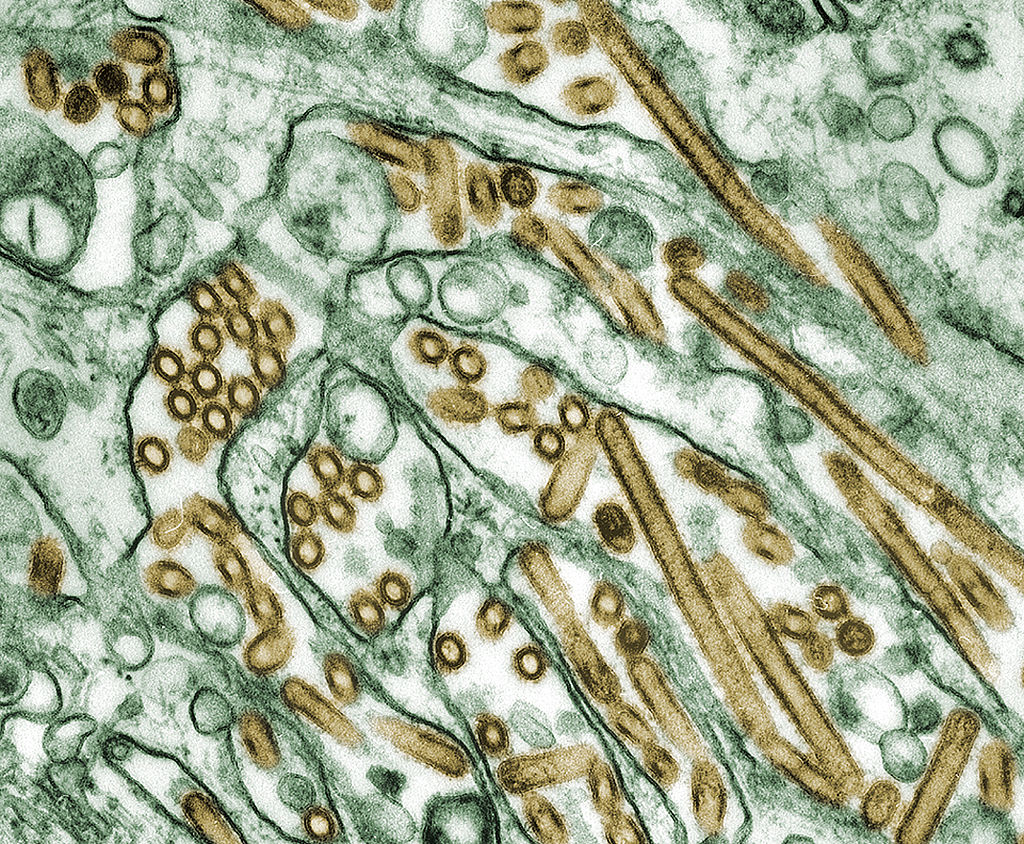
Header image photo credit: Cynthia Goldsmith Content Providers: CDC/ Courtesy of Cynthia Goldsmith; Jacqueline Katz; Sherif R. Zaki
This media comes from the Centers for Disease Control and Prevention’s Public Health Image Library (PHIL), with identification number #1841
The Gut: A Main Component of Poultry’s Immune System
By Dr. Inge Heinzl, Editor EW Nutrition
Gut health is a critical factor in poultry production, influencing growth performance, feed efficiency, and overall bird health. A well-functioning digestive system ensures optimal nutrient absorption and ultimately contributes to economic sustainability in poultry farming.
However, another essential function of the gut is its significant role in immune defense, as evidenced by the fact that 80% of all active immune cells are in the gut. It is essential for the organism to keep a sensitive balance by eliminating invading pathogens while maintaining self-tolerance to avoid autoimmunity. Being 1.5 to 2.3 m long and with a big contact area to the external environment, the gut is the first line of defense when pathogens have orally entered the organism. For this purpose, the intestine has several specialized cells and a plethora of diverse microorganisms – the microbiome.
A balanced gut environment, therefore, enhances resistance to diseases, helps prevent infections, and reduces the need for antibiotics.
Which tools are available in the gut to counteract pathogenic attacks?
The gut wall, per se, has several fixed tools to fight pathogenic offenses, such as the mucus layers and the epithelium with highly specialized cells. Figure 1 shows in detail the different parts of the gut immune system.
Figure 1: Structure of the intestinal wall with its specialized cells (Kong et al., 2018)
1. Mucus layers
The mucus layers form the first host-derived line of defense. They help trap invasive bacteria and facilitate their removal via luminal flow. The protective properties may depend on whether the mucin is neutral or acidic, sialylated or sulfated (Broom and Kogut, 2018). The glycoprotein mucins forming the mucus layer (mainly MUC2 in the small and large intestine and MUC5ac in the proventriculus) are produced by the goblet cells, part of the intestinal epithelium just beneath.
2. Intestinal epithelium
The one-layered intestinal epithelium represents a physical barrier and consists of normal enterocytes, as well as specialized cells. All the cells are closely linked by tight junctions, consisting of claudin, occludin, and junctional adhesion molecules (JAM).
The following diverse specialized cells protect the organism from pathogenic attacks:
2.1 Proliferating stem cells
These cells are ready to replace damaged epithelial cells in the case of inflammation.
2.2 Paneth cells
Paneth cells are situated at the bottom of the Lieberkühn crypts, neighboring the stem cells in the jejunum and the ileum. Paneth cells have different tasks:
In normal conditions, they maintain homeostasis by regulating the microbiome’s composition via the secretion of antimicrobial peptides, which are accumulated in apically oriented secretory granules, performing phagocytosis and efferocytosis. Additionally, the Paneth cells provide niche factors for the intestinal stem cell compartment, absorb heavy metals, and preserve the integrity of the intestinal barrier. If one or more of these functions are impaired, intestinal and systemic inflammations or infections can develop (Wallaeys et al., 2022). The number of Paneth cells and their diameter can be enhanced via feeding. Agarwal et al. (2022) noticed a significant increase in the number and diameter of Paneth cells after feeding quinoa soluble fiber and/or quercetin 3-glucoside.
2.3 M cells
M cells (M coming from microfold and indicating the structure) are specialized epithelial cells localized along the antimesenteric border in the epithelium of the ileum. They are crucial for the immune system and an essential part of the gut-associated lymphoid tissue (GALT), a sub-system of the mucosa-associated lymphoid tissue (MALT).
M cells play an important role in the function of the immune system. They act as a transport system for antigens. They sample antigens (macromolecules, bacteria, viruses, small parasites) via the apical membrane. After the phagocytosis of the foreign organism/substance, the antigen gets through the cell and is consigned to cells of the adaptive immune system (e.g., the B-cells) at the basal side. The exact transport and the handover to the cells of the adaptive immune system are still unclear. It is also not clarified whether the antigens are processed inside the cells.
2.4 Dendritic cells
Dendritic cells are a kind of leucocyte derived from the bone marrow. Immature dendritic cells have a star-like shape. They are specialized to identify, uptake, transport, process, and present antigens to other immune system cells on their surface. To identify and uptake harmful substances/microbes, they carry receptors on their surface that recognize the attributes often occurring in pathogenic viruses, bacteria, and fungi. After contact with the antigen, the cell moves to secondary lymphoid tissue, and in the intestine, this is predominantly Mucosa-Associated Lymphoid Tissue (MALT). Arriving as mature and not phagocytizing dendritic cells, they present the antigens of the pathogens to the T-lymphocytes. For this purpose, they use cell surface proteins (MHC proteins). This presentation, together with co-stimulators and cytokines, activates naïve T-lymphocytes to develop into the relevant T-cell (fighting viruses, bacteria…) and proliferate, leading to the clearance of the pathogen.
On the other hand, dendritic cells can also suppress an immune reaction if the “suspicious subjects” are harmless or belong to the organism. Dendritic cells are the most potent antigen-presenting cells of the immune system.
2.5 Goblet cells
Goblet cells originate from pluripotent stem cells and are located between the enterocytes in the inner mucus layer of the intestine. Goblet cells develop and mature rapidly after hatching due to external stimuli such as environmental and dietary factors, but also intestinal microbiota (Duangnumsawang et al., 2021). They derive their name from their goblet-like appearance. The basal site is thin, but the cell gets thicker toward the apical side. In the thicker cell organisms, vesicles with mucins are stored and explosively released to the surface by exocytosis.
Figure 2: Goblet cells
The mucins (MUC2) are viscous, slime-forming substances consisting of a protein string bound to many sugar chains. Due to their oligosaccharide chain structure, they offer adhesion binding sites for intestinal commensal bacteria and enhance probiotic colonization (Liu et al, 2020). They have a high water-binding capacity, which is responsible for their slimy and protective characteristics. In the case of inflammation, mucin production can increase strongly.
By providing bicarbonate for proper mucin unfolding in the small intestine, goblet cells help maintain homeostasis and the intestinal barrier function. Furthermore, goblet cells can form goblet cell-associated passages (GAPs) and deliver luminal substances to the antigen-presenting cells in the underlying lamina propria that can start an adaptive immune response (Knoop and Newberry, 2018).
As with Paneth cells, the number of goblet cells also increases by feeding quinoa soluble fibers.
2.6 Neuroendocrine cells
Enterochromaffin cells are neuroendocrine cells found in the epithelium of the whole digestive tract, mainly in the small intestine, the colon, and the ceca. They belong to the enteric endocrine system, are part of the diffuse neuroendocrine system, and produce 95% of the serotonin in the organism. Enterochromaffin cells act as chemo- and mechanosensors. They react to free fatty acids, amino acids, and other chemicals as well as physical forces occurring during peristaltic activity in the gut, thus modulating the secretion of water and electrolytes as well as gut motility and visceral sensation of pain (Linan-Rico et al., 2016; Diwakarla et al., 2018).
Serotonin, on its side, has been shown to affect the composition of the gut microbiota (Kwon et al., 2019) and to modulate bacterial physiology (Knecht et al., 2016). Gut-derived serotonin is responsible for immune responses (Baganz and Blakely, 2012) but also for the regulation of other functions such as bone development (Chabbi-Achengli et al., 2012), gut motility, and platelet aggregation (Berger et al., 2009). A deficient serotonergic system can cause psychopathological behaviors such as feather pecking.
3. Last but not least – the microbiome
The poultry gut microbiome consists of bacteria, fungi, protozoa, and viruses. Beneficial microbes, such as Lactobacillus, Bifidobacterium, and Bacteroides, contribute to gut health and immunity.
On the one hand, microbes are involved in digestion and nutrient synthesis. They assist in breaking down fiber, producing short-chain fatty acids, and synthesizing essential vitamins. On the other hand, they contribute to immune defense:
Beneficial bacteria (BB) prevent the colonization of harmful microbes: The bacteria inhabiting the poultry gut act against pathogens by competing with them for nutrients and binding sites at the intestinal mucosa.
Beneficial bacteria prevent/reduce inflammation and stabilize the intestinal mucosa Abaidullah et al. (2019) showed in their review how beneficial bacteria influence the immune response to diverse viruses (AIV, IBDV, MDV, NDV). Bacteria such as Collinsella, Faecalibacterium, Oscillibacter, etc., increase the release of IFN-α, IFN-β, and IL-22. These substances control virus replication and repair mucosal tissue damage. Other bacteria, such as Clostridium XIVa or Firmicutes, provoke T-cells to produce anti-inflammatory cytokines to suppress inflammation. By promoting the antimicrobial peptides such as MUC, TFF, ZO, and tight junction proteins comprised of claudins, occludin, and zona occludens mRNA expression, Bacteroides, Candidatus, SMB53, Parabacteroides, Lactobacillus, Paenibacillus, Enterococcus, and Streptococcus spp. inhibit pathobiont colonization and translocation, and suppress inflammation. Butyrate succinate and lactate, produced by Faecalibacterium and Blautia spp., provide energy and reduce inflammation. Bacteroides fragilis produce bacterial polysaccharides that communicate with the immune system and influence the transformation of CD4+ (T-helper cells) and Foxp3+ cells (the master transcription factor of regulatory T cells in mammals, but also present in chicken (Burkhardt et al., 2022)).
“Negative” bacteria increase inflammation and enhance viral shedding Clostridium Cluster XI, Salmonella, and Shigella downregulate the anti-inflammatory and tight junction-stabilizing substances, which would be increased by the beneficial bacteria and increase IFN-γ and IF-17A to cause mucosal inflammation and tissue damage, as well as increased virus replication and fecal shedding. Further bacteria, which enhance mucosal and GIT inflammation, are Desulfovibrionaceae, producing hydrogen sulfides, Vampirovibrio, Clostridium cluster XIVb, and the genus Rumicoccus. They induce the pro-inflammatory cytokines IL-6 and IL-1β. The latter three bacteria also increase viral shedding. Salmonella typhimurium and Campylobacter jejuni also achieve higher viral shedding by decreasing viral-specific IgG and IgA production (Abaidullah et al., 2019)
Factors impairing intestinal immune defense
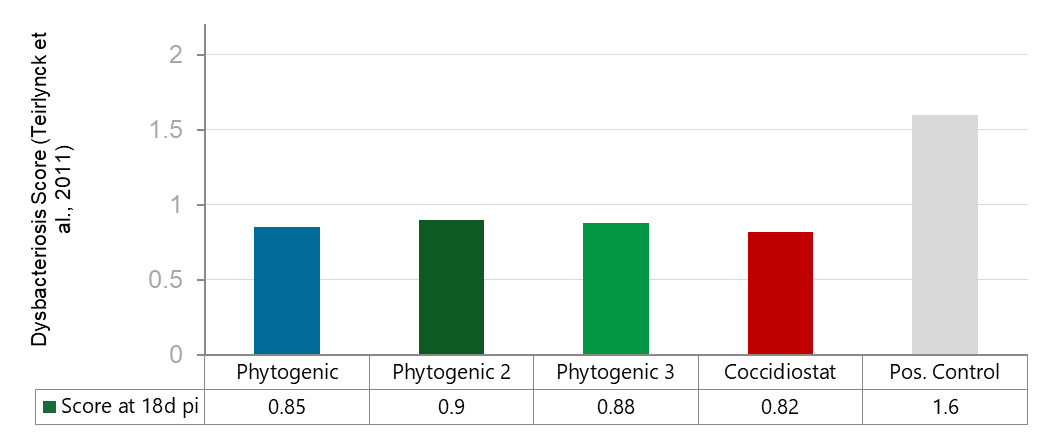
As the previous paragraph indicates, an imbalance of the intestinal microbiome called dysbiosis makes chickens more prone to diseases such as necrotic enteritis (Stanley et al., 2014). Several factors are disturbing the balance in the microbiome (Heinzl, 2020):
An abrupt change of feed
High contents of non-starch polysaccharides increase viscosity, decrease passage rate, lower the digestibility of other nutrients, and serve as nutrients for, e.g., Clostridium perfringens
High protein levels can also serve as a substrate for pathogens and cause a shift in the balance of the intestinal flora
Finely ground feed does not stimulate the gizzard muscles to do their work. pH increases, transit time decreases, and pathogenic microbes such as Salmonella, Campylobacter, and Clostridia proliferate.
Stress (heat or cold stress, re-assembling of groups, high stocking densities)
Mycotoxins
However, besides all these factors causing an overgrowth of commensal bacteria such as E. coli, ingested pathogens such as Marek’s or Newcastle Disease viruses can also cause this imbalance.
Immune defense in the gut – an interplay of different tools that must be protected
The first line of defense, the intestine, comprises different tools working together to fight pathogens and harmful substances. Besides the mucus layers and the specialized cells, the intestinal microbiome plays an essential role in immune defense by competing with pathogens for nutrients and binding sites, enhancing the secretion of anti-inflammatory substances, and stimulating the production of interferons, which fight the pathogens. However, several factors can impact the balance of the microbiome and cause dysbiosis. The best protection of this sensitive equilibrium can support the organism in defending against diseases and maintaining immunity and performance. Understanding the interplay between microbiota, immune function, and nutrition allows for effective strategies to enhance poultry health while reducing reliance on antibiotics. Future research will continue to provide insights into optimizing gut-immune interactions in poultry production.
References
Abaidullah, Muhammad, Shuwei Peng, Muhammad Kamran, Xu Song, and Zhongqiong Yin. “Current Findings on Gut Microbiota Mediated Immune Modulation against Viral Diseases in Chicken.” Viruses 11, no. 8 (July 25, 2019): 681. https://doi.org/10.3390/v11080681.
Baganz, Nicole L., and Randy D. Blakely. “A Dialogue between the Immune System and Brain, Spoken in the Language of Serotonin.” ACS Chemical Neuroscience 4, no. 1 (December 24, 2012): 48–63. https://doi.org/10.1021/cn300186b.
Berger, Miles, John A. Gray, and Bryan L. Roth. “The Expanded Biology of Serotonin.” Annual Review of Medicine 60, no. 1 (February 1, 2009): 355–66. https://doi.org/10.1146/annurev.med.60.042307.110802.
Broom, Leon J., and Michael H. Kogut. “The Role of the Gut Microbiome in Shaping the Immune System of Chickens.” Veterinary Immunology and Immunopathology 204 (October 2018): 44–51. https://doi.org/10.1016/j.vetimm.2018.10.002.
Burkhardt, Nina B, Daniel Elleder, Benjamin Schusser, Veronika Krchlíková, Thomas W Göbel, Sonja Härtle, and Bernd Kaspers. “The Discovery of Chicken Foxp3 Demands Redefinition of Avian Regulatory T Cells.” The Journal of Immunology 208, no. 5 (March 1, 2022): 1128–38. https://doi.org/10.4049/jimmunol.2000301.
Chabbi-Achengli, Yasmine, Amélie E. Coudert, Jacques Callebert, Valérie Geoffroy, Francine Côté, Corinne Collet, and Marie-Christine de Vernejoul. “Decreased Osteoclastogenesis in Serotonin-Deficient Mice.” Proceedings of the National Academy of Sciences 109, no. 7 (January 30, 2012): 2567–72. https://doi.org/10.1073/pnas.1117792109.
Clarke, G, S Grenham, P Scully, P Fitzgerald, R D Moloney, F Shanahan, T G Dinan, and J F Cryan. “The Microbiome-Gut-Brain Axis during Early Life Regulates the Hippocampal Serotonergic System in a Sex-Dependent Manner.” Molecular Psychiatry 18, no. 6 (June 2013): 666–73. https://doi.org/10.1038/mp.2012.77.
Diwakarla, S., L. J. Fothergill, J. Fakhry, B. Callaghan, and J. B. Furness. “Heterogeneity of Enterochromaffin Cells within the Gastrointestinal Tract.” Neurogastroenterology & Motility 29, no. 6 (May 9, 2017). https://doi.org/10.1111/nmo.13101.
Duangnumsawang, Yada, Jürgen Zentek, and Farshad Goodarzi Boroojeni. “Development and Functional Properties of Intestinal Mucus Layer in Poultry.” Frontiers in Immunology 12 (October 4, 2021). https://doi.org/10.3389/fimmu.2021.745849.
Heinzl, Inge. “Necrotic Enteritis: The Complete Overview.” EW Nutrition, August 8, 2023. https://ew-nutrition.com/necrotic-enteritis-complete-overview/.
Knecht, Leslie D., Gregory O’Connor, Rahul Mittal, Xue Z. Liu, Pirouz Daftarian, Sapna K. Deo, and Sylvia Daunert. “Serotonin Activates Bacterial Quorum Sensing and Enhances the Virulence of Pseudomonas Aeruginosa in the Host.” EBioMedicine 9 (July 2016): 161–69. https://doi.org/10.1016/j.ebiom.2016.05.037.
Kong, Shanshan, Yanhui H. Zhang, and Weiqiang Zhang. “Regulation of Intestinal Epithelial Cells Properties and Functions by Amino Acids.” BioMed Research International 2018 (2018): 1–10. https://doi.org/10.1155/2018/2819154.
Kwon, Yun Han, Huaqing Wang, Emmanuel Denou, Jean-Eric Ghia, Laura Rossi, Michelle E. Fontes, Steve P. Bernier, et al. “Modulation of Gut Microbiota Composition by Serotonin Signaling Influences Intestinal Immune Response and Susceptibility to Colitis.” Cellular and Molecular Gastroenterology and Hepatology 7, no. 4 (2019): 709–28. https://doi.org/10.1016/j.jcmgh.2019.01.004.
Linan-Rico, Andromeda, Fernando Ochoa-Cortes, Arthur Beyder, Suren Soghomonyan, Alix Zuleta-Alarcon, Vincenzo Coppola, and Fievos L. Christofi. “Mechanosensory Signaling in Enterochromaffin Cells and 5-HT Release: Potential Implications for Gut Inflammation.” Frontiers in Neuroscience 10 (December 19, 2016). https://doi.org/10.3389/fnins.2016.00564.
Liu, Yang, Xinjie Yu, Jianxin Zhao, Hao Zhang, Qixiao Zhai, and Wei Chen. “The Role of MUC2 Mucin in Intestinal Homeostasis and the Impact of Dietary Components on MUC2 Expression.” International Journal of Biological Macromolecules 164 (December 2020): 884–91. https://doi.org/10.1016/j.ijbiomac.2020.07.191.
Lyte, Mark. “Microbial Endocrinology in the Microbiome-Gut-Brain Axis: How Bacterial Production and Utilization of Neurochemicals Influence Behavior.” PLoS Pathogens 9, no. 11 (November 14, 2013). https://doi.org/10.1371/journal.ppat.1003726.
Marcobal, A., P. C. Kashyap, T. A. Nelson, P. A. Aronov, M. S. Donia, A. Spormann, M. A. Fischbach, and J. L. Sonnenburg. “A Metabolomic View of How the Human Gut Microbiota Impacts the Host Metabolome Using Humanized and Gnotobiotic Mice.” The ISME Journal 7, no. 10 (June 6, 2013): 1933–43. https://doi.org/10.1038/ismej.2013.89.
Stanley, Dragana, Shu-Biao Wu, Nicholas Rodgers, Robert A. Swick, and Robert J. Moore. “Differential Responses of Cecal Microbiota to Fishmeal, Eimeria and Clostridium Perfringens in a Necrotic Enteritis Challenge Model in Chickens.” PLoS ONE 9, no. 8 (August 28, 2014). https://doi.org/10.1371/journal.pone.0104739.
Wallaeys, Charlotte, Natalia Garcia‐Gonzalez, and Claude Libert. “Paneth Cells as the Cornerstones of Intestinal and Organismal Health: A Primer.” EMBO Molecular Medicine 15, no. 2 (December 27, 2022). https://doi.org/10.15252/emmm.202216427.
Yano, Jessica M., Kristie Yu, Gregory P. Donaldson, Gauri G. Shastri, Phoebe Ann, Liang Ma, Cathryn R. Nagler, Rustem F. Ismagilov, Sarkis K. Mazmanian, and Elaine Y. Hsiao. “Indigenous Bacteria from the Gut Microbiota Regulate Host Serotonin Biosynthesis.” Cell 163, no. 1 (September 2015): 258. https://doi.org/10.1016/j.cell.2015.09.017.
A holistic approach to animal health and nutrition: From feed issues to intestinal permeability – A conversation in Berlin
Recently, The Poultry Site’s Sarah Mikesell interviewed Predrag Persak, EW Nutrition’s Regional Technical Manager for Northern Europe. The conversation covered topics as wide as sustainability and challenges in poultry production, and as narrow as intestinal permeability. Thanks to The Poultry Site for the great talk!
Sarah Mikesell, The Poultry Site: Hi, this is Sarah Mikesell with The Poultry Site, and today we are here with Predrag Peršak. He is the Regional Technical Manager for Northern Europe with EW Nutrition. Thanks for being with us today, Predrag.
Predrag Peršak, EW Nutrition: Nice to be here, Sarah. Thank you for inviting me.
SM: Very good. It’s nice to visit with you. And today, Predrag and I are in Berlin, Germany, at an exclusive event for the poultry industry called Producing for the Future, which is sponsored by EW Nutrition. You are one of our speakers today, Predrag, so I’m going to ask you just a few questions to let everybody know a little bit about your presentation.
You’ve described animal nutrition as “never boring and never finished.” What makes this field so dynamic and constantly evolving for you?
PP: I’ve been in animal nutrition for about 25 years. And in those 25 years, I would say that not even half a year passed without something extraordinary happening. From genetics to animal husbandry, especially here in Europe, we also have a lot of pressure from consumers and slaughterhouses to adapt production to the needs of the customers.
Sustainability, sourcing raw materials, and the variety of raw materials available in Europe – and the constant development of new ones – make life for an animal nutritionist very, very interesting. It’s also very challenging, and through these challenges you learn a lot.
So, applying what we learned 20 years ago is simply not enough anymore. For someone who wants to be challenged every day with new things, this is definitely the right industry to be in – especially now.
SM: Excellent. Can you explain your holistic approach to animal nutrition and how considering multiple factors benefits practical applications on farms?
PP: The concept of a holistic approach in animal nutrition is not new. But for me – being both a veterinarian and a nutritionist – it means having deeper insight into the animal itself, into all the metabolic processes, and also into the external influences: husbandry, genetics, diseases, and management. Looking at how all of these interact, we can only really solve problems by looking at the animal as a whole system.
The same applies to feed production. You cannot look at a feed mill as just one compartment. You have to look at sourcing raw materials, their quality, how they are processed – milling, pelleting, and other technologies – and then see how that feed performs on the farm.
So, a holistic approach can be applied both from the animal perspective and from the feed production perspective, across all steps and processes. This is something we use and promote daily in our work with customers.
SM: Very good. You’ve worked with unconventional protein and fiber sources. We’re hearing a lot more about that recently. What are those, and what potential do they bring to animal nutrition?
PP: When I talk about unconventional protein and fiber sources, we need to remember that the global feed production scene is very diverse. What applies in the U.S. or Brazil does not necessarily apply in Europe or the Far East.
Here in Europe, we try to use not by-products but co-products of food production. For example, different fractions of rapeseed or sunflower meal, which are widely produced in Europe but not often used by mainstream nutritionists due to certain limitations. By finding the right processing methods and combining them with technologies, we can make these unconventional materials usable in mainstream nutrition.
The same goes for fiber sources. Both fermentable and structural fibers are increasingly important for intestinal and digestive development, as well as for overall animal health. So, processing fibers in ways that maximize usability while minimizing negative effects is a big part of my work.
SM: From a cost standpoint for producers, are those lower-cost inputs, or just alternatives they need to look at?
PP: In Germany we have a perfect expression for this: “yes and no.” There is always pressure on price, especially in poultry, because food must be accessible to everyone. But at the same time, food must not harm the environment or human health, and we should use all resources not fit for humans but still usable for animals.
So, it’s not only about cost – about availability and sustainability. Working with just two, three, or five raw materials for a long time is not the way forward. The way forward is to think of everything that can be used properly, for the benefit of the animals, and ultimately to produce enough food for the world.
Also, using locally available products is important. Feed production is very diverse around the world—raw materials in Southeast Asia differ completely from those in Europe, Brazil, or the U.S. Using technologies to enable the use of locally produced by-products makes production not only sustainable, but also economically viable for local communities. That’s really the core of the feed industry: using what is produced locally.
SM: Interesting. Very cool. How does your interdisciplinary work across poultry, pigs, and ruminants give you unique insights that might be missed with a narrower focus?
PP: I come from a small feed mill in a small country, Croatia. There, you don’t have deep specialization by species or even by category, as you find in larger markets. Specialization has its advantages, but it can also limit creativity and “outside-the-box” thinking.
By working with ruminants, I learned about fermentation processes – knowledge that can be applied to pigs and even to poultry. For example, fermentation can reduce anti-nutritional factors, allowing higher inclusion levels of certain raw materials in poultry diets.
With pigs, fermentation of fibers – especially in piglets – is crucial, and some of that knowledge could be applied to turkeys, where we still face health issues.
So, working across species demands a lot – it leaves little time for other things – but it opens up unique perspectives and cross-species applications that benefit the entire livestock industry.
SM: I was talking with someone yesterday about mycotoxins – there’s a lot of research in pigs but less in poultry. That’s kind of what you’re talking about, right? Applying knowledge across species?
PP: Absolutely. We’re focused now on poultry, but we can learn from poultry too – not only about feeding but also about farm management, biosecurity, and more. These lessons can also apply to pigs or ruminants.
It’s all holistic – you cannot solve everything with nutrition alone. It’s always a package.
SM: You presented today about the importance of intestinal permeability. Why is it important, and how can understanding it impact animal health and performance outcomes?
PP: Intestinal permeability is one of the key features we use to describe gut health. Personally, I’m very practical. For 20 years we’ve talked about “gut health,” but the real question for veterinarians and nutritionists is: what do we actually do with that knowledge?
In my presentation, I explained intestinal permeability as a “point of no return” in gut health. When leaky gut develops, everything else can deteriorate – faster or slower – but it won’t return to normal without intervention.
By comparing how different stressors or pathogens impact intestinal permeability, we can better understand severity and decide where to focus. Nutritionists already pay attention to thousands of factors, but we need to identify the most impactful ones. That was my key message: focus on the most important drivers.
SM: And leaky gut has really become something the whole industry is talking about, right? I’ve even seen it in human health – my doctor has posters about it.
PP: Exactly. Across cows, pigs, and poultry, leaky gut is getting a lot of attention. It’s a physiological or pathophysiological feature that marks the point of no return.
We can talk about dysbiosis and all the causes, but once you reach leaky gut, you understand where intervention is needed. And it’s not just hype. For example, recently Nature published research showing certain types of human bone marrow conditions are linked to leaky gut and microbial influence on blood processes.
So, this is not a passing trend. It’s fundamental. And once we solve one issue, another door opens. That’s why this industry is never boring.
SM: Very good. Well, thank you for all the information today, Predrag.
PP: Thank you, Sarah. It was a pleasure to talk with you.
Optimizing the Use of DDGS in Poultry Feeds with Xylanase
Author: Ajay Bhoyar, Sr. Global Technical Manager, EW Nutrition
As the poultry industry seeks economical and nutritious feed ingredients, distillers’ dried grains with solubles (DDGS), a co-product of grain-based ethanol production, presents a valuable option providing beneficial protein, energy, water-soluble vitamins, xanthophylls, and linoleic acid. However, the inherent variability in DDGS nutrient composition and high fiber content can pose challenges for consistent inclusion in poultry feeds. The strategic use of feed enzymes has become a significant area of focus to overcome these limitations and further enhance the nutritional value of DDGS in poultry diets. This article will explore the optimization of DDGS utilization in poultry feeds by emphasizing the inclusion of xylanase enzyme that can efficiently degrade the insoluble arabinoxylans. By understanding the factors affecting DDGS quality and strategically employing xylanase, poultry producers can potentially achieve higher inclusion rates of this readily available byproduct, aiming to reduce feed costs while maintaining or even improving production performance and overall health.
Price competitiveness of DDGS
The price of DDGS relative to other feed ingredients, primarily corn and soybean meal, is a significant factor in its global utilization. DDGS often partially replaces these traditional energy (corn) and protein (soybean meal) sources in animal feeds, leading to significant diet cost savings for poultry producers. DDGS contains a high amount of a combination of energy, amino acids, and phosphorus. However, it is usually undervalued as its price is mainly determined based on the prevailing prices of corn and soybean meal.
Variability in the nutritional quality of DDGS
The nutrient composition of DDGS varies based on the starting grain, ethanol production methods, and drying processes. Generally, DDGS contains high levels of protein, fiber, and minerals, with varying amounts of fat and starch depending on the type of grain used and how it is processed. DDGS has a reputation for having variable nutrient composition, protein quality, and a high content of mycotoxins (Stein et al., 2006; Pedersen et al., 2007; Anderson et al., 2012). High quantities of DDGS in feed increase dietary fiber, adversely affecting nutrient digestibility.
The variations in production methods lead to significant differences in the following nutritional components of DDGS:
Crude Fat: This is one of the most variable components, ranging from 5 to 9 percent in reduced-oil DDGS and greater than 10 percent in traditional high-oil DDGS.
Energy: The apparent metabolizable energy (AMEn) for poultry varies among DDGS sources. Fiber digestibility and the digestibility of the extracted oil also contribute to this variability. The high temperatures during the drying stage of DDGS production accelerate lipid peroxidation, forming breakdown products from the fats. This peroxidation contributes to the changes and variability observed in the fat component of DDGS and is a factor that can affect nutrient digestibility and overall energy value.
Crude Protein and Amino Acids (especially Lysine): While crude protein content might not always increase inversely with fat reduction, the digestibility of amino acids, especially lysine, can be affected by drying temperatures. Lysine digestibility of DDGS is a primary concern of poultry nutritionists due to the susceptibility of this amino acid to Maillard reactions during the drying process of DDGS, which can reduce both the concentration and digestibility of lysine (Almeida et al. 2013). Prediction equations have been developed to accurately estimate actual AMEn and standardized ileal digestible amino acid content of DDGS sources based on chemical composition.
Phosphorus: The phosphorus content can vary depending on the amount of Condensed Distiller’s Solubles (CDS) added. The bioavailability of phosphorus can also be influenced by processing. The phosphorus content in the corn DDGS may vary from 0.69 to 0.98 % (Olukosi and Adebiyi, 2013).
Fiber: The neutral detergent fiber (NDF) content is another variable component. Differences in processing conditions among ethanol plants can lead to variations in fiber digestibility.
Table 1. Variation in composition of corn DDGS sources (dry matter basis; adapted from (Pederson et al., 2014)
Analyte
Average
Range
Moisture %
8.7
6.5 – 12.5
Crude protein %
31.4
27.1 – 36.4
Crude fiber %
7.7
6.4 – 9.5
Ether Extract %
9.1
6.5 – 11.8
NDF %
35.1
30.2 – 39.7
ADF %
10.1
8.9 – 11.9
Nonstarch Polysaccharides (NSP) in DDGS
Non-starch polysaccharides (NSP) are a significant component of DDGS. The NSP profile of DDGS is crucial for understanding its digestibility and energy content. The corn DDGS has a complex fiber structure that may limit its digestibility in swine and poultry. NSPs in corn DDGS represent 25-34% of its composition, primarily insoluble (Pedersen et al. 2014). The complexity of the fiber structure in corn DDGS makes it more challenging to degrade with enzymes than wheat DDGS. Therefore, while including DDGS in the poultry feeds, choosing an exogenous xylanase enzyme that is highly efficient in breaking down both soluble and insoluble arabinoxylans is essential for maximum energy utilization.
Use of xylanase in DDGS diets for poultry
Supplementing exogenous enzymes in swine and poultry diets have numerous potential benefits including: reduction of digesta viscosity to enhance lipid and protein digestion; increase the metabolizable energy content of the diet; increase feed intake, growth rate and feed conversion; decreased size and alter the microbial population of the gastrointestinal tract; reduce water consumption and water content of excreta in poultry; reduce the amount of excreta as well as ammonia, nitrogen and phosphorus content (Khattak et al., 2006). The selection of a specific enzyme must be based on the type and availability of the target substrate in the diet.
The improved energy utilization of DDGS in poultry can be achieved through the enzymatic degradation of fiber (NSP). Nonstarch polysaccharides within DDGS exist in matrices with starch and protein, so NSP degradation via exogenous enzymes can also release other nutrients for subsequent digestion and absorption (Jha et al. 2015).
The cell wall matrix in corn DDGS is more complex. Moreover, the most readily degradable arabinoxylan for the fiber-degrading enzymes is modified during DDGS production (Pedersen et al. 2014). Many studies reported a greater branch density and complexity of corn arabinoxylan than wheat (Bedford, 1995; Saulnier et al.,1995a; Jilek and Bunzel, 2013; Yang et al., 2013). These observations indicate that the fiber-degrading enzymes applied for the degradation of corn DDGS need to be targeted towards highly complex substrates. This calls for selecting xylanase, which effectively breaks down the insoluble arabinoxylans in diets.
Axxess XY: Highly effective xylanase in breaking down soluble and insoluble arabinoxylans
A bacterial GH10 family xylanase, like Axxess XY, is more beneficial in animal production due to their efficient mechanism of action, broader substrate specificity, and better thermostability. Generally, the GH10 xylanases exhibit broader substrate specificity and can efficiently hydrolyze various forms of xylan, including soluble and insoluble substrates. GH10 xylanases exhibit higher catalytic versatility and can catalyze the cleavage of the xylan backbone at the non-reducing side of substituted xylose residues, whereas GH11 enzymes require unsubstituted regions of the xylan backbone (Collins et al., 2005; Chakdar et al., 2016).
Fig.1. Activity of a bacterial GH10 xylanase against soluble and insoluble arabinoxylans
Axxess XY facilitates DDGS use and reduces the cost of broiler production.
Including xylanase enzyme, which is highly effective in breaking down soluble and insoluble arabinoxylans in poultry feeds, can reduce feed costs, allowing higher inclusion of DDGS while maintaining the bird’s commercial performance.
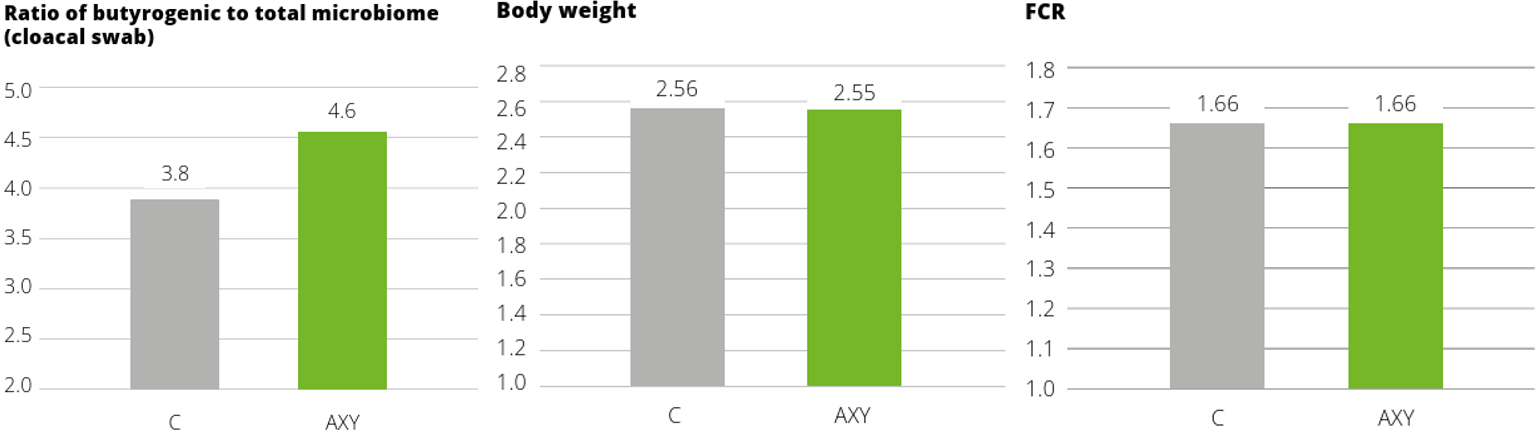
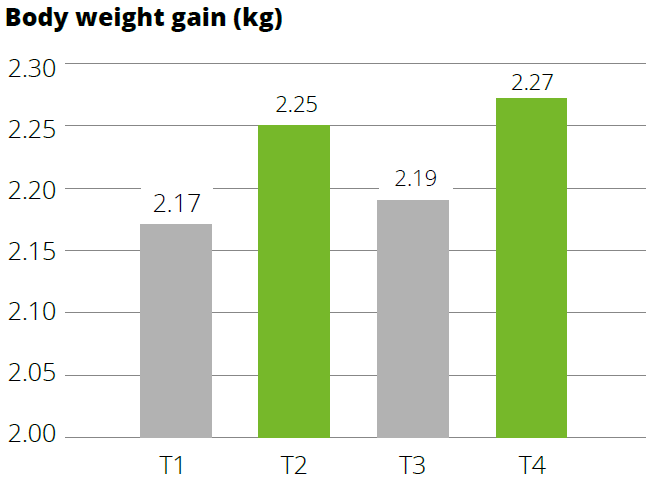
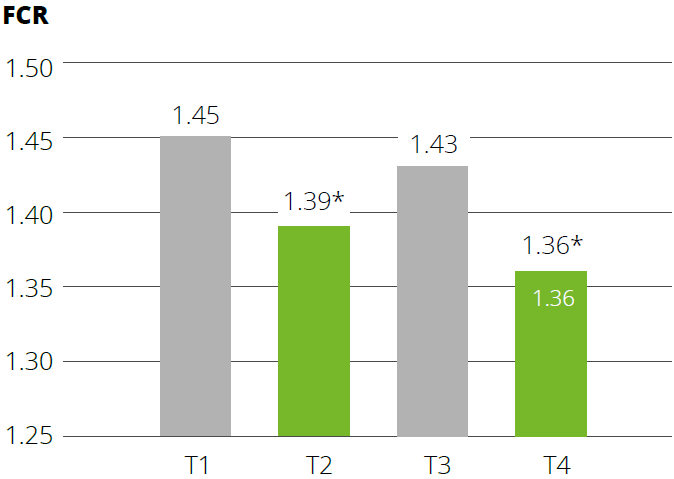
In a recently conducted 42-day trial at a commercial farm, Axxess XY maintained broiler performance with a 100 kcal/kg reduction in metabolizable energy and 8% use of Corn DDGS in a corn-SBM based diet (Figure 2). This significantly reduced feed cost/kg body weight.
Incorporating DDGS into poultry diets presents a sustainable and cost-effective solution, but its full potential is often limited by variability in nutrient composition and high fiber content. Xylanase enzymes, particularly those in the GH10 family like Axxess XY, can overcome these barriers by breaking down complex arabinoxylans and unlocking inaccessible nutrients. With proven benefits in energy utilization, nutrient digestibility, and overall production efficiency, xylanase inclusion emerges as a strategic approach to optimize DDGS usage, ultimately supporting economic and environmental sustainability goals in poultry production.
References
Almeida, F.N.; Htoo, J.K.; Thomson, J.; Stein, H.H. Amino acid digestibility of heat-damaged distillers’ dried grains with soluble fed to pigs. J. Anim. Sci. Biotechnol. 2013, 4, 2–11.
Bedford, M.R., 1995. Mechanism of action and potential environmental benefits from the use of feed enzymes. Anim. Feed Sci. Technol. 53, 145–155.
Collins, Tony, Charles Gerday, and Georges Feller. “Xylanases, Xylanase Families and Extremophilic Xylanases.” FEMS Microbiology Reviews 29, no. 1 (January 2005): 3–23. https://doi.org/10.1016/j.femsre.2004.06.005.
Jha, R.; Woyengo, T.A.; Li, J.; Bedford, M.R.; Vasanthan, T.; Zijlstra, R.T. Enzymes enhance degradation of the fiber–starch–protein matrix of distillers dried grains with solubles as revealed by a porcine in vitro fermentation model and microscopy. J. Anim. Sci. 2015, 93, 1039–1051.
Jilek, M.L., Bunzel, M., 2013. Dehydrotriferulic and dehydrodiferulic acid profiles of cereal and pseudocereal flours. Cereal Chem. J. 90, 507–514
Jones, C.K., Bergstrom, J.R., Tokach, M.D., DeRouchey, J.M., Goodband, R.D., Nelssen, J.L., Dritz, S.S., 2010. Efficacy of commercial enzymes in diets containing various concentrations and sources of dried distillers’ grains with solubles for nursery pigs. J. Anim. Sci. 88, 2084–2091.
Khattak, F.M., T.N. Pasha, Z. Hayat, and A. Mahmud. 2006. Enzymes in poultry nutrition. J. Anim. Pl. Sci. 16:1-7.
Olukosi, O.A., and A.O. Adebiyi. 2013. Chemical composition and prediction of amino acid content of maize- and wheat-distillers’ Dried Grains with Soluble. Anim. Feed Sci. Technol. 185:182-189.
Pedersen M. B., Dalsgaard S., Bach Knudsen K.E., Yu S., Lærke H.N., Compositional profile and variation of Distillers Dried Grains with Solubles from various origins with focus on non-starch polysaccharides, Animal Feed Science and Technology, Volume 197, 2014, Pages 130–14.
Saulnier, L., Vigouroux, J., Thibault, J.-F., 1995a. Isolation and partial characterization of feruloylated oligosaccharides from maize bran. Carbohydr. Res. 272,241–253.
Yang, J., Maldonado-Gómez, M.X., Hutkins, R.W., Rose, D.J., 2013. Production and in vitro fermentation of soluble, non-digestible, feruloylated oligo- andpolysaccharides from maize and wheat brans. J. Agric. Food Chem.
Yoon, S.Y., Yang, Y.X., Shinde, P.L., Choi, J.Y., Kim, J.S., Kim, Y.W., Yun, K., Jo, J.K., Lee, J.H., Ohh, S.J., Kwon, I.K., Chae, B.J., 2010. Effects of mannanase and distillers’ dried grain with solubles on growth performance, nutrient digestibility, and carcass characteristics of grower-finisher pigs. J. Anim. Sci. 88,181–191.
Recent advances in energy evaluation in pigs
Conference Report
During the recent EW Nutrition Swine Academies in Ho Chi Minh City and Bangkok, Dr. Jan Fledderus, Product Manager and Consultant at Schothorst Feed Research, discussed that much money is involved in a correct energy evaluation system. “Net energy is 70% of feed costs, and feed is about 70% of total costs.” Therefore, an accurate energy evaluation system is important as it will give:
Flexibility to use different raw materials
Reduction of formulation costs
Best prediction of pig performance
Match the available dietary energy requirement of the feed to the pig’s requirement
Energy evaluation systems for pigs
The energy value of a raw material or complete feed can be expressed using different energy evaluation systems. Net energy (NE) in pigs refers to the amount of energy available for maintenance and production after accounting for energy losses during digestion, metabolism, and heat production. It is a crucial concept in swine nutrition as it provides a more accurate measure of the energy value of feed ingredients compared to other systems like digestible energy (DE) and metabolizable energy (ME). Diets formulated using NE are lower in crude protein than those using DE or ME because the heat lost during catabolism and excretion of excess nitrogen is considered in the NE system.
Effect of energy
Energy is derived from three nutrients: lipids (fats and oils), carbohydrates, and proteins. Using NE values instead of DE or ME values can lead to changes in ingredient ranking when formulating diets. For example:
Ingredients high in fat or starch may be undervalued in DE systems but receive appropriate recognition in NE evaluations.
Conversely, protein-rich or fibrous ingredients may be favored in DE systems.
Table 1: Energy values (kcal/kg) of nutrients
Nutrient
Energy
Starch
Protein
Fat
Gross energy
GE
4,486 (100)
5,489 (122)
9,283 (207)
Digestible energy
DE
4,176 (100)
4,916 (118)
8,424 (202)
Metabolizable energy
ME
4,176 (100)
4,295 (103)
8,424 (202)
Net energy
NE
3,436 (100)
2,434 (71)
7,517 (219)
Heat production (kcal/kg)
740
1,861
907
Heat production (% of NE)
22%
76%
12%
Calculation of net energy
Net energy (kcal/kg dry matter) is calculated as:
= 2,577 x digestible crude protein
+ 8,615 x digestible crude fat
+ 3,269 x ileal digestible starch
+ 2,959 x ileal digestible sugars
+ 2,291x fermentable carbohydrates
Factors affecting nutrient digestibility
This raises the obvious question, ‘What is the nutrient digestibility of your raw materials?’ Dr. Fledderus considered several factors that affect nutrient digestibility and, therefore, NE values, including
Age: as pigs grow, their digestive systems mature, leading to improved nutrient digestibility. Younger pigs typically have lower digestibility rates due to an underdeveloped gastrointestinal tract. Older pigs typically exhibit higher digestibility, especially for fibrous diets, as their digestive systems become more efficient at breaking down complex nutrients.
Physiological stage: the digestibility of diets can vary between pregnant and lactating sows. Digestibility is generally higher for gestating sows; lactating sows may have slightly lower digestibility due to higher feed intake. Also, lactating sows do not consume enough feed to meet their energy needs, leading to body tissue mobilization and weight loss.
Feed intake and number of meals per day: Increased feed intake and more frequent meals can enhance nutrient digestibility. Regular feeding helps maintain gut motility and reduces the risk of digestive disturbances. Studies indicate that pigs fed multiple smaller meals exhibit better nutrient absorption than those fed larger meals less frequently.
Use of antibiotics and feed additives: including exogenous enzymes and other additives can improve nutrient breakdown and overall digestibility of complex feed components, further influencing ingredient rankings within different energy evaluation systems. Antibiotics can lead to dysbiosis, negatively impacting overall gut health and digestion.
Feed processing: gelatinized starch is more easily broken down by digestive enzymes, resulting in higher and faster digestibility compared to raw or unprocessed starch. This increased digestibility leads to a greater proportion of energy being absorbed in the small intestine, contributing positively to the NE value of the feed. As the particle size of feed ingredients decreases, the NE increases. While smaller particles generally improve digestibility, excessively fine grinding can lead to adverse effects such as increased risk of gastric ulcers in pigs.
Intestinal health: a healthy gut is crucial for optimal nutrient absorption. Factors such as the presence of beneficial microbiota and the integrity of the intestinal barrier play significant roles in nutrient digestibility. Conditions like inflammation or dysbiosis can impair nutrient absorption and decrease overall performance.
NE system shows better the “true” energy of the diet
Dr. Fledderus concluded that the NE system offers a closer estimate of pigs’ “true” energy available for maintenance and production (growth, lactation, etc.). This leads to better ingredient rankings, reduced crude protein levels, which decreases nitrogen excretion, and enhanced nutrient utilization, contributing to more sustainable pig production practices. This aligns with increasing demands for environmentally responsible farming methods.
EW Nutrition’s Swine Academy took place in Ho Chi Minh City and Bangkok in October 2024. Dr. Jan Fledderus, Product Manager and Consultant at the S&C team at Schothorst Feed Research, one of the founders of the Advanced Feed Package and with a strong focus on continuously improving the price/quality ratio of the diets for a competitive pig sector, was a reputable guest speaker in these events.
Dietary interventions for resilient poultry gut health in the AMR era
by Ajay Bhoyar, Global Technical Manager, EW Nutrition
Gut health is critical for profitable poultry production, as the gastrointestinal tract (GIT) plays a dual role in nutrient digestion and absorption while serving as a crucial defense against pathogens. A healthy gut enables efficient feed conversion, robust immune function, and resilience against diseases, reducing reliance on preventive and therapeutic antibiotics. Optimum gut health has become increasingly important in poultry production to combat antimicrobial resistance (AMR), a pressing global challenge threatening animal agriculture and public health.
AMR arises when bacteria develop antibiotic resistance, often due to overuse or misuse in human and animal settings. Predictive models suggest that by 2050, AMR could result in 10 million annual deaths and a 2.0%–3.5% reduction in global gross domestic production, amounting to economic losses between 60 and 100 trillion USD. In poultry, AMR compromises flock health, leading to higher mortality, reduced growth performance, and elevated treatment costs, directly impacting profitability. Additionally, resistant pathogens increase the risk of zoonotic disease transfer, posing serious food safety concerns.
Stricter regulations and rising consumer demand for antibiotic-free poultry products drive a shift toward sustainable, antibiotic-free production systems. However, A lack of understanding about strategies to replace AMU and their effectiveness under field conditions hampers change in farming practices (Afonso et al., 2024). Addressing AMR requires a holistic approach, encompassing enhanced biosecurity, innovative health-promoting strategies, and sustainable management practices. This paper explores practical dietary interventions to support poultry gut health while reducing dependency on antimicrobials, offering solutions for the long-term sustainability of poultry production.
Gut Mediated Immunity in Chickens
The gut is a critical component of the immune system, as it is the first line of defense against pathogens that enter the body through the digestive system. Chickens have a specialized immune system in the gut, known as gut-associated lymphoid tissue (GALT), which helps to identify and respond to potential pathogens. The GALT includes Peyer’s patches, clusters of immune cells in the gut wall, and the gut-associated lymphocytes (GALs) found throughout the gut. These immune cells recognize and respond to pathogens that enter the gut.
The gut-mediated immune response in chickens involves several mechanisms, including activating immune cells, producing antibodies, and releasing inflammatory mediators. GALT and GALs play a crucial role in this response by identifying and responding to pathogens and activating other immune cells to help fight off the infection.
The gut microbiome is a diverse community of microorganisms that live in the gut. These microorganisms can significantly impact the immune response. Certain beneficial bacteria, for example, can help stimulate the immune response and protect the gut from pathogens.
Overall, the gut microbiome, GALT, and GALs work together to create an environment hostile to pathogens while supporting the growth and health of beneficial microorganisms.
Key Factors Affecting Poultry Gut Health
The key factors affecting broiler gut health can be summarized as follows:
Early gut development: Gut-associated immunity responds to early feeding and dietary nutrients and is critical for protecting against exogenous organisms during the first week of life post-hatch.
Feed and Water Quality: The form, type, and quality of feed provided to broilers can significantly impact their gut health. Consistently available cool and hygienic drinking water is crucial for optimum production performance.
Stressors: Stressful conditions, such as high environmental temperatures or poor ventilation, can lead to an imbalance in the gut microbiome and an increased risk of disease.
Infections and medications: Exposure to pathogens or other harmful bacteria can disrupt the gut microbiome and lead to gut health issues. A robust immune system is important for maintaining gut health, as it helps to prevent the overgrowth of harmful bacteria and promote the growth of beneficial bacteria.
Biosecurity: Keeping the poultry environment clean and free of pathogens is crucial for maintaining gut health, as bacteria and other pathogens can quickly spread and disrupt the gut microbiome.
Management practices: Best practices, including proper litter management, can help maintain gut health and prevent gut-related issues.
Dietary Interventions for Optimum Gut Health
Gut health means the absence of gastrointestinal disease, the effective digestion and absorption of feed, and a normal and well-established microbiota (Bischoff, 2011). Various dietary measures can be taken to support the healthy functioning of the GIT and host defense. Water and feed safety and quality, feeding management, the form the feed is provided in (e.g., pellets), the composition of the diet, and the use of various feed additives are all tools that can be used to support health (Smits et al., 2021).
Various gut health-supporting feed additives, including organic acids, probiotics, prebiotics, phytochemicals/essential oils, etc., in combination or alone, have been explored as an alternative to antimicrobials in animal production. There were differences in the impacts of the strategies between and within species; this highlights the absence of a ‘one-size-fits-all’ solution. Nevertheless, some options seem more promising than others, as their impacts were consistently equivalent or positive when compared with animal performance using antimicrobials (Afonso et al., 2024). Including insoluble fibers, toxin binders, exogenous enzymes, and antioxidants in the feed formulations also play a crucial role in gut health optimization, which goes beyond their primary functions to combat AMR challenges.
Fig. 1: Multifactorial approach to gut health management in reduced antimicrobial use
Organic Acids
The digestive process extensively includes microbial fermentation, and as a result, organic acids are commonly produced by beneficial bacteria in the crop, intestines, and ceca (Huyghebaert et al., 2010). Organic acids’ inclusion in the poultry diet can improve growth performance due to improved gut health, increased endogenous digestive enzyme secretion and activity, and nutrient digestibility. Butyrate is highly bioactive in GIT. It increases the proliferation of enterocytes, promotes mucus secretion, and may have anti-inflammatory properties (Bedford and Gong, 2018; Canani et al., 2011; Hamer et al., 2008). These effects suggest that it supports mucosal barrier function. Butyrate is becoming a commonly used ingredient in diets to promote GIT health.
Including organic acids in the feed can decontaminate feed and potentially reduce enteric pathogens in poultry. Alternately, the formaldehyde treatment of feed is highly effective at a relatively low cost (Jones, 2011; Wales, Allen, and Davies, 2010).
Organic acids like formic and citric acid are also used in poultry drinking water to lower the microbial count by lowering the water’s pH and preventing/removing biofilms in the water lines. By ensuring feed and water hygiene, producers can minimize pathogen exposure, enhance bird health, and significantly reduce their reliance on antibiotics.
Probiotics, Postbiotics, Prebiotics and Synbiotics
Probiotics and prebiotics have drawn considerable attention to optimizing gut health in animal feeds. Probiotic supplementation could have the following effects: (1) modification of the intestinal microbiota, (2) stimulation of the immune system, (3) reduction in inflammatory reactions, (4) prevention of pathogen colonization, (5) enhancement of growth performance, (6) alteration of the ileal digestibility and total tract apparent digestibility coefficient, and (7) decrease in ammonia and urea excretion (Jha et al., 2020). Certain Lactobacilli or Enterococci species may be used with newly hatched or newborn animals; single or multi-strain starter cultures can be used to steer the initial microbiota in a desired direction (Liao and Nyachoti, 2017). Apart from using probiotics in feed and drinking water, probiotic preparations can be sprayed on day-old chicks in the hatchery or immediately after placement in the brooding house. This way, the probiotic strains/beneficial bacteria gain access to the gut at the earliest possible time (early seeding). Postbiotics are bioactive compounds produced by probiotics during fermentation, such as short-chain fatty acids, peptides, and bacterial cell wall components. Unlike live probiotics, postbiotics are stable, safer, and provide consistent health benefits.
Prebiotics like mannan-oligosaccharides (MOS), inulin, and its hydrolysate (fructo-oligosaccharides: FOS) play an important role in modulating intestinal microflora and potential immune response. Prebiotics reduce pathogen colonization in poultry and promote selective stimulation of beneficial bacterial species. Synbiotics are a combination of probiotics and prebiotics. This synergistic approach offers dual benefits by promoting the growth of beneficial bacteria and directly combating pathogens.
Dietary Fibers (DF)
The water-insoluble fibers are regarded as functional nutrients because of their ability to escape digestion and modulate nutrient digestion. A moderate level of insoluble fiber in poultry diets may increase chyme retention time in the upper part of the GIT, stimulating gizzard development and endogenous enzyme production, improving the digestibility of starch, lipids, and other dietary components (Mateos et al., 2012). The insoluble DF, when used in amounts between 3–5% in the diet, could have beneficial effects on intestinal development and nutrient digestibility.
Dietary fibers influence the development of the gizzard in poultry birds. A well-developed gizzard is a must for good gut health. Jiménez-Moreno & Mateos (2012) noted that coarse fiber particles are selectively retained in the gizzard, ensuring a complete grinding and a well-regulated feed flow. Secretion of digestive juices regulates GIT motility and feed intake. Including insoluble fibers in adequate amounts improves the gizzard function and stimulates HCl production in the proventriculus, thus helping control gut pathogens.
Toxin Risk Management
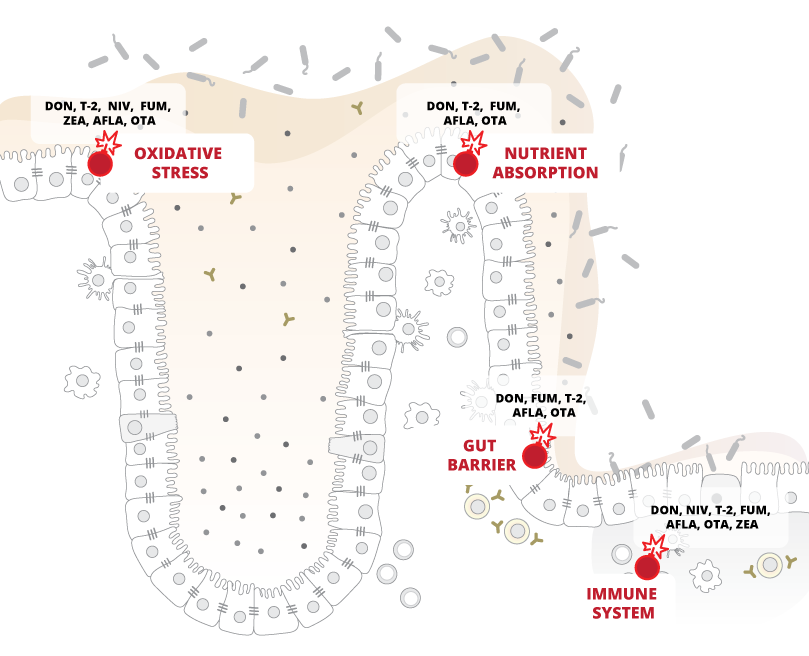
Mycotoxins may have a detrimental impact on the mucosal barrier function in animals (Akbari et al., 2017; Antonissen et al., 2015; Basso, Gomes and Bracarense, 2013; Pierron, Alassane-Kpembi and Oswald, 2016). Mycotoxins like Aflatoxin B1, Ochratoxin A, and deoxynivalenol (DON) not only suppress immune responses but also induce inflammation and even increase susceptibility to pathogens (Yuhang et al., 2023). To avoid intestinal health problems, poultry producers need to emphasize avoiding levels of mycotoxins in feedstuffs and rancid fats that exceed recommended limits (Murugesan et al., 2015; Grenier and Applegate, 2013).
Fusarium mycotoxin
Bacterial lipopolysaccharides (LPS), also known as endotoxins, are the main components of the outer membrane of all Gram-negative bacteria and are essential for their survival. In stress situations, the intestinal barrier function is impaired, allowing the passage of endotoxins into the bloodstream. When the immune system detects LPS, inflammation sets in and results in adverse changes in gut epithelial structure and functionality. Dietary Intervention to bind these endotoxins in the GIT can help mitigate the negative impact of LPS on animals. Given this, toxin risk management with an appropriate binding agent able to control both mycotoxins and endotoxins appears to be a promising strategy for reducing their adverse effects. Further, adding antioxidants and mycotoxin binders to feed can reduce the effects of mycotoxins and peroxides and is more necessary in ABF programs (Yegani and Korver, 2008).
Essential oils/Phytomolecules
Essential oils (EOs) are important aromatic components of herbs and spices and are used as natural alternatives for replacing antibiotic growth promoters (AGPs) in poultry feed. The beneficial effects of EOs include appetite stimulation, improvement of enzyme secretion related to food digestion, and immune response activation (Krishan and Narang, 2014)
Essential oils (EOs), raw extracts from plants (flowers, leaves, roots, fruit, etc.), are an unpurified mix of different phytomolecules. The raw extract from Oregano is a mix of various phytomolecules (Terpenoids) like carvacrol, thymol and p-cymene. Whereas the phytomolecules are active ingredients of essential oils or other plant materials. Phytomolecule is clearly defined as one active compound.
These botanicals have received increased attention as possible growth performance enhancers for animals in the last decade via their beneficial influence on lipid metabolism, and antimicrobial and antioxidant properties (Botsoglou et al., 2002), ability to stimulate digestion (Hernandez et al., 2004), immune enhancing activity, and anti-inflammatory potential (Acamovic and Brooker, 2005). Many studies have been reported on supplementing poultry diets with some essential oils that enhanced weight gain, improved carcass quality, and reduced mortality rates (Williams and Losa, 2001). The use of some specific EO blends has been shown to have efficacy towards reducing the colonization and proliferation of Clostridium perfringens and controlling coccidia infection and, consequently, may help to reduce necrotic enteritis (Guo et al., 2004; Mitsch et al., 2004; Oviedo-Rondón et al., 2005, 2006a, 2010).
Salmonella
Antimicrobial properties of phytomolecules hinder the growth of potential pathogens. Thymol, eugenol, and carvacrol are structurally similar and have been proven to exert synergistic or additive antimicrobial effects when combined at lower concentrations (Bassolé and Juliani, 2012). In in-vivo studies, essential oils used either individually or in combination have shown clear growth inhibition of Clostridium perfringens and E. coli in the hindgut and ameliorated intestinal lesions and weight loss than the challenged control birds (Jamroz et al., 2006; Jerzsele et al., 2012; Mitsch et al., 2004). One well-known mechanism of antibacterial activity is linked to their hydrophobicity, which disrupts the permeability of cell membranes and cell homeostasis with the consequence of loss of cellular components, influx of other substances, or even cell death (Brenes and Roura, 2010; Solórzano-Santos and Miranda-Novales, 2012; Windisch et al., 2008; O’Bryan et al., 2015).
Apart from use in feed, the liquid phytomolecules preparations for drinking water use can prove to be beneficial in preventing and controlling losses during challenging periods of bird’s life (feed change, handling, environmental stress, etc.). Liquid preparations can potentially reduce morbidity and mortality in poultry houses and thus the use of therapeutic antibiotics. Barrios et al. (2021) suggested that commercial blends of phytomolecule preparations may ameliorate the impact of Necrotic Enteritis on broilers. Further, they hypothesized that the effects of liquid preparation via drinking water were particularly important in improving overall mortality.
In modern, intensive poultry production, the imminent threat of resistant Eimeria looms large, posing a significant challenge to the sustainability of broiler operations. Eimeria spp., capable of developing resistance to traditional anticoccidial drugs, has become a pressing global issue for poultry operators. The resistance of Eimeria to traditional drugs, coupled with concerns over drug residue, has necessitated a shift towards natural, safe, and effective alternatives. It was found that if a drug to which the parasite has developed resistance is withdrawn from use for some time or combined with another effective drug, the sensitivity to that drug may return (Chapman, 1997).
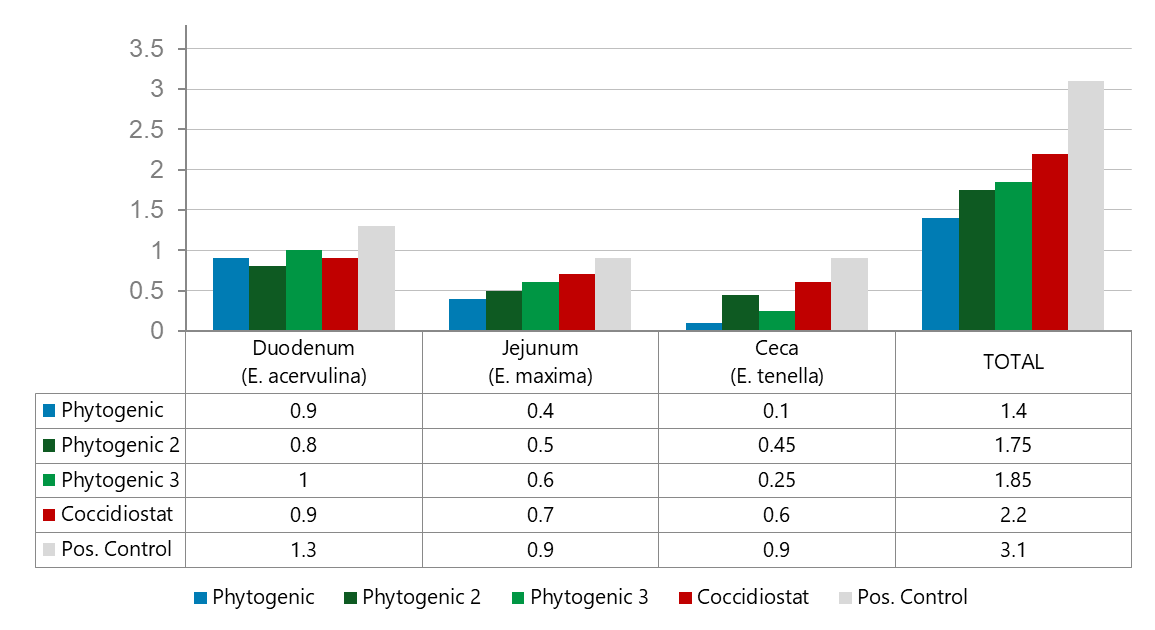
Several phytogenic compounds, including saponins, tannins, essential oils, flavonoids, alkaloids, and lectins, have been the subject of rigorous study for their anticoccidial properties. Among these, saponins and tannins in specific plants have emerged as powerful tools in the fight against these resilient protozoa. Botanicals and natural identical compounds are well renowned for their antimicrobial and antiparasitic activity so that they can represent a valuable tool against Eimeria (Cobaxin-Cardenas, 2016). The mechanisms of action of these molecules include degradation of the cell wall, cytoplasm damage, ion loss with reduction of proton motive force, and induction of oxidative stress, which leads to inhibition of invasion and impairment of Eimeria spp. development (Abbas et al., 2012; Nazzaro et al., 2013). Natural anticoccidial products may provide a novel approach to controlling coccidiosis while meeting the urgent need for control due to the increasing emergence of drug-resistant parasite strains in commercial poultry production (Allen and Fetterer, 2002).
Role of Feed Enzymes Beyond Feed Cost Reduction
Feed enzymes have traditionally been associated with improving feed efficiency and reducing feed costs by enhancing nutrient digestibility. However, their role can extend well beyond economic benefits, profoundly impacting gut health and supporting reduced antimicrobial use in poultry production. Exogenous enzymes reduce microbial proliferation by reducing the undigestible components of feed, the viscosity of digesta, and the irritation to the gut mucosa that causes inflammation. Enzymes also generate metabolites that promote microbial diversity which help to maintain gut ecosystems that are more stable and more likely to inhibit pathogen proliferation (Bedford, 1995; Kiarie et al., 2013).
High dietary levels of non-starch polysaccharides (NSPs) can increase the viscosity of digesta. This leads to an increase in the retention time of the digesta, slows down the nutrient digestion and absorption rate, and may lead to an undesired increase in bacterial activity in the small intestine (Langhout et al., 2000; Smits et al., 1997). Further the mucosal barrier function may also be adversely affected. To solve this problem, exogenous enzymes, such as arabinoxylanase and/ or ß-glucanase, are included in feed to degrade viscous fibre structures (Bedford, 2000). The use of xylanase and ß-glucanase may also cause oligosaccharides and sugars to be released, of which certain, for example, arabinoxylan oligosaccharides, may have prebiotic properties (De Maesschalck et al., 2015; Niewold et al., 2012).
New generation xylanases coming from family GH-10 are known to effectively breakdown both soluble and insoluble arabinoxylans into a good mixture of smaller fractions of arabino-xylo-oligosaccharides (AXOS) and xylo-oligosaccharides (XOS), which exert a prebiotic effect in the GIT. Awati et.al. (2023) observed that a novel GH10 xylanase contributed to positive microbial shift and mitigated the anti-nutritional gut-damaging effects of higher fiber content in the feed. With a substantial understanding of the mode of action and technological development in enzyme technology, nutritionists can reliably consider new-generation xylanases for gut health optimization in their antibiotic reduction strategy.
Conclusions
The challenge of mitigating antimicrobial resistance (AMR) in poultry production necessitates a multidimensional approach, with gut health at its core. Dietary interventions, such as organic acids, probiotics, prebiotics, phytomolecules, toxin binders, and feed enzymes, promote gut resilience, enhance immune responses, and reduce reliance on antimicrobials. These strategies not only support the health and productivity of poultry but also address critical global issues of AMR and food safety.
While no single solution fits all circumstances, integrating these dietary tools with robust biosecurity measures, sound management practices, and continued research on species-specific and field-applicable strategies can pave the way for sustainable, antibiotic-free poultry production. The transition to such systems aligns with regulatory requirements and consumer expectations while contributing to global efforts against AMR.
Ultimately, embracing holistic and innovative dietary strategies ensures a resilient gastrointestinal environment, safeguarding poultry health and productivity while protecting public health and environmental sustainability for future generations.
References: The references can be made available upon request to the author.
EU Agricultural Outlook 2024-2035: Projected Trends and Challenges
by Ilinca Anghelescu, Global Director Marketing & Communications, EW Nutrition
The European Union (EU) agricultural sector is confronted with challenges and uncertainties stemming from the geopolitical risks, extreme weather events, and evolving market demand. The EU Agricultural Outlook 2024-2035, published last month, highlights the anticipated trends, challenges, and opportunities facing the sector over the medium term, given several considerations likely shaping the future.
Initial considerations for EU agricultural trends
Macroeconomic context
The EU’s real GDP growth is expected to stabilize, contributing to a stable economic environment for agriculture. Inflation rates are projected to return to the European Central Bank’s target of 2% by 2025. Exchange rates will see the Euro slightly appreciating against the US dollar, and Brent crude oil prices are anticipated to stabilize in real terms at approximately $102 per barrel by 2035.
However, despite optimistic declarations in the recent past, we have not solved world hunger. Population growth in lower-income parts of the world is leading to an unequal distribution and, after an initial dip, the number of people going to bed hungry is expected to rise again. Moreover, in the next ten years some improvements are foreseen but no massive changes are expected in the percentage of food groups and calories available per capita.
Climate change impact
Climate change is reshaping EU agriculture by affecting critical natural resources such as water and soil. Agroclimatic zones are shifting northwards, with implications for crop cultivation patterns. For example, regions traditionally suitable for wheat may increasingly shift focus to other crops better adapted to new climate conditions.
Consumer demand
Consumer awareness of sustainability is driving significant shifts in dietary preferences in the EU. The demand for plant proteins like pulses is increasing, while meat consumption, particularly beef and pork, is declining due to environmental and health concerns. Conversely, demand for fortified and functional dairy products is on the rise.
What are the projected agricultural trends in 2024-2035?
Arable crops
Land use: While the total agricultural land in the EU remains stable, a shift in crop focus is anticipated. Land allocated for cereals and rapeseed is expected to decline, making way for soya beans and pulses due to reduced feed demand and policy incentives for plant proteins.
Cereals: Production of cereals, including wheat, maize, and barley, is forecast to stabilize with minor yield increases due to advancements in precision farming and digitalization. Wheat production is set to recover after an expected dip in 2024.
Dairy Sector
Milk production: Although milk yields are projected to increase due to improved genetics and farming practices, the decline in the dairy cow herd will result in a slight overall reduction in milk production by 2035.
Dairy products: The production of cheese and whey will grow steadily, driven by domestic and international demand. Conversely, the consumption of drinking milk is expected to decline, while demand for fortified and functional dairy products grows.
Meat Sector
Beef and veal: Beef production is expected to decrease by 10%, with the EU cow herd shrinking by 3.2 million head by 2035. This decline is attributed to sustainability concerns, high production costs, and changing consumer preferences. Beef consumption is also projected to decline, driven by high prices and a preference for plant-based alternatives.
Pig meat: The sector faces a projected annual production decline of 0.9%, equating to a reduction of nearly 2 million tons compared to 2021-2023 levels. This trend is largely influenced by concerns over sustainability and a declining preference for fatty meats.
Poultry: In contrast, poultry production is forecast to increase due to its healthier image, lower cost, and minimal cultural or religious constraints. However, the growth rate will be slower than in the previous decade.
Upcoming challenges in agriculture
Climate Resilience
The increasing frequency of extreme weather events requires investments in resilient farming practices. Adoption of precision farming and crop diversification is critical to mitigate climate impacts. However, if existing policies are further implemented, greenhouse gas emissions are expected to see a significant decline.
Policy Frameworks
The Common Agricultural Policy (CAP) plays a pivotal role in steering the sector toward sustainability. However, farmers face challenges in adapting to stricter environmental regulations and securing sufficient funding for transitions. The recent Mercosur agreement has already stirred dissent in EU countries that fear unfettered competition without similar policy regulations.
Market Dynamics
Global trade tensions and competition in agricultural markets pose significant risks. While the EU remains a net exporter, dependence on imports for certain crops, such as soya beans, highlights vulnerabilities in supply chains.
In a weather-shock scenario for the EU feed supply chain, the report highlights that increased feed prices would drive up retail meat prices by 10% for poultry and pork producers, and 5% for beef and veal producers. The increase would be less abrupt for retail prices, rising by 3% for pork, and 4% for poultry meat. Producers need to be mindful of the absorbed costs of these potential shocks.
Conclusion
The EU agricultural sector must continue to balance productivity, sustainability, and consumer preferences. While advancements in technology and policy frameworks offer pathways to resilience, addressing challenges such as climate change and market dynamics will be critical to achieving long-term goals.
Antimicrobial resistance in animal production workers, a serious challenge
With 73% of human-use antibiotics also used in food-animal production, antimicrobial resistance (AMR) is a pressing global health concern, particularly in contexts where humans and animals are in close proximity, such as in animal production facilities. This issue is exacerbated by the widespread use of antibiotics in livestock farming, which not only promotes resistance in bacteria but also poses direct risks to farm workers.
Antimicrobial resistance in farm workers in Denmark
In Denmark, a country renowned for its robust agricultural monitoring systems, significant strides have been made in tracking AMR. A comprehensive report from 2015 emphasized the occurrence of antimicrobial-resistant bacteria, particularly in livestock-associated methicillin-resistant Staphylococcus aureus (LA-MRSA). The Danish Integrated Antimicrobial Resistance Monitoring and Research Program (DANMAP) highlighted that farm workers frequently came into contact with these resistant pathogens, which posed occupational hazards and public health challenges (Bager et al., 2015). The program found that 88% of pigs carried LA-MRSA, and farm workers had significantly elevated exposure risks, particularly in intensive swine operations (DANMAP 2015 Report).
Antimicrobial resistance in farm workers in the US
Studies in the United States have revealed even more alarming statistics. Farm workers in intensive animal farming environments were found to be 32 times more likely to develop antibiotic-resistant infections than the general population. This increased risk was attributed to prolonged exposure to resistant bacteria and antibiotic residues in animal feed and the environment (Silbergeld et al., 2008). The close interaction between humans and animals in confined spaces fosters the transfer of resistant genes, making these workers a vulnerable group.
Mechanisms of resistance spread
The spread of AMR from livestock to humans can occur through several pathways:
Direct contact: Handling animals and exposure to manure or bodily fluids.
Contaminated food: Consumption of undercooked or improperly handled meat products.
Environmental contamination: Water and soil contaminated with antibiotics or resistant bacteria.
What can be done?
Even in countries where antimicrobials reduction legislation has been in place for almost two decades, such as Germany or Sweden, new resistance cases are constantly discovered. In supermarkets around the world, meat contaminated with antibiotic-resistant superbugs is still a common occurrence. And in antibiotic resistance hot spots, “from 2000 to 2018, P50 increased from 0.15 to 0.41 in chickens—meaning that 4 of 10 antibiotics used in chickens had resistance levels higher than 50%. P50 rose from 0.13 to 0.43 in pigs and plateaued between 0.12 and 0.23 in cattle” (Dall, 2019). These hot spots are spread across the globe, from south and northeast India, northeast China, north Pakistan, Iran, and Turkey, to the south coast of Brazil, Egypt, the Red River Delta in Vietnam, and areas surrounding Mexico City, Johannesburg, and more recently Kenya and Morocco.
Globally, antimicrobial use in animals is projected to increase by 67% by 2030, especially in low- and middle-income countries where regulatory frameworks are weaker. Denmark provides a successful model for mitigating these risks. Policies such as the “Yellow Card” scheme have reduced antibiotic use in pigs by promoting alternative husbandry practices and strict monitoring. This approach has also reduced the prevalence of resistant bacteria in animal populations, offering a replicable strategy for other nations (Alban et al., 2017).
Recommendations for mitigation
Strengthening surveillance: Programs like DANMAP should be implemented globally to monitor antibiotic usage and resistance trends in animals and humans.
Reducing antibiotic use: Phasing out non-therapeutic uses of antibiotics, particularly as growth promoters, and avoiding Critically Important Antimicrobials for Human Medicine.
Protecting workers: Providing personal protective equipment (PPE) and regular health screenings for farm workers.
Public awareness: Educating communities about the risks of AMR and promoting safe food handling practices.
The evidence from Denmark and the U.S. underscores the urgent need to address AMR in animal production settings. Protecting farm workers from AMR not only safeguards their health but also prevents the spread of resistant pathogens across the wider public.
References
Bager, F., et al. (2015). DANMAP 2014: Use of antimicrobial agents and occurrence of antimicrobial resistance in bacteria from food animals, food, and humans in Denmark. Retrieved from DANMAP Report.
Silbergeld, E. K., Graham, J., & Price, L. B. (2008). Industrial food animal production, antimicrobial resistance, and human health. Annual Review of Public Health, 29(1), 151-169.
Alban, L., et al. (2017). Assessment of the risk to public health due to use of antimicrobials in pigs—An example of pleuromutilins in Denmark. Frontiers in Veterinary Science, 4, 74. DOI.
EU publishes Short-term Outlook for Agricultural Markets (Autumn 2024)
The EU’s Short-term Outlook for Agricultural Markets (Autumn 2024) reveals significant challenges in agriculture, with adverse weather, geopolitical instability, and fluctuating trade conditions impacting production. The report identifies declining cereal and oilseed outputs, particularly for soft wheat and maize. Meanwhile, milk production is expected to remain stable despite a shrinking cow herd, and the meat sector shows mixed trends, with poultry production rising but pigmeat and beef facing structural challenges.
EU’s Short-term Outlook for Autumn 2024 highlights the following key findings collectively shaping EU agricultural markets:
Weather conditions: Severe drought in Southern and Eastern Europe and excess rainfall in Northwestern regions have reduced cereal and oilseed yields.
Energy and input costs: Inflation is stabilizing but remains high, with elevated prices for inputs like fertilizers and energy.
Geopolitical tensions: The ongoing war in Ukraine and trade disputes are disrupting supply chains and impacting exports.
Global demand: While global agricultural demand is recovering, trade flows face disruptions due to regulatory changes and volatile market conditions.
Cereals
The EU cereal production in 2024/25 is projected at 260.9 million tons, approximately 7% below the 5-year average. This marks the lowest production in the past decade, driven by unfavorable weather conditions, including excessive rain in Northwestern Europe, which impacted planting, particularly for soft wheat, and drought in Southern and Eastern regions, severely affecting maize yields. Production of soft wheat and maize is expected to decline year-on-year by 9.5% and 4%, respectively. On the other hand, barley and durum wheat production are increasing by about 6% and 3%, respectively, compared to the previous year.
EU cereal exports are projected to decline by 22% year-on-year due to reduced production and quality issues. At the same time, domestic demand remains relatively stable, with animal feed consumption holding steady as livestock production stagnates. In terms of prices, cereal prices fell throughout 2024, pressuring farmers’ cash flow, which could hinder their ability to afford inputs such as fertilizers in the coming year.
Milk and Dairy Products
The EU milk market is expected to see relatively stable supply, despite a continuously shrinking cow herd. Milk yields have increased, compensating for the herd’s decline. Milk prices are forecast to stabilize after a period of volatility in the past few years, remaining above historical averages, and input costs for farmers, such as feed and energy, are showing signs of stabilizing, allowing for a potential improvement in farmer margins.
Despite the stability in milk supply, demand for dairy products continues to show mixed trends, influenced by shifts in consumer preferences and trade dynamics. The balance of milk supply and prices could provide an opportunity for dairy farmers to recover some profitability after several challenging years.
In the dairy products sector, cheese and butter continue to dominate EU production, with butter production projected to rise slightly in 2024, driven by stable milk supplies and strong domestic demand. The demand for butter in the global market remains relatively strong, although competition is rising.
Cheese production is also expected to remain stable, reflecting a balance between domestic and export markets. The cheese sector has seen steady growth over the years, supported by increasing consumer demand for premium and specialty cheeses. The demand for skimmed milk powder (SMP) and whole milk powder (WMP) is projected to remain subdued due to fluctuating global demand, particularly from key markets such as China, although some growth is expected in non-European markets.
Meat Products
The meat sector in the EU remains a mixed picture, with structural changes and external factors shaping production and trade in 2024.
Beef and Veal: Beef production continues to face structural decline due to a shrinking herd size, with the sector stabilizing but at lower levels of production. The demand for EU beef remains relatively high, and exports are increasing, but domestic production is likely to remain constrained by environmental and economic pressures. Additionally, the number of animals has been declining consistently, reflecting longer-term trends within the EU beef industry.
Pigmeat: The EU pigmeat sector is facing diverse challenges, with some countries recovering from production setbacks, while others struggle with ongoing disease outbreaks and economic issues. The overall EU pigmeat production is expected to decline slightly, and exports have become less competitive, particularly with reduced demand from key markets such as China. However, opportunities exist in other Asian countries, where EU exporters are gaining ground. Domestically, consumption is forecast to decrease slightly, reflecting shifting consumer preferences toward plant-based alternatives and poultry.
Poultry: Poultry production is expected to rise, driven by strong domestic demand and favorable export conditions. The EU poultry sector has shown resilience, with increasing production and exports, despite higher input costs. Poultry remains a preferred source of protein for consumers, especially as prices for other meats rise. The sector continues to grow in competitiveness on the international stage, with exports expected to increase in 2024 despite the challenges posed by higher EU prices.
Sheep and Goat Meat: Production of sheep and goat meat continues to decline due to the structural reduction of flocks across the EU. High EU prices have made sheep and goat meat less competitive on the global market, reducing export opportunities. Domestically, consumption remains stable but at lower levels than other meat types. The ongoing structural decline in the sector highlights long-term challenges related to animal health, productivity, and market competitiveness.
Volatility and challenges persist
The report highlights the ongoing challenges faced by the cereals, dairy, and meat sectors. Weather conditions and global trade dynamics are shaping the future of EU agriculture, with many sectors grappling with production declines and shifting market demands. Despite these challenges, opportunities exist for some areas of growth, particularly in dairy and poultry, where rising consumer demand and stable supply conditions offer optimism for the future.
The crucial role of short-chain fatty acids and how phytomolecules influence them
by Dr. Inge Heinzl, Editor EW Nutrition
For optimum health, the content of short-chain fatty acids (SCFAs) is decisive. On the one hand, they act locally in the gut, on the other hand, they are absorbed via the intestinal mucosa into the organism and can affect the whole body. Newer studies in humans show a connection between the deficiency of SCFAs and the occurrence of chronic diseases such as diabetes type 2 or chronic inflammatory gut diseases.
SCFAs – what are they, and where do they come from?
SCFAs consist of a chain of one to six carbon atoms. They are crucial metabolites primarily generated through the bacterial fermentation of dietary fiber (DF) in the hindgut. However, SCFAs and branched SCFAs can also arise during protein fermentation. Short-chain fatty acids predominantly include acetate, propionate, and butyrate, which together account for over 95% of the total SCFAs, typically in a 60:20:20 ratio.
Acetate is produced in two different ways, via the acetyl-CoA and the Wood-Ljungdahl pathways where Bacteroides spp., Bifidobacterium spp., Ruminococcus spp., Blautia hydrogenotrophica, Clostridium spp. are involved. Additionally, acetogenic bacteria can synthesize acetate from carbon dioxide and formate through the Wood-Ljungdahl pathway (Ragsdale and Pierce, 2021). Acetate counts for more than 50% of the total SCFAs in the colon and is the most abundant one.
Propionate can also be produced in two ways. If it is produced via the succinate pathway involving the decarboxylation of methyl malonyl-CoA, the essential bacteria are Firmicutes and Bacteroides. In the acrylate pathway, lactate is converted to propionate. Here, only some bacteria, such as Veillonellaceae or Lachnospiraceae, participate.
Butyrate is produced from acetyl-CoA via the classical pathway by several Firmicutes. However, also other gut microbiota such as Actinobacteria, Proteobacteria, and Thermotogae, which contain essential enzymes (e.g., butyryl coenzyme A dehydrogenase, butyryl-CoA transferase, and butyrate kinase) can be involved. Butyrate can also be produced via the lysine pathway from proteins.
Besides the production of SCFAs from dietary fiber, there is another possibility for the synthesis of SCFAs as well as branched SCFAs – the fermentation of protein in the hindgut. This is something we want to avoid, since it´s clear signal of incorrect animal nutrition. It tells us that there is either oversupply of protein or decrease in protein digestion and absorption.
Which roles do SCFAs play?
SCFAs play a crucial role in the maintenance of gut health. Some benefits originate from these substances’ general character, while others are specific to one acid. If we talk about the benefits of all SCFAs, we can mention the following:
Primarily, SCFAs are absorbed by the intestine and serve enterocytes as an essential substrate for energy production.
By lowering the pH in the intestine, SCFAs inhibit the invasion and colonization of pathogens.
SCFAs can cross bacterial membranes in their undissociated form. Inside the bacterial cell, they dissociate, resulting in a higher anion concentration and bactericidal effect (Van der Wielen et al., 2000)
SCFAs repair the intestinal mucosa
They mitigate intestinal inflammation by G protein-coupled receptors (GPRs).
They enhance immune response by producing cytokines such as IL-2, IL-6, IL-10, and TNF-α in the immune cells. Furthermore, they enhance the differentiation of T-cells into T regulatory cells (Tregs) and bind to receptors (Toll-like receptor, G protein-coupled receptors) on immune cells (Liu et al., 2021).
SCFAs are involved in the modulation of some processes in the gastrointestinal tract, such as electrolyte and water absorption (Vinolo et al., 2011)
After seeing the general characteristics of short-chain fatty acids, let us take a closer look at the specialties of the single SCFAs.
Acetate might play a crucial role in the competitive process between enteropathogens and bifidobacteria and help to build a balanced gut microbial environment (Liu et al., 2021). Additionally, acetate promotes lipogenesis in adipocytes (Liu et al., 2022).
Concerning general health, acetate inhibits, e.g., lung inflammatory response and the reduced air-blood permeability induced by avian pathogenic E. coli-caused chicken colibacillosis (Peng et al., 2021).
Propionate is thought to be involved in controlling intestinal inflammation by regulating the immune cells assisting and, consequently, in maintaining the gut barrier. Furthermore, propionate regulates appetite, controls blood glucose, and inhibits fat deposition in broiler chickens (Li et al., 2021).
In a trial conducted by Elsherif et al. (2022), birds fed a diet with 1.5 g sodium propionate/kg showed considerably (P<0.05) longer and wider guts, higher counts of lactobacillus(P<0.05) and no colonization of Clostridium perfringens. The immunological state improved significantly (P<0.05), which could be seen by the higher antibody titers when the birds were vaccinated against Newcastle disease or avian influenza.
Butyrate additionally improves the function of the intestinal barrier by regulating the assembly of tight junctions (Peng et al., 2009) and stimulating cell renewal and differentiation of the enterocytes. Butyrate-producing microbes on their side prevent the dysbiotic expansion of potentially pathogenic E. coli and Salmonella (Byndloss et al., 2017; Cevallos et al., 2021) by stimulating PPAR-γ signaling. This leads to the suppression of iNOS synthesis and a significant reduction of iNOS and nitrate in the colonic lumen. Furthermore, the microbiota-induced PPAR-γ-signaling inhibits dysbiotic Enterobacteriaceae expansion by limiting the bioavailability of oxygen and, therefore, respiratory electron acceptors to Enterobacteriaceae in the colon.
In a trial conducted by Xiao et al. (2023), sodium butyrate enhanced broiler breeders’ reproductive performance and egg quality due to the regulation of the maternal intestinal barrier and gut microbiota. Additionally, it improved the antioxidant capacity and immune function of the breeder hens and their offspring.
SCFAs’ production can be managed
The extent of production depends on the diet and the composition of the intestinal flora. Nutritional strategies can be taken to regulate the production of short-chain fatty acids by providing dietary fiber and prebiotics, the respective bacteria but also additives in the diet or, on the other, negative way, use of antibiotics.
One example of SCFA-promoting additives is phytomolecules. Ventar D, a blend of diverse gut health-promoting phytomolecules, shows its SCFAs-increasing effect in a trial with Ross 308 broilers.
Trial design: The 41-day research study was conducted at an R&D farm in Turkey, with 3200 Ross 308 broilers in total. The day-old broiler chicks were randomly divided into two groups with 8 replicates in 16-floor pens (6.5×2 m each), each of 200 chicks (100 males and 100 females). One group was managed as a control group with regular feed formulation, and the other group was supplemented with Ventar D. All the birds were provided feeds and water ad libitum. Temperature, lighting, and ventilation were managed as per Ross 308 recommendation.
Groups
Application dose
Starter (crumbles)
Grower & Finisher – 1 & 2 (pellet)
Control
No additive
Ventar D
100 gm/MT
100 gm/MT
All the birds and feed were weighed on days 0, 11, 23, and 41. Dead birds were also weighed, and the feed consumption was corrected accordingly. At the end of the experiment, one male and one female chicken close to the average weight of each pen were separated, weighed, and slaughtered. Short-chain fatty acid (SCFA) concentration in the caecum was measured by gas chromatography (Zhang et al. 2003). Statistical analysis of the data obtained in this study was carried out in the Minitab 18 program using the T-test following the randomized block trial design (P ≤ 0.05). The research results were subjected to statistical analysis on a pen basis. Mortality results were evaluated with the Chi-square test.
Results: Ventar D significantly increased the levels of acetate, butyrate, and total SCFAs. The level of propionate was numerically higher. Additionally, higher final body weights (on average 160 g), improved feed efficiency (6 points), a higher EPEF (33 points), and lower mortality (0.5%) could be asserted in this experiment.
One explanation could be the microbiota-balancing effect of Ventar D. Meimandipour et al. (2010), for example, saw in their study that increased colonization of Lactobacillus salivarius and Lactobacillus agilis in cecum significantly increased propionate and butyrate formation in caeca.
Phytomolecules: Balancing intestinal microbiome and increasing healthy SCFAs
By promoting beneficial intestinal bacteria and fighting the harmful ones, phytomolecules drive the microbiome in the right direction and promote the production of short-chain fatty acids. Their gut health-protecting effect, in turn, provides for adequate digestion and absorption of nutrients, leading to optimal feed conversion and growth rates. The support of the immune system and the promotion of the antioxidant capacity additionally enhance the health of the animals. Healthy animals grow better, which ultimately leads to a higher profit for the farm.
References:
Byndloss, Mariana X., Erin E. Olsan, Fabian Rivera-Chávez, Connor R. Tiffany, Stephanie A. Cevallos, Kristen L. Lokken, Teresa P. Torres, et al. “Microbiota-Activated PPAR-γ Signaling Inhibits Dysbiotic Enterobacteriaceae Expansion.” Science 357, no. 6351 (August 11, 2017): 570–75. https://doi.org/10.1126/science.aam9949.
Cevallos, Stephanie A., Jee-Yon Lee, Eric M. Velazquez, Nora J. Foegeding, Catherine D. Shelton, Connor R. Tiffany, Beau H. Parry, et al. “5-Aminosalicylic Acid Ameliorates Colitis and Checks Dysbiotic Escherichia Coli Expansion by Activating PPAR-γ Signaling in the Intestinal Epithelium.” mBio 12, no. 1 (February 23, 2021). https://doi.org/10.1128/mbio.03227-20.
Elsherif, Hany M.R., Ahmed Orabi, Hussein M.A. Hassan, and Ahmed Samy. “Sodium Formate, Acetate, and Propionate as Effective Feed Additives in Broiler Diets to Enhance Productive Performance, Blood Biochemical, Immunological Status, and Gut Integrity.” Advances in Animal and Veterinary Sciences 10, no. 6 (June 2022): 1414–22.
Li, Haifang, Liqin Zhao, Shuang Liu, Zhihao Zhang, Xiaojuan Wang, and Hai Lin. “Propionate Inhibits Fat Deposition via Affecting Feed Intake and Modulating Gut Microbiota in Broilers.” Poultry Science 100, no. 1 (January 2021): 235–45. https://doi.org/10.1016/j.psj.2020.10.009.
Liu, Lixuan, Qingqing Li, Yajin Yang, and Aiwei Guo. “Biological Function of Short-Chain Fatty Acids and Its Regulation on Intestinal Health of Poultry.” Frontiers in Veterinary Science 8 (October 18, 2021). https://doi.org/10.3389/fvets.2021.736739.
Meimandipour, A., M. Shuhaimi, A.F. Soleimani, K. Azhar, M. Hair-Bejo, B.M. Kabeir, A. Javanmard, O. Muhammad Anas, and A.M. Yazid. “Selected Microbial Groups and Short-Chain Fatty Acids Profile in a Simulated Chicken Cecum Supplemented with Two Strains of Lactobacillus.” Poultry Science 89, no. 3 (March 2010): 470–76. https://doi.org/10.3382/ps.2009-00495.
Peng, Lu-Yuan, Hai-Tao Shi, Zi-Xuan Gong, Peng-Fei Yi, Bo Tang, Hai-Qing Shen, and Ben-Dong Fu. “Protective Effects of Gut Microbiota and Gut Microbiota-Derived Acetate on Chicken Colibacillosis Induced by Avian Pathogenic Escherichia Coli.” Veterinary Microbiology 261 (October 2021): 109187. https://doi.org/10.1016/j.vetmic.2021.109187.
Peng, Luying, Zhong-Rong Li, Robert S. Green, Ian R. Holzmanr, and Jing Lin. “Butyrate Enhances the Intestinal Barrier by Facilitating Tight Junction Assembly via Activation of AMP-Activated Protein Kinase in Caco-2 Cell Monolayers.” The Journal of Nutrition 139, no. 9 (September 2009): 1619–25. https://doi.org/10.3945/jn.109.104638.
Ragsdale, Stephen W., and Elizabeth Pierce. “Acetogenesis and the Wood–Ljungdahl Pathway of CO2 Fixation.” Biochimica et Biophysica Acta (BBA) – Proteins and Proteomics 1784, no. 12 (December 2008): 1873–98. https://doi.org/10.1016/j.bbapap.2008.08.012.
Vinolo, Marco A.R., Hosana G. Rodrigues, Renato T. Nachbar, and Rui Curi. “Regulation of Inflammation by Short Chain Fatty Acids.” Nutrients 3, no. 10 (October 14, 2011): 858–76. https://doi.org/10.3390/nu3100858.
Wielen, Paul W. van der, Steef Biesterveld, Servé Notermans, Harm Hofstra, Bert A. Urlings, and Frans van Knapen. “Role of Volatile Fatty Acids in Development of the Cecal Microflora in Broiler Chickens during Growth.” Applied and Environmental Microbiology 66, no. 6 (June 2000): 2536–40. https://doi.org/10.1128/aem.66.6.2536-2540.2000.
Xiao, Chuanpi, Li Zhang, Bo Zhang, Linglian Kong, Xue Pan, Tim Goossens, and Zhigang Song. “Dietary Sodium Butyrate Improves Female Broiler Breeder Performance and Offspring Immune Function by Enhancing Maternal Intestinal Barrier and Microbiota.” Poultry Science 102, no. 6 (June 2023): 102658. https://doi.org/10.1016/j.psj.2023.102658.