Why digitally mature companies fare better

digitization g37a5948d0 1920

When you think of a “digitally mature company,” what do you see? The term might conjure up images of tech-savvy millennials in Silicon Valley, but digitally mature companies are all around you—in every industry, in every corner of the globe. They’re enterprises that have embraced digital technology to transform the way they do business and connect with their customers.

digitally mature companies fare better

So what does a digitally mature company look like? It’s an enterprise that:

  • Has clarity of purpose and vision, and is committed to achieving it
  • Invests in people, processes and technology to support its objectives
  • Keeps evolving as new opportunities present themselves and new technology emerges

Digital maturity correlates with a better bottom line

However you define it, digital maturity matters—and the research shows a direct correlation between being a digitally mature company and having bottom line success.

The economic benefits of digital maturity are well documented. A McKinsey study of 2,400 companies found that those able to exploit ICT to boost efficiency grew revenue 3.2% faster annually than their peers over a five-year period. Another study looked at more than 180 publicly listed companies from around the world, finding that digitally mature organizations outperformed their less mature competitors across all financial measures. This included a return on invested capital (ROIC) 50% higher than laggards.

In an increasingly digital world, companies that embrace technology are simply becoming more competitive and profitable than those who don’t. And it’s no wonder that digitally mature companies have a competitive edge. According to the 2016 State of Digital Business Transformation study conducted by SAP, organizations that see themselves as digitally mature outperform their peers in terms of net income by 20%. In fact, those with advanced digital capabilities enjoy a 42% net income margin compared with 18% for those without any digital capability.

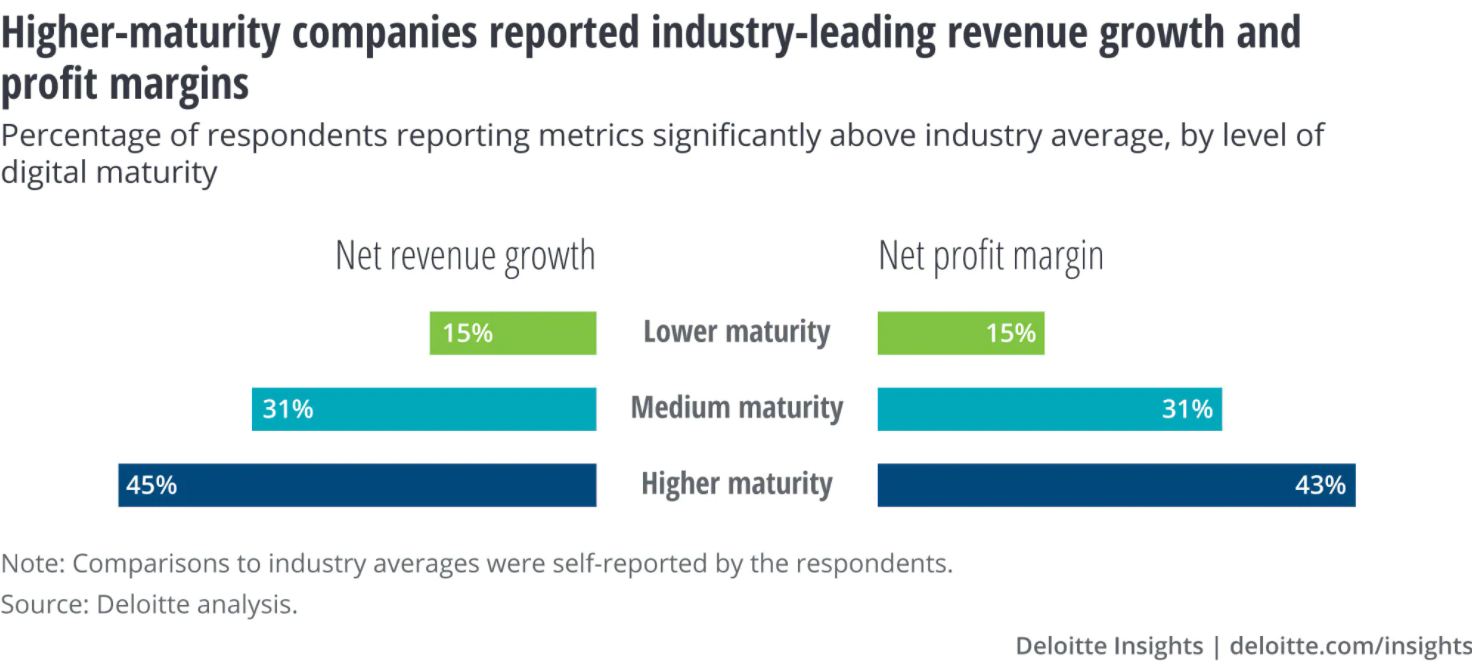
High-maturity companies report

According to PwC’s Annual Global CEO Survey, digitally mature companies are out-performing their less digitally mature peers by 53 percent when it comes to revenue growth over the past three years.

Research shows that digitally mature companies are significantly more likely to have revenues over $1 billion than their digitally novice counterparts. And the larger the enterprise is, the greater the gap in revenue. For example, 50% of large enterprises with strong digital maturity have annual revenues over $1 billion, compared with only 10 percent of small organizations with weak digital maturity.

The numbers show an undeniable trend and help shape an answer to the question “why do digitally mature companies have better results”.

  1. They have resources – or they choose to invest in resources – that a) make processes easier, from operations to accounting, and b) help key stakeholders understand strengths and weaknesses, from tracking shipments to tracking customer journeys.
  2. Digital resources facilitate in-company communication, transparency, and speed of movement and reaction.
  3. Resources are freed up by these facilitated processes and communications, increasing overall productivity.
  4. The ROI of digitalization and digital transformation reflects in the company bottom line.

Moving toward digital maturity in every aspect of the business

A digitally mature company can be defined as a business that has invested in digital technologies to transform the way it does business to enhance customer relationships, improve employee engagement, and streamline processes.

Digital maturity is not just about having the latest gadgets or software packages. It’s a holistic approach to using technology to create value and transform your organization into one that can compete and win in today’s marketplace.

Many organizations are still struggling to make this shift. Their strategies for deploying digital technologies are often limited, and their applications are not fully functional or properly integrated. They don’t have the right tools or the right talent to execute on their plans. As a result, they’re increasingly vulnerable to disruption from start-ups, new entrants, and other competitors who are much more adept at using digital technologies to achieve competitive advantage.

Digital maturity is also essential for any organization seeking to achieve great things through innovation – whether bringing new products or services to market or delivering an enhanced experience for customers.

But digital maturity does not come easily – or quickly. If a company has reached maturity, it’s probably because the management team has been working on it for years. They’ve had plenty of time to get the details right. They’ve also built a solid customer base and cultivated positive relationships with partners along the value chain. In other words, the sooner you set off, the faster you get there.

Conclusion: Long-term digital transformation is a matter of survival

In the last decade, organizations have begun to realize that they must implement a digital approach to their business if they want to stay competitive. In the last few years, we’ve seen many companies begin to make this shift.

What does it take for an organization to become digitally mature? There are four components:

1)        Business strategy. Companies that put together a digital strategy from the top down with support from the board are more likely to move forward than those that don’t create one.

2)        Technology strategy. A technology strategy is essential for development, but it must be in line with an organization’s overall business goals.

3)        Governance. Establishing governance structures can help organizations focus on what’s most important during times of uncertainty.

4)        Employee skills. Organizations need a skilled workforce to be successful digitally, but training and development aren’t enough—digital maturity programs must be incorporated into daily operations.

Truly digitally mature organizations—that is, those that are able to reap the benefits of digital transformation—are already seeing demonstrable results. They’re seeing a return on their investment of time, money and resources; they’re becoming more efficient and effective; and they’re capturing new revenue streams.


Global mycotoxin challenges: 2021 report

myco map 2021

By Technical Team, EW Nutrition

Climate around the globe has changed, increasing atmospheric temperatures and carbon dioxide levels. This change favors the growth of toxigenic fungi in crops and thus increases the risk of mycotoxin contamination. When contaminating feed, mycotoxins exert adverse effects in animals and could be transferred into products such as milk and eggs.

*** Please download the full article for detailed information


Global mycotoxin challenge

Click to see the full-size image

Mycotoxins: a worldwide challenge in 2021

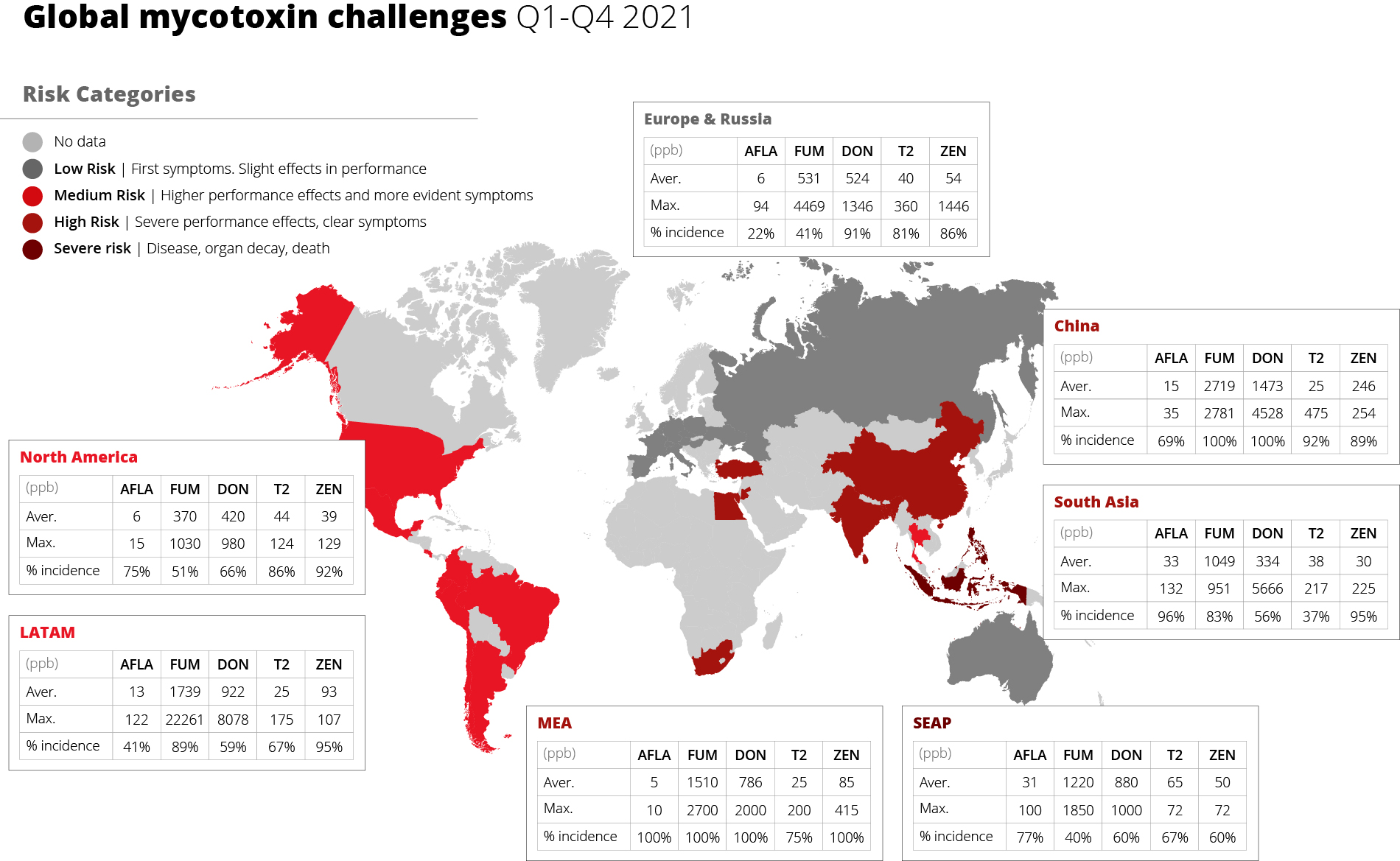
Amongst naturally occurring mycotoxins, the five most important ones are aflatoxin, ochratoxin, deoxynivalenol, zearalenone, and fumonisin. Their incidence varies with the different climates, the prevalence of plant cultures, the occurrence of pests, and the handling of harvest and storage. Worldwide, farmers faced various and sometimes extremely high mycotoxin contamination in their feed materials in 2021. In the following, we show the major challenges in five main regions.

Asia faced high aflatoxin contamination

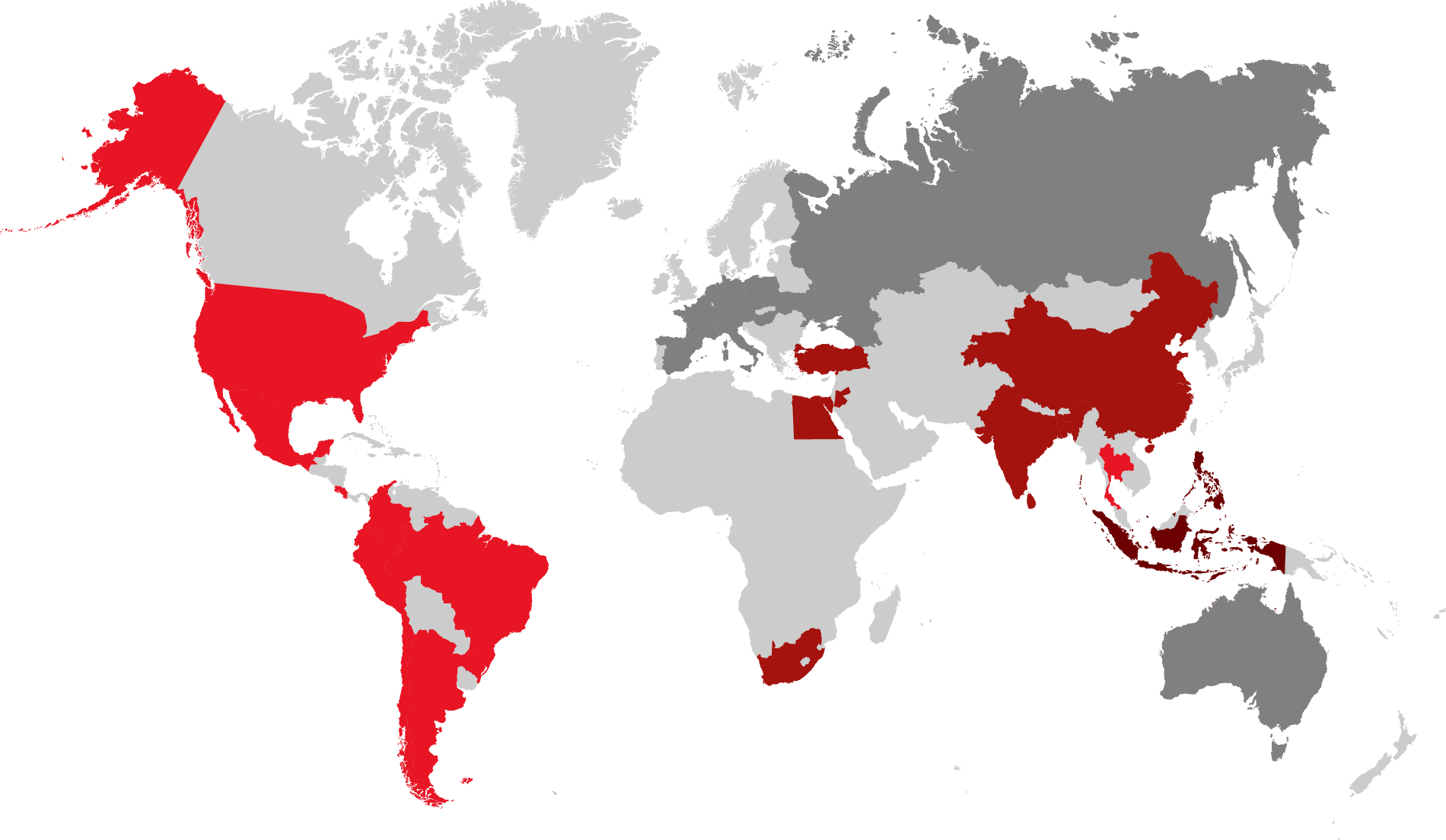
In Asia, high temperatures and humidity favor Aspergillus growth in grains. As a result, 95 % of the samples in South Asia and three-quarters of the samples in the China and the SEAP region (Indonesia, Philippines, Vietnam) showed aflatoxin contamination. The average contamination being higher than the threshold for all farm animals represents an increased risk for their health and performance.
In China and the SEAP region, also DON and T-2 were highly prevalent. Showing an incidence of more than 60%, they pose a severe risk when combined with aflatoxin.

Fumonisins afflicted the LATAM region

In Mexico, Central and South America, fumonisin contamination prevailed with an incidence of almost 90% at average levels that can be considered risky for swine and dairy. Together with incidence levels of around 60% found for DON and T2, fumonisin may act synergically in the animals, raising the risk for health and performance.
The Fusarium species linked to these mycotoxin contaminations occur in the grains on the field. Amongst others, insect damage, droughts during growing, and rain at silking favor their development.

Trichothecenes prevailed in North America

Contamination with trichothecenes (DON and T2) is the rule in the United States. The interaction of these mycotoxins is at least additive. The damage they cause to the gut opens the door to dysbiosis and disease, decreasing performance and profitability.
Also in this case, the responsible molds for the contamination are Fusarium species that develop when grains are in the field. As with fumonisins, the molds are favored by insect damage, moderate to warm temperatures and rainfall.

Fusarium toxins contaminated grain in the MEA region

Fusarium toxins such as Fumonisin, DON, and T2 prevail in the region of Egypt, Jordan, and South Africa. In combination, these mycotoxins have additive effects at the intestinal level, which increases the risk of dysbiosis in poultry.

A challenging year with long-term repercussions

Since mycotoxin contamination affects animal health, measures must be taken to provide the best protection. Besides improving agricultural practices in the field, smart in-feed solutions and mold inhibitors can be used in stored grain. These measures help producers preserve feed quality after a troubled year for crops around the world.


EW Nutrition showcases innovative solutions at International Dairy Week 2022

idw

Singapore – January 14, 2022 – EW Nutrition will participate in Australia’s International Dairy Week (IDW) in Tatura, Victoria, from January 16 to 20, 2022. Visitors will learn about innovative solutions for ruminant nutrition. Located at Site 37, EW Nutrition also invites attendees to explore topics such as toxin risk management and respiratory issues.

“We are excited to be here at IDW 2022. This is a great opportunity for us to showcase our cutting-edge dairy solutions. We look forward to connecting and working with our valued customers to enhance ruminant health and performance,” said David Sherwood, commercial director for Oceania at EW Nutrition.

Within the portfolio, the showcased products are Pasturefed Cattle Assurance System (PCAS) certified:

Activo Premium
Activo Premium contains standardized amounts of selected phytomolecules.

Mastersorb Gold
Mastersorb Gold is part of EW Nutrition’s Toxin Risk Management Program, which also includes services, on-site advice, and expert consultancy.

Prote-N
Prote-N is a slow-release source of nonprotein nitrogen (NPN).


About EW Nutrition

EW Nutrition offers animal nutrition solutions to the feed industry. The company’s focus is on gut health, supported by other product lines. EW Nutrition researches, develops, produces, sells and services most of the products it commercializes. In 50 countries, key accounts are served directly by EW Nutrition’s own personnel.


Contact:

Zack Mai
Marketing Manager, EW Nutrition South East Asia/Pacific
Phone no.: +65 6735 0038
Email: zack.mai@ew-nutrition.com


5 ways the liver keeps the avian body running

header broiler small

By Dr. Inge Heinzl, EW Nutrition

The liver is one of the most active organs within the avian body. Without the liver, the brain would not work, for example. Whenever glucose is not readily available for energy, the brain relies on ketone bodies provided by the liver. The liver also transforms and detoxifies substances foreign to the body (e.g., coccidiostats) and plays a role in immune defense. But how does the liver metabolism function exactly? Find out why it is so important to protect this crucial organ.

5 ways the liver keeps the avian body running

5 ways the liver keep the avian body running

The liver fulfills various essential functions. The avian liver:

  • Provides the ‘fuel’ for all organs
  • Supplies the body with essential substances
  • Acts as a storage organ
  • Is part of the immune defense
  • Supports the detoxification of the body

1.     The liver provides the ‘fuel’ for organs

The brain, the muscle, the different organs of the body – all need energy to function. This fuel is provided by the liver. And it caters to different preferences, too: the different organs need different substances as fuel. The brain usually uses glucose and, in the case of necessity (hunger), ketone bodies. Skeletal muscles work with glucose and, if glucose is lacking, fatty acids for energy generation. Heart and liver gain energy through the ß-oxidation of fatty acids.

The liver adapts to different situations

After they arrive in the gut, most of the nutrients are transported from the small intestine via the portal vein to the liver. There, they are further processed. Regardless of the nutritional supply, the liver must continuously provide energy for the other organs. In the following, different situations of energy availability are described.

1.      Just after feed intake

After feed intake, there is enough energy to be metabolized. Glucose then is further processed as follows:

  • Part of the glucose directly serves as ‘fuel’ for different organs
  • Another part is transformed into glycogen by the liver and stored in situ (glycogen is a storage substance that can be easy retransformed into glucose)
  • Some glucose is metabolized into acetyl coenzyme A (acetyl-CoA), which can be used to synthesize fatty acids. Fatty acids’ esterification with glycerol, in turn, results in the production of triglycerides. The liver can also synthesize triglycerides from lactate. The lactate comes from the muscles or the mucosa cells. In mammals, lipid tissue is  the primary place for triglyceride synthesis. In contrast, in poultry, the “de novo lipogenesis” site is the liver (Stevens, 2004). These triglycerides are subsequently:
    • stored within the hepatocytes
    • transported as “very-low-density lipoproteins” (VLDLs), a water-soluble transport form, in the blood to other organs or the adipose tissue, or
    • used for energy generation or as an energy store in the other organs or adipose tissue.

Insulin is involved in these actions, promoting the synthesis of fatty acids out of carbohydrates as well as the synthesis of VLDLs.


The role of the liver in the fed state

Figure 1: The role of the liver in the fed state [Zaefarian et al., 2019, Hermier, 1997]

2.      Between meals – the blood glucose level decreases

Some time has passed since the last feed intake; glucose has been transported from the blood to the cells. However, the organs continue to need energy, which has to be released continuously from the organs in which it is stored:

  • In the liver and the kidneys, the stored glycogen must be broken down into glucose, triggered by the hormone glucagon
  • In the skeletal muscles, glycogen is metabolized aerobically to CO2 and H2O or anaerobically to lactate
  • The liver uses lactate for gluconeogenesis, stimulated by free fatty acids released from the degradation of depot fat

The role of the liver in the state of decreasing energy

Figure 2: The role of the liver in the state of decreasing energy [Braun and Sweazea, 2008; Sturkie, 2012; Stevens, 2004]

3.      Starvation – reserves are depleted

If the glycogen reserve in the liver is depleted after some hours since the last feed intake, fatty acids are degraded to ketone bodies in the skeletal muscles. In parallel, protein degradation frees up glucogenic amino acids that the liver can use for gluconeogenesis. The lactate from the anaerobe degradation of glucose in the skeletal muscles and glycerol can also be used for gluconeogenesis. In mammals, pyruvate is the best substrate for gluconeogenesis; in poultry, it is lactate.

Gluconeogenesis also takes place in the kidneys. During starvation, 30% of the gluconeogenesis is done by the kidneys and 70% by the liver. Birds are generally able to sustain higher rates of gluconeogenesis than mammals (Stevens, 2004).

To meet the brain’s energy requirements, the liver transforms fatty acids into ketone bodies; they are the only source of energy the brain accepts besides glucose. Although the liver is the main site of ketone production, its ability to use them is limited.

During starvation, glycogen storage in the heart muscle increases. Glycogen levels in the heart muscle are usually relatively low (1.60-2.00 mg / g); in the case of starvation, these levels may triple within 48-92 hours (Hazelwood, 1976) – probably an effect of increased gluconeogenesis.

The role of the liver in the state of starvation

Figure 3: The role of the liver in the state of starvation [Frias-Soler et al., 2021; Braun and Sweazea, 2008; Sturkie, 2012]

The efficiency of glucose utilization changes

Depending on the catabolic pathway, the efficiency of glucose utilization varies considerably. Moreover, the age or development of the body is a decisive factor. Table 1 shows the variation in  glucose utilization depending on age. In all cases, the efficiency of glucose utilization increases with age. However, the efficiency of lipogenesis increases most, which is one reason  why older animals tend to get fat.

Table 1: Utilization of glucose for glycolysis (energy generation), glycogenesis (storage), and lipogenesis (storage) in gallus gallus, based on Scanes, 2015

Age (days) Glucose utilization1 (as a percentage of plateau level)
Glycolysis2 Glycogenesis Lipogenesis
Late embryo and day 0 13.3 ± 0 ˂ 0.5 < 0.5
2 51.1 ± 6.4 10.0 ± 4.1 4.0 ± 1,0
4 85.4 ± 5.5 8.3 ± 0 36.8 ± 9.8
8 104.4 ± 4.6 7.6 ± 1.1 94.7 ± 14.7
12 84.5 ±10.5 34.8 ± 9.4 66.8 ± 10.4
16 120.8 ± 12.5 105.1 ± 24.5 144.2 ± 29.0

1Determined by utilization of [U _14 C] Glucose      2Plateau conversion to CO2: 1261 dpm/mg calculated from Goodridge (1968a)
Bold data are at plateau

2.     The liver supplies the body with essential substances

The liver is involved in many processes in the organism. It takes part in protein synthesis, provides the building blocks for metabolic processes, and, hence, is essential for the body’s smooth functioning.

The liver produces various proteins

The liver is an important organ for  protein synthesis. Most of the plasma proteins (90%) such as albumins, globulins (γ-globulins excluded) are produced by the liver. The liver also synthesizes transport proteins (e. g. for copper, retinol, iron), coagulation factors, and non-essential amino acids. For this purpose, amino acids, arriving from the gut via the portal vein, are transformed through deamination and transamination (Dhawale, 2007).

Cholesterol is an essential building block for further processing

The liver produces cholesterol, a building block for the production of bile, steroid hormones, and vitamin D. Cholesterol is also an essential ingredient of the cell membrane.

As a bile producer,  the liver plays a significant role in digestion. In the gut, the bile emulsifies the dietary fats into small droplets, which then can be absorbed via the gut cells (enterocytes) into the body. The bile is also a transport medium for waste products, through delivery into the gut lumen  (detoxification function).

The liver plays a prominent role in egg production

In poultry, the composition of the egg depends on the liver. Egg yolks consist of water (70%), proteins (10%), and lipids (20%). The yolk lipids are lipoproteins rich in triglycerides, built up in the liver and transported as egg yolk-specific VLDLs (VLDLy) to the ovary. Also, cholesterol is transported via lipoproteins to the egg yolk.

3.     The liver acts as a storage organ

The liver is a storage organ for blood and glycogen (energy metabolism). Also, minerals (sodium) and trace elements such as copper, manganese,  fluor, iodine, selenium, chlorine, and iron are retained. The liver has the highest participation in the Mn metabolism, and iron is accumulated as ferritin.

Vitamin A is stored in the highest concentrations after the transformation of carotin. The liver also accumulates vitamins D, K, B1, B12, C, riboflavin, pantothenic acid, nicotinic acid, folic acid, and biotin (Dhawale, 2007).

4.     The liver is part of the immune defense

The liver filters the blood and, in this way, removes microorganisms (e.g., those originating from the gastrointestinal tract), toxins, and aged erythrocytes. For its immunological tasks, the liver has different types of immune-competent cells at its disposal. The so-called Kupffer cells are liver-specific macrophages descending from monocytes and belonging to the specific immune defense. They represent 80-90% of all tissue macrophages (Hinghofer-Szalkay, 2021).

In a healthy liver, the Kupffer cells can eliminate about 95% of the bacteria arriving through the blood. The main task of these cells is to ingest the enemies, process them, and surface parts of them as antigenic material. Besides the phagocytosis of bacteria, Kupffer cells can also incorporate toxins, immune complexes, parts of cells, and viruses. They excrete cytokines, provoking the production of acute-phase proteins (e.g., fibrinogen), fending off tumor cells and regulating the function of other liver cells. With the help of the Kupffer cells, the liver transforms or completely degrades toxins ingested with the feed (e.g., mycotoxins) (Zaefarian, 2019).

5.     The liver supports the detoxification of the body

One example is nitrogen, a product of the protein metabolism that must be excreted in an energy-intensive process via the liver and the kidneys. Ammonia and keto acids are formed by deamination. As ammonia has a toxic effect in birds, it is transformed to uric acid, transported to the kidneys, and excreted from there.

The liver is also responsible for at least the partial conjugation of already used hormones (transformation into water-soluble substances), which are then excreted via the bile. Furthermore, it assists in the degradation of red blood cells. The Kupffer cells in the liver phagocytize (“eat”) overaged red blood cells. Reusable substances such as iron are kept, the useless residual is degraded and excreted (Hinghofer-Szalkay, 2021).

Poultry producers have to do their best to protect the liver

The liver fulfills critical tasks for the body, such as detoxification, immune defense participation, and energy management.

Animal liver protectionFor meat-producing animals, growth is a critical factor. The growth rate is determined by cell growth, which depends on the speed of cell division and the synthesis of protein in the liver and muscle cells. It furthermore depends on the production and secretion of growth-regulating hormones and related metabolism processes that also take place in the liver.

Thus, to keep animals in good health and maintain high growth performance,the protection of the liver should be a top priority for the producer.


References

Dhawale, Avinash. “The Liver: a Big Organ with a Big Role.” World Poultry 23, no. 10 (November 23, 2007): 34–36.

Grashorn, M. “Eiqualität.” Essay. In Legehuhnzucht Und Eiererzeugung: Empfehlungen für Die Praxis Spec. issue 322, Spec. issue 322:19–33. Braunschweig, Germany: Johann Heinrich von Thünen-Institut, Bundesforschungsinstitut für Ländliche Raüme, Wald und Fischerei, 2009.

Hinghofer-Szalkay, H. “Eigenschaften Und Aufgaben Hepatischer Nichtparenchymzellen.” Physiologie nicht-parenchymale Leberzellen Funktion. Accessed December 21, 2021. http://physiologie.cc/III.3.htm.

Scanes, C. G. “Carbohydrate Metabolism.” Essay. In Sturkie’s Avian Physiology; 6th Ed., 443. London: Academic Press/Elsevier, 2015.

Scanes, C. G., and Paul D. Sturkie. “Adipose Tissue and Lipid Metabolism.” Essay. In Sturkie’s Avian Physiology ; 6th Ed., 443. London: Academic Press/Elsevier, 2015.

Stevens, Lewis. “Carbohydrate and Intermediary Metabolism.” Essay. In Avian Biochemistry and Molecular Biology, 3rd ed., 29–36. Cambridge <<>>: Cambridge Univ. Press, 2004.

Zaefarian, Faegheh, Mohammad Abdollahi, Aaron Cowieson, and Velmurugu Ravindran. “Avian Liver: The Forgotten Organ.” Animals 9, no. 2 (2019): 63. https://doi.org/10.3390/ani9020063.


Why caring about climate change is good for your business

art116 pic1 1

climate change is good for your business

by Technical Team, EW Nutrition

The Glasgow Climate Pact reached at the COP26 summit this November sent a clear message to businesses across the globe: Put sustainability on top of your corporate agenda or risk losing out. But how can food and feed producers translate the knowledge that climate change is happening into good business decisions? What impact is it causing, and which actions can we take today?

Why climate change is such a big deal

There is an overwhelming consensus among scientists that climate change is happening and that we need to stop it. Long-term changes in global temperature and weather patterns are nothing new. What is new is that these shifts are primarily driven by human activities.

Activities such as burning fossil fuels, livestock farming, and deforestation release carbon dioxides and other greenhouse gases (GHG) into the atmosphere. GHG trap the sun’s heat and cause average temperatures to rise.

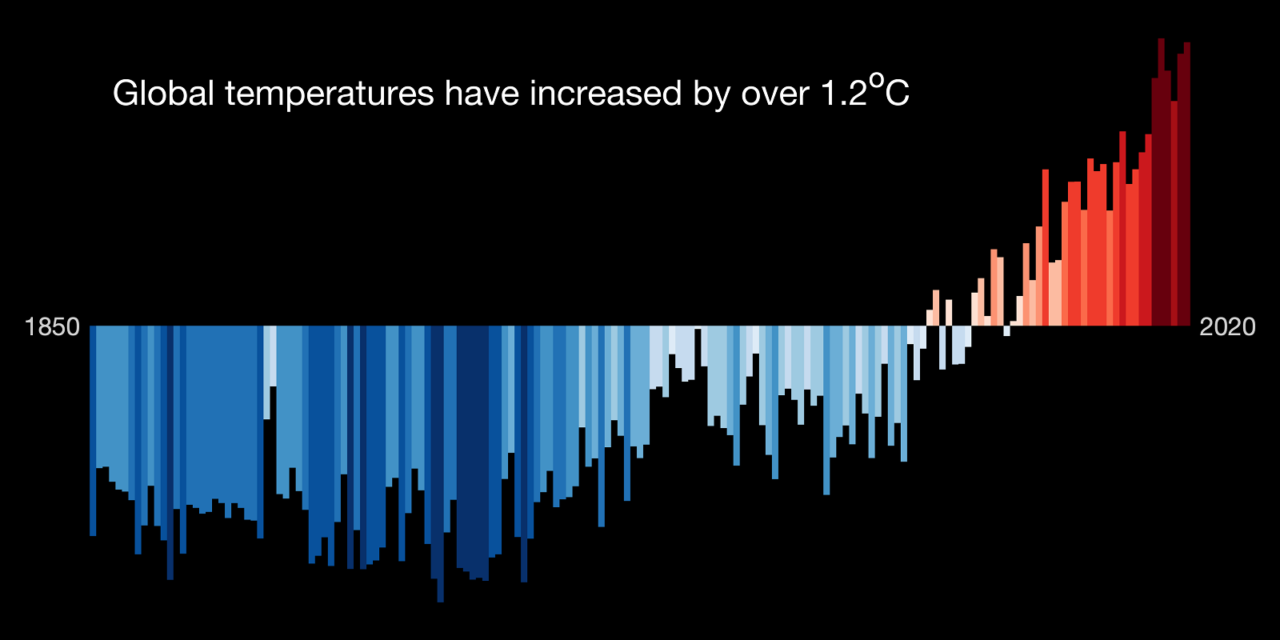
Diagram of global average temperatures from 1850 to 2020
Copyright: Ed Hawkins, National Centre for Atmospheric Science, University of Reading

Compared to the pre-industrial era, average temperatures are now 1.2° C warmer. That doesn’t sound like a lot. But the effects are disastrous and disproportionately so for people in low-income communities and developing countries.

Climate change is already causing sea level rises, threatening coastal regions, and ocean acidification, which disrupts global seafood supplies. Unprecedented losses in biodiversity are compromising food security and ecosystem services (such as pollination and irrigation). Biodiversity losses also expose us to zoonotic diseases – for example, the ongoing COVID-19 pandemic has zoonotic origins.

Due to climate change, the frequency and severity of extreme weather events are increasing. As countries in Europe and China experience historic rainfall and flooding, other parts of the world, such as Australia, the western US, and many African countries, face intense droughts. With further warming, Pacific islands will disappear under rising sea levels. And regions such as the Middle East will suffer from extreme heatwaves and see farmland turn into deserts.

How climate change affects agricultural businesses

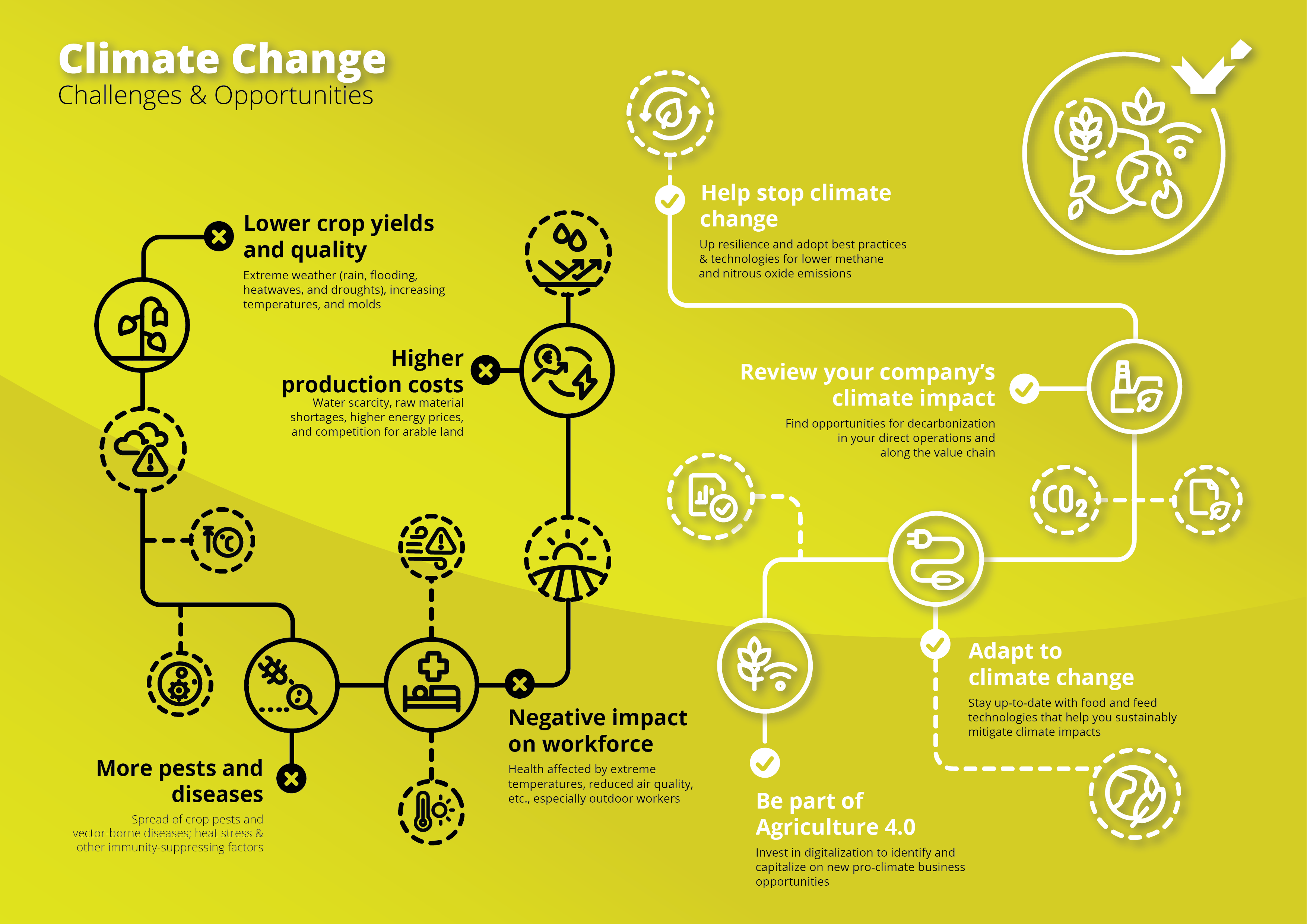
While some crops and areas benefit from higher temperatures and changed weather patterns, on the whole, it is becoming more difficult to feed the world. Extreme weather events such as droughts, floods, hurricanes, heatwaves, and wildfires pose severe challenges for agricultural businesses.

Agricultural production costs are and will be increasing further because climate change effects entail water scarcity, raw material shortages, higher energy prices, and stiffer competition for land as certain areas become climatically unsuitable for production.

Rotten corn cob
Microbial contamination by toxigenic molds threaten human and animal health

Feed and food crop yields and quality suffer both from torrential rain and flooding and heat waves and droughts. Researchers from the University of Minnesota have found that climate change is already reducing global rice yields by 0.3% and wheat yields by 0.9% on average each year. Another study showed that every 1° C increase in global mean temperature would, on average, reduce global yields of wheat by 6.0%, rice by 3.2%, maize by 7.4%, and soybean by 3.1%.

We also see increased problems with pests and diseases. Pests already destroy 40 % of global crop production each year. As temperatures rise, pests from fall armyworms to desert locusts expand into new territories. Due to warmer temperatures, disease vectors such as mosquitoes, flies, and ticks also proliferate and migrate, carrying new pathogens to previously unexposed livestock. Additionally, decreased forage quality, heat stress, and water shortages already compromise livestock immunity.

And let’s not forget that the wellbeing and safety of the workforce are directly affected by climate change effects such as extreme temperatures and reduced air quality. This is even more true for outdoor workers and the 143 million “climate migrants” we expect to see by 2050. Climate change has also triggered a significant cultural shift, especially in younger generations. The climate-conscious GenZ talent only wants to work for employers who genuinely commit to sustainability.

Let your business thrive despite climate change

Global warming must be limited to 1.5° C to avert the most devastating impacts. To achieve this, we have to cut greenhouse gas emissions in half by 2030. And by 2050, the world has to reach “net-zero” emissions, i.e., removing as many greenhouse gases from the atmosphere as we release into it.

Climate change regulations are becoming more stringent, especially for the energy, transport, and agricultural sectors. As UN High-level Climate Action Champion Nigel Topping puts it:

“If you haven’t got a net-zero target now, you’re looking like you don’t care about the next generation, and you’re not paying attention to regulations coming down the pipe. Your credit rating is at risk, and your ability to attract and keep talent is at risk.”

What can we do? Agriculture is unusual in that its contribution to anthropogenic climate change mostly comes from methane and nitrous oxide instead of carbon dioxide.  Nitrous oxide emissions stem from soils, fertilizers, and manure, while ruminants and rice cultivation release methane.

Across these sectors, much more needs to be done at the policy level to incentivize sustainable husbandry, knowledge transfer, and targeted R&D. Still, wider adoption of existing best practices and technologies would help the global food and feed sectors to be more resilient and substantially reduce its GHG.

Enhanced efficiency fertilizers can reduce nitrous oxide emissions from soils, while phytogenic feed additives curb methane emissions in ruminants. And exciting research on topics such as pheromone-based pest control shows that climate change adaptation opens up new business opportunities.

Spend time on a detailed review of your company’s climate impact. This will reveal opportunities for emission reductions and decarbonization, both in your direct operations and along the value chain. More energy-efficient compound feed production, for example, helps feed mills but also improves the carbon footprint of the final animal products. And in times of Agriculture 4.0, investing in digital technologies, platforms, and processes will be vital to identifying and capitalizing on new business opportunities for climate-conscious production.

No one bears the brunt of climate change quite as intensely as agribusinesses. Let’s champion sustainability for improved corporate reputation, stronger risk management, long-run cost savings, market access, and attracting and retaining qualified employees and customers.


How can you compensate an activated immune system in piglets?

piglets suckling

By Technical Team, EW Nutrition

As pig production specialists, we understand that our animals are under constant challenge during their life. Challenges can be severe or moderate, correlated to several factors – such as, for instance, stage of production, environment, and so on – but they will always be present. To be successful, we need to understand how to counter these challenges and support the healthy development of our pigs.

Animal issues of an activated immune system

Factors for successful pig production

For years we have been increasing our understanding of how to formulate diets to support a healthy intestine through the optimal use of the supplied nutrients. Functional proteins, immune-related amino acids, and fiber are now applied worldwide for improved pig nutrition.

What lies beyond formulation adjustments?

However, pig producers have also realized that these nutritional strategies alone are not always fully efficient in preventing an “irritation” of the immune system and/or in preventing diseases from happening.

Immune nutrition is gaining a strong foothold in pig production, and the body of research and evidence grows richer every year. At the same time, we see genetics continually evolving and bringing production potential to increasingly higher levels. We are also constantly increasing our understanding of the importance of farm and feed management, as well as biosecurity in this process.

Finally, the importance of a stable microflora is now uncontested. Especially around weaning, a stable microflora is necessary to prevent the proliferation of pathogens such as E.coli bacteria. Such pathogens can degrade the lysine (the main amino acid for muscle protein production) we have added to our formulations, rendering it useless.

Single molecules (or additives) are able to support the development of gut microflora, boost  its integrity, and therefore help the animals use “traditional nutrients” in a more effective way.

The impact of immune system activation on the performance of pigs

Animal performance is influenced by complex processes, from metabolism to farm biosecurity. Environmental conditions, diet formulation and feed management, and health status, among others, directly affect the amount of the genetic potential that animals can effectively express.

Among these so-called non-genetic variables, health status is one of the most decisive factors for the optimal performance from a given genotype. Due to the occurrence of (sub-) clinical diseases, the inflammatory process can be triggered and may result in a decrease in weight gain and feed efficiency.

Not so long ago, pig producers believed that a maximized immune response would always be ideal for achieving the best production levels. However, after decades spent researching what this “maximized immune response” could mean to our pigs, studies from different parts of the globe proved that an activated immune system could negatively affect animal performance. The perception is nowadays common sense within the global pig production industry.

That understanding led us to increasingly search for production systems that will yield the best conditions for the pigs. This means minimum contact with pathogens, reduced stress factors, and therefore a lower need for an activated immune system.

How immune system stimulation works

The immune system has as main objective to identify the presence of antigens – substances that are not known to the body – and protect the body from these “intruders”. The main players among these substances are bacteria and viruses. However, some proteins can also trigger an immunological reaction. Specific immune cells are responsible for the transfer of information to the other systems of the body so that it can respond adequately. This response from the immune system includes metabolic changes that can affect the demand for nutrients and, therefore, the animals’ growth.

The stimulation of the immune system has three main metabolic consequences:

  • behavioral responses
  • direct connection with the endocrine system and regulation of the secretions
  • release of leukocytes, cytokines, and macrophages

In general, the immune system responds to antigens, releasing cytokines that activate the cellular (phagocytes) and humoral components (antibody), resulting in a decreased feed intake and an increased body temperature/heat production.

When feed formulation is concerned, possibly even more important is to understand that the activation of the immune system leads to a change in the distribution of nutrients. The basal metabolic rate and the use of carbohydrates will have completely different patterns in such an event. For instance, some glucose supplied through the feed follows its course to peripheral tissues; however, part of the glucose is used to support the activated immune system. As a consequence, the energy requirement of the animal increases.

Protein synthesis and amino acid utilization also change during this process. There is a reduction of body protein synthesis and an increased rate of degradation. The nitrogen requirement increases because of the higher synthesis of acute-phase proteins and other immunological cells.

However, increased lysine levels in the diets will not always help the piglets compensate for this shift in the protein metabolism. According to Shurson & Johnston (1998), when the immune system is activated, there is further deamination of amino acids and increased urinary excretion of nitrogen. Therefore we need to understand better which amino acids must be supplied in a challenging situation.

In pigs, the gastrointestinal tract is, to a large extent, responsible for performance. This happens because the gut is the route for absorption of nutrients, but also a reservoir of hundreds of thousands of different microorganisms – including the pathogenic ones.

Understanding  Gut Health

Gut health and its meaning have been the topic of several peer-reviewed articles in the last few decades (Adewole et al., 2016Bischoff, 2011Celi et al., 2017Jayaraman and Nyachoti, 2017Kogut and Arsenault, 2016Moeser et al., 2017Pluske, 2013). Despite the valuable body of knowledge accumulated on the topic, a clear and widely-accepted definition is still lacking.  Kogut and Arsenault (2016) define it in the title of their paper as “the new paradigm in food animal production”. The authors explain it as the “absence / prevention / avoidance of disease so that the animal is able to perform its physiological functions in order to withstand exogenous and endogenous stressors”.

In a recently published paper, Pluske et al. (2018) add to the above definition that gut health should be considered in a more general context. They describe it “a generalized condition of homeostasis in the GIT, with respect to its overall structure and function”. The authors add to this definition that gut health in pigs can be compromised even when no clinical symptoms of disease can be observed. Every stressful factor can undermine the immune response of pigs and, therefore, the animals’ performance.

All good information on this topic leads us to the conclusion that, without gut balance, livestock cannot perform as expected. Therefore, balance is the objective for which we formulate our pigs’ feed.

Current nutritional strategies for a stable gut microbiota

Feeding: quality of raw materials

The photos included here were taken in the field and show that taking action against this reality is a must for keeping animals healthy.

Much of this action is related to farm management. The most effective way to minimize such situations is to implement a strict control system in the feed production sites, including controlling raw material quality.

Additives can be used to improve the safety of raw materials. As already extensively discussed, everything that goes into the intestine of the animals will affect gut health and performance. Therefore,  the potential harmful load of mycotoxins should be taken into account. Besides careful handling at harvest and the proper storage of grains, mycotoxin binders can be applied to further decrease the risk of mycotoxin contamination.

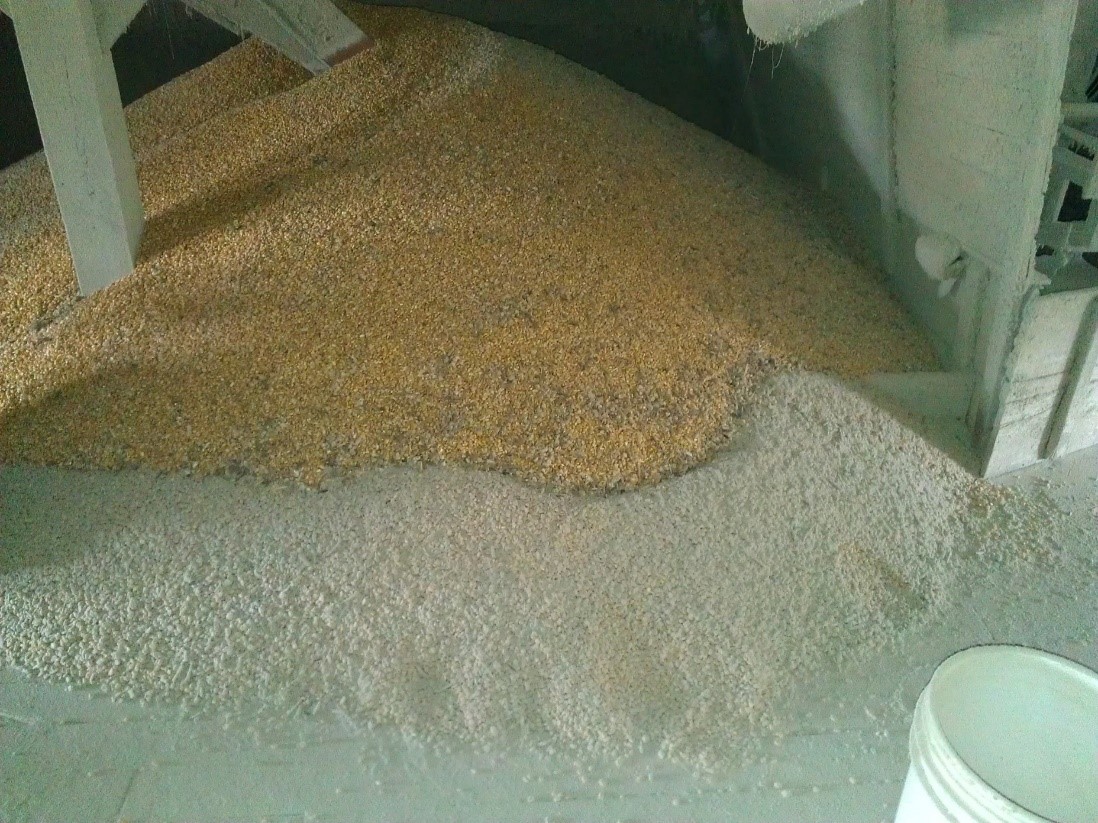
faulty grain storage
Figure 1. Grain storage in a home pig farm


faulty feed mixer maintenance
Figure 2. Feed mixer in a home mixer pig farm

The effect of nutrition on microflora: commercial weaning diet after focusing on gut health

The gut-health-focused formulation of diets must take into account the following essentials:

  • decrease of gut pH
  • gut wall integrity
  • minimization of (pathogenic) microbial growth
  • microflora modulation with consequently improved colonization resistance

Gut pH

A lower pH in the stomach slows the passage rate of the feed from the stomach to the small intestine. A longer stay of the feed in the stomach potentially increases the digestion of starch and protein. The secretion of pancreatic juices stimulated by the acidic stomach content will also improve the digestion of feed in the small intestine.

For weaned pigs, it is essential that as little as possible of the substrate will reach the large intestine and be fermented. Pathogens take advantage of undigested feed to proliferate. Lowering these “nutrients” will decrease the risk of bacterial overgrowth.

The same is true where protein sources and their levels are concerned. It is essential to reduce protein content as much as possible and preferably use synthetic (essential) amino acids. The application of such sources of amino acids has been proven long ago, and yet in some cases, it is still not fully utilized. Finally, using highly digestible protein sources should, at this point, be a matter of mere routine.

All these strategies have the same goal: the reduction of undigested substances in the gut. Additionally, the reduction of the protein levels can also decrease the costs of the diets.

Further diet adjustments

Further diet adjustments, such as increasing the sulfur amino acids (SAA) tryptophan and threonine to lysine ratio, must also be considered (Goodband et al., 2014; Sterndale et al., 2017). Although the concept of better balancing tryptophan and threonine are quite clear among nutritionists, SAA are sometimes overestimated. Sulfur amino acids are the major amino acids in proteins related to body maintenance, but not so high in muscle proteins. Therefore, the requirement of SAA must also be approached differently. Unlike lysine, the requirements of SAA tend to be higher in immunologically stimulated animals (Table 1).

Pig weight (kg)


ISA* SID Lysine (%) SAA (%) SAA:Lys
9 High 1,34 0,64 0,48
Low 1,07 0,59 0,55
14 High 1,22 0,62 0,51
Low 0,99 0,57 0,58

Table 1. Effect of the immune system activation on the demand for lysine and sulfur amino acids in pigs (Stahly et al., 1998) 

*ISA – immune system activation

Vitamins and minerals are classic nutrients to be considered when formulating gut health-related diets. Maybe not so extensive as the amino acids and protein levels, these nutrients have, however, been found to carry benefits in challenging situations. In the past several years, a lot was published on the requirements of pigs facing an activation of the immune system. Stahly et al. (1996) concluded that when the immune system is activated, the phosphorous requirements change.

Parameters


ISA*
High Low
Feed intake (g/d) 674 833
Weight gain (g/d) 426 566
Available P (%) 0,45 0,65

Table 2. Effect of the immune system activation on the performance and phosphorous requirements of pigs (Stahly et al., 1998)

*ISA – immune system activation


Another example is vitamin A. It is involved in the function of macrophages and neutrophils. Vitamin A deficiency decreases the migratory and phagocytic abilities of the immune cells. A lower antibody production is observed in vitamin A deficiency as well. Furthermore, vitamin A is an important factor in mucosal immunity, because this vitamin plays a role in lymphocyte homing in the mucosa (Duriancik et al., 2010).

Phytomolecules: key additives to support gut health

Phytomolecules are currently considered one of the top alternatives to in-feed antibiotics for pigs worldwide. Programs sponsored by the European Union are once more evaluating the effectiveness of these compounds as part of a strategy to produce sustainable pigs with low or no antibiotic use. The EIP-Agri (European Innovation Partnership “Agricultural Productivity and Sustainability”) released a document with suggestions to lower the use of antibiotics in feed by acting in three areas:

  • improving pig health and welfare
  • changing attitudes and human habits
  • finding specific alternatives to antibiotics

Under the last topic, the commission recommends plant-based feed additives to be further examined.

Antibiotics have been used for many years for supporting performance in animal production, especially in critical moments. The mode of action consists of the reduction of pathogen proliferation and inflammation processes in the digestive tract. These (soon-to-be-) banned compounds therefore reduce the activation of the immune system, helping keep pigs healthy through a healthy gastrointestinal tract. As potential alternatives to antibiotic usage, phytomolecules should be able to do the same.

The mode of action of phytomolecules

Antimicrobial

Most phytomolecules used nowadays aim to control the number and type of bacteria in the gut of animals.  According to Burt (2004), the antimicrobial activity of phytomolecules is not the result of one specific mode of action, but a combination of effects on different targets of the cell. This includes disruption of the membrane by terpenoids and phenolics, metal chelation by phenols and flavonoids, and protective effects against viral infections for certain alkaloids and coumarins (Cowan, 1999).

Digestion support

The antimicrobial efficacy is one of the most important activities of secondary plant compounds, but it also impacts digestion. Windisch et al. (2008) states that growth-promoting agents decrease immune defense stress during critical situations. They increase the intestinal availability of essential nutrients for absorption, thus promoting the growth of the animal.

Indeed, phytomolecules are a good tool for stabilizing the gut microbiota. But more can be expected when adding this class of additives into your formulation and/or farm operations. Mavromichalis, in his book “Piglet Nutrition Notes – Volume 2”, brings attention to the advantages of using phytomolecules such as capsaicin, which is often related to increased feed intake. Recent research has demonstrated that capsaicin increases the secretion of digestive enzymes that may result in enhanced nutrient digestibility. According to Mavromichalis, this can lead to a better feed conversion rate as more nutrients are available to the animal. Indirectly, this also helps control the general bacterial load in the gut.

Antioxidant support

This results from the polyphenols’ capacity to act as metal-chelators, free radical scavengers, hydrogen donators, and inhibitors of the enzymatic systems responsible for initiating oxidation reaction. Furthermore, they can act as a substrate for free radicals such as superoxide or hydroxyl, or intervene in propagation reactions.


This variety of benefits explains at least partially the high level of interest in this group of additives for pigs under challenging conditions. For the production of effective blends, it is crucial to understand the different modes of action of the phytomolecules and the probable existing synergies. Furthermore, the production technology  must be considered. For instance, microencapsulation techniques that prevent losses during feed processing are an important consideration.

Not to be discarded: Biosecurity

The recent outbreak of African Swine Fever focused our attention on something that is sometimes neglected on the farm: biosecurity rules. According to the report “Good Practices For Biosecurity In The Pig Sector” (2010), the three main elements of biosecurity are:

  • segregation
  • cleaning
  • disinfection

In general terms, the following steps must be adopted with the clear goal of reducing the challenges that the pigs are facing.

  • Farms must be located far from other farms (regardless of the species) and ideally must be protected with natural (forest/woods) or physical barriers.
  • Only one entrance must be used to go into the farm (for both vehicles and people) and a disinfection procedure must be in place, either by an automatized system or by manual application of disinfectants. Equipment disinfection systems must also be in place.
  • Workers and any other person that enters the facility should adhere to strict biosecurity measures 24/7. The farms must have a visitors’ book including relevant data on previous visits to farms (regardless of the species).
  • Trucks and visitors should not have been in contact with other pigs recently (at least 48 hours previous to the visit).
  • Only farm workers are allowed to go into the barns unless special approval is given (followed by strict biosecurity measurements prior to the visit).
  • The use of clothing and footwear that are worn only in the pig unit (and certainly not during visits to other pig farms) is recommended.
  • No materials (e.g. tools) can be moved from one barn to another barn. People that enter a barn should change footwear and wash their hands with soap for at least 10 seconds.

These simple actions can make a big difference to the performance of the pigs, and as a consequence to the profitability of a swine farm.

Take-home messages

Different formulations and reassessed nutritional level recommendations have been on the radar for a couple of years. It is high time to consider using efficient additives to support the pigs’ gut health. Phytomolecules appear as one of the most prominent tools to reduce pathogenic stress in pig production. Either via feed or water, phytomolecules are proven to reduce bacterial contamination and therefore reduce the need for antibiotic interventions. Furthermore, a more careful look at our daily activities in the farm is crucial. Paying attention to biosecurity and to feed safety should be standard tools to improve performance and the success of pig production operations.


References are available upon request.

*The article was initially published in the PROCEEDINGS OF THE PFQC 2019


The top 5 challenges for businesses in 2022

challenge 6689107

By Technical Team, EW Nutrition


COVID-19 is definitely still a concern across the globe. With only about 47% of the world fully vaccinated, chances are we will not see the end of it next year. And with the unequal distribution of vaccines, globalization will keep bringing it home.

However, while everyone has an eye on the disruptions caused by COVID-19 to businesses and society in general, there are other looming challenges to prepare for. Here is a brief look at the top 5 challenges that rose to the surface in 2021, which are forecast to cause even bigger waves in 2022.

top 5 challenges for businesses

Sustainability: Accountability – and accounting

Greenwashing doesn’t wash anymore.

In 2021, sustainability has become an unavoidable topic not just for ecologists and (once a year or so) heads of state, but also for businesses and the masses. With extreme weather phenomena looming large in the news, climate change has become a fact of life. It no longer needs to be accepted as much as it needs to be managed.

The challenge is twofold. One the one hand, businesses need to demonstrate corporate accountability by monitoring the environmental footprint of their activities. On the other hand, businesses need to preserve the financial viability of their sustainability initiatives.

The balance between accountability and financial viability is still hard to find. Sustainability in business is an expensive proposition. Not only is it costly to implement fully sustainable measures, but finding the sustainability hotspots in your value chain and retrieving the data is sometimes nearly impossible. And, while reporting for scope 1 and 2 is somewhat easier, scope 3 accounting is still a tough nut to break.

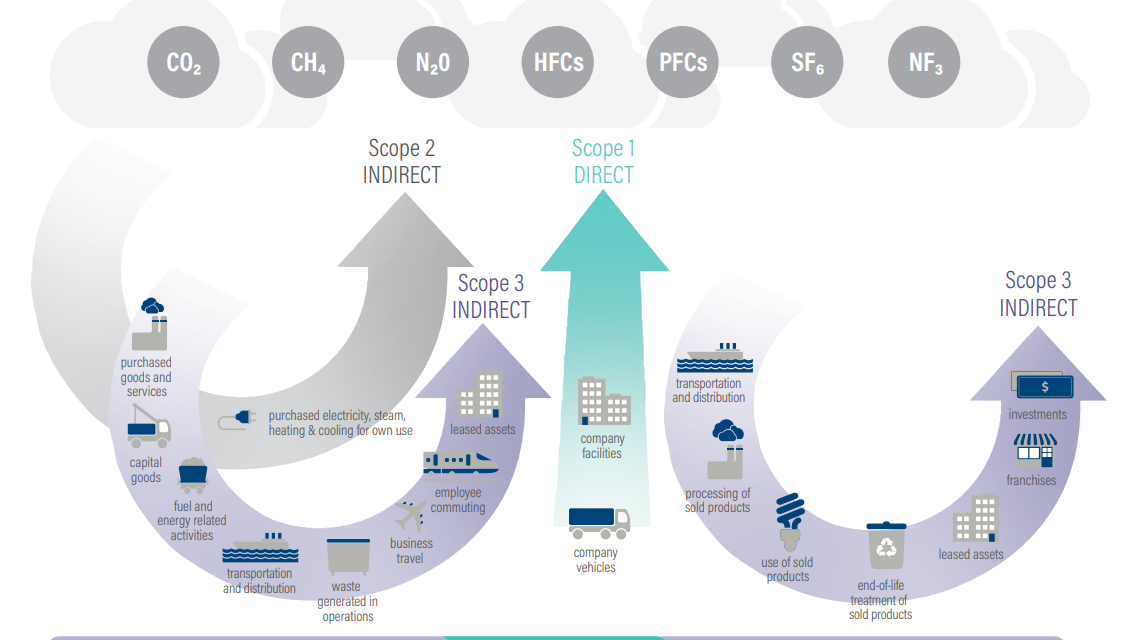
Based on the Greenhouse Gas (GHG) Protocol, emissions are divided by source into 3 major scopes:

Scope 1 – direct emissions of the reporting company. This includes owned or controlled sources such as company facilities or company vehicles.

Scope 2 – indirect emissions from consumption. Here are included purchased electricity, steam, heating and cooling for the company’s use.

Scope 3 – all indirect emissions along the value chain. Under scope 3 fall upstream and downstream emissions through purchased goods and services, capital goods, processing, transportation and distribution, waste, use of sold products, and much more.

GHG Protocol

Source: GHG Protocol

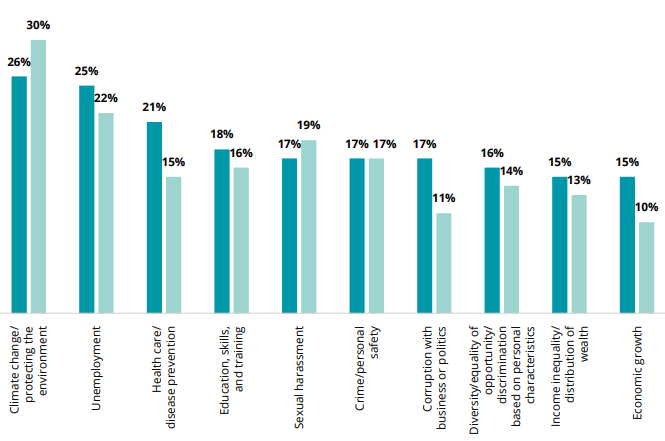
Nevertheless, the equation must balance. A study by Pew Research Center shows that sustainability and addressing climate change are not just thoughts, but immediate concerns for the younger generation. Gen Z (people born between 1997-2012) are actively engaged in following and/or combatting the effects of climate change. Research by Deloitte indicates that, for Gen Z, climate change and protecting the environment are the top concern.

When your upcoming workforce demonstrates such strong interest, it is remiss to ignore it.

Climate challenges: Prepared for extreme weather?

This is getting serious.

Deadly snowstorm in Spain in January. A deadly heatwave that killed 569 people in Canada in June. Deadly floods that affected western Germany, The Netherlands, and Belgium in July. Deadly fires that raged across Italy and Greece in August. And many more deadly extreme weather events whose roots lie in climate change.

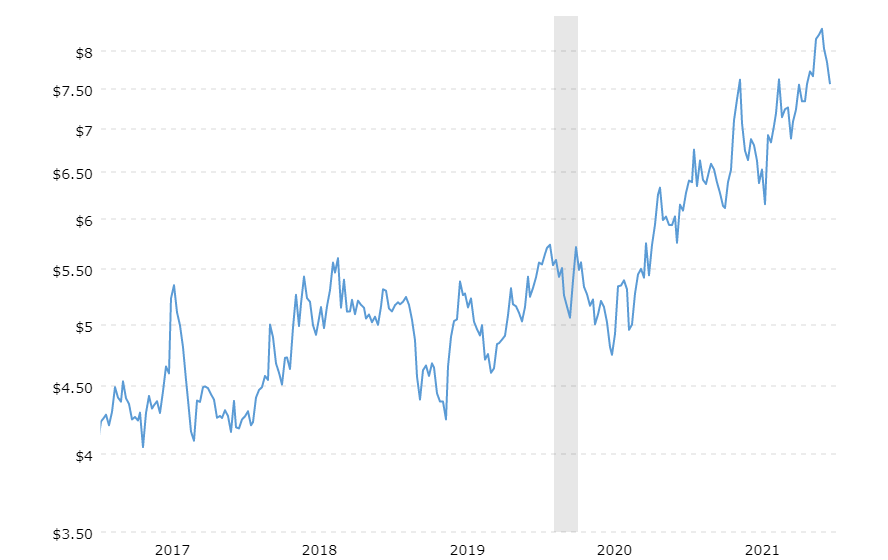
They are not just a reason to join the fight for sustainability. They are, in more immediate terms, a reason to examine how well your business is prepared to face the next extreme weather event. Because it is definitely coming. And it may affect your business – possibly directly, depending on your location, but definitely indirectly. The impact of resource scarcity could already be felt this year, when extreme weather events around the world affected harvest quantity and quality. Coffee and sugar futures have been on the rise for years, and so have wheat prices.

Macrotrends

Source: Macrotrends

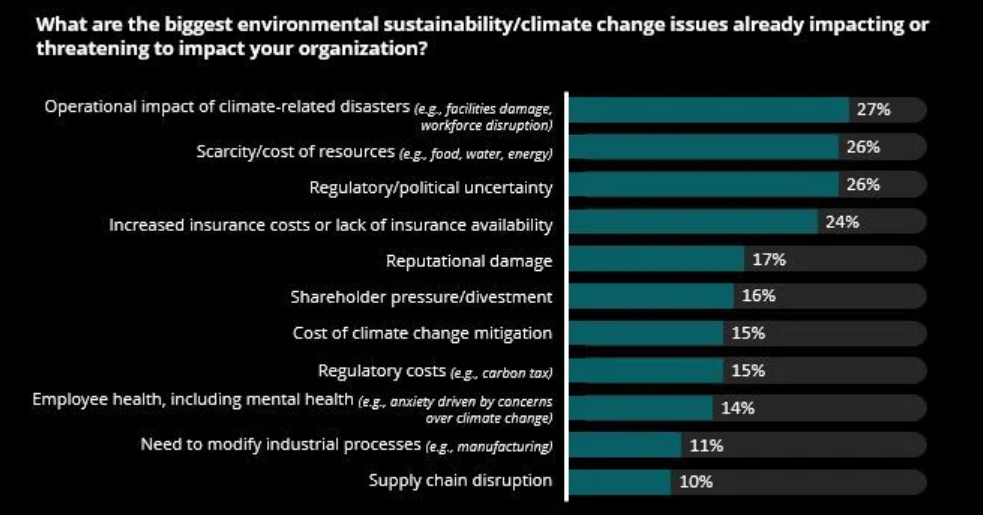
In fact, according to a 2021 Deloitte report, companies are actively concerned about the impact of climate change issues on their activities, with climate-related disasters topping the list and scarcity of resources a close second.

2021 Deloitte report

Source: Deloitte

Being prepared for extreme events means, in most cases, managing risks across company facilities, as well as across the value chain. The more widespread and varied the production footprint and sourcing capabilities, the better can a company weather the storm.

Supply chain issues: No end in sight

No, it’s not getting better soon.

ICIS shipping chart
Source: ICIS

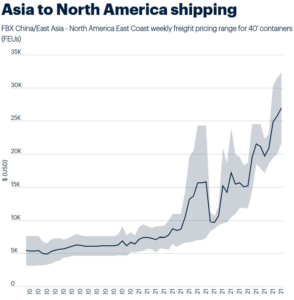
In fact, after over a year of constant disruptions, problems have accumulated into a perfect storm. Unpredictable demand and availability, as well as unpredictable labor shortages, both due to COVID-19 and various side-effects and accidents, have pushed container availability and port unloading infrastructure into a frenzied downward spiral. While container prices have gone up (over $20,000 for a standard container coming to the US from east Asia), ports have been unable to handle the incoming ships’ unloading needs.

Some ports have already moved to 24/7 operations, yet the issues will take much longer to fix – and prices are not likely to come down in a hurry. However, reliable forecasting in such turbulent times is nearly impossible.

In these circumstances, old wisdom can be reactivated. Instead of the cheaper and more agile just-in-time model that many companies practiced, increasing safety stocks and developing a wider global footprint are going to be the norm. On top, developing excellent relations with suppliers and managing customer expectations are critical. As Dan Swan, McKinsey Operations expert, put it: Supply chains are no longer a “necessary evil”, but more and more “a real differentiator for companies”. Product availability is the new name of the game.

In the meantime, expect prices and lead time to remain high for quite a while yet.

Digitalization: Keeping up with the world

To the surprise of no one with any knowledge of markets, a 2019 study by Deloitte confirmed that businesses on their path to digital transformation tend to perform better financially. In the meantime, COVID-19 has accelerated this trend. With the Zoom boom and remote working, digital communications have become the norm – and time is not going back. In 2022, a mature company should also be a digitally mature company.

What does digital maturity mean? By and large, according to Deloitte’s concept of “pivoting to digital maturity”, it means that organizations use data and technology “to continuously evolve all aspects of its business models—what it offers, how it sells (interacts with its customers) and delivers, and how it operates”.

In 2022, organizations will feel even more under pressure to step up: connecting employees across multiple locations, integrating “business technologists” into their organigrams and empowering them to bring digitalization home, agility through autonomous modular processes, automation in every possible quarter, and more.

In some sectors, digitalization is self-implied. ICT, media, finance, and professional services are more digitally advanced than others. Logistics, retail, and other industries that rely on distributed databases will also make progress. However, even in agriculture and animal production, where most outsiders still picture tractors and barns, the fourth revolution is in full progress. The power of data, the possibilities brought by the cloud, the ease of synchronous communication will impact even the most conservative industries. Whoever is not prepared for digitalization will inevitably fall behind.

Human resources: Labor shortages, happynomics and more

How is it possible to have both high employment and labor shortages at the same time?

#2 on the list of concerns for Gen Z, as evidenced in Deloitte’s research, is unemployment. And yet, the evidence is mounting that most companies (nearly 9 in 10, in one study) are having trouble filling certain positions – especially entry- and mid-level.

Deloitte’s research report

Source: Deloitte

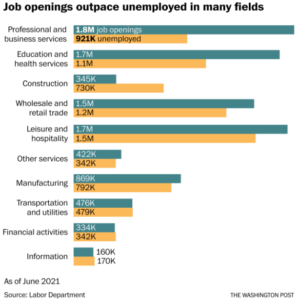
In the US, analysts have been scratching their heads at a disconnect between 8.4 million unemployed and 10 million job openings, with radical differences in sectors such as professional and business services or education and health services.

Most answers focus on the realities of the “Corona times”. People who were forced to work remotely discovered that they enjoyed it. They left inflexible jobs for more flexible ones – or just to spend more time with the family.Job Report

At the same time, childcare insecurity made it compulsory for some parents to give up their jobs to be home for children whose schools or care centers were closed in lockdown.

Workers in retail and hospitality, who saw their jobs being threatened, again and again, by COVID-19. Many were furloughed or sent into unemployment. While out of work,  unemployment benefits allowed people to reconsider career paths – and many decided to move to more secure industries.

And, finally, workers whose jobs are not threatened fall prey to burnout during intense work-from-home bouts during long and/or repeated lockdown periods.

If companies have trouble filling positions, they might consider offering more flexibility. Another study by Gartner shows that, at least theoretically, employers and employees are aligned in seeing flexibility as critical to the organization. This includes as a top consideration the ability to work both from home and from the office, as well as somewhat flexible work times.

Yes, work-from-home will outlast COVID-19. At the same time, the concept of happynomics – the economics of personal happiness and well-being – is being transposed at work, with more corporate care for productivity through employee workplace satisfaction. It is by now quite clear that, the happier people are at work, the better the organizational outcomes.

***

Five challenges, each of them compounded by the prolonged uncertainty of COVID-19 and by looming political tensions in various hotspots around the world. Businesses large and small are already critically affected by all. No business will be spared from at least one of the 5 factors; many will be impacted by several or all.

In 2022, companies must be ready to pivot, change strategies, and adjust course mid-route. That doesn’t mean the first step shouldn’t be, always and most critically, planning for these 5 challenges. Dwight Eisenhower was right: Plans are worthless, but planning is everything.


The supply chain crisis: What it is, why it happened, what to do

container g672f5bdac 1920

By Ilinca Anghelescu, EW Nutrition

“Supply chain issues” is now a buzzword that has gone beyond the realm of business into our lives and households. We know holiday gifts might be delayed because of supply chain issues, mobile phones or electric cars are facing essential parts shortages never before imagined, and entire companies’ production and delivery are affected by supply chain issues. Why is this happening and what can be done?

The supply chain crisis

Supply chains are nearly invisible – until something happens

The supply chain is an interdependent network of companies, individuals, databases, and actions whose ultimate goal is to ensure product or service delivery. The supply chain goes from the raw material to the end product or service that reaches the buyer. In most cases, this also includes the return of the goods or product servicing.

In the case of feed or food, for instance, a simplified version of the chain includes harvesting, storage, transportation, receiving and processing other raw materials, manufacturing, packaging, distribution, sale to the end customer, as well as potential returns at every stage along the way.

Supply chains are absolutely essential to the functioning of nearly everything in today’s society. If you eat tomatoes grown in your own garden, you are indeed outside the tomato supply chain; but your tools and fertilizer are probably not.

Supply chains are usually long, complex, highly interdependent, and often global because of cost pressure. No wonder, then, that one blow can bring down the whole domino chain. What is worse, the last year and a half brought not just one, but two concomitant blows.

Blow no. 1: Diminished capacity

The world is still reeling from the effects of COVID-19 – not just in terms of healthcare, but in terms of economic impact as well. In the immediate months after COVID-19 became a global concern, several things happened simultaneously to constrict the supply chain:

  • many factories limited the number of workers allowed on premises
  • ports (especially in China) shut down temporarily to halt the progress of the virus
  • face-to-face businesses shut down as a reaction to COVID-19 regulations

These and other similar measures put pressure on the global supply chain. Employee layoffs or furloughs, together with output decreases, meant fewer people could operate within the supply chain, which then translated into diminished production and delivery capacity.

To cope with the immediate state of things and with the predicted economic downturn, lots of companies (among those who did not shut down altogether) decided to reduce their output in order to save costs.

Blow no. 2: Increased demand

Despite the decreased demand for restaurant or hotel deliveries, lockdowns around the world brought about one other change: demand for endpoint deliveries soared. This would normally spell great news for producers, if only the supply chain weren’t in the way.

Supply chains are built to be as efficient as possible: fast, agile, and as economical as can be. In other words, “lean”. That also means that massive disruptions – whether positive or negative – are not easily handled. When demand for home deliveries went up dramatically, that would have been a good opportunity to beef up the delivery chain. Unfortunately, that increase in demand coincided with a limited personnel and product availability (because of blow no. 1), as well as shipping issues around the world.

How so? From the beginning of the pandemic until now, ships have been queuing up in ports around the world. The first Corona aftershock relocated production around the world and created unexpected demand. Containers were filled with high-margin goods (such as facial masks or home electronics) for the richer countries, while low-margin goods for other areas had to wait for free space.

Big Ship

This short-term unexpected move created competition for the limited number of containers on the market. Prices soared and containers traded at five times the cost of the previous year. (The Ever Given crisis in mid-2021 did not help, of course.) At the same time, unloading the cargo at the destination point had to be managed with reduced personnel, as pandemic restrictions still applied and docking availability remained the same. Ships had to wait for days to unload their cargo, despite high demand for their empty containers.

Collateral victim: semiconductors

It turns out, not surprisingly, that we have all grown more addicted to technology during the pandemic. Increased demand in home electronics, coupled with issues in the production of silicone-based parts (mostly led by a drive to reduce power consumption in China), led to a worldwide chip shortage that is affecting companies across many industries. Most notably, Tesla, Apple or Qualcomm are struggling to deliver orders and are readjusting their launch and delivery plans. If your mobile phone is delivered weeks late, blame it on the supply chain.

How to handle the supply-chain crisis

In 2022, keep your expectations low. The issues will not be resolved in a couple of months, so you must prepare for a year of very slow progress.

Prepare for at least two more years of high costs. Delivery delays will hit some markets more dramatically. Chip manufacturers have already announced shortage expectations throughout 2023, with lead times growing from 9 to 20+ weeks. Many large players in tech have announced plans to build their own plants or replace chips (as Tesla did) with different technologies. Do not be overly optimistic, though: such plans take a long time – and ports are reeling from a new wave of COVID-19 infections and restrictions. At this point, it is not just the shipping costs that are running a little wild, with no incentive for the cargo players to lower them; it is also the ports themselves. In the port of Los Angeles, as in many around the world, it is not unusual for cargo to wait a month out at sea to be given access to docking and unloading.

Order early. This seems like a commonsensical step – and it is, at this point. As mentioned above – do not expect things to be resolved quickly and painlessly. Protein markets are hit just as much as tech components; ship and truck deliveries will take a very long time to recover across all sectors. Demand is increasing and supply is still low – and slow. Order early and strategize to cover the new cost structures.

Explore options around the world. With China and Western Europe getting hit by new variants and suboptimal vaccination levels, the rest of the world remains to be explored. Options in richer countries, that once seemed too expensive, now may have an edge. Look closer to home rather to what was formerly a more cost-effective source. With shipping costs 3x to 10x what they were two years ago, the incentive is gone. (Even so, air freight is prohibitively expensive, so land access may be the most realistic option where accessible.)

Expand your capacity. Not everyone can start building plants at the drop of a hat, like Apple; but many companies can consider adding production lines or partnering with allies (and even competitors) to build or exploit resources. Since the supply chain issues are expected to last a couple more years on the optimistic side, it’s a good idea to explore your options not just in geography, but in partnerships for capacity as well.

Prepare for worse times before the good ones. It’s always a good idea to be prepared, but even more so now. Some ports are already closing again in early December (for instance, Dalian, China, took early measures against an outbreak) and the world is reacting to another potential large-scale lockdown.
On top of that, recession seems inevitable in many industries, and the new Corona mutations have already pushed the stock market down a few notches. Inflation has increased – 6.2% in the US in October versus last year, and in the eurozone the 4.1% inflation is the highest in the past 13 years. Some industries fare well simply because the market need is there (food and feed among them), but remember that the supply chain has companies across industries fighting for the same cargo space.

The answer to the supply chain challenge is to practice caution, spread risk, and actively seek out opportunities – including partnerships, new business, and unexpected collaborations. But then, these are good business practices at all times.


The fourth agricultural revolution is coming. Are you coming along?

field ge0aef824f 1920

By Ilinca Anghelescu, EW Nutrition

Momentous changes are happening in our lives and our industry. A lot of them are caused by globalization – COVID-19 or the effects of supply chain disruptions, among the more recent ones. Many more, though, that impact our personal and professional lives, are caused by digital advances omnipresent in contemporary society. And, although some view agribusinesses as a conservative industry, that has long not been the case. Mature companies have their eyes on the fourth agricultural revolution – and digitalization is a large part of it.

What is an agricultural revolution, anyway?

Agriculture has long been a motor of progress in human lives. Each agricultural revolution has brought about enormous improvements in living standards and consequently in life expectancy.

 fourth agricultural revolution

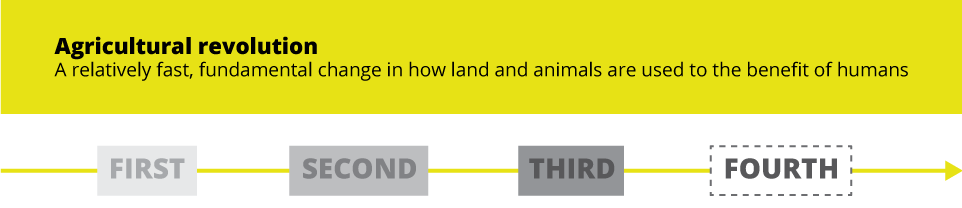
The first agricultural revolution took place about 10,000 ago, when hunter/gatherer communities began to settle and grow crops for sustenance. The revolution largely consisted of the domestication of plants and animals, as well as with agricultural processes. This revolution, it is widely believed, altered the course of human history and even biology: humans were able to form settlements and have predictable and nourishing food sources. Through that we also developed caries, body fat, and deficiencies in fiber and micronutrients.

The second agricultural revolution happened much later, from the mid-17th to the late 19th century, starting in the British Isles. The revolution consisted largely of enormous production improvements, not just from increased human labor but also from innovations such as advanced ploughing techniques, crop rotation, plus selective animal breeding, improved transportation, and land drainage. These developments helped the empire sustain a demographic, as well and geographic expansion.

The third agricultural revolution, in the 1950s and ‘60s, was prompted by enormous strides made in chemical fertilizers, irrigation, mechanization, and the development of new, high-yielding crops. These advances made possible a yield increase of over 40% in the course of less than 50 years. The changes were even more dramatic in developing nations, where the standard of life saw huge improvements with the advent of high-yield rice, wheat, and corn.

Naturally, poverty is still a major concern. However, if poverty has declined by 85% between the 1860s and 2020, we largely have agriculture to thank for.

The fourth revolution is already happening (somewhat)

The fourth agricultural revolution has been touted for years now. Part of the wider 4IR (Fourth Industrial Revolution), it is widely seen as the next dramatic improvement in the quality and quantity of agricultural and livestock output. The fourth agricultural revolution (alternatively, Agriculture 4.0) has been prompted, just like 4IR, first and foremost by digital advances. It relies, among many other innovations, on automation, gene editing, nutrigenics, traceability, and precision livestock farming.

In many cases, these advances are not yet fully developed, not fully embraced, or not yet fully integrated into one standardized system. However, the trend is unmistakable and unstoppable: the fourth agricultural revolution has started.

EW Nutrition is starting a series of articles on the challenges of digitalization and digital transformation in the livestock production industry and in industry in general. These advances in the way crops and livestock are being developed, grown, processed, and delivered from the farm to the end consumer’s home are indeed radical.

More important, however, is to prepare the ground for what’s coming. If organizations are not digitally savvy and technologically advanced, how will they deal with the abundance of data that Agriculture 4.0 relies on?

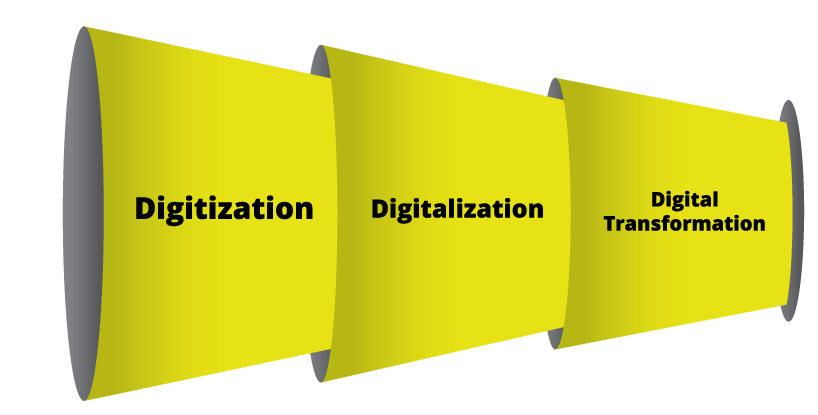
Digitization –> Digitalization –> Digital Transformation

There is a lot of confusion about the three terms, especially because digitization and digitalization are often used interchangeably. However, in terms of business strategy there are clear differences which could be clarified if we visualize the three terms as a funnel.

Digital Transformation

Digitization is the top level which most companies can easily reach. It refers to transferring a physical object to a digital representation. Think of it in terms of converting a 19th century novel to an e-book or turning a company ledger into an Excel spreadsheet.

Digitalization is the middle level of the funnel; fewer companies easily accede here, although it is nowadays an essential part of most businesses. Digitalization means using digital technologies to improve business processes and work more efficiently. Examples would be cloud storage for company files, virtual platforms for team conversations and project tracking, etc.

Digital transformation is transforming a business by using digital technologies, platforms, and processes to enable change, optimize the business model, and deliver better results for the organization. Examples would be an e-commerce company that leverages information from machine learning and combines it with big data across its vertical to collect prospect information, pool data into a SSoT (single source of truth), and conduct analytics that inform predictive algorithms.

Sure, not all companies can – or should – move completely into the bottom layer of the funnel. Digital transformation can be partial and should only be leveraged in companies and industries where it makes sense.

Where exactly is your company along the funnel? Assessing your current status is essential to developing a strategy to meet Agriculture 4.0 head on. And meeting it head on we must; it is no longer an option, but a necessity for organizations and businesses to remain relevant in tomorrow’s world.


Why are digitally mature companies better?

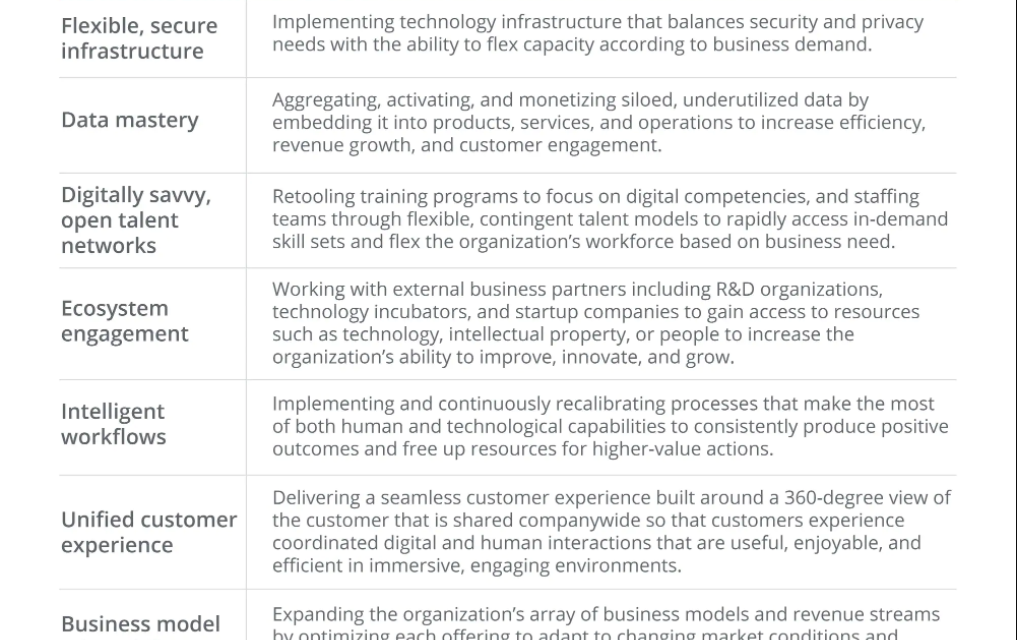
Regardless of the vertical in which you are operating, in 2022 your organization should be able to check most of the boxes suggested by Deloitte in the table above.

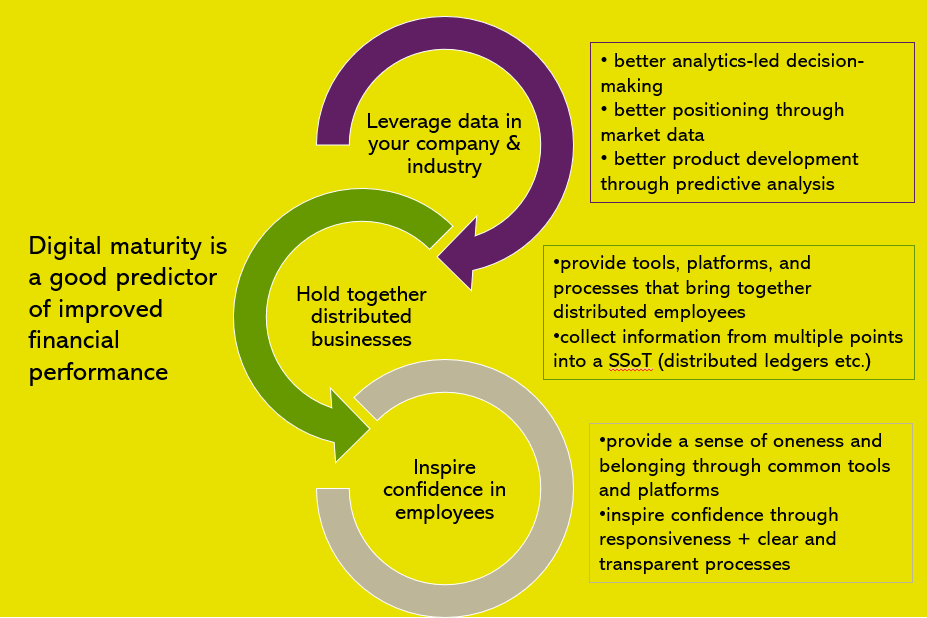
At the most superficial level, digital maturity is a good predictor of improved financial performance. The more digitally savvy companies are cashing in on their maturity.

Behind this predictive factor, however, is the reason why. Digitally mature companies

  • can better leverage the richness of data in their industry and ancillary verticals
    • better analytics-led decision-making
    • better positioning through market data
    • better product development through predictive analysis
  • can better hold together distributed businesses
    • provide tools, platforms, and processes that bring together distributed employees
    • collect information from multiple points into a SSoT (for instance, distributed ledgers or even less advanced, real-time tools)
  • can inspire more confidence in current and future employees
    • provide a sense of oneness and belonging through common tools and platforms
      inspire confidence through responsiveness and clear and transparent processes


Why are digitally mature companies better

How do companies begin on the road to digitalization?

The road to digitalization begins, first and foremost, with the will to change. Digitalization is change – and change is not easy, especially in more conservative industries or companies. Once the management understands the benefits of undertaking this process (which benefits are confirmed in multiple studies), there are several roads to choose from. However, to enable the process of digitalization in general, McKinsey identifies five key factors:

  • having the right, digital-savvy leaders in place
  • building capabilities for the workforce of the future
  • empowering people to work in new ways
  • giving day-to-day tools a digital upgrade
  • communicating frequently via traditional and digital methods

Once the organization has undergone the basics of change, the company can then strategize on how to take advantage of the trends in its specific market. In the animal production industry, these trends – briefly mentioned at the beginning – amount to a revolution.

The revolution is already underway. For the moment, however, it is developing on so many disparate fronts that there is no formal coherence and very little oversight. Because of that, but most especially because of digital immaturity, very few companies or institutions are prepared to deal with what is coming. Now is the time to get in shape and get the process started.

A peek at what’s coming

As we grew over the past few years, both organically and through M&As, we faced a few challenges that many will be familiar with:

  • a global team of 30+ nationalities that had to rally around one mission
  • over 400 diverse, vocal, highly individual employees
  • divergent value chains depending on country, region, and offered solution
  • a large work-from-home or distributed team in various locations, closely working with on-site colleagues
  • 10+ time zones
  • a sometimes dizzyingly fast pace of change

We were fortunately prepared to deal with most of the challenges. Even so, we were not 100% prepared. We have learned enormously in the course of these years and are now a few steps ahead.

Over the next couple of months, EW Nutrition is going to look at some of the most important topics around digitalization in general, digitalization in livestock and feed production, and obstacles to building a digitally mature company:

  • Digitalization-enabled change in distributed companies
  • The digitalization of animal farming
  • Digitalization in the workspace: Hurdles and benefits
  • …and more.

The process is never complete, of course. We just hope that, by learning in public and sharing our discoveries, we make our journey clearer – and perhaps other companies’ journey easier.


References

FAO. The role of digital technologies in livestock traceability and trade, 2020

Gartner. Manufacturing Industry Scenarios in 2023: Leading Through Innovation, published September 2018, updated February 2020.

Gartner, Top Strategic Technology Trends for 2021, 2020

Gurumurthy, Ragu and David Schatsky, Pivoting to digital maturity: Seven capabilities central to digital transformation, Deloitte Insights, March 13, 2019

Gurumurthy, Ragu et al., Uncovering the connection between digital maturity and financial performance, Deloitte Insights, May 2020, 2020

Kane, Gerald C., “Accelerating digital innovation inside and out: Agile teams, ecosystems, and ethics,” MIT Sloan Management Review and Deloitte Digital, June 4, 2019

McKinsey. Unlocking success in digital transformations, October 2018

Moatsos, Michail. Global extreme poverty: Present and past since 1820. In How Was Life? Volume II : New Perspectives on Well-being and Global Inequality since 1820, OECD 2021

Sharma, Deepak et al., Customer-centric digital transformation: Making customer success integral to the new organization, Deloitte Insights, September 5, 2019

Schwab, Klaus, The Fourth Industrial Revolution: what it means, how to respond, World Economic Forum, 14 Jan 2016

World Economic Forum, Innovation with a Purpose: The role of technology innovation in accelerating food systems transformation, January 2018

World Economic Forum, Technology Futures: Projecting the Possible, Navigating What’s Next. Insight Report, April 2021


Two pandemics. How antimicrobial resistance will eventually overshadow COVID-19

picture 1 coronavirus shutterstock

By Dr. Inge Heinzl, Editor, EW Nutrition

Since early 2020, COVID-19 has been keeping the world under a cloud of uncertaintyWith all eyes focused on this pandemic, we nevertheless must not forget that anothersilent pandemic is developing: antimicrobial resistance (AMR). Unfortunately, the COVID-19 could easily exacerbate the AMR pandemic.   
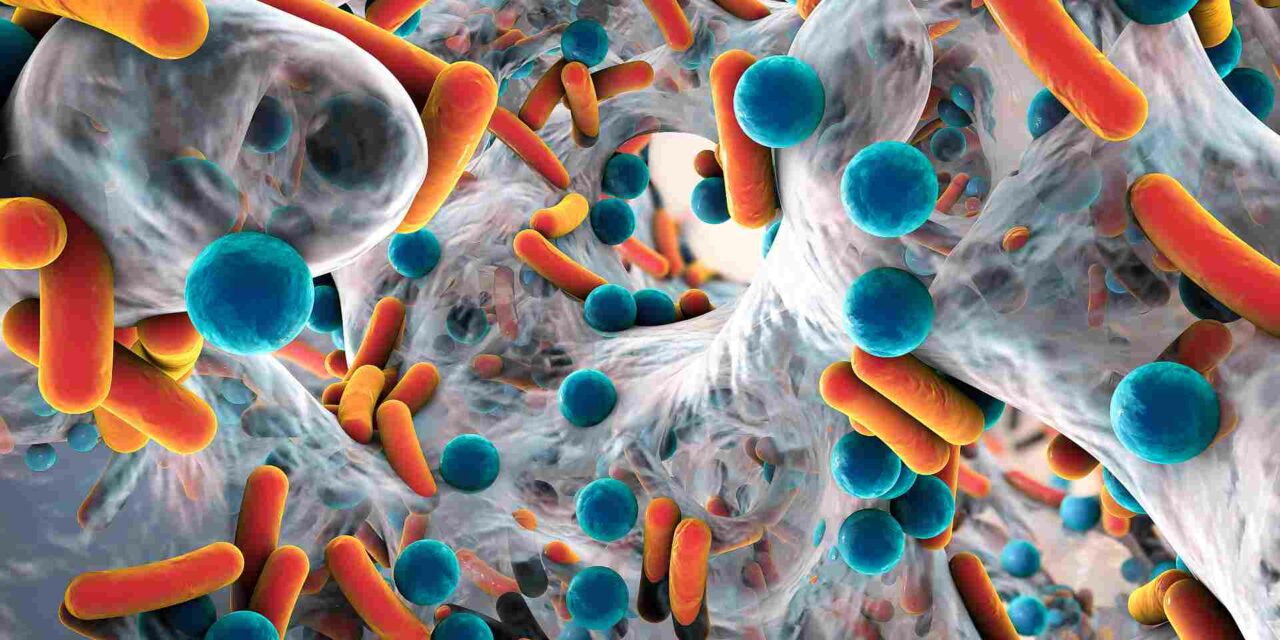
How antimicrobial resistance will eventually overshadow COVID-19

What is the relationship between COVID-19 and AMR? 

The COVID-19 pandemic, as well as AMR, have a direct health impact on people: they get ill, suffer from its short- and long-term effects, or even die. AMR, on the other hand, is not a disease in itself but makes various bacterial infections difficult to treat and is considered a pandemic due to its dramatic global scope (Cars et al., 2021). Both pandemics, the ‘loud’ COVID-19 and the ‘silent’ AMR pandemic, are monitored by official institutions. Still, for both, significant uncertainties around actual case figures exist, especially in low-income countries. 

Beginning in China in around December 2019, SARS-CoV-2 spread to the rest of the world within a few months. Figures collated by the WHO show over 250 million confirmed cases and over 5 million deaths to date, with excess mortality rates indicating this to be an underestimation. Quantifying the death toll due to AMR is far more challenging, as disease conditions vary, resistant bacteria go undetected, or the causative pathogens are not identified in the first place (Giattino et al., 2021).
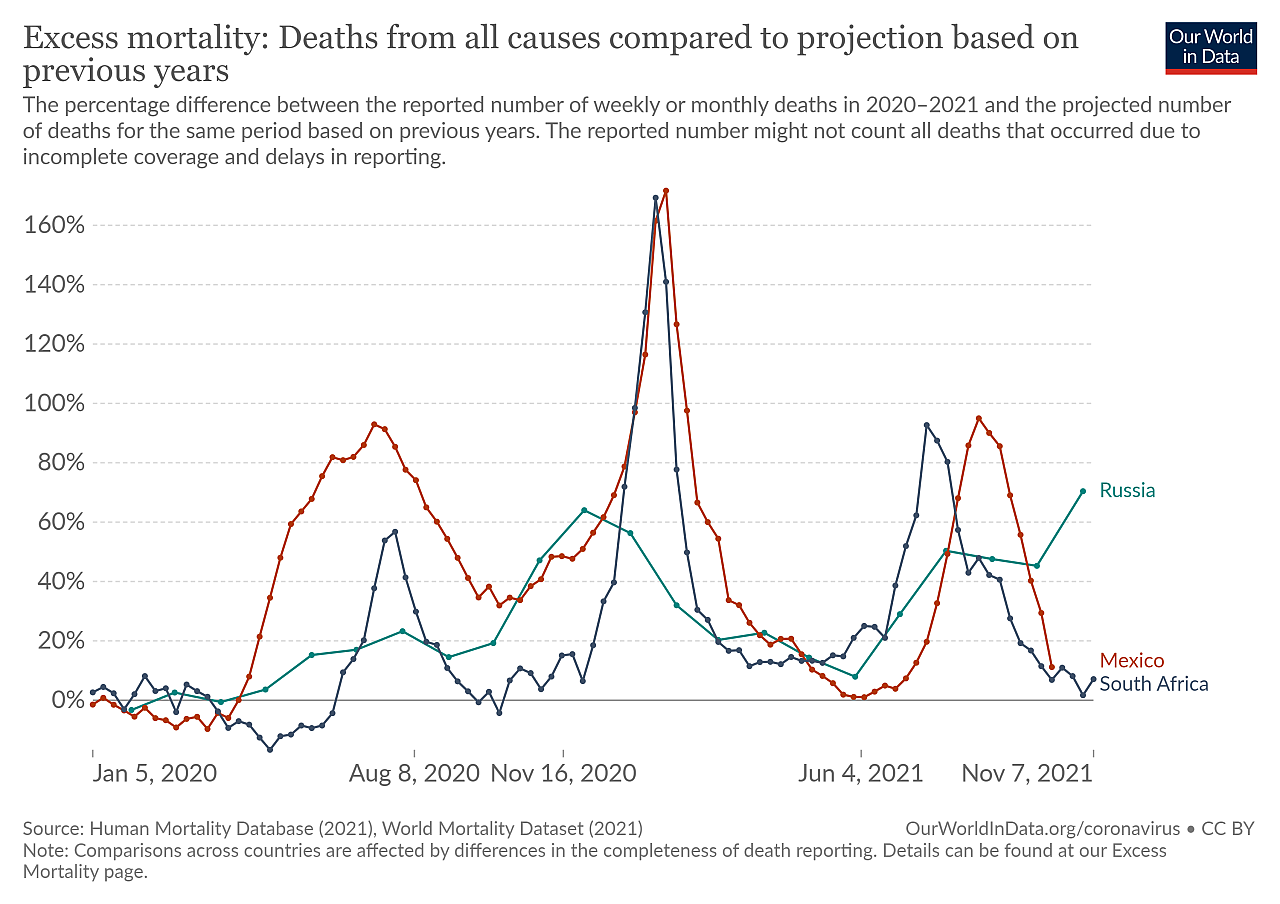
World Mortality Dataset

O’Neill (2014) reported about 700,000 people dying from infections with resistant pathogens every year. He forecasted that, by 2050, 10 million people per year will die if we dont change anything. This figure would represent twice the number of people who died from COVID-19 within the last two years.  In the US and the EU, according to CDC, antibiotic resistance causes 23,000 and 25,000 deaths per year, respectively. In Thailand, 38,000 deaths are attributable to ABR. And in India, 58,000+ babies died from infections with resistant bacteria, usually passed on from their mothers. 

Woerther et al. (2013) note a continuous increase of resistant strains globally. In 2010/11, ESBL carriage rates of 3 to 20 % were the “norm”, but some WHO regions already showed 60 to 70% carriage rates by 2011. In the US, 223,900 cases of Clostridium difficile occurred in 2017, and at least 12,800 people died (CDC, 2019). 

As in the case of SARS-CoV-2, the spread of AMR organisms can be prevented by hygiene measures. Except for hospital settings reported in developed countriesthe spread of resistant bacteria is invisible. Regardless of how little we know about it from official reports, there are indications that bacteria resistance is ubiquitous, triggered to a large extent by the (over)use of antibiotics in community settingsMoreover, it is far more difficult to identify that a patient suffers from AMR infection than from SARS-CoV-2. The latter is easily detected with widespread testing systems, including self-testing.  

COVID and AMR have severe economic consequences 

Besides claiming many lives, both COVID and AMR increase the costs for healthcare. Additionally, due to high sickness ratios and lockdowns, economic losses are tremendous. For COVID as well as for AMR patients, the hospitals need specialized systems and procedures (ventilation apparatus, extraordinary hygiene measures) and specially qualified personnel to treat the infected persons. In addition to the cases of infection, mental illness increases due to these exceptional circumstances. 

US study extrapolates ten-figure costs due to AMR 

In a US cohort study based on records of 25,000 patients from 2007-2015, Nelson et al. (2021a) calculated the treatment costs for infections with methicillin-resistant Staphylococcus aureus or carbapenem-resistant Acinetobacter to be $4.6 billion.  

Another study done by Nelson et al. (2021b) with 87,509 elderly patients suffering from infections with the same resistant pathogens showed estimated costs of $1.9 billion, with 11,852 deaths and 448,224 inpatient days. In these two studies, only two resistant bacteria species were considered – and they alone triggered costs of more than 4 billion US dollars. 

Estimation of COVID costs shows long-lasting negative economic impact 

In the case of COVID, an estimation done by Tan-Torres Edejer et al. (2020) yielded $52.45 billion in added healthcare costs worldwide over four weeks in a status quo scenario. The costs would increase/decrease if the transmission increases/decrease. More detailed consideration is provided by Cutler and Summers (2020).   

Category Cost (billions) in USD
Lost GDP 7592
Health loss
  • Premature death
4375
  • Long-term health impairment
2572
  • Mental health impairment
1581
Total 16121
% of annual GDP 90

Estimated Projected health cost of the COVID-19 crisis (Cutler and Summers, 2020)  


Economic losses due to Corona are tremendous – What about losses due to AMR?
  

Some of the costs arising during the corona pandemic are partially compensated. New jobs within the health system, industries providing healthcare materials or developing vaccines/medicine partially cover the damages caused to the economy.  

Additional to the healthcare costs, costs due to the impact on the economy arise. According to Maliszewska et al. (2020), financial losses because of the COVID-19 pandemic can be attributed to four categories: 

  1. the direct impact of a reduction in employment (shutdowns of operations), but also labor shortage due to illness of the personnel 
  2. the increase in costs of international transactions 
  3. the sharp drop in travel (caused by travel bans in certain countries) 
  4. the decline in demand for services that require proximity between people (e.g., down periods of restaurants). 

According to a UN (2020) early estimate, the “economic uncertainty it has sparked will likely cost the global economy $1 trillion in 2020”.  

Comparing the costs for both pandemics, AMR does not seem to be as scary as COVID. However, we are only at the beginning. AMR figures are constantly increasing. If O’Neill (2014)’s scenario occurs, we will witness more AMR-caused deaths than deaths from COVID-19, as well as higher costs.  

Antibiotic use promotes the development of resistances 

Antimicrobial resistance is natural; Alexander Fleming mentioned it as early as 1929, soon after discovering penicillin. Most of the antibiotics are derived from natural substances. Penicillin, for instance, is produced by a mold fungus. This is why completely isolated cultures such as the Yanomami in Venezuela, who have never taken antibiotics, can also show resistant bacteria in their gut flora (Lahrtz, 2015). Every contact with an antibiotic has the potential to promote resistance.

Bacteria develop resistance in different ways 

In a typical situation, an antibiotic has an impact on “good” and “bad” bacteria. One bacterium, due to a random mutation, can develop resistance to antibiotic treatment. Suddenly, that resistant bacterium has survived the battle, remains the “king of the castle”, and can use all the space and nutrients to proliferate. 

Different types of resistance are possible (Levy, 1998). The bacteria can  

  • stimulate the production of enzymes, modifying or breaking down (and, therefore, inactivating) the antibiotic 
  • eliminate access ways for antibiotics or develop pumps discharging the antibiotic before it takes effect 
  • change or eliminate the targets of the antibiotics, the molecules they would bind. 

Bacteria spread their ability to resist 
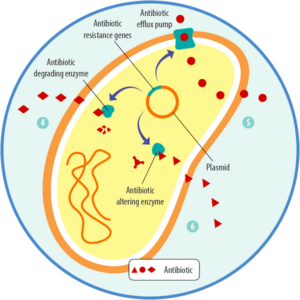
Bacteria spread their ability to resist 

The problem of antibiotic resistance is not only that one bacterium, due to mutation, can withstand an antibiotic treatment. The more dangerous possibility is that it can also transfer this ability to other, potentially more harmful bacteria. How is this transfer achieved? Bacteria can acquire these mutated “resistance genes” through 

  • vertical transfer from mother to daughter cells 
  • the intake of these genes from dead bacteria, which is also possible between different strains (including between “good” and “bad” ones) 
  • plasmids transporting the genes from one bacterium to another (horizontal transfer), which is also possible between strains 
  • viruses transporting the genes.   

Due to this exchange of resistance genes, harmful bacteria can become resistant because they acquire the mutated gene and, therefore, the ability to resist antibiotics from a harmless bacterium.  

problem of antibiotic resistance

Enhanced antibiotic resistance due to COVID-19? 

Just as influenza (Morris et al., 2017), the COVID-19 pandemic is reported to influence the transmission of bacterial infections and the development of antimicrobial resistance. Several reasons and facts argue for this statement. 

  1. Bacterial co-infections are often identified on top of viral respiratory infections. These are then the main reasons for higher morbidity and mortality (Mahmoudi, 2020). Also, COVID-19 weakens the immune system of people and paves the way for secondary infections. This is the reason why, in some cases, COVID-19 patients are given antibiotics prophylactically. Langford and co-workers (2020) published a summary of different studies concerning this topic, and other authors confirm this tendency (Garcia-Vidal et al., 2021Rawson et al., 2020Rodríguez-Baños, 2021Russel et al., 2021). They reported a relatively low incidence of bacterial co-infections of 3.5% (95% CI 0.4-6.7%) and secondary bacterial infections of 14.3% (95% CI 9.6-18.9%). However, high use of antibiotics (70%) could be observed, most of them broad-spectrum antibiotics such as third-generation cephalosporins and fluoroquinolones (Langford et al., 2020). 
  2. Contrary to influenza patients, who get bacterial secondary infections or co-infections in the community, COVID patients are more likely to get these infections in the hospital. There, the risk of “catching” a resistant pathogen is higher.  
  3. This risk increases during a pandemic such as COVID simply because more people spend more time in the hospital. The hospital staff is overloaded; often, hygiene compliance is less than perfect. 
  4. Due to the high number of patients, the determination of bacteria strains is often delayed, and, therefore, doctors more often resort to broad-spectrum antibiotics.  

Antibiotics in animal production contribute to AMR development 

In animal production, antibiotics are not only used for the treatment of diseases but also prophylaxis of the whole herd or growth-promoting purposes. Data collected in the US in 2017 (human) and 2018 (animals) revealed that, in total, nearly 80% of the antibiotics were used in animals. 
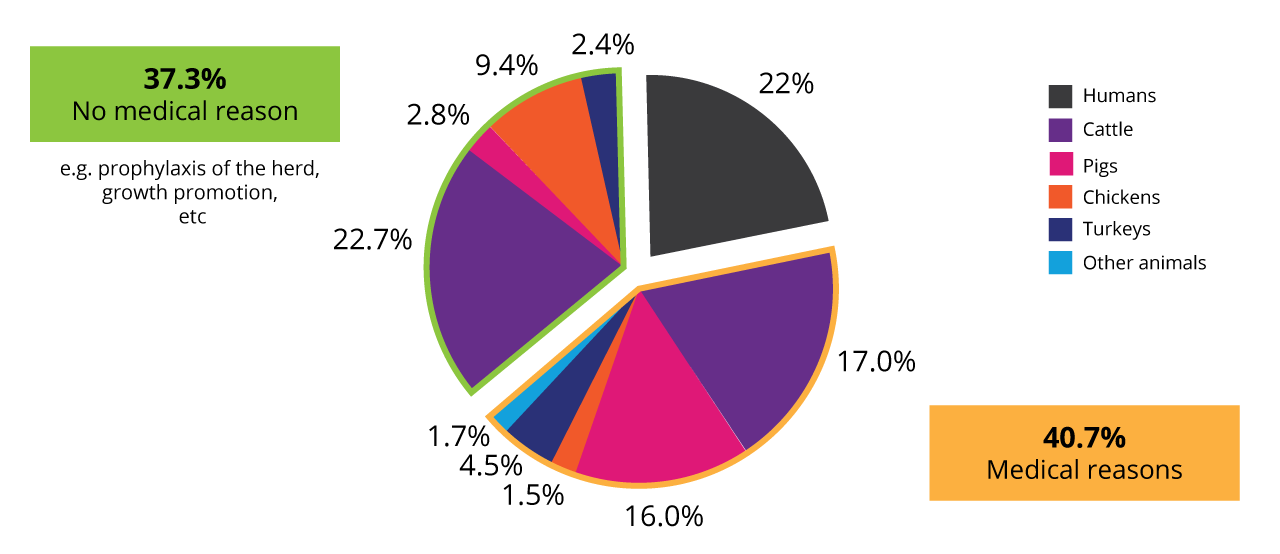
Use of antibiotics in animals and humans

Use of antibiotics in animals and humans in the US 2017/18 (according to Benning, 2021

Reduction of antibiotics leads to a decrease in resistances 

A report published by the CDDEP in 2015 showed an earlier example (Dutil, 2010).  When the 3rd generation extended-spectrum cefalosporin (Ceftiofur) was used at the egg stage of broiler chicken farming in Canada, the prevalence of E. coli and Salmonella strains resistant to this antibiotic increased in chicken, but also humans. After discontinuing the antibiotics, the resistance dropped by one-half to one-quarter of the previous year’s value within one year. 

This decrease makes perfect sense. An antibiotic-resistant gene is not worth the organism’s effort if the associated antibiotic is not used, converting the gene into a negative factor for “fitness”. It only costs energy and, in the end, disappearance from the microbiome. 

Antibiotic reduction in animals shows first benefits 

Besides antibiotic stewardship in human medicine (no broad-spectrum antibiotics, targeted use, and only against bacteria rather than viral diseases), reducing antibiotic use in animal production is vital. The European Union has already made strides and banned antibiotics as growth promoters in animal production in 2006. The Netherlands has been leading the way when it comes to a reduction in veterinary prescribed antibiotics. From 2009 to 2018, antibiotic sales decreased by 70% (de Greeff et al., MARAN Report, 2020). First decreases of resistance have already be documented, among which: 

  • no carbapenemase-producing Salmonella in 2019 
  • only 19 ESBL-producing Salmonella isolates were confirmed, mainly from humans 
  • the resistance percentage in commensal E. coli (caecal samples) has halved for most antibiotics, converting into consistently low values during recent years 
  • no E. coli isolates resistant to extended-spectrum cephalosporins were detected in fecal samples from farm animals.  

Preserving the effectiveness of antibiotics is key  

Various feed supplements can support the animals at different stages of their life in order to reduce antibiotic use in animal production. In the long run, this will be a game-changer in ensuring that animal products and the process of animal production itself are not part of the problem. 

Antibiotic reduction has become an increasingly stringent task. In the wake of the COVID-19 pandemic, the world has gained a renewed awareness of the importance of infectious diseases. We saw how fast progress in healthcare could suffer setbacks and we were forced to recognize the need for resilient health systems (Cars, 2021).  

The pandemic can teach us a valuable lesson in this respect. We must realize that it is essential to use antibiotics further as an effective tool to treat harmful diseases. To that end, we must do everything we can to keep this weapon sharp. The first step is to reduce antibiotic use in human health, as well as in livestock production. It will not be an easy way. It is, however, the only effective way in the long run. 


References

Benning, Reinhild, and By. “Antibiotics: Useless Medicines: Heinrich Böll Stiftung: Brussels Office – European Union.” Heinrich-Böll-Stiftung, September 7, 2021. https://eu.boell.org/en/2021/09/07/antibiotics-useless-medicines.

Bergevoet, R.H.M., Marcel van Asseldonk, Nico Bondt, Peter van Horne, Robert Hoste, Carolien de Lauwere, and Linda Puister-Jansen. “Economics of Antibiotic Usage on Dutch Farms: The Impact of Antibiotic Reduction on Economic Results of Pig and Broiler Farms in the Netherlands.” Research@WUR. Wageningen Economic Research, June 2019. https://research.wur.nl/en/publications/economics-of-antibiotic-usage-on-dutch-farms-the-impact-of-antibi.

Cars, Otto, Sujith J Chandy, Mirfin Mpundu, Arturo Quizhpe Peralta, Anna Zorzet, and Anthony D So. “Resetting the Agenda for Antibiotic Resistance through a Health Systems Perspective.” The Lancet Global Health 9, no. 7 (2021). https://doi.org/10.1016/s2214-109x(21)00163-7.

CDC. “Antibiotic Resistance Threats in the United States 2019.” U.S. Department of Health and Human Services, Atlanta, GA. 2019.

http://dx.doi.org/10.15620/cdc:82532.

Centers for Disease Control and Prevention. “Antibiotics Don’t Work on COVID-19.” Centers for Disease Control and Prevention. Accessed October 7, 2021. https://stacks.cdc.gov/view/cdc/107496.

Center for Disease Dynamics, Economics & Policy (CDDEP). “The State of the World’s Antibiotics, 2015.” June 8, 2018. https://cddep.org/publications/state_worlds_antibiotics_2015/.

Cutler, David M., and Lawrence H. Summers. “The COVID-19 Pandemic and the $16 Trillion Virus.” JAMA 324, no. 15 (2020): 1495. https://doi.org/10.1001/jama.2020.19759.

de Greeff, S. C., A. F. Schoffelen, and C. M. Verduin. “Maran Reports.” WUR. National Institute for Public Health and the Environment, June 2020. https://www.wur.nl/en/Research-Results/Research-Institutes/Bioveterinary-Research/In-the-spotlight/Antibiotic-resistance/MARAN-reports.htm.

Dutil, Lucie, Rebecca Irwin, Rita Finley, Lai King Ng, Brent Avery, Patrick Boerlin, Anne-Marie Bourgault, et al. “Ceftiofur resistance in Salmonella Enterica serovar Heidelberg from Chicken Meat and Humans, Canada.” Emerging Infectious Diseases 16, no. 1 (2010): 48–54. https://doi.org/10.3201/eid1601.090729.

Edris, Amr E. “Pharmaceutical and Therapeutic Potentials of Essential Oils and Their Individual Volatile Constituents: A Review.” Phytotherapy Research 21, no. 4 (2007): 308–23. https://doi.org/10.1002/ptr.2072.

Garcia-Vidal, Carolina, Gemma Sanjuan, Estela Moreno-García, Pedro Puerta-Alcalde, Nicole Garcia-Pouton, Mariana Chumbita, Mariana Fernandez-Pittol, et al. “Incidence of Co-Infections and Superinfections in Hospitalized Patients with Covid-19: A Retrospective Cohort Study.” Clinical Microbiology and Infection 27, no. 1 (2021): 83–88. https://doi.org/10.1016/j.cmi.2020.07.041.

Gelband, Hellen, Molly Miller-Petry, Suraj Pant, Sumanth Gandra, Jordan Levinson, Devra Barter, Andrea White, and Ramanan Laxminarayan. “The State of the World’s Antibiotics, 2015.” Center for Disease Dynamics, Economics & Policy (CDDEP), June 8, 2018. https://cddep.org/publications/state_worlds_antibiotics_2015/.

Heckert, R.A., I. Estevez, E. Russek-Cohen, and R. Pettit-Riley. “Effects of Density and Perch Availability on the Immune Status of Broilers.” Poultry Science 81, no. 4 (2002): 451–57. https://doi.org/10.1093/ps/81.4.451.

Hutchins Coe, Erica, Kana Enomoto, Patrick Finn, John Stenson, and Kyle Weber. “Is Covid over? | Page 12 | Debate Politics.” Mc Kinsey and Company, September 2020. https://debatepolitics.com/threads/is-covid-over.425042/page-12.

Lahrtz, Stephanie. “Resistenzgene auch im Dschungel.” Neue Zürcher Zeitung, April 21, 2015. https://www.nzz.ch/wissenschaft/medizin/resistenzgene-auch-im-dschungel-1.18526784.

Langford, Bradley J., Miranda So, Sumit Raybardhan, Valerie Leung, Duncan Westwood, Derek R. MacFadden, Jean-Paul R. Soucy, and Nick Daneman. “Bacterial Co-Infection and Secondary Infection in Patients with COVID-19: A Living Rapid Review and Meta-Analysis.” Clinical Microbiology and Infection 26, no. 12 (2020): 1622–29. https://doi.org/10.1016/j.cmi.2020.07.016.

Levy, Stuart B. “The Challenge of Antibiotic Resistance.” Scientific American 278, no. 3 (1998): 46–53. https://doi.org/10.1038/scientificamerican0398-46.

Mahmoudi, Hassan. “Bacterial Co-Infections and Antibiotic Resistance in Patients with COVID-19.” GMS Hyg Infect Control 15, no. Doc35 (2020). https://dx.doi.org/10.3205/dgkh000370

Maliszewska, Maryla, Aaditya Mattoo, and Dominique van der Mensbrugghe. “The Potential Impact of Covid-19 on GDP and Trade: A Preliminary Assessment.” Policy Research Working Papers. World Bank Group, March 2020. https://elibrary.worldbank.org/doi/book/10.1596/1813-9450-9211.

Morris, Denise E., David W. Cleary, and Stuart C. Clarke. “Secondary Bacterial Infections Associated with Influenza Pandemics.” Frontiers in Microbiology 8 (2017). https://doi.org/10.3389/fmicb.2017.01041.

Muniz, EC, VB Fascina, PP Pires, AS Carrijo, and EB Guimarães. “Histomorphology of Bursa of Fabricius: Effects of Stock Densities on Commercial Broilers.” Revista Brasileira de Ciência Avícola 8, no. 4 (2006): 217–20. https://doi.org/10.1590/s1516-635×2006000400003.

Nelson, Richard E, Kelly M Hatfield, Hannah Wolford, Matthew H Samore, R Douglas Scott, Sujan C Reddy, Babatunde Olubajo, Prabasaj Paul, John A Jernigan, and James Baggs. “National Estimates of Healthcare Costs Associated with Multidrug-Resistant Bacterial Infections among Hospitalized Patients in the United States.” Clinical Infectious Diseases 72, no. Supplement_1 (2021a): S17–S26. https://doi.org/10.1093/cid/ciaa1581.

Nelson, Richard E, David Hyun, Amanda Jezek, and Matthew H Samore. “Mortality, Length of Stay, and Healthcare Costs Associated with Multidrug-Resistant Bacterial Infections among Elderly Hospitalized Patients in the United States.” Clinical Infectious Diseases, 2021b. https://doi.org/10.1093/cid/ciab696.

O’Neill, J. “Antimicrobial Resistance: Tackling a Crisis for the Health …” amr-review.org. Wellcome Trust and HM Government, 2014. https://amr-review.org/sites/default/files/AMR%20Review%20Paper%20-%20Tackling%20a%20crisis%20for%20the%20health%20and%20wealth%20of%20nations_1.pdf.

Partanen, Krisi H, and Zdzislaw Mroz. “Organic Acids for Performance Enhancement in Pig Diets.” Nutrition Research Reviews 12, no. 1 (1999): 117–45. https://doi.org/10.1079/095442299108728884.

Rawson, Timothy M, Luke S Moore, Nina Zhu, Nishanthy Ranganathan, Keira Skolimowska, Mark Gilchrist, Giovanni Satta, Graham Cooke, and Alison Holmes. “Bacterial and Fungal Coinfection in Individuals with Coronavirus: A Rapid Review to Support COVID-19 Antimicrobial Prescribing.” Clinical Infectious Diseases, 2020. https://doi.org/10.1093/cid/ciaa530.

Rodríguez-Baño, Jesús, Gian Maria Rossolini, Constance Schultsz, Evelina Tacconelli, Srinivas Murthy, Norio Ohmagari, Alison Holmes, et al. “Antimicrobial Resistance Research in a Post-Pandemic World: Insights on Antimicrobial Resistance Research in the COVID-19 Pandemic.” Journal of Global Antimicrobial Resistance 25 (2021): 5–7. https://doi.org/10.1016/j.jgar.2021.02.013.

Russell, Clark Donald, Cameron J. Fairfield, Thomas M. Drake, Lance Turtle, R Andrew Seaton, Dan G. Wootton, Louise Sigfrid, et al. “Co-Infections, Secondary Infections, and Antimicrobial Usage in Hospitalised Patients with Covid-19 from the ISARIC WHO CCP-UK Study: A Prospective, Multicentre Cohort Study.” SSRN Electronic Journal, 2021. https://doi.org/10.2139/ssrn.3786694.

Tan-Torres Edejer, Tessa, Odd Hanssen, Andrew Mirelman, Paul Verboom, Glenn Lolong, Oliver John Watson, Lucy Linda Boulanger, and Agnès Soucat. “Projected Health-Care Resource Needs for an Effective Response to Covid-19 in 73 Low-Income and Middle-Income Countries: A Modelling Study.” The Lancet Global Health 8, no. 11 (2020): e1372–e1379. https://doi.org/10.1016/s2214-109x(20)30383-1.

United Nations. “Coronavirus Update: Covid-19 likely to cost economy $1 trillion during 2020, says UN trade agency.” March 2020. https://www.un.org/sustainabledevelopment/blog/2020/03/coronavirus-update-covid-19-likely-to-cost-economy-1-trillion-during-2020-says-un-trade-agency/.

Woerther, Paul-Louis, Charles Burdet, Elisabeth Chachaty, and Antoine Andremont. “Trends in Human Fecal Carriage of Extended-Spectrum β-Lactamases in the Community: Toward the Globalization of CTX-M.” Clinical Microbiology Reviews 26, no. 4 (2013): 744–58. https://doi.org/10.1128/cmr.00023-13.

WHO. “Who Coronavirus (COVID-19) Dashboard.” World Health Organization. Accessed October 7, 2021. https://covid19.who.int/.