Nutritional strategies to maximize the health and productivity of sows

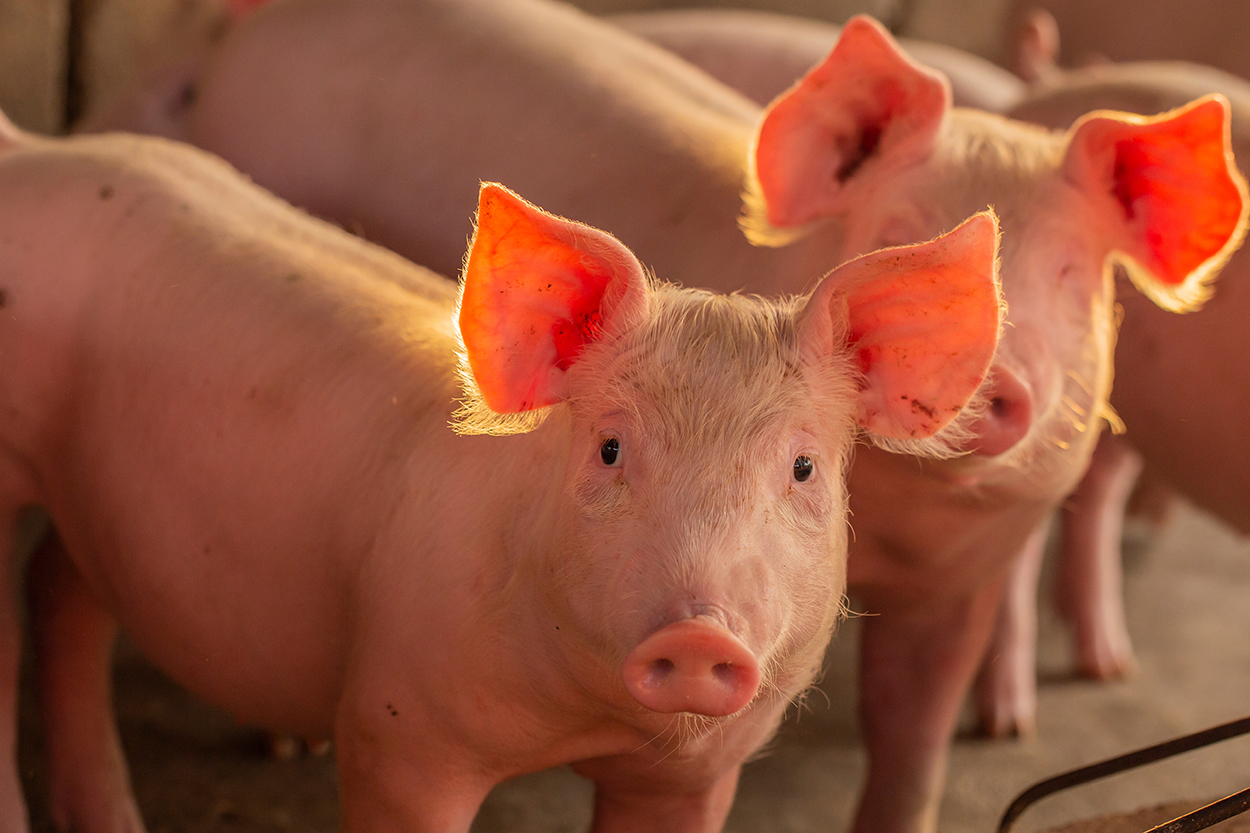
Muttersau Mit Ferkel

Conference Report

During lactation, the focus should be on maximizing milk production to promote litter growth while reducing weight loss of the sow, stated Dr. Jan Fledderus during the recent EW Nutrition Swine Academies in Ho Chi Minh City and Bangkok. A high body weight loss during lactation negatively affects the sow’s performance in the next cycle and impairs her longevity.

Milk production – ‘push’ or ‘pull’?

“Is a sow’s milk production driven by “push” – the sow is primarily responsible for milk production, or “pull” – suckling stimulates the sow to produce milk?” asked Dr. Jan Fledderus at the beginning of his presentation. The answer is that it is primarily a pull mechanism: piglets that suckle effectively and frequently can activate all compartments of the udder, leading to increased milk production. Therefore, the focus should be optimizing piglet suckling behavior (pull) to enhance milk production. This highlights the importance of piglet vitality and access to the udder in maximizing milk yield.”

Modern sows are lean

Modern sows have been genetically selected for increased growth rates and leanness, which alters their body composition. This makes traditional body condition scoring (BCS) methods, which rely on subjective visual assessment and palpation of backfat thickness, less effective. This may not accurately represent a sow’s true condition, especially in leaner breeds where muscle mass is more prominent than fat. Technology, such as ultrasound measurements of backfat and loin muscle depth, provide more accurate assessments of body condition and can help quantify metabolic reserves more effectively than visual scoring.

Due to their increased lean body mass, we must consider adjusted requirements for amino acids, energy, digestible phosphorus, and calcium. Their dietary crude protein and amino acid requirements have increased drastically.

Importance of high feed intake for milk production

Sows typically catabolize body fat and protein to meet the demands of milk production. Adequate feed intake helps reduce this catabolism, allowing sows to maintain body condition while supporting their piglets’ nutritional needs.

Feeding about 2.5kg on the day of farrowing ensures that sows receive adequate energy to support the farrowing process and subsequent milk production. Sows that are well-fed before farrowing tend to have shorter farrowing durations due to better energy availability during labor.

A short interval between the last feed and the onset of farrowing (3 hours) has been shown to significantly reduce the probability of both assisted farrowing and stillbirths without increasing the risk of constipation. To enhance total feed intake, feeding lactating sows at least three times a day is helpful.

Dr. Fledderus recommended a gradual increase in feed intake during lactation, then from day 12 of lactation to weaning, feeding 1% of sow’s bodyweight at farrowing + 0.5 kg/piglet. For example, for a 220kg sow with 12 piglets:

(220 kg x 0.01) + (12 x 0.5 kg) = 2.2 +6 = 8.2 kg total daily feed intake

Energy source – starch versus fat

The choice between starch and fat as an energy source in sow diets has substantial implications for body composition and milk production.

Starch digestion leads to glucose release, stimulating insulin secretion from the pancreas. Insulin is essential for glucose uptake and utilization by tissues. Enhanced insulin response can help manage body weight loss by promoting nutrient storage and reducing the mobilization of the sow’s body reserves.

Sows fed diets with a higher fat supplementation had an increased milk fat, which is crucial for the growth and development of piglets.

Table 1: Effect of energy source (starch vs. fat) on sows’ body composition and milk yield (Schothorst Feed Research)

Diet 1 Diet 2 Diet 3
Energy value (kcal/kg) 2,290 2,290 2,290
Starch (g/kg) 300 340 380
Fat (g/kg) 80 68 55
Feed intake (kg/day) 6.7 6.7 6.8
Weight loss (kg) 15 11 10
Weight loss (kg) 3.1 2.7 2.3
Milk fat (%) 7.5 7.2 7.0
Milk fat (%) 260 280 270

Heat stress impacts performance

The optimum temperature for lactating sows is 18°C. A meta-analysis concluded that each 1°C above the thermal comfort range (from 15° to 25°C) leads to a decrease in sows’ feed intake and milk production and weaning weight of piglets, as shown below.

Effect Of Heat Stress
Effect of heat stress on lactating sows (according to Ribeiro et. al., 2018 Based on 2,222 lactating sows, the duration of lactation was corrected to 21 days)

To mitigate the effects of heat stress, which reduces feed intake, it is beneficial to schedule feeding during cooler times of the day. This strategy helps maintain appetite and ensures that sows consume sufficient nutrients for milk production. Continuous access to cool, clean water can also enhance feed consumption.

Pigs produce much heat, which must be “excreted”. Increased respiratory rate (>50 breaths/minute) has been shown to be an efficient parameter for evaluating the intensity of heat stress in lactating sows.

When sows resort to panting as a mechanism to dissipate heat, this rapid breathing increases the loss of carbon dioxide, resulting in respiratory alkalosis. To prevent a rise in blood pH level, HCO3 is excreted via urine, and positively charged minerals (calcium, phosphorous, magnesium, and potassium) are needed to facilitate this excretion. However, these minerals are crucial for various physiological functions. As their loss can lead to deficiencies that affect overall health and productivity, this mineral loss must be compensated for.

Implications for management

Implementing effective nutritional strategies together with robust management practices is crucial for maximizing the health and productivity of sows. The priority is to stimulate the sow to eat more. This not only enhances milk production and litter growth but also supports the overall well-being of the sow. Regularly assessing sow performance metrics – such as body condition score, feed intake, and litter growth – can help identify areas for improvement in nutritional management.

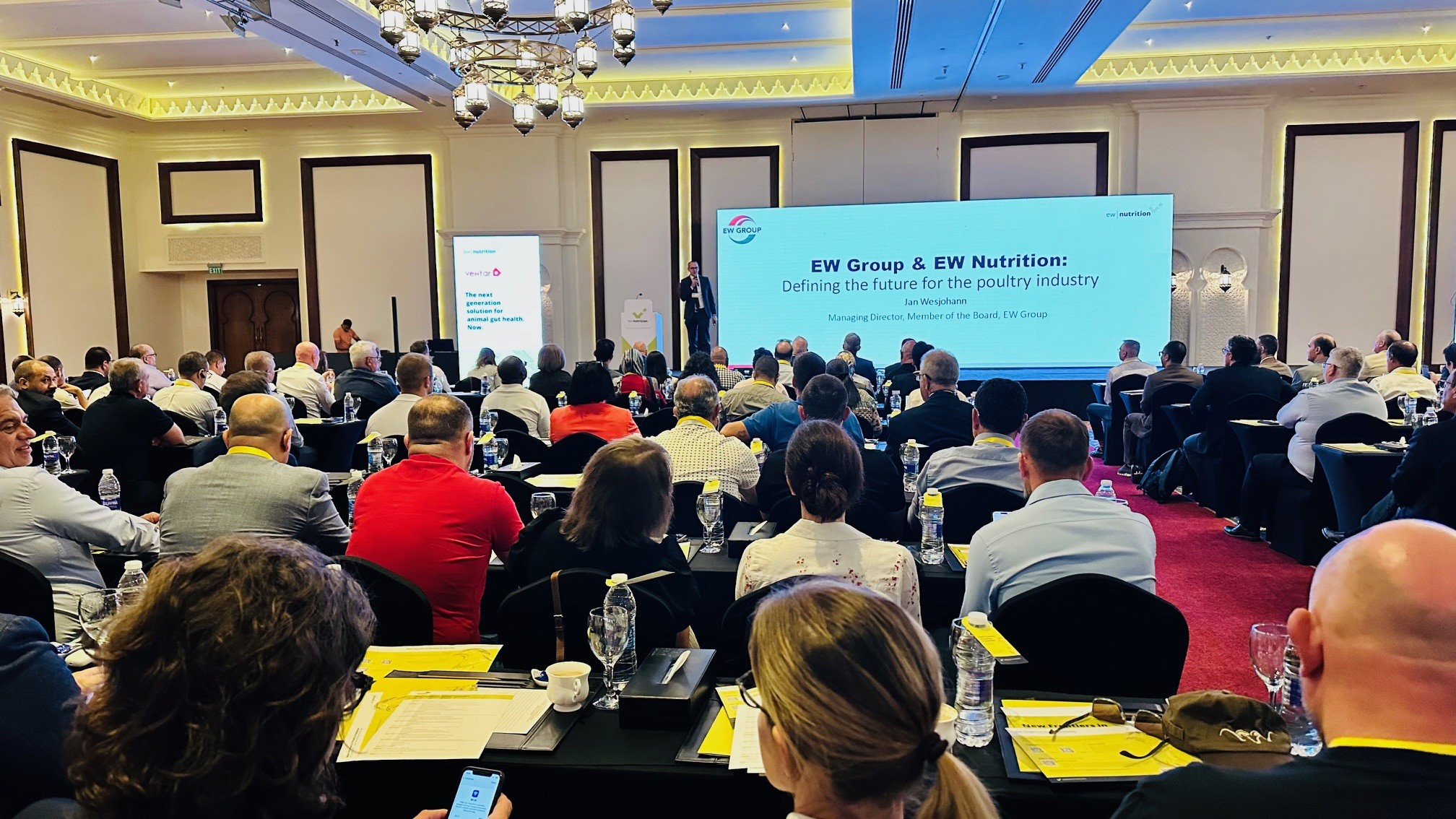
EW Nutrition’s Swine Academy took place in Ho Chi Minh City and Bangkok in October 2024. Dr. Jan Fledderus, Product Manager and Consultant at the S&C team at Schothorst Feed Research, with a strong focus on continuously improving the price/quality ratio of the diets for a competitive pig sector and one of the founders of the Advanced Feed Package, was a reputable guest speaker in these events.


Dietary interventions for resilient poultry gut health in the AMR era

DSC

by Ajay Bhoyar, Global Technical Manager, EW Nutrition

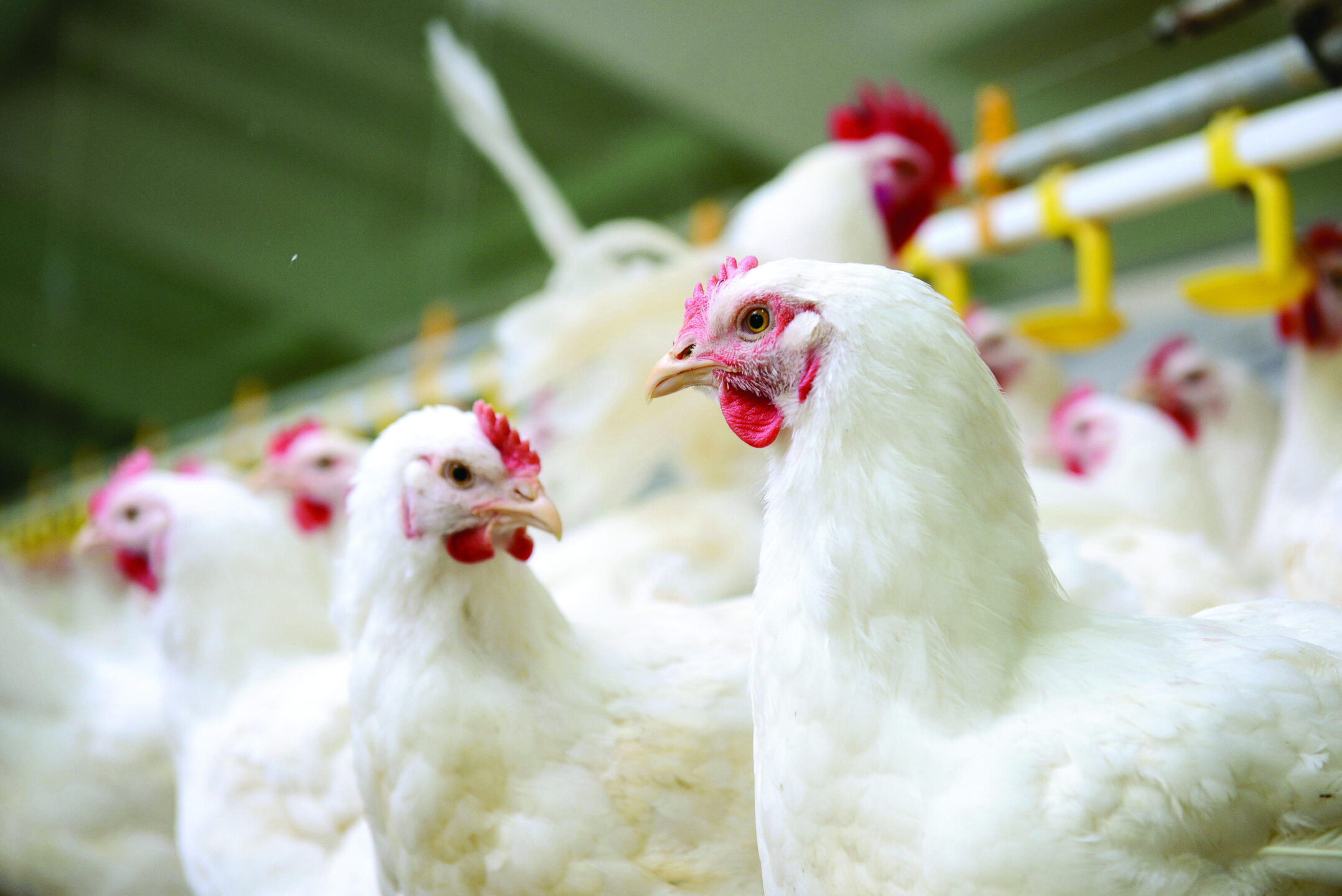
Gut health is critical for profitable poultry production, as the gastrointestinal tract (GIT) plays a dual role in nutrient digestion and absorption while serving as a crucial defense against pathogens. A healthy gut enables efficient feed conversion, robust immune function, and resilience against diseases, reducing reliance on preventive and therapeutic antibiotics. Optimum gut health has become increasingly important in poultry production to combat antimicrobial resistance (AMR), a pressing global challenge threatening animal agriculture and public health.

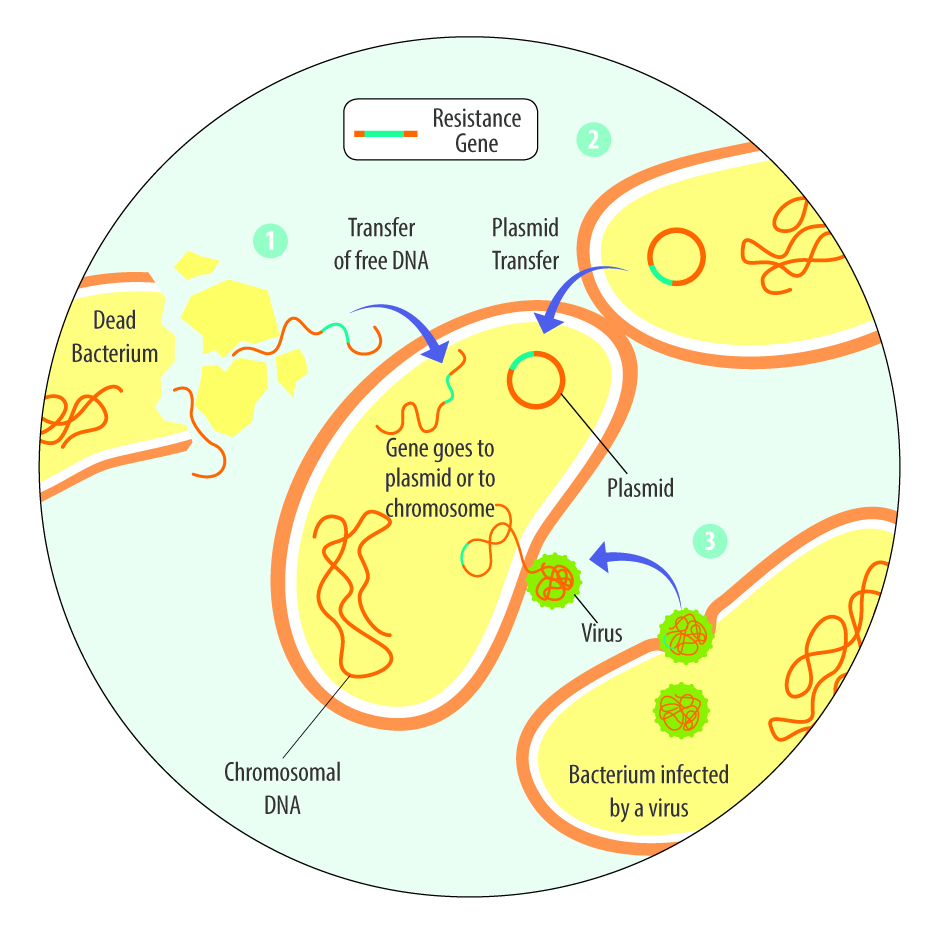
AMR arises when bacteria develop antibiotic resistance, often due to overuse or misuse in human and animal settings. Predictive models suggest that by 2050, AMR could result in 10 million annual deaths and a 2.0%–3.5% reduction in global gross domestic production, amounting to economic losses between 60 and 100 trillion USD. In poultry, AMR compromises flock health, leading to higher mortality, reduced growth performance, and elevated treatment costs, directly impacting profitability. Additionally, resistant pathogens increase the risk of zoonotic disease transfer, posing serious food safety concerns.

Stricter regulations and rising consumer demand for antibiotic-free poultry products drive a shift toward sustainable, antibiotic-free production systems. However, A lack of understanding about strategies to replace AMU and their effectiveness under field conditions hampers change in farming practices (Afonso et al., 2024). Addressing AMR requires a holistic approach, encompassing enhanced biosecurity, innovative health-promoting strategies, and sustainable management practices. This paper explores practical dietary interventions to support poultry gut health while reducing dependency on antimicrobials, offering solutions for the long-term sustainability of poultry production.

Gut Mediated Immunity in Chickens

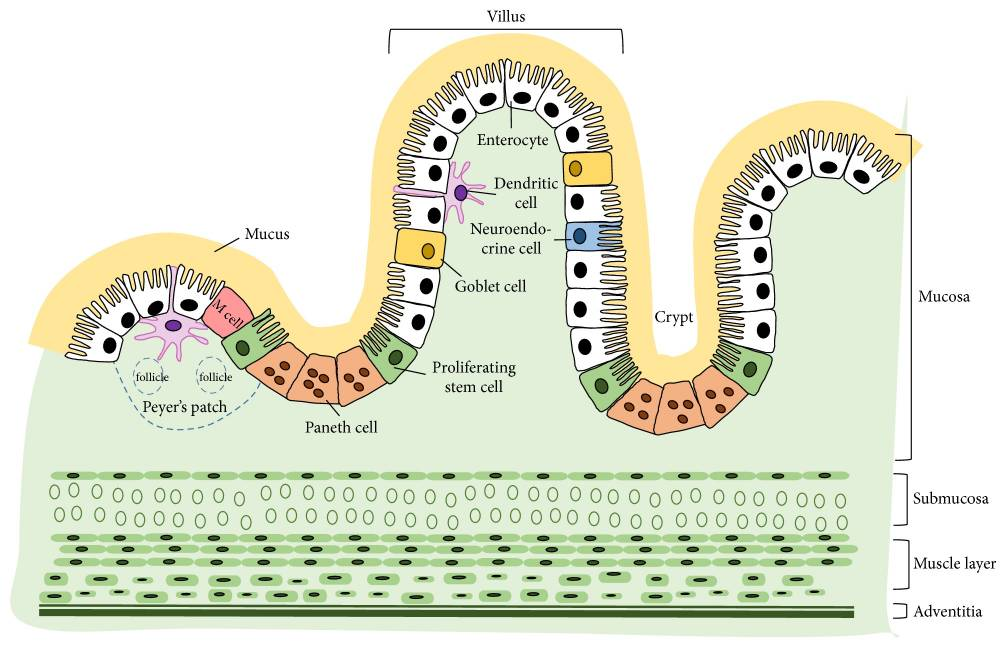
The gut is a critical component of the immune system, as it is the first line of defense against pathogens that enter the body through the digestive system. Chickens have a specialized immune system in the gut, known as gut-associated lymphoid tissue (GALT), which helps to identify and respond to potential pathogens. The GALT includes Peyer’s patches, clusters of immune cells in the gut wall, and the gut-associated lymphocytes (GALs) found throughout the gut. These immune cells recognize and respond to pathogens that enter the gut.

The gut-mediated immune response in chickens involves several mechanisms, including activating immune cells, producing antibodies, and releasing inflammatory mediators. GALT and GALs play a crucial role in this response by identifying and responding to pathogens and activating other immune cells to help fight off the infection.

The gut microbiome is a diverse community of microorganisms that live in the gut. These microorganisms can significantly impact the immune response. Certain beneficial bacteria, for example, can help stimulate the immune response and protect the gut from pathogens.

Overall, the gut microbiome, GALT, and GALs work together to create an environment hostile to pathogens while supporting the growth and health of beneficial microorganisms.

Key Factors Affecting Poultry Gut Health

The key factors affecting broiler gut health can be summarized as follows:

  1. Early gut development: Gut-associated immunity responds to early feeding and dietary nutrients and is critical for protecting against exogenous organisms during the first week of life post-hatch.
  2. Feed and Water Quality: The form, type, and quality of feed provided to broilers can significantly impact their gut health. Consistently available cool and hygienic drinking water is crucial for optimum production performance.
  3. Stressors: Stressful conditions, such as high environmental temperatures or poor ventilation, can lead to an imbalance in the gut microbiome and an increased risk of disease.
  4. Infections and medications: Exposure to pathogens or other harmful bacteria can disrupt the gut microbiome and lead to gut health issues. A robust immune system is important for maintaining gut health, as it helps to prevent the overgrowth of harmful bacteria and promote the growth of beneficial bacteria.
  5. Biosecurity: Keeping the poultry environment clean and free of pathogens is crucial for maintaining gut health, as bacteria and other pathogens can quickly spread and disrupt the gut microbiome.
  6. Management practices: Best practices, including proper litter management, can help maintain gut health and prevent gut-related issues.

Dietary Interventions for Optimum Gut Health

Gut health means the absence of gastrointestinal disease, the effective digestion and absorption of feed, and a normal and well-established microbiota (Bischoff, 2011). Various dietary measures can be taken to support the healthy functioning of the GIT and host defense. Water and feed safety and quality, feeding management, the form the feed is provided in (e.g., pellets), the composition of the diet, and the use of various feed additives are all tools that can be used to support health (Smits et al., 2021).

Various gut health-supporting feed additives, including organic acids, probiotics, prebiotics, phytochemicals/essential oils, etc., in combination or alone, have been explored as an alternative to antimicrobials in animal production. There were differences in the impacts of the strategies between and within species; this highlights the absence of a ‘one-size-fits-all’ solution. Nevertheless, some options seem more promising than others, as their impacts were consistently equivalent or positive when compared with animal performance using antimicrobials (Afonso et al., 2024). Including insoluble fibers, toxin binders, exogenous enzymes, and antioxidants in the feed formulations also play a crucial role in gut health optimization, which goes beyond their primary functions to combat AMR challenges.

ABR

Fig. 1: Multifactorial approach to gut health management in reduced antimicrobial use

Organic Acids

The digestive process extensively includes microbial fermentation, and as a result, organic acids are commonly produced by beneficial bacteria in the crop, intestines, and ceca (Huyghebaert et al., 2010). Organic acids’ inclusion in the poultry diet can improve growth performance due to improved gut health, increased endogenous digestive enzyme secretion and activity, and nutrient digestibility. Butyrate is highly bioactive in GIT. It increases the proliferation of enterocytes, promotes mucus secretion, and may have anti-inflammatory properties (Bedford and Gong, 2018; Canani et al., 2011; Hamer et al., 2008). These effects suggest that it supports mucosal barrier function. Butyrate is becoming a commonly used ingredient in diets to promote GIT health.

Including organic acids in the feed can decontaminate feed and potentially reduce enteric pathogens in poultry. Alternately, the formaldehyde treatment of feed is highly effective at a relatively low cost (Jones, 2011; Wales, Allen, and Davies, 2010).

Organic acids like formic and citric acid are also used in poultry drinking water to lower the microbial count by lowering the water’s pH and preventing/removing biofilms in the water lines. By ensuring feed and water hygiene, producers can minimize pathogen exposure, enhance bird health, and significantly reduce their reliance on antibiotics.

Probiotics, Postbiotics, Prebiotics and Synbiotics

Probiotics and prebiotics have drawn considerable attention to optimizing gut health in animal feeds. Probiotic supplementation could have the following effects: (1) modification of the intestinal microbiota, (2) stimulation of the immune system, (3) reduction in inflammatory reactions, (4) prevention of pathogen colonization, (5) enhancement of growth performance, (6) alteration of the ileal digestibility and total tract apparent digestibility coefficient, and (7) decrease in ammonia and urea excretion (Jha et al., 2020). Certain Lactobacilli or Enterococci species may be used with newly hatched or newborn animals; single or multi-strain starter cultures can be used to steer the initial microbiota in a desired direction (Liao and Nyachoti, 2017). Apart from using probiotics in feed and drinking water, probiotic preparations can be sprayed on day-old chicks in the hatchery or immediately after placement in the brooding house. This way, the probiotic strains/beneficial bacteria gain access to the gut at the earliest possible time (early seeding). Postbiotics are bioactive compounds produced by probiotics during fermentation, such as short-chain fatty acids, peptides, and bacterial cell wall components. Unlike live probiotics, postbiotics are stable, safer, and provide consistent health benefits.

Prebiotics like mannan-oligosaccharides (MOS), inulin, and its hydrolysate (fructo-oligosaccharides: FOS) play an important role in modulating intestinal microflora and potential immune response. Prebiotics reduce pathogen colonization in poultry and promote selective stimulation of beneficial bacterial species. Synbiotics are a combination of probiotics and prebiotics. This synergistic approach offers dual benefits by promoting the growth of beneficial bacteria and directly combating pathogens.

Dietary Fibers (DF)

The water-insoluble fibers are regarded as functional nutrients because of their ability to escape digestion and modulate nutrient digestion. A moderate level of insoluble fiber in poultry diets may increase chyme retention time in the upper part of the GIT, stimulating gizzard development and endogenous enzyme production, improving the digestibility of starch, lipids, and other dietary components (Mateos et al., 2012). The insoluble DF, when used in amounts between 3–5% in the diet, could have beneficial effects on intestinal development and nutrient digestibility.

Dietary fibers influence the development of the gizzard in poultry birds. A well-developed gizzard is a must for good gut health. Jiménez-Moreno & Mateos (2012) noted that coarse fiber particles are selectively retained in the gizzard, ensuring a complete grinding and a well-regulated feed flow. Secretion of digestive juices regulates GIT motility and feed intake. Including insoluble fibers in adequate amounts improves the gizzard function and stimulates HCl production in the proventriculus, thus helping control gut pathogens.

Toxin Risk Management

Mycotoxins may have a detrimental impact on the mucosal barrier function in animals (Akbari et al., 2017; Antonissen et al., 2015; Basso, Gomes and Bracarense, 2013; Pierron, Alassane-Kpembi and Oswald, 2016). Mycotoxins like Aflatoxin B1, Ochratoxin A, and deoxynivalenol (DON) not only suppress immune responses but also induce inflammation and even increase susceptibility to pathogens (Yuhang et al., 2023). To avoid intestinal health problems, poultry producers need to emphasize avoiding levels of mycotoxins in feedstuffs and rancid fats that exceed recommended limits (Murugesan et al., 2015; Grenier and Applegate, 2013).

Fusarium mycotoxin

Bacterial lipopolysaccharides (LPS), also known as endotoxins, are the main components of the outer membrane of all Gram-negative bacteria and are essential for their survival. In stress situations, the intestinal barrier function is impaired, allowing the passage of endotoxins into the bloodstream. When the immune system detects LPS, inflammation sets in and results in adverse changes in gut epithelial structure and functionality. Dietary Intervention to bind these endotoxins in the GIT can help mitigate the negative impact of LPS on animals. Given this, toxin risk management with an appropriate binding agent able to control both mycotoxins and endotoxins appears to be a promising strategy for reducing their adverse effects. Further, adding antioxidants and mycotoxin binders to feed can reduce the effects of mycotoxins and peroxides and is more necessary in ABF programs (Yegani and Korver, 2008).

Essential oils/Phytomolecules

Essential oils (EOs) are important aromatic components of herbs and spices and are used as natural alternatives for replacing antibiotic growth promoters (AGPs) in poultry feed. The beneficial effects of EOs include appetite stimulation, improvement of enzyme secretion related to food digestion, and immune response activation (Krishan and Narang, 2014)

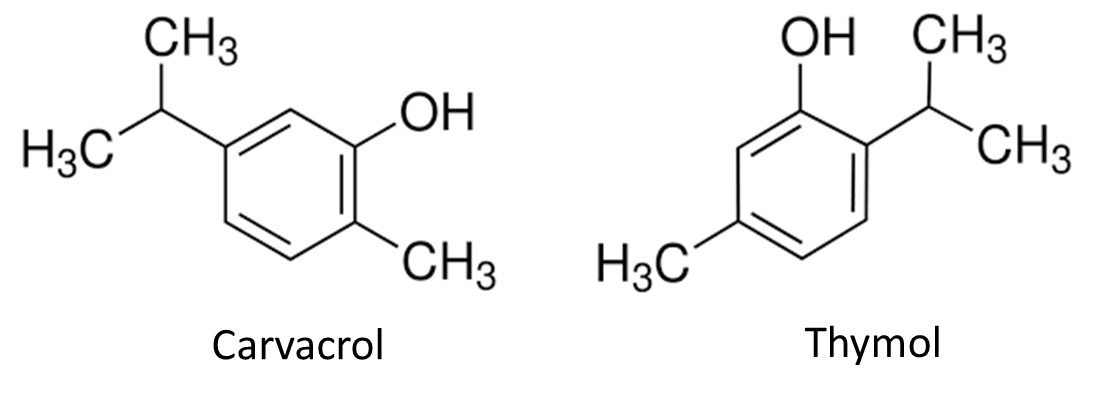
Essential oils (EOs), raw extracts from plants (flowers, leaves, roots, fruit, etc.), are an unpurified mix of different phytomolecules. The raw extract from Oregano is a mix of various phytomolecules (Terpenoids) like carvacrol, thymol and p-cymene. Whereas the phytomolecules are active ingredients of essential oils or other plant materials. Phytomolecule is clearly defined as one active compound.

These botanicals have received increased attention as possible growth performance enhancers for animals in the last decade via their beneficial influence on lipid metabolism, and antimicrobial and antioxidant properties (Botsoglou et al., 2002), ability to stimulate digestion (Hernandez et al., 2004), immune enhancing activity, and anti-inflammatory potential (Acamovic and Brooker, 2005). Many studies have been reported on supplementing poultry diets with some essential oils that enhanced weight gain, improved carcass quality, and reduced mortality rates (Williams and Losa, 2001). The use of some specific EO blends has been shown to have efficacy towards reducing the colonization and proliferation of Clostridium perfringens and controlling coccidia infection and, consequently, may help to reduce necrotic enteritis (Guo et al., 2004; Mitsch et al., 2004; Oviedo-Rondón et al., 2005, 2006a, 2010).

Salmonella

Antimicrobial properties of phytomolecules hinder the growth of potential pathogens. Thymol, eugenol, and carvacrol are structurally similar and have been proven to exert synergistic or additive antimicrobial effects when combined at lower concentrations (Bassolé and Juliani, 2012). In in-vivo studies, essential oils used either individually or in combination have shown clear growth inhibition of Clostridium perfringens and E. coli in the hindgut and ameliorated intestinal lesions and weight loss than the challenged control birds (Jamroz et al., 2006; Jerzsele et al., 2012; Mitsch et al., 2004). One well-known mechanism of antibacterial activity is linked to their hydrophobicity, which disrupts the permeability of cell membranes and cell homeostasis with the consequence of loss of cellular components, influx of other substances, or even cell death (Brenes and Roura, 2010; Solórzano-Santos and Miranda-Novales, 2012; Windisch et al., 2008; O’Bryan et al., 2015).

Apart from use in feed, the liquid phytomolecules preparations for drinking water use can prove to be beneficial in preventing and controlling losses during challenging periods of bird’s life (feed change, handling, environmental stress, etc.).  Liquid preparations can potentially reduce morbidity and mortality in poultry houses and thus the use of therapeutic antibiotics. Barrios et al. (2021) suggested that commercial blends of phytomolecule preparations may ameliorate the impact of Necrotic Enteritis on broilers. Further, they hypothesized that the effects of liquid preparation via drinking water were particularly important in improving overall mortality.

In modern, intensive poultry production, the imminent threat of resistant Eimeria looms large, posing a significant challenge to the sustainability of broiler operations. Eimeria spp., capable of developing resistance to traditional anticoccidial drugs, has become a pressing global issue for poultry operators. The resistance of Eimeria to traditional drugs, coupled with concerns over drug residue, has necessitated a shift towards natural, safe, and effective alternatives. It was found that if a drug to which the parasite has developed resistance is withdrawn from use for some time or combined with another effective drug, the sensitivity to that drug may return (Chapman, 1997).

Several phytogenic compounds, including saponins, tannins, essential oils, flavonoids, alkaloids, and lectins, have been the subject of rigorous study for their anticoccidial properties. Among these, saponins and tannins in specific plants have emerged as powerful tools in the fight against these resilient protozoa. Botanicals and natural identical compounds are well renowned for their antimicrobial and antiparasitic activity so that they can represent a valuable tool against Eimeria (Cobaxin-Cardenas, 2016). The mechanisms of action of these molecules include degradation of the cell wall, cytoplasm damage, ion loss with reduction of proton motive force, and induction of oxidative stress, which leads to inhibition of invasion and impairment of Eimeria spp. development (Abbas et al., 2012; Nazzaro et al., 2013). Natural anticoccidial products may provide a novel approach to controlling coccidiosis while meeting the urgent need for control due to the increasing emergence of drug-resistant parasite strains in commercial poultry production (Allen and Fetterer, 2002).

Role of Feed Enzymes Beyond Feed Cost Reduction

Feed enzymes have traditionally been associated with improving feed efficiency and reducing feed costs by enhancing nutrient digestibility. However, their role can extend well beyond economic benefits, profoundly impacting gut health and supporting reduced antimicrobial use in poultry production. Exogenous enzymes reduce microbial proliferation by reducing the undigestible components of feed, the viscosity of digesta, and the irritation to the gut mucosa that causes inflammation. Enzymes also generate metabolites that promote microbial diversity which help to maintain gut ecosystems that are more stable and more likely to inhibit pathogen proliferation (Bedford, 1995; Kiarie et al., 2013).

High dietary levels of non-starch polysaccharides (NSPs) can increase the viscosity of digesta. This leads to an increase in the retention time of the digesta, slows down the nutrient digestion and absorption rate, and may lead to an undesired increase in bacterial activity in the small intestine (Langhout et al., 2000; Smits et al., 1997). Further the mucosal barrier function may also be adversely affected. To solve this problem, exogenous enzymes, such as arabinoxylanase and/ or ß-glucanase, are included in feed to degrade viscous fibre structures (Bedford, 2000). The use of xylanase and ß-glucanase may also cause oligosaccharides and sugars to be released, of which certain, for example, arabinoxylan oligosaccharides, may have prebiotic properties (De Maesschalck et al., 2015; Niewold et al., 2012).

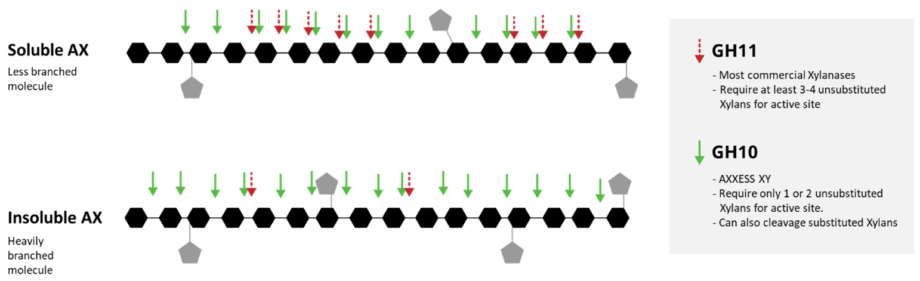
New generation xylanases coming from family GH-10 are known to effectively breakdown both soluble and insoluble arabinoxylans into a good mixture of smaller fractions of arabino-xylo-oligosaccharides (AXOS) and xylo-oligosaccharides (XOS), which exert a prebiotic effect in the GIT. Awati et.al. (2023) observed that a novel GH10 xylanase contributed to positive microbial shift and mitigated the anti-nutritional gut-damaging effects of higher fiber content in the feed. With a substantial understanding of the mode of action and technological development in enzyme technology, nutritionists can reliably consider new-generation xylanases for gut health optimization in their antibiotic reduction strategy.


Conclusions

The challenge of mitigating antimicrobial resistance (AMR) in poultry production necessitates a multidimensional approach, with gut health at its core. Dietary interventions, such as organic acids, probiotics, prebiotics, phytomolecules, toxin binders, and feed enzymes, promote gut resilience, enhance immune responses, and reduce reliance on antimicrobials. These strategies not only support the health and productivity of poultry but also address critical global issues of AMR and food safety.

While no single solution fits all circumstances, integrating these dietary tools with robust biosecurity measures, sound management practices, and continued research on species-specific and field-applicable strategies can pave the way for sustainable, antibiotic-free poultry production. The transition to such systems aligns with regulatory requirements and consumer expectations while contributing to global efforts against AMR.

Ultimately, embracing holistic and innovative dietary strategies ensures a resilient gastrointestinal environment, safeguarding poultry health and productivity while protecting public health and environmental sustainability for future generations.


References: The references can be made available upon request to the author.


Health management of nursery piglets through nutrition

Shutterstock CUT

Conference Report

An optimized gut function is essential for pigs’ overall health and performance. When managed correctly, gut health can significantly enhance growth, immunity, and productivity. However, if gut health is compromised, it can lead to lifetime negative impacts on a pig’s performance.

Early feed intake enhances GIT development

Dr. Edwards emphasized that good health and performance in the nursery are closely linked to maintaining feed intake, which is essential for developing stomach capacity and function. A larger stomach capacity increases the exposure to digestive enzymes and prolongs stomach dwell time.

Acid output takes time to develop and develops in response to substrate. It directly influences stomach pH and is closely related to pepsin output, which, on its part, influences protein digestibility and the risk of diarrhea.

Protein and immunity

Protein is a double-edged sword, warned Dr. Edwards:

  • Excess or undigested protein can create inflammation and oxidative stress in the body. This occurs when the metabolism of surplus protein leads to the production of reactive oxygen species (ROS), which can damage cells and tissues, further exacerbating inflammatory responses. Chronic inflammation may impair immune responses, making pigs more susceptible to infections and diseases.
  • On the other hand, a deficiency in amino acids can limit immune response. Amino acids do more than build muscle – they are critical for synthesizing antibodies and other immune-related proteins. Without adequate levels, pigs may struggle to mount effective immune responses, increasing their vulnerability to pathogens.

Table 1: Effects of amino acids on pig gut health and functions (Yang & Liao, 2019)

Amino acid Functions
Glutamine/glutamate
  • Metabolic fuel for rapidly dividing cells, including lymphocytes, enterocytes
  • maintains or enhances villus height/crypt depth
  • enhances microbial diversity
  • is utilized to synthesize GSH and protect against oxidative stress
  • stimulates both innate and adaptive immunity
Arginine
  • promotes intestinal healing and reverses intestinal dysfunction
  • has anti-inflammatory effects
Cysteine
  • is utilized to synthesize GSH (antioxidant)
  • utilized to synthesize taurine (antioxidant/cell membrane stabilizer)
  • utilized for mucin synthesis (physical protection)
Threonine
  • utilized for mucin synthesis
  • important component of immunoglobulins
  • enhances microbial diversity
Glycine
  • anti-inflammatory effects
  • utilized to synthesize GSH (antioxidant)
Methionine
  • acts as an antioxidant by protecting other proteins against oxidative damage
  • important for the proliferation of lymphocytes

Diets should be formulated to all ten essential amino acids (arginine, histidine, isoleucine, leucine, lysine, methionine, phenylalanine, threonine, tryptophan, and valine) while ensuring a ratio of about 50:50 for essential amino acids to non-essential amino acids is optimal for nitrogen retention and utilization in pigs.

During immune challenges, the pig’s amino acid requirements, including methionine, cysteine, tryptophan, threonine, and glutamine, increase relative to lysine. Well-known examples are threonine, a key component of mucin (and immunoglobulins), supporting gut health and integrity during stress, and glutamine, a major energy source for rapidly dividing cells in the immune system.

Microbiome evolution and modulation

The microbiota of the pig evolves from birth up to about 20 weeks of age. The alpha diversity (the number of species) and species richness increase with age. The pig microbiome consists of both permanent members that establish stable populations throughout life and transient members that may fluctuate based on dietary changes or environmental factors.

Microbiome modulation through the diet

Diet can influence the rate and maturity of microbiota evolution. For instance, diets rich in fiber and specific carbohydrates can promote the growth of beneficial bacteria such as Lactobacillus and Bifidobacterium. In contrast, diets high in protein can increase potentially harmful bacteria if not appropriately balanced.

Understanding these dynamics is critical for optimizing nutrition strategies that support gut health and overall performance in pigs. Proper management of dietary components can lead to healthier microbiomes, enhancing nutrient absorption and immune responses throughout the pig’s life.

The following strategies accelerate the maturation of the microbiome, the gut, and the immune system:

  • Promoting and maintaining feed intake: consistent feed intake is crucial for microbial development. Early access to solid feed helps establish a diverse microbiome.
  • Raw material continuity: variability in feed composition can disrupt microbial communities, leading to dysbiosis. A step-wise approach to diet changes, with a broad range of ingredients at low inclusion levels, is recommended.
  • Regulating digest transit time: the rate at which digesta moves through the gastrointestinal tract affects nutrient absorption and microbial colonization. Strategies to optimize transit time, such as increasing particle size and incorporating insoluble fibers, can enhance nutrient digestibility and promote a healthy microbiome by allowing beneficial microbes to thrive.
  • Feeder access: adequate access to feeders encourages regular feeding behavior, supporting consistent nutrient intake and microbial activity. Frequent feeding can help maintain stable gut conditions conducive to microbial growth.
  • Inert fiber: helps maintain gut motility and provides substrates for beneficial bacteria, contributing to a balanced microbiome.
  • Minimizing stress: stress can negatively impact gut integrity and microbial balance, increasing susceptibility to infections and other health issues.
  • Limiting the use of antibiotics helps preserve the natural gut microbiota, which is essential for maintaining health and preventing disease. The use of antibiotics can lead to dysbiosis, making pigs more vulnerable to infections and impairing immune responses.

Limitations in the use of AGPs, Zn, and Cu require rethinking in pig nutrition

Reduced access to in-feed antibiotics and pharmacological levels of zinc and copper have exposed nutritional shortcomings for nursery pigs. Preventive strategies through nutrition, carefully designed diets, and optimal use of eubiotics and functional ingredients are the keys to getting pigs off to a healthy and efficient start.

Nursery nutrition programs should be designed for long-term gut health, efficiency, and functionality. The level of investment will depend on the weaning age/weight, health status, labor quality, etc., noted Dr. Edwards.

EW Nutrition’s Swine Academy took place in Ho Chi Minh City and Bangkok in October 2024. Dr. Megan Edwards, an Australian animal nutrition consultant with global research and praxis experience and a keen interest in immuno-nutrition and functional nutrients, was an esteemed guest speaker at this event.


Rearing pigs without antibiotics

HIGH Shutterstock Header

Conference Report

Holistic management is essential for successfully rearing pigs, particularly in systems that aim to minimize antibiotics. The method emphasizes the interconnectedness of various factors contributing to sustainable pig health and productivity. Some of the key components of this holistic management were discussed by Dr. Seksom.

Sow lifetime productivity

Suggested targets for sow lifetime productivity are

  • >70 marketed fattening pigs
  • At least 6 parities with at least 10.5 pigs marketed per parity
  • 25 fattening pigs/sow/year (2.4 parities/year x 10.5 fattening pigs)

To achieve these targets, we need 29.2 born alive piglets/sow/year (or 12.2 born alive piglets/parity), and it is essential to control losses during each production period: <10% pre-weaning, <3% during nursery, and <2% in fattening.

Since the occurrence of African swine fever (ASF), with improved genetics, we can now produce pigs with 120 kg+ bodyweight at slaughter without carcass problems and reach about 3 tons of bodyweight/sow/year, compared to around 2 tons before.

Modern pig genetics and subsequent problems

Despite the advancements in modern pig genetics leading to improved production and bigger litters, several ensuing problems have emerged:

  • Less average body weight of piglets at birth
  • Large number of piglets born with less than 1.0 kg (target <5%)
  • High pre-weaning mortality
  • High post-weaning mortality and morbidity

Dr. Seksom highlighted that birthweights decrease with increasing sow prolificacy. He stated that “piglets should be divided into groups with similar body weights at weaning” and that “a key objective for successful weaning is a piglet that weighs a minimum of 6-6.5 kg at three weeks of age, and that less than 25% of the piglets have a weight of ≤5.9 kg.”

Sow body condition

Sows should be fed to feed to body condition score (BCS), not a fixed amount of feed. Ideally, the sows have a BCS of 2.75 (the sow’s backbone is visible, and the tips of the short ribs can be felt but are smooth) or 3.0 (well-rounded appearance, hips, and spine can only be felt with firm pressure) at 12 weeks of pregnancy, so we can feed more in the last month to achieve a BCS of 3-3.25 at farrowing. This is essential to ensure that sows have sufficient energy reserves for lactation and overall health.

Target body condition score – 2.75 at three months of gestation

Screenshot


Feed intake must be increased gradually during the last month of gestation as most fetal growth and mammary gland development occur during this period. This may involve raising energy-dense feeds or adjusting protein levels as needed.

Dr. Seksom stressed that “nutrition is not just the feed; it’s about feeding as well. To feed sows to BCS, assessments of BCS should be done regularly throughout gestation, ideally every 2-4 weeks. This allows for timely adjustments in feeding based on individual sow’s needs. Ensure that staff are trained one-on-one to accurately assess the body condition of sows. This includes recognizing the visual and tactile indicators of different scores and understanding how BCS impacts reproductive performance, longevity, and overall farm profitability.”

After farrowing, the sows must be monitored closely for any signs of excessive weight loss and feeding strategies adjusted accordingly to support recovery and lactation needs.

Piglet diarrhea

Many factors cause diarrhea and must be thoroughly investigated. For bacteria-caused diarrhea, Dr. Seksom advised a good hygiene program, whereas for viral causes, a vaccination program is essential. However, he emphasized that “for a vaccination program, you can’t just copy from another farm; it needs to be created specifically using the titers for diseases on your farm.”

Swine influenza is an often-overlooked cause of diarrhea in piglets. While it is primarily recognized for causing respiratory issues, the virus can also lead to scours in the first two weeks of piglets’ life. So, sows should be checked for symptoms of swine influenza (such as nasal discharge, sneezing and coughing, and inappetence) before farrowing. If necessary, they must be treated with paracetamol to reduce fever and symptoms.

Main disease causes of pre-weaning diarrhea

Nursery period Mortality level
Days 1-3 Days 3-7 Days 7-14 Days 14-21
Agalactia Moderate
Clostridia High
Coccidiosis Low
E. coli Moderate
PED Variable
PRRS Variable
Rotavirus Low
TGE High
Influenza Low

Ensuring colostrum intake

The intake of an adequate quantity of colostrum is crucial for piglets to be protected during the first days of life. Best practices to ensure that piglets get 250 mL of colostrum include:

  • Teat access – if a sow has a large litter or is unable to nurse all her piglets effectively, consider split suckling by separating larger, more vigorous piglets from the litter for a couple of hours after birth. This allows smaller or weaker piglets better access to the udder without competition. Syringe-feeding colostrum to smaller piglets is also effective.
  • Early access – six hours after farrowing, the quality of colostrum begins to decline significantly. Additionally, the piglet can only absorb intact large IgG molecules, the major source of passive immunity, during the first 24 h after birth, prior to gut closure. In any case, by this time, the sow will start producing milk and not colostrum.
  • Sow behavior – if a sow experiences pain or discomfort from injuries caused by her piglets’ teeth, she may become less willing to allow them to nurse, leading to delays in colostrum intake. Genetic background influences maternal behavior significantly. For example, some breeds exhibit stronger maternal instincts and better nursing
    behaviors than others. Selecting sows with proven good maternal traits can lead to improved outcomes in piglet survival and growth.
  • Drafts – newborn piglets are born with low fat reserves and are highly susceptible to hypothermia. Drafts significantly impact the effective temperature experienced by piglets.
  • Staff training – Staff must be trained to recognize signs of distress in both sows and piglets; training in techniques enables them to assist with nursing and feeding, which is crucial for timely interventions.

PIGLET Shutterstock Cmyk Smaller

Weaning is a process, not just a one-time event

Research has shown that heavier piglets at weaning have better lifetime performance than lighter ones. Weaning weight is a more accurate indication of post-weaning growth than either birth weight or age. It is, therefore, important to establish the weaner immediately post-weaning to maintain growth rates, reduce pen variation, and lessen the amount of ‘tail-enders’ at the point of sale.

Dr. Seksom emphasized that “viewing weaning merely as a single event, rather than a process, overlooks the complexities involved in ensuring a smooth transition for the animals. He advocated for a comprehensive approach to weaning that includes the shown well-planned steps to support piglets during this critical phase. If the weaning process is managed effectively, you can significantly reduce the need for antibiotics.”

Conclusion

“By integrating these holistic management strategies, pig producers can effectively raise pigs without antibiotics while promoting animal health, improving productivity, and addressing consumer concerns about antibiotic use in livestock production,” summarized Dr. Seksom.

EW Nutrition’s Swine Academy took place in Ho Chi Minh City and Bangkok in October 2024. Dr. Seksom Attamangkune, a leading expert in the nutrition and management of pigs in tropical conditions and former Head of the Animal Science Department and Dean of the Faculty of Agriculture at Kamphaeng Saen, Kasetsart University, was a reputable guest speaker at this event.


EU Agricultural Outlook 2024-2035: Projected Trends and Challenges

Wheat

by Ilinca Anghelescu, Global Director Marketing & Communications, EW Nutrition

The European Union (EU) agricultural sector is confronted with challenges and uncertainties stemming from the geopolitical risks, extreme weather events, and evolving market demand. The EU Agricultural Outlook 2024-2035, published last month, highlights the anticipated trends, challenges, and opportunities facing the sector over the medium term, given several considerations likely shaping the future.

Initial considerations for EU agricultural trends

Macroeconomic context

The EU’s real GDP growth is expected to stabilize, contributing to a stable economic environment for agriculture. Inflation rates are projected to return to the European Central Bank’s target of 2% by 2025. Exchange rates will see the Euro slightly appreciating against the US dollar, and Brent crude oil prices are anticipated to stabilize in real terms at approximately $102 per barrel by 2035.

However, despite optimistic declarations in the recent past, we have not solved world hunger. Population growth in lower-income parts of the world is leading to an unequal distribution and, after an initial dip, the number of people going to bed hungry is expected to rise again. Moreover, in the next ten years some improvements are foreseen but no massive changes are expected in the percentage of food groups and calories available per capita.

Number Of People Undernourished

Climate change impact

Climate change is reshaping EU agriculture by affecting critical natural resources such as water and soil. Agroclimatic zones are shifting northwards, with implications for crop cultivation patterns. For example, regions traditionally suitable for wheat may increasingly shift focus to other crops better adapted to new climate conditions.

Consumer demand

Consumer awareness of sustainability is driving significant shifts in dietary preferences in the EU. The demand for plant proteins like pulses is increasing, while meat consumption, particularly beef and pork, is declining due to environmental and health concerns. Conversely, demand for fortified and functional dairy products is on the rise.

Growth For Selected Animal Products

What are the projected agricultural trends in 2024-2035?

Arable crops

  • Land use: While the total agricultural land in the EU remains stable, a shift in crop focus is anticipated. Land allocated for cereals and rapeseed is expected to decline, making way for soya beans and pulses due to reduced feed demand and policy incentives for plant proteins.
  • Cereals: Production of cereals, including wheat, maize, and barley, is forecast to stabilize with minor yield increases due to advancements in precision farming and digitalization. Wheat production is set to recover after an expected dip in 2024.

Dairy Sector

  • Milk production: Although milk yields are projected to increase due to improved genetics and farming practices, the decline in the dairy cow herd will result in a slight overall reduction in milk production by 2035.
  • Dairy products: The production of cheese and whey will grow steadily, driven by domestic and international demand. Conversely, the consumption of drinking milk is expected to decline, while demand for fortified and functional dairy products grows.

Meat Sector

  • Beef and veal: Beef production is expected to decrease by 10%, with the EU cow herd shrinking by 3.2 million head by 2035. This decline is attributed to sustainability concerns, high production costs, and changing consumer preferences. Beef consumption is also projected to decline, driven by high prices and a preference for plant-based alternativesBeef And Veal Market Balance.
  • Pig meat: The sector faces a projected annual production decline of 0.9%, equating to a reduction of nearly 2 million tons compared to 2021-2023 levels. This trend is largely influenced by concerns over sustainability and a declining preference for fatty meats.Pig Meat Market Balance
  • Poultry: In contrast, poultry production is forecast to increase due to its healthier image, lower cost, and minimal cultural or religious constraints. However, the growth rate will be slower than in the previous decade.Poultry Meat Market Balance

Meat Per Capita

Upcoming challenges in agriculture

Climate Resilience

The increasing frequency of extreme weather events requires investments in resilient farming practices. Adoption of precision farming and crop diversification is critical to mitigate climate impacts. However, if existing policies are further implemented, greenhouse gas emissions are expected to see a significant decline.

GHG Emissions Change

Policy Frameworks

The Common Agricultural Policy (CAP) plays a pivotal role in steering the sector toward sustainability. However, farmers face challenges in adapting to stricter environmental regulations and securing sufficient funding for transitions. The recent Mercosur agreement has already stirred dissent in EU countries that fear unfettered competition without similar policy regulations.

Market Dynamics

Global trade tensions and competition in agricultural markets pose significant risks. While the EU remains a net exporter, dependence on imports for certain crops, such as soya beans, highlights vulnerabilities in supply chains.

In a weather-shock scenario for the EU feed supply chain, the report highlights that increased feed prices would drive up retail meat prices by 10% for poultry and pork producers, and 5% for beef and veal producers. The increase would be less abrupt for retail prices, rising by 3% for pork, and 4% for poultry meat. Producers need to be mindful of the absorbed costs of these potential shocks.

Conclusion

The EU agricultural sector must continue to balance productivity, sustainability, and consumer preferences. While advancements in technology and policy frameworks offer pathways to resilience, addressing challenges such as climate change and market dynamics will be critical to achieving long-term goals.


BioStabil Plus improves grass silage quality and cattle profitability

Image

by Dr. Vesna Jenkins, Global Product Manager, EW Animal Care

Making silage enables the farmer to store forage, providing a cost-effective feed when required. From silage making through to feeding out, however, the challenge is to ensure that valuable dry matter, energy and protein are not lost. Any losses would require supplementation from other sources at extra cost. In the case of protein, farmers would need to purchase additional soybean meal, for example, to maintain cow productivity.

Clostridia: The Main Villain

One of the greatest challenges to making good silage is the presence of Clostridia bacteria, which can negatively impact animal health, performance and profitability. These bacteria pose a health risk to both beef and dairy cattle and can negatively influence cheese quality through the late blowing defect.

During the ensiling process, Clostridia break down protein, reducing silage nutritional value, and produce butyric acid, which decreases silage palatability and affects feed intake. Clostridia can easily enter through soil contamination and thrive in forage with low dry matter, high buffering capacity, or lower levels of soluble carbohydrates and nitrate.

Negative impacts of Clostridia

  • Health risk to cattle
  • Reduced nutritional value of silage
  • Declined feed intake, leading to diminished productivity
  • Late blowing defect in cheese

Trial results

A recent scientific trial by the Swedish University of Agricultural Sciences (SLU) tested the effect of BioStabil Plus silage inoculant on difficult to ensile grass-clover forage (28% DM) challenged with Clostridia. The research demonstrated a clear effect of BioStabil Plus on multiple parameters.

The application of BioStabil Plus to glass-clover forage resulted in:

  • Improved dry matter (DM) retention (Figure 1)
  • Enhanced protein preservation (Figure 2)

Both outcomes contribute to feed cost savings.

Figure 1. Significantly lower dry matter loss in grass-clover silage treated with BioStabil Plus (90 days past ensiling, P<0.001). Source: Swedish University of Agricultural Sciences and EW Nutrition.


Figure 2. Less ammonia-N with BioStabil Plus, significantly higher protein preservation (90 days past ensiling, P<0.001). Source: Swedish University of Agricultural Sciences and EW Nutrition.

Benefits of BioStabil Plus

Protection Against Nutrient Loss –  BioStabil Plus protects against dry matter, energy, and protein losses in the fermentation period. It contains the rapid-growing lactic-acid-producing homofermentative strain L. plantarum DSM 19457, ensuring sufficient lactic acid production for a rapid pH drop in ensiled forage (Figure 3).

Figure 3. Lower pH in grass-clover silage challenged with Clostridia and treated with BioStabil Plus compared to Clostridia challenged forage without inoculant (90 days past ensiling, P<0.001). Source: Swedish University of Agricultural Sciences and EW Nutrition.


Reduction of Clostridial Load – BioStabil Plus reduces the Clostridial load as evidenced by significantly lower butyric acid production (Figure 4). Lower butyric acid content maintains silage palatability, feed intake, and avoids final dairy product quality issues.

Figure 4. Significantly lower butyric acid with BioStabil Plus showing minimal Clostridia presence (90 days past ensiling, P<0.001). Source: Swedish University of Agricultural Sciences and EW Nutrition.


Enhanced Aerobic Stability –  BioStabil Plus contains heterofermentative strains L. buchneri DSM 19455 and L. brevis DSM 23231, producing an optimal level of acetic acid for enhanced aerobic stability during the feed-out phase. An EFSA scientific opinion on L. brevis DSM 23231 specifically outlines its ability to reduce Clostridia risk.

Protecting your profit margin

BioStabil Plus protects against the growth of undesirable bacteria such as Clostridia, yeasts and molds during and after ensiling, helping prevent loss of valuable dry matter, energy and protein from the silage.

Producing high-quality, palatable, well-preserved silage ensures that the investment in silage making is not wasted. Most importantly, the preserved energy and protein maximize profitability through higher production of milk or meat and generate feed cost savings that support producers’ margins.

Contact your local EW Nutrition representative to access valuable resources and advice on all aspects of optimized silage management.


EW Nutrition welcomes two additions in key global roles

headervisual ewn

VISBEK, JANUARY 2025 – EW Nutrition confirms two names were added to key positions in its global team. From January 2025, Marie Gallissot and Nadia Yacoubi have joined the German-headquartered animal nutrition company.

Marie Gallissot joins as Category Manager Feed Quality Solutions, with a rich background and over 15 years’ experience in toxin solutions and feed management. She is going to oversee a portfolio comprising toxin binders, antioxidants, acidifiers and more, working in close collaboration with regional affiliates as well as connected platforms in EW Nutrition.

Nadia Yacoubi joins as Phytogenic Products Manager inside EW Nutrition’s Gut Health platform. With a doctoral degree in Veterinary Sciences, held jointly from Ghent and Nantes universities, she brings 10+ years of technical expertise in the field of gut health, as well as animal husbandry and food safety.

“We’ve had a quick and comprehensive onboarding in Germany,”, says Nadia Yacoubi, “and we’re both already joining meetings in EW Nutrition’s regional and global teams, which is a great way to hit the ground running.” With this hands-on approach, adds Marie Gallissot, “it’s easy to get acquainted with the people, the passion, and the energy driving EW Nutrition forward.”

Jan Vanbrabant, EW Nutrition’s CEO, welcomed them during the onboarding week, saying “We want to make sure we show them the full picture: who we are, where we are and where we want to be. And we are happy that they are such a great fit to our corporate culture, bringing expertise, integrity, team spirit, and an element of fun and passion.”

EW Nutrition is a global player in the animal health and nutrition industry, delivering solutions for gut health, feed quality, digestibility, and more. It is headquartered in Northern Germany and focuses on promoting sustainable growth through reduced FCR, natural support against challenges, reduced need for antibiotics, and planet-friendly protein production.

Nadia Yacoubi
Nadia Yacoubi

Marie Galissot
Marie Galissot


Press contact
marketing@ew-nutrition.com


Antimicrobial resistance in animal production workers, a serious challenge

DSC

With 73% of human-use antibiotics also used in food-animal production, antimicrobial resistance (AMR) is a pressing global health concern, particularly in contexts where humans and animals are in close proximity, such as in animal production facilities. This issue is exacerbated by the widespread use of antibiotics in livestock farming, which not only promotes resistance in bacteria but also poses direct risks to farm workers.

Antimicrobial resistance in farm workers in Denmark

In Denmark, a country renowned for its robust agricultural monitoring systems, significant strides have been made in tracking AMR. A comprehensive report from 2015 emphasized the occurrence of antimicrobial-resistant bacteria, particularly in livestock-associated methicillin-resistant Staphylococcus aureus (LA-MRSA). The Danish Integrated Antimicrobial Resistance Monitoring and Research Program (DANMAP) highlighted that farm workers frequently came into contact with these resistant pathogens, which posed occupational hazards and public health challenges (Bager et al., 2015). The program found that 88% of pigs carried LA-MRSA, and farm workers had significantly elevated exposure risks, particularly in intensive swine operations (DANMAP 2015 Report).

Antimicrobial resistance in farm workers in the US

Studies in the United States have revealed even more alarming statistics. Farm workers in intensive animal farming environments were found to be 32 times more likely to develop antibiotic-resistant infections than the general population. This increased risk was attributed to prolonged exposure to resistant bacteria and antibiotic residues in animal feed and the environment (Silbergeld et al., 2008). The close interaction between humans and animals in confined spaces fosters the transfer of resistant genes, making these workers a vulnerable group.

Mechanisms of resistance spread

The spread of AMR from livestock to humans can occur through several pathways:

  • Direct contact: Handling animals and exposure to manure or bodily fluids.
  • Airborne transmission: Dust particles containing resistant bacteria.
  • Contaminated food: Consumption of undercooked or improperly handled meat products.
  • Environmental contamination: Water and soil contaminated with antibiotics or resistant bacteria.

What can be done?

Even in countries where antimicrobials reduction legislation has been in place for almost two decades, such as Germany or Sweden, new resistance cases are constantly discovered. In supermarkets around the world, meat contaminated with antibiotic-resistant superbugs is still a common occurrence. And in antibiotic resistance hot spots, “from 2000 to 2018, P50 increased from 0.15 to 0.41 in chickens—meaning that 4 of 10 antibiotics used in chickens had resistance levels higher than 50%. P50 rose from 0.13 to 0.43 in pigs and plateaued between 0.12 and 0.23 in cattle” (Dall, 2019). These hot spots are spread across the globe, from south and northeast India, northeast China, north Pakistan, Iran, and Turkey, to the south coast of Brazil, Egypt, the Red River Delta in Vietnam, and areas surrounding Mexico City, Johannesburg, and more recently Kenya and Morocco.

Globally, antimicrobial use in animals is projected to increase by 67% by 2030, especially in low- and middle-income countries where regulatory frameworks are weaker. Denmark provides a successful model for mitigating these risks. Policies such as the “Yellow Card” scheme have reduced antibiotic use in pigs by promoting alternative husbandry practices and strict monitoring. This approach has also reduced the prevalence of resistant bacteria in animal populations, offering a replicable strategy for other nations (Alban et al., 2017).

Recommendations for mitigation

  • Strengthening surveillance: Programs like DANMAP should be implemented globally to monitor antibiotic usage and resistance trends in animals and humans.
  • Reducing antibiotic use: Phasing out non-therapeutic uses of antibiotics, particularly as growth promoters, and avoiding Critically Important Antimicrobials for Human Medicine.
  • Protecting workers: Providing personal protective equipment (PPE) and regular health screenings for farm workers.
  • Public awareness: Educating communities about the risks of AMR and promoting safe food handling practices.

The evidence from Denmark and the U.S. underscores the urgent need to address AMR in animal production settings. Protecting farm workers from AMR not only safeguards their health but also prevents the spread of resistant pathogens across the wider public.

References

Bager, F., et al. (2015). DANMAP 2014: Use of antimicrobial agents and occurrence of antimicrobial resistance in bacteria from food animals, food, and humans in Denmark. Retrieved from DANMAP Report.

Silbergeld, E. K., Graham, J., & Price, L. B. (2008). Industrial food animal production, antimicrobial resistance, and human health. Annual Review of Public Health, 29(1), 151-169.

Alban, L., et al. (2017). Assessment of the risk to public health due to use of antimicrobials in pigs—An example of pleuromutilins in Denmark. Frontiers in Veterinary Science, 4, 74. DOI.

Magnusson, Ulf et al. (2024). Chapter 3: Antimicrobial Resistance in Farm Workers and Its Public Health Implications. Advances in Animal Health and Welfare, SpringerLink, https://link.springer.com/chapter/10.1007/978-3-031-51788-4_3.

Dall, Chris. (2019) Antibiotic Resistance in Farm Animals Tied to Global Hot Spots. Center for Infectious Disease Research and Policy (CIDRAP), https://www.cidrap.umn.edu/antimicrobial-stewardship/antibiotic-resistance-farm-animals-tied-global-hot-spots.

Vaughan, Adam. (17 June 2024). Superbugs and E. coli present in Lidl chicken, campaigners find. Retrieved from The Times. https://www.thetimes.com/uk/healthcare/article/superbugs-and-e-coli-present-in-lidl-chicken-campaigners-find-0cncb6s0n

World Animal Protection. (2021). Antimicrobial resistance: The global threat of livestock antibiotic misuse. Retrieved from https://www.worldanimalprotection.us/siteassets/reports-programmatic/amr-2021-report.pdf


EW Nutrition appoints two new Regional Directors

headervisual ewn

VISBEK, 6 January 2025 – EW Nutrition, a leading player in the global animal health and nutrition industry, has appointed two top industry professionals to lead the SEAP and China teams, respectively. After another year of geographical and commercial expansion, EW Nutrition has recently announced that Gert-Jan Gerrits and Hai Xia Zhu will lead two of its most important growth regions.

Starting with January 1st, Hai Xia Zhu will lead EW Nutrition’s China team. With a background of more than 15 years in leadership roles in animal protein production, she takes over a growing business in a highly promising market. “EW Nutrition’s team in China has already demonstrated excellence in providing customer-centric solutions. I’m happy to lead the team into the next chapter of our growth.”

Also from January 1st, Gert-Jan Gerrits takes over the South East Asia and Pacific unit, bringing more than 20 years of experience leading teams in the animal farming, health, and nutrition industry. He will be located in Singapore. “I’m extremely pleased with the welcome I have received in EW Nutrition, and quite impressed with the range of powerful solutions and capabilities it brings to the SEAP market. I look forward to working with a team of high achievers,” says Gert-Jan Gerrits.

Jan Vanbrabant, EW Nutrition’s CEO, has already welcomed the two newcomers for an intense first week of onboarding at the German headquarters. “We provide top-tier solutions for animal gut health, toxin risk management, growth performance etc, and we now have a full team of top-tier executives leading EW Nutrition’s commercial expansion into a new era of growth. We welcome Gert-Jan and Hai Xia with open arms and wish them every success.”

At a time when other companies seem to divest or restructure, these are the latest appointments in a chain of remarkable top hires to EW Nutrition’s global team, reflecting the company’s commitment to solid growth around the world.

Hai Xia Zhu
Hai Xia Zhu

Gert Jan Gerrits
Gert Jan Gerrits


Press contact

marketing@ew-nutrition.com


Sustainability will push more by-products into pig feed – Keep track of mycotoxins!

Header DSC

Mycotoxin Team EW Nutrition

Most grains used in feed are susceptible to mycotoxin contamination, causing severe economic losses all along feed value chains. As skyrocketing raw material prices force producers to include a higher proportion of economical cereal by-products in the feed, the risks of mycotoxin contamination likely increase. This article reviews why mycotoxins cause the damage they do – and how effective toxin-mitigating solutions prevent this damage.

Mycotoxin contamination of cereal by-products requires solutions

Cereal by-products may become more important feed ingredients as grain prices increase. However, from a sustainability point of view and considering population growth, using cereal by-products in animal feed makes much sense. Distiller’s dried grains with solubles (DDGS) are a good example of how by-products from food processing industries can become high-quality animal feed.

Fefac Stats
Figure 1: By-products are a crucial protein source (data from FEFAC Feed&Food 2021 report)


Still, research on what happens to mycotoxins during food processing shows that mycotoxins are concentrated into fractions that are commonly used as animal feed (cf. Pinotti et al., 2016; Caballero and Heinzl, 2022). To safeguard animal health and performance when feeding lower-quality cereals, monitoring mycotoxin risks through regular testing and using toxin-mitigating solutions is essentialy.

Problematic effects of mycotoxins on the intestinal epithelium

Most mycotoxins are absorbed in the proximal part of the gastrointestinal tract. This absorption can be high, as in the case of aflatoxins (ca. 90%), but also very limited, as in the case of fumonisins (< 1%); moreover, it depends on the species. Notably, a significant portion of unabsorbed toxins remains within the lumen of the gastrointestinal tract.

Importantly, studies based on realistic mycotoxin challenges (e.g., Burel et al., 2013) show that the mycotoxin levels necessary to trigger damaging processes are lower than the levels reported as safe by EFSA, the Food Safety Agency of the European Union. The ultimate consequences range from diminished nutrient absorption to inflammatory responses and pathogenic disorders in the animal (Figure 2).

Figure Scheme
Figure 2: Mycotoxins’ impact on the GIT and consequences for monogastric animals

1. Alteration of the intestinal barrier‘s morphology and functionality

Several studies indicate that mycotoxins such as aflatoxin B1, DON, fumonisin B1, ochratoxin A, and T2, can increase the permeability of the intestinal epithelium of poultry and swine (e.g., Pinton & Oswald, 2014). This is primarily a consequence of the inhibition of protein synthesis.

As a result, there is an increase in the passage of antigens into the bloodstream (e.g., bacteria, viruses, and toxins). This increases the animal’s susceptibility to infectious enteric diseases. Moreover, the damage that mycotoxins cause to the intestinal barrier entails that they are also being absorbed at a higher rate.

2. Impaired immune function in the intestine

The intestine is a very active immune site, where several immuno-regulatory mechanisms simultaneously defend the body from harmful agents. Immune cells are affected by mycotoxins through the initiation of apoptosis, the inhibition or stimulation of cytokines, and the induction of oxidative stress.

3. Alteration of the intestinal microflora

Piglets ART

Recent studies on the effect of various mycotoxins on the intestinal microbiota show that DON and other trichothecenes favor the colonization of coliform bacteria in pigs. DON and ochratoxin A also induce a greater invasion of Salmonella and their translocation to the bloodstream and vital organs in birds and pigs – even at non-cytotoxic concentrations.

It is known that fumonisin B1 may induce changes in the balance of sphingolipids at the cellular level, including for gastrointestinal cells. This facilitates the adhesion of pathogenic bacteria, increases in their populations, and prolongs infections, as has been shown in the case of E. coli. The colonization of the intestine of food-producing animals by pathogenic strains of E. coli and Salmonella also poses a risk to human health.

4. Interaction with bacterial toxins

When mycotoxins induce changes in the intestinal microbiota, this can increase the endotoxin concentration in the intestinal lumen. Endotoxins promote the release of several cytokines that induce an enhanced immune response, causing inflammation, thus reducing feed consumption and animal performance, damage to vital organs, sepsis, and death of the animals in some cases.

The synergy between mycotoxins and endotoxins can result in an overstimulation of the immune system. The interaction between endotoxins and estrogenic agents such as zearalenone, for example, generates chronic inflammation and autoimmune disorders because immune cells have estrogen receptors, which are stimulated by the mycotoxin.

Increased mycotoxin risks through by-products? Invest in mitigation solutions

To prevent the detrimental consequences of mycotoxins on animal health and performance, proactive solutions are needed that support the intestinal epithelium’s digestive and immune functionality and help maintain a balanced microbiome in the GIT. This becomes even more important as the current market conditions will likely engender a long-term shift towards including more cereal by-products in animal diets.

Trial data shows that EW Nutrition’s toxin-mitigating solution SOLIS MAX 2.0 provides adequate protection against feedborne mycotoxins. The synergistic combination of ingredients in SOLIS MAX 2.0 prevents mycotoxins from damaging the animals’ gastrointestinal tract and entering the bloodstream and additionally acts as antioxidant and liver-protecting:

Figure MOA Solis Max
Figure 3: Moa of Solis Max 2.0

In-vitro study shows strong mitigation effects of SOLIS MAX 2.0 against a wide range of mycotoxins

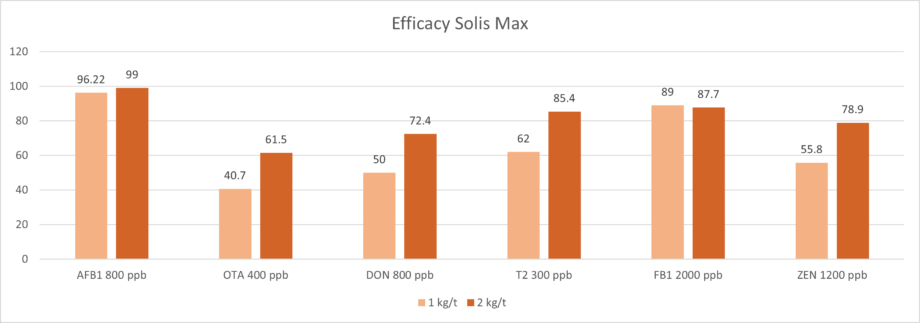
Animal feed is often contaminated with two or more mycotoxins, making it essential for an anti-mycotoxin agent to be effective against a wide range of different mycotoxins. A trial with SOLIS MAX 2.0 was conducted at an independent laboratory in Spain with an inclusion level of the product of 0.10% (equivalent to 1 kg per ton of feed). A phosphate buffer solution at pH 7 was prepared to simulate intestinal conditions in which a portion of the mycotoxins may be released from the binder (desorption). The following mycotoxins were evaluated in the test (see Table 1):

Table 1: Mycotoxin challenges

Table Efficacy Solis Max Table

Each mycotoxin was tested separately by adding a challenge to buffer solutions, incubating for one hour at 41°C, to establish the baseline (table). At the same time, a solution with the toxin challenge and Solis Max 2.0 was prepared, incubated, and analyzed for the residual mycotoxin to find the binding efficacy. All analyses were carried out using high-performance liquid chromatography (HPLC) with standard detectors.

Figure Efficacy Solis Max Mycotoxins
Figure 4: SOLIS MAX 2.0 (1 kg/t of feed) adsorption capacity against different mycotoxins (%)

The results (Figure 4) demonstrate that SOLIS MAX 2.0 is a highly effective solution against the most common mycotoxins in raw materials and animal feed.

Mycotoxin risk management for better animal feed

A healthy gastrointestinal tract is crucial to animals’ overall health: it ensures that nutrients are optimally absorbed, provides adequate protection against pathogens through its immune function, and is key to maintaining a well-balanced microflora. Even at levels considered safe by the European Union, mycotoxins can compromise different intestinal functions, resulting in lower productivity and susceptibility to disease.

The globalized feed trade, which spreads mycotoxins beyond their geographical origin, climate change, and raw material market pressures additionally escalate the problem. On top of rigorous testing, producers should mitigate unavoidable mycotoxin exposures by using solutions such as SOLIS MAX 2.0 – for stronger animal health, welfare, and productivity.

References

Antonissen, Gunther, An Martel, Frank Pasmans, Richard Ducatelle, Elin Verbrugghe, Virginie Vandenbroucke, Shaoji Li, Freddy Haesebrouck, Filip Van Immerseel, and Siska Croubels. “The Impact of Fusarium Mycotoxins on Human and Animal Host Susceptibility to Infectious Diseases.” Toxins 6, no. 2 (January 28, 2014): 430–52. https://doi.org/10.3390/toxins6020430.

Burel, Christine, Mael Tanguy, Philippe Guerre, Eric Boilletot, Roland Cariolet, Marilyne Queguiner, Gilbert Postollec, et al. “Effect of Low Dose of Fumonisins on Pig Health: Immune Status, Intestinal Microbiota and Sensitivity to Salmonella.” Toxins 5, no. 4 (April 23, 2013): 841–64. https://doi.org/10.3390/toxins5040841.

Burton, Emily J., Dawn V. Scholey, and Peter E. Williams. “Use of Cereal Crops for Food and Fuel – Characterization of a Novel Bioethanol Coproduct for Use in Meat Poultry Diets.” Food and Energy Security 2, no. 3 (September 19, 2013): 197–206. https://doi.org/10.1002/fes3.30.

Ghareeb, Khaled, Wageha A. Awad, Josef Böhm, and Qendrim Zebeli. “Impacts of the Feed Contaminant Deoxynivalenol on the Intestine of Monogastric Animals: Poultry and Swine.” Journal of Applied Toxicology 35, no. 4 (October 28, 2014): 327–37. https://doi.org/10.1002/jat.3083.

Mani, V., T. E. Weber, L. H. Baumgard, and N. K. Gabler. “Growth and Development Symposium: Endotoxin, Inflammation, and Intestinal Function in livestock1,2.” Journal of Animal Science 90, no. 5 (May 1, 2012): 1452–65. https://doi.org/10.2527/jas.2011-4627.
Obremski, K. “The Effect of in Vivo Exposure to Zearalenone on Cytokine Secretion by Th1 and Th2 Lymphocytes in Porcine Peyer’s Patches after in Vitro Stimulation with LPS.” Polish Journal of Veterinary Sciences 17, no. 4 (2014): 625–32. https://doi.org/10.2478/pjvs-2014-0093.
Oswald, I. P., C. Desautels, J. Laffitte, S. Fournout, S. Y. Peres, M. Odin, P. Le Bars, J. Le Bars, and J. M. Fairbrother. “Mycotoxin Fumonisin B1 Increases Intestinal Colonization by Pathogenic Escherichia Coli in Pigs.” Applied and Environmental Microbiology 69, no. 10 (2003): 5870–74. https://doi.org/10.1128/aem.69.10.5870-5874.2003.

Pinotti, Luciano, Matteo Ottoboni, Carlotta Giromini, Vittorio Dell’Orto, and Federica Cheli. “Mycotoxin Contamination in the EU Feed Supply Chain: A Focus on Cereal Byproducts.” Toxins 8, no. 2 (February 15, 2016): 45. https://doi.org/10.3390/toxins8020045.

Pinton, Philippe, and Isabelle Oswald. “Effect of Deoxynivalenol and Other Type B Trichothecenes on the Intestine: A Review.” Toxins 6, no. 5 (May 21, 2014): 1615–43. https://doi.org/10.3390/toxins6051615.