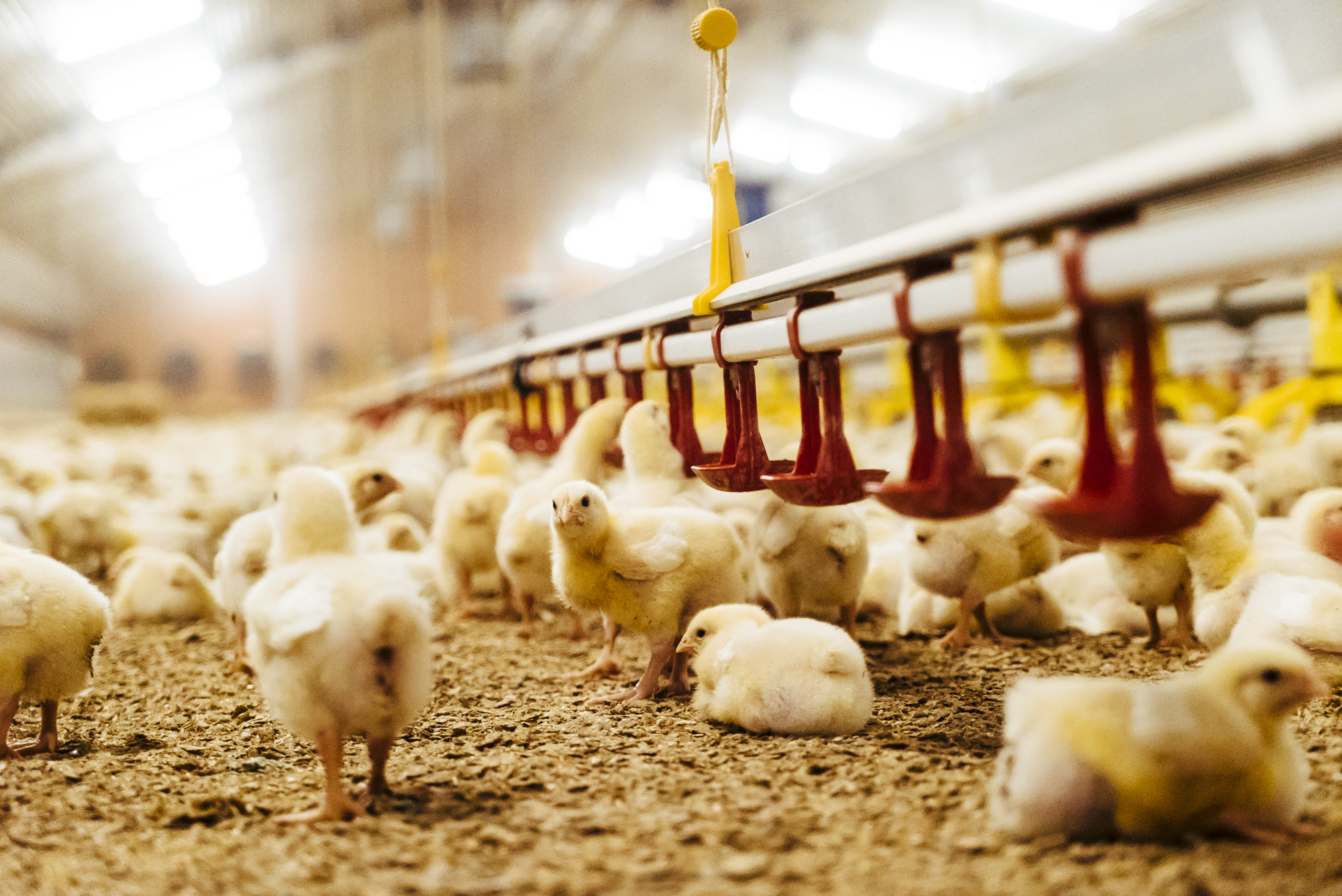
The lessons of 2025 for poultry and feed producers

by Ilinca Anghelescu, Global Director Marketing & Communications, EW Nutrition

2025 was a year defined by four converging forces for the global feed and animal production industry: an unprecedented HPAI crisis that cost American consumers alone $14.5 billion extra in egg expenditures; historic record corn production driving feed ingredient prices lower; a highly disruptive US tariff regime that reshuffled global trade flows for soybeans, corn, chicken, and pork; and accelerating regulatory pressure on antimicrobial use across Europe and globally.

The strategic imperatives from 2025 are clear: biosecurity investment is no longer optional, ingredient price volatility demands agile procurement strategies, trade compliance is a weekly operational concern, and antibiotic-free production transitions require credible, phased plans now.

KEY METRIC: Global chicken meat production reached approximately 105 million MT in 2025 (+2%), even as egg production suffered severely. The global feed market is valued at $542 billion in 2025, growing at 3.3% CAGR. Corn hit record production of 17 billion bushels in the US alone – the highest since 1936 in terms of harvested area.

DOWNLOAD THE REPORT HERE.

CHAPTER 1: HPAI & DISEASE LANDSCAPE 


1.1  The Ongoing H5N1 Crisis – Scale & Impact

The H5N1 clade 2.3.4.4b strain of Highly Pathogenic Avian Influenza (HPAI) continued to dominate animal health headlines in 2025. Since its reemergence in February 2022, the US outbreak alone has resulted in the confirmed loss of over 175 million birds across 1,700+ flocks – the costliest poultry disease event in recorded history.


Metric Data Point Source
Total US birds affected (2022–2025) 175+ million USDA APHIS, May 2025
US flocks confirmed positive 1,704+ USDA APHIS, May 2025
Proportion of affected birds: layers 75% USDA / Congressional Research Service
US egg layer flock deficit vs. 2022 –8% fewer birds CoBank / USDA
Consumer egg overspend (May 2024–Apr 2025) $14.5 billion extra Innovate Animal Ag analysis
Peak US retail egg price $6.23/dozen (March 2025) BLS / USDA
HPAI-related US taxpayer response costs $1.8 billion+ Innovate Animal Ag
Global HPAI mammal outbreaks (2024) 1,022 (vs. 459 in 2023) WOAH 2025
Countries self-declaring HPAI freedom (May 2025) 25 WOAH


1.2  2025-Specific Developments

United States: Early-Year Severity, Policy Response

The first six weeks of 2025 saw 28 million layers depopulated – the worst start to any calendar year on record. Ohio, Indiana, and Missouri bore the brunt. The USDA launched a five-pronged approach in February 2025 including:

  • Gold-standard biosecurity assessments (948 completed Jan 20–June 26)
  • Indemnity increase from $7 to $17 per lost layer hen
  • Importation of 26+ million dozen shell eggs from Brazil, Honduras, Mexico, Turkey, and South Korea
  • Removal of select regulatory burdens to accelerate flock repopulation
  • $793 million in HPAI research proposals received in response to USDA Innovation Grand Challenge


  Price Manipulation Investigation: In April 2025, the DOJ Antitrust Division launched an investigation into the largest US egg producer after it reported a 247% increase in quarterly net income. Egg producers and retailers face ongoing scrutiny over whether crisis pricing exceeded what supply constraints warranted.


Brazil: First Commercial HPAI Outbreak – May 2025

On May 15, 2025, Brazil – the world’s largest poultry exporter, responsible for nearly 30% of global exports – confirmed its first-ever commercial HPAI case at a breeder facility in Montenegro, Rio Grande do Sul (17,000 birds). This was a watershed event for global poultry trade.


Consequence Detail
China (#1 buyer of Brazilian chicken) suspended imports Trade suspended as of May 2025; Chinese delegation visited RS in Sept 2025 to assess resumption
Brazil’s monthly poultry exports declined Exports fell 12.9% to $655 million; volume down 14.4% to 363,100 MT (May)
UAE replaced China as Brazil’s top buyer First time China dropped from #1 buyer since 2019
WOAH new 10-year global HPAI strategy launched Prevention and Control of HPAI (2024–2033), February 2025
Regionalized trade bans helped contain damage Bans limited to affected regions, not all of Brazil


Europe: Persistent Pressure

HPAI continued to circulate widely in European poultry and wild bird populations. Key 2025 events include recurrence in Australia (February), ongoing outbreaks in Germany, Hungary, Netherlands, UK, and France, and the first confirmed domestic cat HPAI death in the Netherlands (H5N1, November 2025).

CRITICAL RISK: HPAI is now classified as enzootic (endemic) in wild birds across North America by the CDC. The virus circulates year-round in wildlife reservoirs, making seasonal recurrence in commercial flocks a structural, not episodic, risk. US egg producers are 8% below their 2022 flock baseline.


1.3  Other Priority Diseases in 2025

Disease Region/Status Operational Impact
Avian Metapneumovirus (AMPV) USA – significant in turkey sector Reduced breeder egg production; compounded HPAI losses; estimated 18.7M turkeys affected alongside HPAI in 2025
Salmonella (all serovars) EU-wide – statistically significant increase trend 2020–2024 per EFSA/ECDC joint report, March 2025 AMR pressure in broilers and layers; genomic surveillance being mandated by EU
Newcastle Disease (NCD) Brazil – outbreak July 2024, RS state First commercial NCD in Brazil since 2006; adds biosecurity burden on top of HPAI protocols
H5N1 in Dairy Cattle (USA) Ongoing – cross-species spread to 50+ US states Cattle-to-poultry transmission confirmed; biosecurity interfaces between dairy and poultry operations must be reviewed
HPAI – Antarctica First confirmed case March 2024 (South Polar Skua) Indicates virus reached every continent; unprecedented in poultry disease history


CHAPTER 2: GLOBAL POULTRY PRODUCTION 


2.1  Global Output – 2025 Performance

Despite HPAI disruptions, global chicken meat production grew approximately 2% in 2025 to around 105 million MT (ready-to-cook), driven by demand resilience and lower feed costs for broiler production. Total global poultry meat (including turkey, duck, and others) is forecast to exceed 152 million MT for 2025, per FAO Food Outlook June 2025.


Country / Region 2025 Production Forecast (MT) Year-on-Year Change Key Driver
USA – Broilers 21.7 million MT +1.4% vs. 2024 Strong hatchery data; lower feed costs; HPAI minimal in broilers
China 15.3 million MT Positive growth Rising domestic demand; pork sector recovery stabilizing
Brazil 15.1 million MT Positive growth (despite HPAI) Export demand; improved margins; population-driven domestic growth
European Union Slight increase Modest growth Domestic demand; reduced Ukrainian imports
USA – Turkey Decline –2.5% vs. –6.35% prior year HPAI + AMPV pressure; wholesale prices +40% YoY
Global Total (chicken) ~105 million MT +2% Affordability vs. beef; consumer demand in developing markets


OECD-FAO 10-Year Outlook (2025–2034)

The OECD-FAO Agricultural Outlook 2025–2034, released in July 2025, projects global poultry meat production will grow by over 19% to 173.4 million MT by 2034 compared to the 2022–24 average. Poultry will account for the majority of additional meat consumption globally, driven by:

  • Affordability relative to beef and pork, especially in price-sensitive emerging markets
  • Population and income growth in Southeast Asia, South Asia, and Sub-Saharan Africa
  • Rapid urbanization and expansion of Quick Service Restaurant (QSR) chains
  • Superior feed conversion ratio (FCR) and lower greenhouse gas emissions per kg of protein

STRATEGIC NOTE: In high-income countries, per capita poultry consumption growth is flattening as consumers focus increasingly on welfare, environment, and health attributes. Growth opportunity is almost entirely in middle-income markets. Product premiumization (antibiotic-free, cage-free, organic) is the North American and European story.


2.2  Egg Production – Crisis Sector

Egg production was the sector hardest hit by HPAI globally. In the US, 75% of all HPAI-affected birds were table-egg layers, despite layers comprising less than 4% of the total poultry population. This structural vulnerability reflects longer flock lifespans and, increasingly, cage-free housing adoption.


Indicator 2025 Data
US retail egg price peak $6.23/dozen (March 2025)
US retail egg price decline from peak –27% by June 2025 (wholesale –64%)
US retail egg price (January 2025) $4.95/dozen – 96% higher than January 2024
USDA full-year 2025 egg price forecast +41.1% vs. 2024 average
% of US laying flock in cage-free systems ~40% (120+ million birds)
Global hen egg production (2023 baseline) 91 million tonnes (~1.7 trillion eggs)
Global egg trade volume (2024) Nearly doubled from prior years


  Cage-Free Transition & Disease Vulnerability: Some analysts link cage-free housing to higher HPAI susceptibility. Regardless of epidemiological debate, the US cage-free market is now structurally undersupplied relative to corporate commitments made in 2014–2017. Producers face a squeeze: comply with welfare commitments while managing disease risk.


CHAPTER 3: FEED INGREDIENT MARKETS 


3.1  Grain & Oilseed Prices – 2025 Summary

From a feed cost perspective, 2025 was broadly favorable for livestock and poultry producers. Record US corn production and generally adequate global grain and oilseed supplies put downward pressure on the major feed commodities, offering partial relief from the margin pressure of recent years.


Commodity 2025 Price Direction Key 2025 Data Implication for Feed
Corn (US) DOWN –3.9% (3rd consecutive annual decline) Record US crop: 17.0 billion bu; yield 186.5 bu/acre – record; harvested area highest since 1936 Favorable for poultry/swine FCR cost; season avg ~$4.15/bu projected
Soybean Meal DOWN –4.3% (3rd consecutive decline) Prices at lowest since early 2016 at one point; large South American supply weighing on markets Significant reduction in diet protein cost; amino acid supplementation cost-competitive
Soybeans UP slightly +3.3% After 22.9% collapse in 2024; still well below historical peaks; US acreage declining Bean oil +20.8% (energy diet component); meal-to-bean ratio remains attractive for crushers
Wheat (Chicago) DOWN –4.3% (4th consecutive year) Abundant global supply; Russia/Argentina record crops; increased feed use Wheat competing with corn in feed formulations globally – inclusion rising in EU/Asia diets
Soybean Oil UP +20.8% Driven by biofuel demand (US 45Z renewable fuel credits) Energy ingredient cost pressure; may affect fat inclusion rates in formulations


PROCUREMENT SIGNAL: The US/China trade tensions created windows of soybean buying opportunity as prices swung on trade deal news. China agreed to purchase US soybeans in late 2025 as part of a limited trade deal, causing a price uptick. Procurement teams should monitor US-China negotiations as a lead indicator for soybean pricing in 2026.


3.2  Global Feed Market Overview

Metric 2025 Data
Global animal feed market value $542.36 billion
CAGR (2026–2034) 3.3%
Largest feed segment by additive type Amino acids (33.6% share)
Largest feed segment by species Poultry (dominant share)
Asia Pacific regional status Dominant region (largest market)
Top feed ingredient challenge Fluctuating prices for corn, SBM – still key risk for margin management


3.3  Key Ingredient Trends to Watch

Fertilizer Cost Relief

Fertilizer prices have declined significantly from their 2022 peak. A basket of N, P, and K fertilizers averaged $437/tonne in May 2025, down from the $815/tonne peak in April 2022, per FAO Food Outlook. This benefits grain production economics and should support adequate grain supplies into 2026.


Soybean Oil Competition: Biodiesel vs. Feed

US soybean oil demand from renewable fuel programs (the 45Z credit) competed directly with feed-grade fat supplies, pushing soy oil prices up 20.8% in 2025. Feed mills formulating with added fats should evaluate alternative lipid sources. Poultry fat and palm olein remain cost-competitive in some markets.


Alternative Proteins: Insect Meal, DDGS, Algae

While adoption remains limited in volume, regulatory acceptance of insect meal in EU poultry diets continues to expand. Dried Distillers Grains with Solubles (DDGS) remain a strategically important co-product, particularly in the US and EU. Feed formulators should have up-to-date matrix values and be prepared to use them when corn prices favor inclusions.


  Tariff Risk for Feed Inputs: US feed manufacturers faced effective tariff rates averaging 12%+ on key agricultural inputs from China and other countries in 2025, including herbicides, pesticides, and some micro-ingredient precursors. Amino acid supplies (predominantly Chinese-origin lysine, methionine, threonine) faced added cost and supply uncertainty.


CHAPTER 4: TRADE POLICY DISRUPTIONS 


4.1  The 2025 US Tariff Regime – Agricultural Impact

The Trump administration’s tariff policies beginning January 20, 2025, represented the most significant disruption to global agricultural trade in decades. The three largest US agricultural export markets – Mexico ($30.3B in 2024), Canada ($28.3B), and China ($24.7B) – were all targeted, triggering retaliatory measures that hit feed, grain, poultry, and pork exports.


Country US Tariff (2025) Retaliation on US Agriculture Key Products Impacted for Feed/Poultry Industry
China Reached 145% (paused to 30% via May 2025 truce) 15% on chicken, corn, wheat; 10% on soybeans, sorghum, pork – applied from March 2025 Chinese poultry buyers shifted away from US; US corn/soy export disruption; amino acid supply chain uncertainty
Canada 25–35% (escalated to 35% in Aug) 25% on US dairy, poultry, meat products ($21B) Canada imports ~45% of US poultry exports; feed grain flows affected
Mexico 25–30% (USMCA-compliant goods largely exempted) Retaliatory tariffs threatened on agricultural goods Mexico is #1 market for US turkey exports; ongoing uncertainty
EU 14% (paused under negotiations) Planned retaliation announced April 2025 Potential impact on US soy meal exports; EU feed ingredient costs


CHINA TRADE DEAL (MAY 2025): A 90-day tariff truce agreed May 12, 2025 reduced US tariffs on Chinese goods from 145% to 30%, and China’s tariffs on US products from 125% to 10%. China agreed to purchase US soybeans. No permanent deal was signed. The limited agreement provided short-term stability but medium-term uncertainty remains.


4.2  Impact on US Agricultural Trade Flows

Product Trade Flow Change (2025) Implication
Corn exports UP >20% YoY Record US production driving export competitiveness despite tariff uncertainty
Soybean exports DOWN – China shifted to South America Brazil and Argentina taking larger share of Chinese soy imports
US chicken exports Maintained overall (6.8B USD) Despite China restrictions, other markets (Middle East, Mexico) absorbed volume
US turkey exports At risk – 10% of production exported; Mexico = 65% of turkey exports HPAI + AMPV supply squeeze threatened export volumes at peak holiday season
Brazil chicken exports Down 12.9% month of May impact; year-end positive HPAI disruption in May/June; recovery in H2 2025 after regionalization
US egg imports (temporary) 26M dozen shell eggs imported Emergency imports from Brazil, Honduras, Turkey, South Korea, Mexico to fill supply gap


4.3  Strategic Trade Lessons

  • Supply chain diversification is no longer a luxury: concentration of US soy exports to China created a single-point-of-failure vulnerability that became fully exposed in 2025.
  • Regionalized disease zoning is a trade-preserving tool: Brazil’s rapid implementation of regionalized HPAI bans (rather than country-wide) preserved most of its export access; this is the model the industry should support with regulators globally.
  • USMCA dependency is real: 70% of US corn, 60% of soybeans, 45% of poultry exports go to Mexico, Canada, China – the same three countries targeted by 2025 tariffs.
  • US government announced $12B in emergency farm compensation in 2025, repeating the pattern from Trump’s first term – indicating persistent trade disruption risk.


CHAPTER 5: REGULATORY CHANGES 


5.1  EU: Feed & Food Safety Legislation Simplification

In 2025, the European Commission proposed a package to streamline EU food and feed safety legislation while maintaining high health standards. The initiative, announced mid-2025, is intended to boost competitiveness of EU producers by reducing regulatory complexity – a direct response to competitive concerns vs. non-EU producers.


5.2  EFSA 2025 Guidance on Microorganisms

On September 24, 2025, EFSA’s Scientific Committee adopted new harmonized guidance on the characterization of microorganisms in the food chain. This is a landmark shift with major implications for feed additive manufacturers, probiotics suppliers, and novel food applicants.


Key Element Operational Implication
Whole Genome Sequencing (WGS) now mandatory for strain-level ID of all bacteria, yeasts, fungi, viruses in applications All existing microbial feed additive dossiers must be reviewed; WGS data cannot be more than 2 years old at time of submission
Genomics-first approach to AMR assessment Any AMR gene hit in curated databases triggers mandatory case-by-case assessment; significantly raises the regulatory bar for probiotics and fermentation products
Replaces multiple previous guidance documents Companies must align R&D, QC, and regulatory documentation to new unified standard immediately
GM microorganisms: clearer differentiation Products ‘produced by GMO’ now distinguished from ‘GMO active agents’ – critical for enzyme and probiotic positioning
Non-compliance = application rejection risk Early non-alignment causes ‘clock-stops’ or formal rejection at EFSA suitability check stage


5.3  Antimicrobial Resistance (AMR) – Regulatory Pressure

AMR remains the defining long-term regulatory risk for the animal feed and production industry. Key 2025 actions:


  • EFSA/ECDC Joint Report (March 2025): Highlighted persistently high resistance to critical antimicrobials in poultry, especially Campylobacter and Salmonella, with ‘statistically significant increasing trend 2020–2024.’ This directly fuels EU legislative pressure.
  • EU Regulation 2019/6 (Veterinary Medicines) – Article 118: Banning import of animal products containing antimicrobials used for growth promotion. Application delayed to 2026, raising questions about enforcement timelines – and competitive fairness regarding imports from countries still allowing AGPs.
  • EU AMR Implementation Decision 2023: New harmonized monitoring requirements for AMR in zoonotic and indicator bacteria from food-producing animals – effective January 1, 2025. All EU Member States now required to collect and report standardized AMR surveillance data.
  • WOAH 10-Year HPAI Strategy (2024–2033): Promotes surveillance, vaccination programs, and timely reporting as cornerstones of international HPAI management.


BOTTOM LINE ON AMR: The regulatory trajectory is clear and irreversible – sub-therapeutic antibiotic use for growth promotion is being eliminated globally. The timeline varies by region (already banned in EU since 2006; US voluntary approach from 2017; global WHO action plan). Companies that have already invested in transition are ahead; those that have not face increasing compliance risk and market access restrictions.


5.4  US Regulatory Developments

Action Status / Detail
USDA Five-Pronged HPAI Response Plan (Feb 2025) Biosecurity assessments, indemnity increases, import flexibility, vaccine research funding, regulatory burden removal
HPAI Innovation Grand Challenge $793M in proposals received (417 submissions); awards expected by fall 2025; covers prevention, vaccines, therapeutics
DOJ Antitrust Investigation – Egg Producers Launched April 2025; examining price-fixing allegations amid 247% profit increase by largest producer
Meat & Poultry Special Investigator Act (S.1312) Proposed creation of Office of Special Investigator for Competition Matters within USDA – pending
Food Security & Farm Protection Act (S.1326) Would prohibit states from imposing certain standards on preharvest agricultural production sold in interstate commerce – relevant to cage-free mandates


CHAPTER 6: FEED ADDITIVE & NUTRITION STRATEGIES 


PRECISION NUTRITION SIGNAL: The industry’s shift to reduced crude protein (CP) diets, precisely supplemented with industrial amino acids (L-Lys, DL-Met, L-Thr, L-Trp, L-Val) remained the dominant reformulation strategy in 2025. Lower CP diets reduce feed cost, lower N excretion (environmental benefit), and reduce substrate for pathogenic bacteria. With amino acid prices remaining favorable, there are few economic arguments for maintaining high CP diets.

6.1  The Post-AGP Transition: Where the Industry Stands

The antibiotic-free (ABF) production movement accelerated further in 2025. With the EU ban on AGPs in place since 2006 and the US moving toward voluntary phase-out, the entire industry is in active transition. The key challenge: AGP removal creates enteric health gaps that must be addressed with alternative tools. Without effective management, removal of AGPs leads to increased necrotic enteritis, Campylobacter colonization, and poorer FCR.


6.2  Heat Stress – A Growing Production Challenge

Climate-related heat stress was a highlighted research and production topic in 2025. Modern high-performance broiler genetics have been selectively bred for rapid growth under thermoneutral conditions. Heat stress impairs feed intake, FCR, immunity, meat quality, and reproduction. Management strategies:

  • Dietary electrolyte balance adjustment (increase K, Na, reduce Cl where appropriate)
  • Vitamin C and E supplementation at heat stress periods
  • Betaine inclusion as an osmolyte; reduces supplemental methionine requirement under heat stress
  • Feed schedule adjustment (limit feeding during hottest hours; early morning/evening feeding)
  • Housing design investment: tunnel ventilation, evaporative cooling, adequate air velocity


6.3  In Ovo Technology

In ovo vaccination and nutrition delivery continued to advance in 2025. Key developments include high-throughput systems (3,000 eggs/hour at 99% accuracy) for in ovo vaccination and nutritional interventions. Early-life gut programming through in ovo delivery of probiotics, nutrients, and vaccine antigens is becoming an increasingly important hatchery-level biosecurity and performance tool.


CHAPTER 7: MARKET TRENDS & CONSUMER SHIFTS 


7.1  Poultry Gaining Share vs. Other Proteins

Elevated beef prices throughout 2025 – driven by tight US cattle supply (herd at decades-long lows) and high demand – continued to push consumers toward poultry as a cost-effective protein. This dynamic is a structural tailwind for the broiler industry globally.


Market Dynamic Detail
US broiler net cash farm income 2025 +27% YoY – livestock sector outperforms crop side
Global poultry market value (2025) $316.77 billion; projected $433.98B by 2034 (CAGR 3.56%)
Global poultry export growth 2025 +1.8% to 16.9 million MT
Supermarkets poultry market share 42.1% of poultry distribution (2024)
Online poultry retail growth rate CAGR 11.4% (fastest growing channel)
Italy – poultry share of total meat consumed >44% in 2025
FAO Meat Price Index – poultry Decreased in 2025 from mid-2024 high (broiler ample supply)


7.2  Cage-Free & Animal Welfare Commitments

The cage-free transition is structurally undersupplied in the US. Corporate commitments made in 2014–2017 implied a need for 220 million cage-free layers by 2025–26. Current production is well below that target. This creates both a market opportunity (premium pricing) and a risk (HPAI vulnerability concerns in cage-free systems). Producers must balance welfare compliance with biosecurity protocols.


7.3  Antibiotic-Free, Organic, and Specialty Products

Consumer and corporate buyer demand for ABF, No Antibiotics Ever (NAE), organic, and pasture-raised products continued to grow in premium markets in 2025. The pasture-raised egg segment reported 30% annual growth rates despite high price points. For integrated producers, this requires dedicated production lines with separate management protocols, supply chain segregation, and robust documentation systems.


7.4  Sustainability Pressure

Feed manufacturers and integrators are under growing pressure from retail and foodservice customers, NGOs, and regulators to demonstrate reduced environmental footprint. Key metrics under scrutiny:

  • GHG emissions per kg of chicken meat produced (Scope 1, 2, and 3)
  • Deforestation-free supply chains for soy (EU Deforestation Regulation – EUDR)
  • Feed conversion ratio improvement as a sustainability lever
  • Nitrogen and phosphorus excretion reduction (enzyme use, reduced CP diets, phytase)
  • Water use per unit of animal protein produced


EUDR NOTE: The EU Deforestation Regulation requires companies to ensure that soy used in feed does not originate from recently deforested land. Implementation deadlines have been debated, but traceability requirements for soy origin – particularly from Brazil – are operationally significant for EU feed manufacturers and importers.


CHAPTER 8: STRATEGIC LESSONS & ACTION PRIORITIES 


8.1  Summary: Top 10 Lessons of 2025


# Lesson Key Data Point
1 HPAI is now a permanent structural risk, not a cyclical one. Biosecurity investment must be treated as core capital expenditure. CDC: H5N1 now enzootic in North American wild birds; US flock 8% below 2022 baseline
2 Egg production is structurally more vulnerable than broiler production – different biosecurity and business continuity protocols are required. 75% of HPAI losses = layers; broilers grew 1.4% in 2025
3 Vaccination for HPAI is the central unresolved debate of the decade – expect DIVA strategies to become standard within 3–5 years as industry and regulators align. 417 vaccine/research proposals submitted to USDA Grand Challenge
4 Trade concentration is a strategic vulnerability. Diversify export markets actively; do not allow 70%+ of any product to go to one trading bloc. China + Mexico + Canada = 70% of US corn exports; 60% of soy; 45% of poultry
5 Grain prices are favorable NOW – lock in contracts and assess forward pricing opportunities while corn and SBM are at multi-year lows. Corn -3.9% in 2025; SBM -4.3%; both 3rd consecutive annual decline
6 AMR regulations are accelerating everywhere. Transitioning to ABF production is no longer a ‘maybe’ but a ‘when’ – plan now. EU: AMR in poultry ‘persistently high’ per EFSA/ECDC March 2025 report
7 EFSA’s 2025 WGS guidance fundamentally changes the cost and timeline of getting microbial feed additives authorized in the EU. WGS now mandatory for all microbial characterizations; legacy dossiers need revision
8 Amino acids and precision nutrition remain the most cost-effective tool for diet optimization: lower CP, better FCR, lower N excretion, reduced enteric pathogen substrate. Amino acids = 33.6% of global feed additive market by value
9 Brazil’s HPAI outbreak demonstrated both the vulnerability of global trade and the effectiveness of regionalized response protocols. Brazil exports fell 12.9% in May but year-end positive; China temporarily banned; UAE stepped up
10 Climate/heat stress is an underappreciated production risk that compounds disease susceptibility and reduces performance in high-performing genetics. IPCC: global surface temperature +0.9°C since mid-20th century; impacts on poultry FCR, immunity, mortality increasing


8.2  Action Priority Matrix for Management Teams


Priority Area Immediate Actions (0–6 months) Medium-Term (6–18 months)
HPAI Biosecurity Complete USDA-style biosecurity assessments; audit wild bird access; upgrade water and air biosecurity; train all staff Evaluate in-house monitoring technology; develop scenario plans for flock loss; build supplier contingency agreements
Feed Ingredient Procurement Lock in corn and SBM forward contracts at current low prices; audit mycotoxin levels in incoming grain batches Diversify supplier base; develop cost-switching matrices for corn/wheat/sorghum substitution as prices change
AMR / ABF Transition Audit current antibiotic use protocols; identify critical intervention points where antibiotics can be replaced Pilot ABF production line with full additive support program (organic acids, probiotics, phytogenics, prebiotics)
Regulatory Compliance (EU) Review all microbial feed additive dossiers against EFSA 2025 WGS guidance; identify gaps requiring new data Update all submission dossiers; ensure AMR surveillance data matches new 2025 EU requirements
Trade Policy Monitoring Assign responsibility for tracking tariff changes weekly; map top 5 export customers and their import restrictions Develop export market diversification plan; qualify 2+ alternative markets for each key product
Cage-Free / Welfare Review corporate cage-free commitments vs. current supply; align with customer timelines Design biosecurity protocols specific to cage-free environments; review insurance and contingency planning


8.3  Key Indicators to Monitor in 2026

  • HPAI detection frequency in fall-winter 2025–26 migration season – predictor of next egg price cycle
  • USDA HPAI vaccine grand challenge awards – signals timeline for commercial vaccine availability
  • EU feed safety simplification package progress – potential relief on additive authorization timelines
  • EUDR deforestation enforcement timeline – soy traceability compliance clock
  • Brazil HPAI market re-entry for China – recovery of the world’s #1 poultry export relationship
  • US corn/soy 2026 planting intentions (March) – USDA Prospective Plantings report is the key 2026 procurement signal


2025 demonstrated that the feed and animal production industry operates in an environment of simultaneous, compounding risks – biological, geopolitical, regulatory, and climatic. The companies that performed best were those with robust biosecurity infrastructure, agile procurement teams, clear AMR transition roadmaps, and diversified market exposure. There is no single silver bullet. Systematic risk management, not reactive crisis response, is the competitive differentiator going forward.


  KEY SOURCES & REFERENCES 


This article draws on data and analysis from the following sources:

Organization Document / Resource Referenced
USDA APHIS / FAS HPAI flocks data (2025); Livestock & Poultry World Markets (Dec 2025); WASDE reports; Five-Pronged HPAI Strategy
FAO Food Outlook June 2025; OECD-FAO Agricultural Outlook 2025–2034; FAO Meat Price Index
OECD OECD-FAO Agricultural Outlook 2025–2034 (July 2025)
WOAH HPAI Report #68 (Feb 2025); State of World Animal Health 2025; HPAI 10-Year Strategy 2024–2033
EFSA / ECDC Joint AMR Report (March 2025); 2025 QPS updated list; EFSA 2025 Guidance on Microorganisms (Nov 2025)
PAHO / WHO Epidemiological Update H5N1 in the Americas (Jan 2025)
US Congressional Research Service HPAI Outbreak 2022–Present (April 2025); Egg Prices and HPAI (May 2025); 2025 Tariff Actions
American Farm Bureau Federation Retaliatory Tariffs Report (March 2025); Turkey Market Intel (Oct 2025)
CoBank / NAMA AgriFood Policy Update (Oct 2025); Farm Income Forecasts 2025
WATTPoultry.com HPAI 2025 Layer Roundup; Broiler Production Outlook; Demand Drives Poultry to New Highs (2025)
The Poultry Site Weekly Global Protein Digest; HPAI Global Spread (2025)
AviNews Global Poultry Meat Output 151.4M Tons 2025 (Dec 2025)
Innovate Animal Ag HPAI Supply Constraints Cost Americans $14.5B (2025)
DTN / PF Grain Futures 2025 Annual Review (Jan 2026)
USDA ERS Corn & Other Feed Grains Outlook (2025–26 WASDE updates)
Frontiers in Veterinary Science Phytogenic feed additives – gut health modulation (Aug 2025); Antibiotic alternatives – One Health (Jul 2025)


Sustainability: The Road Ahead

Conference Report

Nowadays, climate change is an omnipresent topic. Extreme weather events, such as high temperatures and heavy rainfall, are becoming more frequent, and there has been a rapid increase in greenhouse gas concentrations since the 1850s. Climate change will also have consequences for the pig industry. Dr. Jan Fledderus, Schothorst Feed Research, discussed upcoming issues for the pig industry at EW Nutrition’s Swine Academy.

Shift in mycotoxin-producing fungi

Climate change is likely to expand the geographical range of mycotoxin-producing fungi, exposing new crops and areas previously considered low risk to higher contamination levels. For instance, regions in South and Eastern Europe have reported increased occurrences of aflatoxins due to hotter and drier conditions favoring Aspergillus flavus over Fusarium species.

European Green Deal

The European Commission has adopted the European Green Deal, a comprehensive policy initiative to address climate change and promote sustainability within the European Union (EU). It sets ambitious targets and outlines a roadmap for reducing greenhouse gases by at least 55% by 2030, compared to 1990 levels, and achieving climate neutrality by 2050. The EU’s primary goal is to ensure food security while reducing environmental and climate footprint.

The EU regulation on deforestation-free products includes soybeans and palm oil. The objective is to guarantee that the products EU citizens consume do not contribute to deforestation or forest degradation worldwide. Effective 1 January 2026, all imported soy must be free of deforestation. This means soybeans must be from areas not deforested since 1 January 2021.

The Green Deal will affect pig production

While it is still early to fully assess the impacts of the European Green Deal on pig farmers, it is clear that regulatory changes, economic pressures, and shifts in consumer behavior will shape the future of pig farming in the EU. Several potential consequences are still being assessed, including:

  • Halving nutrient losses, particularly nitrogen, influences the eutrophication of natural areas and surface water, which will likely require pig farmers to adjust their feeding strategies and potentially reduce herd sizes.
  • The use of food waste and by-products, such as wheat bran, in pig diets will be encouraged, promoting a circular economy approach that minimizes waste and enhances resource efficiency.
  • Costs (notably related to feed) are likely to increase due to manure management and a reduction in crop production due to stricter environmental regulations.
  • Farmers may need to invest in more sustainable practices and technologies to comply with new regulations, which could strain finances unless supported by subsidies or compensatory payments.
  • Reduced supply and higher consumer prices for pigmeat products.
  • Encouraging a shift towards plant-based diets in humans, which may reduce demand for pork (and other animal proteins).
  • There may be opportunities for the pig industry to develop premium products that meet sustainability criteria or cater to specific consumer preferences.

Defining sustainability

It is necessary to apply a uniform method to calculate sustainability parameters and define objectives for “sustainable pig feed.” The Global Feed LCA Institute (GFLI) is the global standard for raw material parameters. It gives data by different methods to calculate carbon dioxide (feed/food), with detailed data per country of origin, including peat oxidation. It includes 16 environmental impact categories.

Climate-neutral pig production

How does this impact pig production? Firstly, feed contributes 50-70% of CO2 equivalents/kg of pigmeat. Secondly, it is essential to have a uniform method to calculate the CO2 equivalents/kg of pigmeat. Currently, there are no financial benefits for pig farmers to improve sustainability.

Based on scenario calculations, Dr. Fledderus concluded that it is challenging to realize ‘zero emissions’ and that improving on all environmental impact parameters is not realistic. Formulating pig diets to reduce CO2 equivalents to produce ‘green pork’ increases feed costs. The obvious question is, who will pay for this?


EW Nutrition’s Swine Academy took place in Ho Chi Minh City and Bangkok in October 2024. Dr. Jan Fledderus, Product Manager and Consultant at the S&C team at Schothorst Feed Research, one of the founders of the Advanced Feed Package and with a strong focus on continuously improving the price/quality ratio of the diets for a competitive pig sector, was a reputable guest speaker in these events.


EU Agricultural Outlook 2024-2035: Projected Trends and Challenges

by Ilinca Anghelescu, Global Director Marketing & Communications, EW Nutrition

The European Union (EU) agricultural sector is confronted with challenges and uncertainties stemming from the geopolitical risks, extreme weather events, and evolving market demand. The EU Agricultural Outlook 2024-2035, published last month, highlights the anticipated trends, challenges, and opportunities facing the sector over the medium term, given several considerations likely shaping the future.

Initial considerations for EU agricultural trends

Macroeconomic context

The EU’s real GDP growth is expected to stabilize, contributing to a stable economic environment for agriculture. Inflation rates are projected to return to the European Central Bank’s target of 2% by 2025. Exchange rates will see the Euro slightly appreciating against the US dollar, and Brent crude oil prices are anticipated to stabilize in real terms at approximately $102 per barrel by 2035.

However, despite optimistic declarations in the recent past, we have not solved world hunger. Population growth in lower-income parts of the world is leading to an unequal distribution and, after an initial dip, the number of people going to bed hungry is expected to rise again. Moreover, in the next ten years some improvements are foreseen but no massive changes are expected in the percentage of food groups and calories available per capita.

Number Of People Undernourished

Climate change impact

Climate change is reshaping EU agriculture by affecting critical natural resources such as water and soil. Agroclimatic zones are shifting northwards, with implications for crop cultivation patterns. For example, regions traditionally suitable for wheat may increasingly shift focus to other crops better adapted to new climate conditions.

Consumer demand

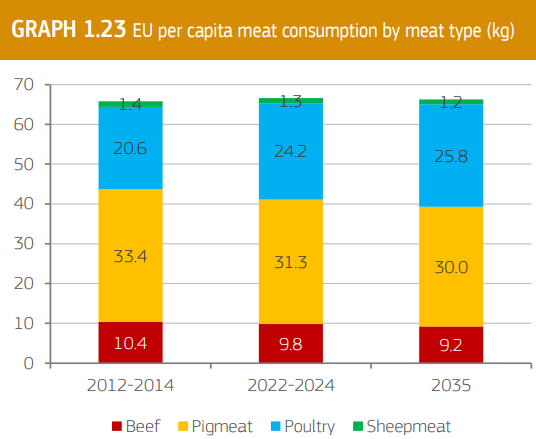
Consumer awareness of sustainability is driving significant shifts in dietary preferences in the EU. The demand for plant proteins like pulses is increasing, while meat consumption, particularly beef and pork, is declining due to environmental and health concerns. Conversely, demand for fortified and functional dairy products is on the rise.

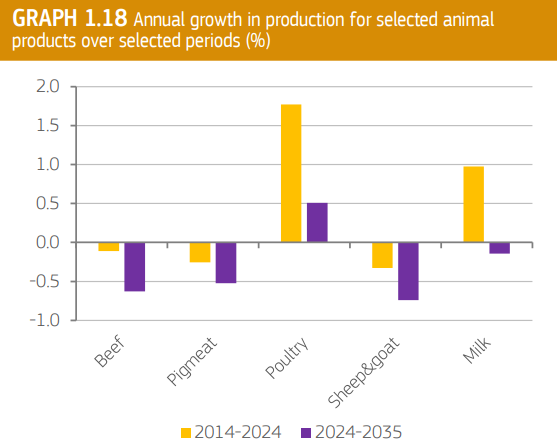
Growth For Selected Animal Products

What are the projected agricultural trends in 2024-2035?

Arable crops

  • Land use: While the total agricultural land in the EU remains stable, a shift in crop focus is anticipated. Land allocated for cereals and rapeseed is expected to decline, making way for soya beans and pulses due to reduced feed demand and policy incentives for plant proteins.
  • Cereals: Production of cereals, including wheat, maize, and barley, is forecast to stabilize with minor yield increases due to advancements in precision farming and digitalization. Wheat production is set to recover after an expected dip in 2024.

Dairy Sector

  • Milk production: Although milk yields are projected to increase due to improved genetics and farming practices, the decline in the dairy cow herd will result in a slight overall reduction in milk production by 2035.
  • Dairy products: The production of cheese and whey will grow steadily, driven by domestic and international demand. Conversely, the consumption of drinking milk is expected to decline, while demand for fortified and functional dairy products grows.

Meat Sector

  • Beef and veal: Beef production is expected to decrease by 10%, with the EU cow herd shrinking by 3.2 million head by 2035. This decline is attributed to sustainability concerns, high production costs, and changing consumer preferences. Beef consumption is also projected to decline, driven by high prices and a preference for plant-based alternativesBeef And Veal Market Balance.
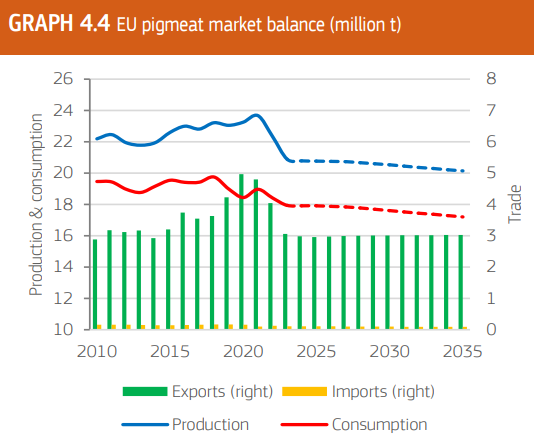
  • Pig meat: The sector faces a projected annual production decline of 0.9%, equating to a reduction of nearly 2 million tons compared to 2021-2023 levels. This trend is largely influenced by concerns over sustainability and a declining preference for fatty meats.Pig Meat Market Balance
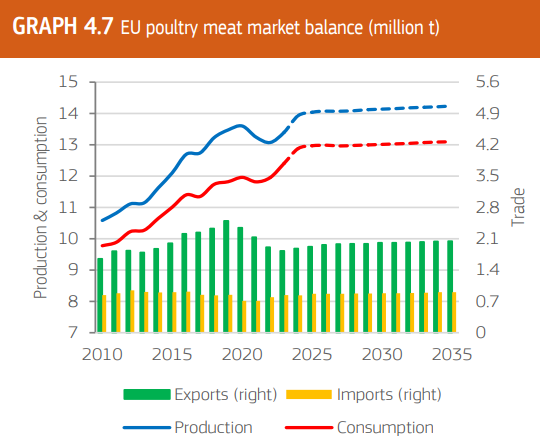
  • Poultry: In contrast, poultry production is forecast to increase due to its healthier image, lower cost, and minimal cultural or religious constraints. However, the growth rate will be slower than in the previous decade.Poultry Meat Market Balance

Meat Per Capita

Upcoming challenges in agriculture

Climate Resilience

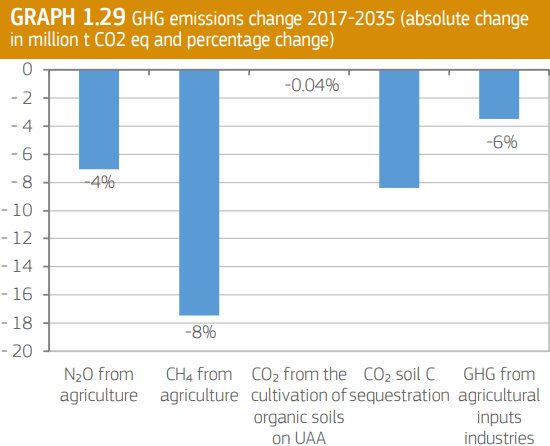
The increasing frequency of extreme weather events requires investments in resilient farming practices. Adoption of precision farming and crop diversification is critical to mitigate climate impacts. However, if existing policies are further implemented, greenhouse gas emissions are expected to see a significant decline.

GHG Emissions Change

Policy Frameworks

The Common Agricultural Policy (CAP) plays a pivotal role in steering the sector toward sustainability. However, farmers face challenges in adapting to stricter environmental regulations and securing sufficient funding for transitions. The recent Mercosur agreement has already stirred dissent in EU countries that fear unfettered competition without similar policy regulations.

Market Dynamics

Global trade tensions and competition in agricultural markets pose significant risks. While the EU remains a net exporter, dependence on imports for certain crops, such as soya beans, highlights vulnerabilities in supply chains.

In a weather-shock scenario for the EU feed supply chain, the report highlights that increased feed prices would drive up retail meat prices by 10% for poultry and pork producers, and 5% for beef and veal producers. The increase would be less abrupt for retail prices, rising by 3% for pork, and 4% for poultry meat. Producers need to be mindful of the absorbed costs of these potential shocks.

Conclusion

The EU agricultural sector must continue to balance productivity, sustainability, and consumer preferences. While advancements in technology and policy frameworks offer pathways to resilience, addressing challenges such as climate change and market dynamics will be critical to achieving long-term goals.


Antimicrobial resistance in animal production workers, a serious challenge

With 73% of human-use antibiotics also used in food-animal production, antimicrobial resistance (AMR) is a pressing global health concern, particularly in contexts where humans and animals are in close proximity, such as in animal production facilities. This issue is exacerbated by the widespread use of antibiotics in livestock farming, which not only promotes resistance in bacteria but also poses direct risks to farm workers.

Antimicrobial resistance in farm workers in Denmark

In Denmark, a country renowned for its robust agricultural monitoring systems, significant strides have been made in tracking AMR. A comprehensive report from 2015 emphasized the occurrence of antimicrobial-resistant bacteria, particularly in livestock-associated methicillin-resistant Staphylococcus aureus (LA-MRSA). The Danish Integrated Antimicrobial Resistance Monitoring and Research Program (DANMAP) highlighted that farm workers frequently came into contact with these resistant pathogens, which posed occupational hazards and public health challenges (Bager et al., 2015). The program found that 88% of pigs carried LA-MRSA, and farm workers had significantly elevated exposure risks, particularly in intensive swine operations (DANMAP 2015 Report).

Antimicrobial resistance in farm workers in the US

Studies in the United States have revealed even more alarming statistics. Farm workers in intensive animal farming environments were found to be 32 times more likely to develop antibiotic-resistant infections than the general population. This increased risk was attributed to prolonged exposure to resistant bacteria and antibiotic residues in animal feed and the environment (Silbergeld et al., 2008). The close interaction between humans and animals in confined spaces fosters the transfer of resistant genes, making these workers a vulnerable group.

Mechanisms of resistance spread

The spread of AMR from livestock to humans can occur through several pathways:

  • Direct contact: Handling animals and exposure to manure or bodily fluids.
  • Airborne transmission: Dust particles containing resistant bacteria.
  • Contaminated food: Consumption of undercooked or improperly handled meat products.
  • Environmental contamination: Water and soil contaminated with antibiotics or resistant bacteria.

What can be done?

Even in countries where antimicrobials reduction legislation has been in place for almost two decades, such as Germany or Sweden, new resistance cases are constantly discovered. In supermarkets around the world, meat contaminated with antibiotic-resistant superbugs is still a common occurrence. And in antibiotic resistance hot spots, “from 2000 to 2018, P50 increased from 0.15 to 0.41 in chickens—meaning that 4 of 10 antibiotics used in chickens had resistance levels higher than 50%. P50 rose from 0.13 to 0.43 in pigs and plateaued between 0.12 and 0.23 in cattle” (Dall, 2019). These hot spots are spread across the globe, from south and northeast India, northeast China, north Pakistan, Iran, and Turkey, to the south coast of Brazil, Egypt, the Red River Delta in Vietnam, and areas surrounding Mexico City, Johannesburg, and more recently Kenya and Morocco.

Globally, antimicrobial use in animals is projected to increase by 67% by 2030, especially in low- and middle-income countries where regulatory frameworks are weaker. Denmark provides a successful model for mitigating these risks. Policies such as the “Yellow Card” scheme have reduced antibiotic use in pigs by promoting alternative husbandry practices and strict monitoring. This approach has also reduced the prevalence of resistant bacteria in animal populations, offering a replicable strategy for other nations (Alban et al., 2017).

Recommendations for mitigation

  • Strengthening surveillance: Programs like DANMAP should be implemented globally to monitor antibiotic usage and resistance trends in animals and humans.
  • Reducing antibiotic use: Phasing out non-therapeutic uses of antibiotics, particularly as growth promoters, and avoiding Critically Important Antimicrobials for Human Medicine.
  • Protecting workers: Providing personal protective equipment (PPE) and regular health screenings for farm workers.
  • Public awareness: Educating communities about the risks of AMR and promoting safe food handling practices.

The evidence from Denmark and the U.S. underscores the urgent need to address AMR in animal production settings. Protecting farm workers from AMR not only safeguards their health but also prevents the spread of resistant pathogens across the wider public.

References

Bager, F., et al. (2015). DANMAP 2014: Use of antimicrobial agents and occurrence of antimicrobial resistance in bacteria from food animals, food, and humans in Denmark. Retrieved from DANMAP Report.

Silbergeld, E. K., Graham, J., & Price, L. B. (2008). Industrial food animal production, antimicrobial resistance, and human health. Annual Review of Public Health, 29(1), 151-169.

Alban, L., et al. (2017). Assessment of the risk to public health due to use of antimicrobials in pigs—An example of pleuromutilins in Denmark. Frontiers in Veterinary Science, 4, 74. DOI.

Magnusson, Ulf et al. (2024). Chapter 3: Antimicrobial Resistance in Farm Workers and Its Public Health Implications. Advances in Animal Health and Welfare, SpringerLink, https://link.springer.com/chapter/10.1007/978-3-031-51788-4_3.

Dall, Chris. (2019) Antibiotic Resistance in Farm Animals Tied to Global Hot Spots. Center for Infectious Disease Research and Policy (CIDRAP), https://www.cidrap.umn.edu/antimicrobial-stewardship/antibiotic-resistance-farm-animals-tied-global-hot-spots.

Vaughan, Adam. (17 June 2024). Superbugs and E. coli present in Lidl chicken, campaigners find. Retrieved from The Times. https://www.thetimes.com/uk/healthcare/article/superbugs-and-e-coli-present-in-lidl-chicken-campaigners-find-0cncb6s0n

World Animal Protection. (2021). Antimicrobial resistance: The global threat of livestock antibiotic misuse. Retrieved from https://www.worldanimalprotection.us/siteassets/reports-programmatic/amr-2021-report.pdf


Sustainable livestock farming: Progress since 1950

by Ilinca Anghelescu, Global Director Marketing Communications, EW Nutrition

Summary

  • Global GHG Emissions and Agriculture:
    • Agriculture-related emissions account for 31% of global anthropogenic emissions, with a growing share coming from food-related activities outside traditional farming, such as processing and transportation.
    • This represents a significant decrease from the 1950s when agriculture contributed to 58% of global emissions, a decrease largely due to the increased use of fossil fuels.
  • Population Growth and Emissions:
    • The global population has increased by 220% since 1950, leading to a threefold increase in agri-food emissions, now totaling 9-10 billion metric tons of CO2-equivalent annually.
  • Meat Production Growth:
    • Meat production has seen a 690% increase since 1950, driven by population growth, economic development, urbanization, technological advancements, and intensification of livestock production.
    • Technological improvements have significantly increased livestock yield, including higher carcass weights, improved feed efficiency, and greater output per animal.
  • Feed Conversion Ratio (FCR) as a Sustainability Metric:
    • FCR, which measures the efficiency of feed conversion into body mass, has improved dramatically for poultry, pigs, and cattle since the 1950s.
    • Improved FCR contributes to more efficient resource use, reduced environmental impact, better animal welfare, and economic viability.
  • Livestock Emissions and Land Use:
    • Livestock-related emissions have increased by 14% since 2000, with a significant portion coming from enteric fermentation in ruminants and land use changes.
    • Pasture and grazing land have expanded slightly, while the land for feed crops has increased substantially due to intensified livestock production.
  • Food Loss and Its Impact on Sustainability:
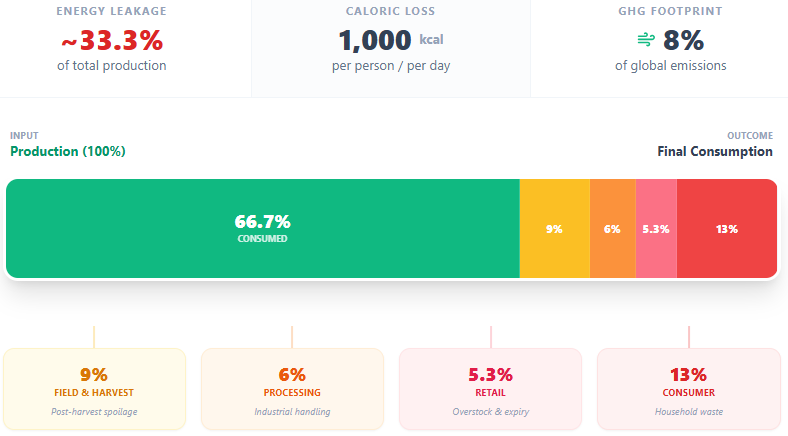
    • Food loss, occurring primarily before the consumer stage, remains stable at around 13%. Reducing food loss is critical for improving food security, economic efficiency, and minimizing the environmental footprint of livestock production.
  • Future Strategies for Sustainability:
    • The article emphasizes the need for ongoing investment in technology, optimization of feed efficiency, sustainable land use, and improved methods for tracking and reducing emissions to ensure the future sustainability of livestock farming.


As the global demand for animal products continues to rise, so do various claims about the impact of agriculture on greenhouse gas emissions. A study commissioned by the United Nations’ Food and Agriculture Organization (FAO) concluded that, according to the most recent data, agri-food system emissions totaled 16.5 billion metric tons of CO2 equivalent, representing 31% of global anthropogenic emissions.

Of these 31%, the most important trend highlighted by FAO was the “increasingly important role of food-related emissions generated outside of agricultural land, in pre- and post-production processes along food supply chains”. The food supply chain (food processing, packaging, transport, household consumption and waste disposal) is thus set to become the top GHG emitter, above farming and land use.

How bad is 31%?

While 31% is a large figure, even this estimate represents a significant decrease from the 1950s, when agri-food emissions constituted approximately 58% of total anthropogenic emissions: “From 1850 until around 1950, anthropogenic CO2 emissions were mainly (>50%) from land use, land-use change and forestry”, states the latest IPCC report.

Anthropogenic Emissions SourcesFigure 1. Source: IPCC AR6 Report, 2023. LULUCF = Land Use, Land-Use Change and Forestry

As the IPCC graph in Figure 1 indicates, the percentage decrease is mostly due to the rising prevalence of oil and coal in CO2 emissions over the recent decades, as shown in Figure 2 below.

Annual greenhouse gas (GHG) emissions worldwide from 1990 to 2022, by sector (in million metric tons of carbon dioxide equivalent)

Annual GHG Emissions By SectorFigure 2. Source: Statista

Total population and agri-food emission changes, 1950 – today

The global population increased by approximately 220%, from 2.5 billion in 1950 to 8 billion in 2023. In the meantime, estimates suggest that, in the 1950s, agri-food systems were responsible for approximately 2-3 billion metric tons of CO2-equivalent (CO2e) emissions per year. This figure includes emissions from livestock, rice paddies, fertilizer use, and land-use change (e.g., deforestation for agriculture).

Assessments generally agree that today’s agri-food systems contribute approximately 9-10 billion metric tons of CO2e annually, a threefold increase from 1950. This includes emissions from agriculture (e.g., livestock, crop production), food processing, transportation, and land-use changes.

This increase is consistent with FAO’s new findings, of food chain climbing to the top of agri-food emitters.

But where did these increased emissions come from?

A look at the graph below gives us an indication: world poverty rate decreased massively between 1950 and today. While COVID brought a setback, the historical data would clearly indicate a correlation between the increased output in agri-food systems and the decreased rate of poverty.

World Poverty
Figure 3. Source: World Bank

How did poverty rates decline so steeply? The reasons lie, to a large extent, in technological innovation, especially in genetics and farm management, and in the increased apport of plentiful and affordable meat protein to the world. The numbers below build an image of an industry that produces better, more, and cheaper.

Global meat production: 1950 vs. Present

Then…

In 1950, the estimated total meat production was of approximately 45 million metric tons.

Key Producers: The United States, Europe, and the Soviet Union were the primary producers of meat.
Types of Meat: Production was largely dominated by beef and pork, with poultry being less significant.

…and now

Now, the total meat production lies somewhere around 357 million metric tons (as of recent data from FAO)., representing a 53% increase from 2000 and a staggering 690% increase from 1950.

Key Producers: Major producers include China, the United States, Brazil, and the European Union.
Types of Meat: Significant increases in poultry production, with pork remaining a leading source of meat, especially in Asia. Beef production has also increased, but at a slower rate than poultry and pork.

Factors contributing to increased meat production

Population Growth: The world population has grown from approximately 2.5 billion in 1950 to over 8 billion today, driving increased demand for meat.

Economic Growth and Urbanization: Rising incomes and urbanization have led to shifts in economic power and dietary preferences, with more people consuming higher quantities of meat, especially in developing countries.

Technological Advancements: Improvements in animal breeding, feed efficiency, and production systems have increased the efficiency and output of meat production.

Intensification of Livestock Production: The shift from extensive to intensive livestock production systems has allowed for higher meat yields per animal.

Global Trade: Expansion of global trade in meat and meat products has facilitated the growth of production in countries with comparative advantages in livestock farming.

Livestock yield increase, 1950 to the present

The increase in livestock yield for cattle, pigs, and chickens between 1950 and the present has been significant due to advances in breeding, nutrition, management practices, and technology.

Beef

1950s

  • Average Carcass Weight: In the 1950s, the average carcass weight of beef cattle was about 200 to 250 kilograms (440 to 550 pounds).
  • Dressing Percentage: The dressing percentage (the proportion of live weight that becomes carcass) was typically around 50-55%.

Present Day

  • Average Carcass Weight: Today, the average carcass weight of beef cattle is approximately 300 to 400 kilograms (660 to 880 pounds).
  • Dressing Percentage: The dressing percentage has improved to about 60-65%.

Increase in Beef Cattle Yield

  • Increase in Carcass Weight: The average carcass weight has increased by about 100 to 150 kilograms (220 to 330 pounds) per animal.
  • Improved Dressing Percentage: The dressing percentage has increased by about 5-10 percentage points, meaning a greater proportion of the live weight is converted into meat.

Dairy

1950s

  • Average Milk Yield per Cow: Approximately 2,000 to 3,000 liters per year, depending on the region.

Present Day

  • Average Milk Yield per Cow: Approximately 8,000 to 10,000 liters per year globally, with some countries like the United States achieving even higher averages of 10,000 to 12,000 liters per year.

Increase in Milk Yield:: Milk yield per cow has increased about 4-5 times due to genetic selection, improved nutrition, technological advancements, and better herd management.

Chickens (Layers)

1950s

  • Average Egg Production per Hen: In the 1950s, a typical laying hen produced about 150 to 200 eggs per year.

Present Day

  • Average Egg Production per Hen: Today, a typical laying hen produces approximately 280 to 320 eggs per year, with some high-performing breeds producing even more.

Increase in Egg Yield: The average egg production per hen has increased by approximately 130 to 170 eggs per year.

Chickens (Broilers)

1950s

  • Average Yield per Bird: In the 1950s, broiler chickens typically reached a market weight of about 1.5 to 2 kilograms (3.3 to 4.4 pounds) over a growth period of 10 to 12 weeks.

Present Day

  • Average Yield per Bird: Today, broiler chickens reach a market weight of about 2.5 to 3 kilograms (5.5 to 6.6 pounds) in just 5 to 7 weeks.

Increase in Yield: The average weight of a broiler chicken has increased by approximately 1 to 1.5 kilograms (2.2 to 3.3 pounds) per bird. Additionally, the time to reach market weight has been nearly halved.

Factors contributing to yield increases

Genetic Improvement:

  • Selective Breeding: Focused breeding programs have developed chicken strains with rapid growth rates and high feed efficiency, significantly increasing meat yield.

Nutrition:

  • Optimized Feed: Advances in poultry nutrition have led to feed formulations that promote faster growth and better health, using balanced diets rich in energy, protein, and essential nutrients.

Management Practices:

  • Housing and Environment: Improved housing conditions, including temperature and humidity control, have reduced stress and disease, enhancing growth rates.

Technological Advancements:

  • Automation: Automation in feeding, watering, and waste management has improved efficiency and bird health.
  • Health Monitoring: Advances in health monitoring and veterinary care have reduced mortality rates and supported faster growth.

Feed Conversion Efficiency:

  • Improved Feed Conversion Ratios (FCR): The amount of feed required to produce a unit of meat has decreased significantly, making production more efficient.

Why Feed Conversion Ratio is a sustainability metric

Feed Conversion Ratio (FCR) is a critical metric in livestock production that measures the efficiency with which animals convert feed into body mass. It is expressed as the amount of feed required to produce a unit of meat, milk, or eggs. Advances in nutrition and precision feeding allow producers to tailor diets that optimize FCR, reducing waste and improving nutrient uptake. Also, breeding programs focused on improving FCR can lead to livestock that naturally convert feed more efficiently, supporting long-term sustainability.

Poultry (Broilers): From the 1950s, improved from approximately 4.75 kg/kg to 1.7 kg/kg.

Pigs: From the 1950s, improved from about 4.5 kg/kg to 2.75 kg/kg.

Cattle (Beef): From the 1950s, improved from around 7.5 kg/kg to 6.0 kg/kg.

FCR ChangeFigure 4. Evolution of FCR from 1950

FCR is crucial for livestock sustainability for several reasons, as shown below.

1. Resource efficiency

Feed Costs: Feed is one of the largest operational costs in livestock production. A lower FCR means less feed is needed to produce the same amount of animal product, reducing costs and improving profitability.

Land Use: Efficient feed conversion reduces the demand for land needed to grow feed crops, helping to preserve natural ecosystems and decrease deforestation pressures.

Water Use: Producing less feed per unit of animal product reduces the water needed for crop irrigation, which is crucial in regions facing water scarcity.

2. Environmental impact

Greenhouse Gas Emissions: Livestock production is a significant source of greenhouse gases (GHGs), particularly methane from ruminants and nitrous oxide from manure management. Improved FCR means fewer animals are needed to meet production goals, reducing total emissions.

Nutrient Runoff: Efficient feed use minimizes excess nutrients that can lead to water pollution through runoff and eutrophication of aquatic ecosystems.

3. Animal welfare

Health and Growth: Optimizing FCR often involves improving animal health and growth rates, which can lead to better welfare outcomes. Healthy animals grow more efficiently and are less susceptible to disease.

4. Economic viability

Competitiveness: Lowering FCR improves the economic viability of livestock operations by reducing input costs and increasing competitiveness in the global market.

Food Security: Efficient livestock systems contribute to food security by maximizing the output of animal protein relative to the input of resources.

Improving FCR is essential for achieving sustainability in livestock production. It leads to more efficient resource use, reduced environmental impact, enhanced economic viability, and supports the well-being of animals. As global demand for animal products continues to rise, optimizing FCR will be crucial in balancing production with the need to protect and preserve natural resources.

“The eight warmest years on record since 1961 (and in fact since the beginning of observations in 1880) are all within the eight-year period of 2015–2022. Europe is the region where the temperature change has been the highest in 2022 (and also for most of the 2000–2022 period), with 2.23 °C, followed by Asia (1.75 °C), the Americas (1.05 °C), Africa (1.01 °C) and Oceania (0.8 °C). The average temperature change in the 2010s was 1.25 °C, compared to 0.96 °C in the 2000s.”
FAOSTAT 2023

Livestock emissions

Livestock emissions can be direct (farm-gate) or indirect (land use). Pre- and post-production emissions are considered separately, since they refer to emissions from manufacturing, processing, packaging, transport, retail, household consumption, and waste disposal.

GHG Emissions
Figure 5. Source: FAO

Farm-gate emissions

Global farm-gate emissions (related to the production of crops and livestock) grew by 14% between 2000 and 2021, to 7.8 Gt CO2 eq, see below. 53% come from livestock-related activities, and the emissions from enteric fermentation generated in the digestive system of ruminant livestock were alone responsible for 37 percent of agricultural emissions (FAOSTAT 2023).

World Farm Gate GHG Emissions By Activity
Figure 6. Source: FAO

Land use for livestock

Land use emissions contribute a large share to agricultural emissions overall, especially through deforestation (~74% of land-use GHG emissions). The numbers have declined in recent years, to a total of 21% reduction between 2000 and 2018.

The other side of the coin is represented by the increased land usage for livestock, either directly for grazing or indirectly for feed crops.

1. Pasture and grazing land

1950: Approximately 3.2 billion hectares (7.9 billion acres) were used as permanent pastures.

Present: The area has increased to around 3.5 billion hectares (8.6 billion acres).

Change: An increase of about 0.3 billion hectares (0.7 billion acres).

2. Land for Feed Crops

1950: The land area dedicated to growing feed crops (such as corn and soy) was significantly less than today due to lower livestock production intensities and smaller scale operations. Feed crops likely accounted for about 200-250 million hectares of the cropland, although figures are evidently difficult to estimate.

Present: Of the approx. 5 billion hectares of land globally used for agriculture, about 1.5 billion hectares are dedicated to cropland.

The increase in cropland hectares is a direct consequence of the intensification of demand for livestock production. To keep these numbers in check, it is essential that producers strive to use as little feed as possible for as much meat yield as possible – and this directly relates to a key metric of the feed additive industry: Feed Conversion Ratio, mentioned above.

The role of food loss in livestock sustainability

The Food and Agriculture Organization (FAO) of the United Nations defines food loss as the decrease in quantity or quality of food resulting from decisions and actions by food suppliers in the chain, excluding retail, food service providers, and consumers. Food loss specifically refers to food that gets spilled, spoiled, or lost before it reaches the consumer stage, primarily taking place during production, post-harvest, processing, and distribution stages.

Food loss is currently estimated to be relatively stable over the last decades, at around 13%.

Key aspects of food loss

  1. Stages of Food Loss:
    • Production: Losses that occur during agricultural production, including damage by pests or diseases and inefficiencies in harvesting techniques.
    • Post-Harvest Handling and Storage: Losses that happen due to inadequate storage facilities, poor handling practices, and lack of proper cooling or processing facilities.
    • Processing: Losses during the processing stage, which may include inefficient processing techniques, contamination, or mechanical damage.
    • Distribution: Losses that occur during transportation and distribution due to poor infrastructure, inadequate packaging, and logistical inefficiencies.
  2. Quality and Quantity:
    • Quality Loss: Refers to the reduction in the quality of food, affecting its nutritional value, taste, or safety, which may not necessarily reduce its quantity.
    • Quantity Loss: Refers to the actual reduction in the amount of food available for consumption due to physical losses.
  3. Exclusions:
    • Retail and Consumer Level: Food loss does not include food waste at the retail or consumer levels, which is categorized as food waste. Food waste refers to the discarding of food that is still fit for consumption by retailers or consumers.

Importance of reducing food loss

Every step along the production chain, each action taken to preserve feed, increase yield, ensure stable and high meat quality, can contribute to reducing food loss and ensuring that animal protein production stays sustainable and feeds the world more efficiently.

  • Food Security: Reducing food loss can help improve food availability and access, particularly in regions where food scarcity is a concern. Where we thought we were on our way to eradicate world hunger, recent upticks in several regions show us that progress is not a given.
  • Economic Efficiency: Minimizing food loss can improve the efficiency and profitability of food supply chains by maximizing the utilization of resources.
  • Environmental Impact: Reducing food loss helps to decrease the environmental footprint of food production by lowering greenhouse gas emissions and minimizing land and water use. This is all the more important in regions where world hunger shows signs of going up. Perhaps not by coincidence are these regions some of the most affected by climate change.

By understanding and addressing the causes of food loss, stakeholders across the food supply chain can work towards more sustainable and efficient food systems.

What’s next?

Improving production practices and technology

Investment in research and development of new technologies that enhance livestock production efficiency and reduce environmental impact is vital for the future sustainability of the sector.

India is a good illustration of room to grow. If we look at cow milk alone, India, with a headcount of approximately 61 million animals, has a total milk production that is neck-and-neck with the United States, whose dairy cow headcount is in the neighborhood of 9.3 million. India’s milk yield sits around 1,600 liters/animal/year, compared to the US’s average of 10,700 liters.

Milk Yield IN US
Figure 7. Based on Our World in Data

Optimizing Feed Efficiency

Continued focus on improving FCR through genetic selection, optimized nutrition, and advanced management practices will be crucial for reducing the environmental footprint of livestock production.

Promoting Sustainable Land Use

Strategies to balance the need for increased livestock production with sustainable land use practices are essential. This includes adopting agroecological approaches and improving the efficiency of feed crop production.

Reducing Food Loss

Stakeholders across the food supply chain must prioritize reducing food loss through improved storage, transportation, and processing technologies. This will help ensure that livestock production contributes effectively to global food security.

Enhancing Emission Tracking and Reporting

There is a need for standardized methods for collecting and reporting data on GHG emissions in agriculture. This will enable more accurate assessments and the development of targeted strategies for emission reductions.

References

Bell, D. D. (2002). Laying hens in the U.S. market: An appraisal of trends from the beginning of the 20th century to present. Poultry Science, 81(5), 485-490. https://doi.org/10.1093/ps/81.5.485

CarbonWise. (2023). Global greenhouse gas emissions by sector. Retrieved from https://carbonwise.co/global-greenhouse-gas-emissions-by-sector/

Crippa, M., Solazzo, E., Guizzardi, D., Monforti-Ferrario, F., Tubiello, F. N., Leip, A., … & Janssens-Maenhout, G. (2022). Greenhouse gas emissions from food systems: building the global food system emissions database (GFED). Earth System Science Data, 14(4), 1795-1821. https://essd.copernicus.org/articles/14/1795/2022/essd-14-1795-2022.pdf

European Environment Agency (EEA). (2023). Improving the climate impact of raw material sourcing. Retrieved from https://www.eea.europa.eu/publications/improving-the-climate-impact-of-raw-material-sourcing

Food and Agriculture Organization of the United Nations (FAO). (2021). The State of Food and Agriculture 2021: Making agrifood systems more resilient to shocks and stresses. FAO. https://openknowledge.fao.org/server/api/core/bitstreams/6e04f2b4-82fc-4740-8cd5-9b66f5335239/content

Food and Agriculture Organization of the United Nations (FAO). (2021). Food Loss and Waste Database. FAO. https://www.fao.org/platform-food-loss-waste/food-loss/introduction/en

Food and Agriculture Organization of the United Nations (FAO). (2021). Greenhouse gas emissions from agrifood systems. Retrieved from https://www.fao.org/platform-food-loss-waste/food-loss/introduction/en

Goldewijk, K. K., & Verburg, P. H. (2013). Per-capita estimations of long-term historical land use and the consequences for global change research. Global Environmental Change, 23(4), 1166-1175. https://doi.org/10.1016/j.gloenvcha.2013.04.001

Intergovernmental Panel on Climate Change (IPCC). (2023). AR6 Synthesis Report: Climate Change 2023. IPCC. https://www.ipcc.ch/report/ar6/syr/

Kusuma, A. B., Laga, W. R., & Purnomo, H. (2022). Climate Change and Livestock Farming: Strategies for Mitigation and Adaptation. MDPI, 12(10), 1554. https://www.mdpi.com/2077-0472/12/10/1554

Matthews, D. (2023). Chicken, meat, and the future of global food: Forecasts and predictions for beef, pork, and more. Vox. https://www.vox.com/future-perfect/2023/8/4/23818952/chicken-meat-forecast-predictions-beef-pork-oecd-fao?mc_cid=d1a37e53b6&mc_eid=1b5c5e908a

Our World in Data. (2020). Milk yields per animal. Retrieved from https://ourworldindata.org/grapher/milk-yields-per-animal

Our World in Data. (2023). Grazing land use over the long-term, 1600 to 2023. Retrieved from https://ourworldindata.org/grazing-land-use-over-the-long-term

Ritchie, H., & Roser, M. (2020). Food greenhouse gas emissions. Our World in Data. https://ourworldindata.org/food-ghg-emissions

Roche, J. R., Friggens, N. C., Kay, J. K., Fisher, M. W., Stafford, K. J., & Berry, D. P. (2013). Invited review: Body condition score and its association with dairy cow productivity, health, and welfare. Animal Frontiers, 3(4), 23-29. https://doi.org/10.2527/af.2013-0032

Sharma, V. P., & Gulati, A. (2020). Changes in Herd Composition a Key to Indian Dairy Production. United States Department of Agriculture (USDA) Economic Research Service. https://www.ers.usda.gov/publications/pub-details/?pubid=99794

The Last Glaciers. (2023). Decarbonizing Food and Agriculture. Retrieved from https://thelastglaciers.com/decarbonising-food-and-agriculture/

Thoma, G., Jolliet, O., & Wang, Y. (2016). National Pork Board. (2016). Greenhouse gas emissions and the potential for mitigation from the pork industry in the U.S. Retrieved from https://www.porkcheckoff.org/wp-content/uploads/2021/05/16-214-THOMA-final-rpt.pdf

Thornton, P. K., & Herrero, M. (2015). Impacts of climate change on the livestock food supply chain; a review of the evidence. Frontiers in Veterinary Science, 2, 93. https://www.ncbi.nlm.nih.gov/pmc/articles/PMC4686767/

USDA – National Agricultural Statistics Service. (n.d.). Trends in U.S. Agriculture – Broiler Industry. U.S. Department of Agriculture. Retrieved from https://www.nass.usda.gov/Publications/Trends_in_U.S._Agriculture/Broiler_Industry/

Zuidhof, M. J., Schneider, B. L., Carney, V. L., Korver, D. R., & Robinson, F. E. (2014). Evolution of the modern broiler and feed efficiency. Annual Review of Animal Biosciences, 2(1), 47-71. https://doi.org/10.1146/annurev-animal-022513-114132


Global antimicrobial use in livestock farming: A revised estimate


Antimicrobial resistance (AMR) poses a significant threat to global health, driven by the overuse and misuse of antibiotics in both human medicine and livestock farming. In livestock farming, antimicrobials are still used extensively for therapeutic and non-therapeutic purposes. However, estimates of the quantities used per species are notoriously hard to derive from fragmented, incomplete, or unstandardized data around the world.

A recent article (“Global antimicrobial use in livestock farming: an estimate for cattle, chickens, and pigs”, Animal, 18(2), 2024) attempts to update the figures by estimating global biomass at treatment of cattle, pigs, and chickens, considering distinct weight categories for each species in biomass calculation, and using the European Medicines Agency’s weight standards for the animal categories. With these more refined calculations, authors Zahra Ardakani, Maurizio Aragrande, and Massino Canali aim to provide a more accurate estimate of global antimicrobial use (AMU) in cattle, chickens, and pigs. Understanding these patterns is crucial for addressing AMR and developing strategies for sustainable livestock management.

Key Findings

The study estimates that the global annual AMU for cattle, chickens, and pigs amounts to 76,060 tons of antimicrobial active ingredients. This is a significant revision from previous estimates due to a more detailed evaluation of animal weights and categories:

1. Cattle: 40,697 tons (53.5% of total AMU)
2. Pigs: 31,120 tons (40.9% of total AMU)
3. Chickens: 4,243 tons (5.6% of total AMU)

Figure 1: Distribution of global antimicrobial use among cattle, pigs, and chickens.

Methodology

The study utilizes the concept of Population Correction Units (PCU) to estimate antimicrobial usage, taking into account the weight and category of livestock at the time of treatment. This method differs from previous approaches that relied on live weight at slaughter, providing a more accurate representation of AMU.

The PCU is calculated by multiplying the number of animals by their average weight during treatment. This approach allows for differentiation by age and sex, which is particularly important for species like cattle and pigs.

Figure 2: (a) Changes in global PCU (million tonnes), (b) changes in global antibiotic use in mg per PCU, and (c) changes in global AMU (thousand tonnes) for cattle, chickens, and pigs; between 2010 and 2020.  Abbreviations: PCU = Population Correction Unit; AMU = Antibiotic Use.

Figure 2: (a) Changes in global PCU (million tonnes), (b) changes in global antibiotic use in mg per PCU, and (c) changes in global AMU (thousand tonnes) for cattle, chickens, and pigs; between 2010 and 2020. Abbreviations: PCU = Population Correction Unit; AMU = Antibiotic Use.

Study shows lower AMU than previous estimates

The study highlights a significant shift in AMU patterns, with chickens showing a remarkable decrease in antimicrobial use despite increased production. This is indicative of improved management and more responsible use of antibiotics in the poultry industry.

The lower AMU in cattle and pigs, compared to previous estimates, underscores the importance of considering animal age and weight at treatment. These findings align closely with World Organization for Animal Health (WOAH) estimates, validating the methodology.

However, the study also acknowledges limitations, including reliance on European standards for average weight at treatment, which may not reflect global variations. Additionally, the lack of comprehensive global data on veterinary antibiotics presents challenges in creating fully accurate estimates.

Corrected estimate highlights improved production advances

This study provides a revised and potentially more accurate estimate of global antimicrobial use in livestock. By accounting for the weight and treatment categories of animals, it offers insights that could guide policy and management practices to mitigate the spread of antimicrobial resistance.

The article also indicates that the industry may have over-estimated antimicrobial usage in livestock and, just as importantly, that antimicrobial use has been kept in check or even reduced, despite increases in farmed animal headcounts. The lower usage is likely due to regulatory oversight and improvements in alternative methods to control and mitigate health challenges.


Global Trends and Challenges in Artificial Meat and Alternative Protein Production

Over the past decade, the food industry witnessed a surge in the popularity of alternative proteins, driven by growing consumer awareness of environmental issues, animal welfare concerns, and health considerations. However, recent trends indicate a decline in both consumer interest and investment in alternative proteins. This article explores the challenges in producing viable replacements for traditional meat, the status of sales investments, and the global outlook for protein consumption.

Unit Prices By Category


Patty Price Per Country

Figure 1. Uncompetitive prices of artificial meat are a critical factor in the market downturn

Challenges in artificial meat production

Producing artificial meat, also known as cultured or lab-grown meat, has been widely hyped and substantially funded over the last decade. However, many challenges remain on several levels.

Cell Culturing and Growth

Cell Source: Obtaining high-quality animal cells is crucial. Researchers typically use muscle cells (myocytes) from animals like cows, pigs, or chickens.

Cell Proliferation: Culturing cells in the lab requires precise conditions, including the right nutrients, temperature, and oxygen levels. Ensuring rapid and efficient cell growth is essential.

Scaffold Development

3D Structure: Creating a meat-like texture involves growing cells on a scaffold that mimics the natural 3D structure of muscle tissue. Developing suitable scaffolds is challenging.

Biocompatibility: The scaffold material must be biocompatible and support cell attachment, proliferation, and differentiation.

Nutrient Supply

Medium Formulation: The nutrient-rich medium used to feed the cells must provide essential amino acids, vitamins, and minerals. Designing an optimal medium is complex.

Cost Efficiency: Developing cost-effective and sustainable nutrient solutions is critical for large-scale production.

Scaling Up Production

Bioreactors: Moving from small-scale lab experiments to large-scale bioreactors is a significant challenge. Bioreactors must maintain consistent conditions for cell growth.

Energy Consumption: Scaling up production while minimizing energy consumption and environmental impact is essential.

Flavor and Texture

Taste and Aroma: Artificial meat would be expected to taste and smell like traditional meat. Achieving the right flavor profile is an ongoing challenge.

Texture: Mimicking the texture of different meat cuts (e.g., steak, ground beef) requires precise engineering.

Safety and Regulation

Food Safety: Ensuring that cultured meat is safe for consumption is critical. Contamination risks, such as bacterial growth, must be minimized.

Regulatory Approval: Cultured meat faces regulatory hurdles related to labeling, safety assessments, and consumer acceptance.

Cost Reduction

High Initial Costs: Currently, producing artificial meat is expensive due to research, development, and infrastructure costs. Reducing these costs is essential for commercial viability.

Acceptance and Perception

Consumer Perception: Convincing consumers that cultured meat is a viable and ethical alternative to traditional meat remains a challenge.

Cultural and Social Factors: Cultural preferences and traditions play a role in consumer acceptance.

Challenges in alternative protein production

As opposed to artificial meat, which still involves animal cells, alternative proteins usually designate plant-based meat imitations. However, producing alternative proteins comes with its own set of challenges.

Diverse protein sources are one challenge that is not easy to overcome. It turns out, it is quite hard to replicate the availability, as well as the diversity of health and nutritional benefits of traditional meat. While plant-based proteins have made significant progress, there’s still room for improvement in terms of variety and availability.

Procuring the technology needed to extract protein efficiently and sustainably is another hurdle. Innovations in extraction methods are essential for scaling up alternative protein production.

Lower nutritional benefits of alternative proteins represent a major hurdle. Not only is it hard to mimic the entirety of meat’s benefits, but plant nutritional values are notoriously fickle depending on region, soil, production type, season, and so on.

Flavor and texture remain extremely elusive. Contenders are closer to a meat-feel than before, yet this remains a major factor skewing negative in consumer perception.

SteakFigure 2: Alternative protein producers have been unable to replicate the taste and texture of traditional meat

Scaling and Supply Chain Challenges are getting more, not less complicated. Achieving affordability at scale is essential for alternative meats to compete with traditional meat products. Additionally, ensuring a robust and efficient supply chain for alternative proteins is a concern that has not found a sustainable solution.

The Status of Alternative Protein Sales and Investment

Sales Trends

According to the Plant Based Foods Association (PBFA), overall plant-based meat units have declined by 8.2% in 2022, while dollar sales decreased by 1.2% following a significant growth phase in previous years. Similarly, Euromonitor International reported that global sales of plant-based meat substitutes grew by only 1% in 2022, a stark contrast to the double-digit growth rates seen earlier in the decade.

Beyond Meat, one of the market leaders, reported a decline in net revenues of 13.9% in the third quarter of 2022 compared to the same period in 2021. This decline reflects broader market trends where consumer enthusiasm appears to be waning.

RabobankFigure 3. Rabobank indicates a downward trend in both sales and investments

Investment Trends

Investment in alternative protein startups also shows signs of slowing, with funding of sustainability food and agriculture startups dramatically declining (see Figure 2 below). According to the Good Food Institute (GFI), global investment in alternative proteins dropped 42% year-over-year to $1.2 billion in 2022, a significant decrease from the $3.1 billion invested in 2021.

The financial challenges faced by some high-profile companies have led to increased caution among investors. For instance, Beyond Meat and Oatly have both experienced substantial stock price declines, leading to a reassessment of the market’s growth potential.

Investment TrendsFigure 4: 2023 funding variation for climate and sustainability technologies

Factors Contributing to the Decline

Market Saturation and Competition

The initial surge in demand led to rapid market saturation. Numerous companies entered the market, resulting in intense competition and a proliferation of products. This saturation has made it difficult for individual brands to maintain market share and grow sales.

In the US, for example, plant-based milk remains the largest category, while plant-based meat and seafood sales declined substantially in 2023.

Consumer Preferences and Expectations

While early adopters of alternative proteins were driven by ethical and environmental considerations, mainstream consumers remain price-sensitive and often prefer traditional meat products (to the extent they may choose smaller meat portions over alternative proteins). Additionally, taste and texture remain critical factors. Despite advancements, many consumers still find plant-based alternatives lacking in these areas.

Not MeatFigure 5: Seems fake? Consumers find it hard to believe the claims of identical taste and texture in non-meat products

Economic Factors

The global economic downturn and inflation have impacted consumer spending power. As a result, many consumers are prioritizing affordability over sustainability, leading to reduced purchases of typically more expensive plant-based products.

Regulatory and Supply Chain Challenges

Regulatory hurdles and supply chain disruptions have also played a role. The COVID-19 pandemic exacerbated supply chain issues, affecting the availability and cost of raw materials needed for alternative protein production.

Conclusion: Global Outlook for Protein and Alternative Proteins

Traditional meat consumption continues to grow, particularly in emerging markets. According to the Food and Agriculture Organization (FAO), global meat consumption is projected to increase by 14% by 2030, driven by population growth and rising incomes in developing countries.

Advances in food technology, such as precision fermentation and cell-cultured meat, offer the potential to create products that more closely mimic traditional meat. However, the recent decline in interest in alternative proteins reflects a complex interplay of market saturation, economic factors, and consumer preferences.

High prices, lack of scalability, sustainability concerns, and an inability to recreate the nutritional content, texture, and taste of meat are hurdles that cannot be easily overcome. Instead, perhaps a more accessible long-term solution might be improved sustainability in the livestock sector, accompanied by continued innovation and improvements in the production of both traditional protein and alternative proteins.


Sustainable use of veterinary antimicrobials in Europe: EEA report

The European Environment Agency (EEA) has recently published a briefing detailing the impact of veterinary antimicrobials on Europe’s environment. Positive developments are to be applauded, however they do not tell the whole story.

The use of antimicrobials for farmed animals and in aquaculture decreased by around 28% between 2018 and 2022. Nonetheless, the rate of antimicrobial resistance continues to rise around the world, including as an important cause of death in the European Economic Area (the EEA includes all EU countries, as well as Norway, Lichtenstein, and Iceland). At present, antimicrobial-resistant infections are estimated to caused 35,000 deaths per year in the European Union. For reference, in the EU, traffic accidents cause around 20,000 deaths per year.

A large number of EU guidelines, policies, and regulations attempt to control and monitor the use of antimicrobials in food-producing animals. This makes the regulatory landscape somewhat confusing, especially that many implementation details are still left to the states.

EU Regulations For AB In LivestockFigure 1. Overview of the EU regulatory framework applicable to antimicrobials used in food-producing animals

One of the results of unequal implementation is that there is no standardized way of tracking the actual use of antimicrobials in food-producing animals. To collect the numbers, the EEA has used proxy numbers, especially antimicrobial sales data and self-reported data. With such broad strokes, it is to be expected that the actual figures might be higher.

Lower numbers…

According to the European Surveillance of Veterinary Antimicrobial Consumption (ESVAC) database, in the European Economic Area countries, plus Switzerland and the UK, total antimicrobial consumption for farmed animals and aquaculture was estimated at 73.9 mg/PCU* in 2022. This signifies a 30% reduction over 5 years.

In numbers: 4,458 tons of active substances were sold in one years for farmed animals & aquaculture.

*PCU represents a population correction unit (PCU). The PCU takes into account the population and relative weight of animals and “is used the normalize antimicrobial sales data for the size of the animal population that could potentially be treated with these substances. Using this methodology, 1 PCU corresponds to 1 kilogram of animal biomass”.

…But higher risks

In 2021, total antimicrobial consumption in humans – measured in 28 European countries – was estimated at 125.0 mg/kg. This number has unfortunately not gone down. What is worse: a much larger volume of antimicrobials is sold for food-producing animals than for human medicine. Which means that, relative to the total population, the impact of veterinary-use antimicrobials remains disproportionately large.

Moreover, two outliers (Poland and Lithuania) exhibited a worrying increasing trend, showing that no good development is irreversible. The EEA also highlights this danger, in the context of growing global consumption of animal protein. Increased demand “may put pressure on farmers to adopt intensive production practices that require increased use of antimicrobials”. The use of antimicrobials elsewhere in the world may lead to impacts in Europe, “not just by theoretically exposing consumers to antimicrobial residues but also by contributing to rising global rates of drug-resistant pathogens and infections”.

Sales By EU Member StatesFigure 2. Sales by EU Member States in 2018 vs. 2022

Because of declining livestock populations in the last few years, while demand remained constant, EU-27 imports of animal products more than doubled between 2002 and 2022. There are no reliable global data on the veterinary use of antimicrobials, however it is generally believed that over 70% of antimicrobials sold globally may be used in for animal protein production.

Data collected by the World Organization for Animal Health (WOAH) from its member countries suggest that, between 2017-2019, “the use of antimicrobials in animals decreased by 25% in the Asia, Far East and Oceania regions, while it increased in Africa (+45%) and the Americas (+5%). Despite these partial improvements, a recent study forecasted that global use of antimicrobials in food-producing animals could rise by 8% in 2030, compared to 2020 levels (Mulchandani et al., 2023)”.

Quick summary

Reduction in Antimicrobial Use: There has been a significant reduction in the use of antimicrobials in farming and aquaculture across the EU. From 2018 to 2022, there was a decrease of approximately 28%, which aligns with the EU’s Farm to Fork strategy targeting a 50% reduction by 2030.

Antimicrobial Resistance (AMR): Despite the decrease in use, antimicrobial resistance remains a severe public health threat, causing an estimated 35,000 deaths annually in the European Economic Area. The resistance is attributed to the use of antimicrobials, which – as has been widely documented and discussed – can promote the evolution of resistant microorganisms.

Environmental Impact: The briefing underscores significant knowledge gaps in monitoring antimicrobial residues, resistant bacteria, and resistance genes in the environment. Improved surveillance could help identify pollution hotspots and assess the impact of reduction measures.

Regulatory and Policy Framework: The EU has implemented several policies to regulate the use of antimicrobials, including banning their use as growth promoters and setting stricter conditions for prescriptions. These measures are crucial for managing the risk of AMR.

Further efforts are needed to decrease the reliance on antimicrobials in food production. These include enhanced monitoring, promoting alternative practices in animal farming, and better animal welfare and biosecurity measures.

While improvements are clear and commendable in the EU-27 states, increased antimicrobial usage in some EU countries and in various areas around the world represent a significant concern.

For further details on the use of veterinary antimicrobials in Europe’s environment, you can refer to the EEA’s full report.


A guide to international sustainability regulations

By Ilinca Anghelescu, Global Director Marketing Communications, EW Nutrition

This may be the year that climate change has arrived in humanity’s backyard, driving home the repercussions of human action and the finite nature of our planet’s resources. More than ever, it is also becoming clear that we cannot fight climate change in our own backyard but that long-term cross-border action is imperative.

With the visible threat of extreme events nearer than ever, companies and countries feel pressured to show their commitment to sustainable practices. The shape this commitment takes is, however, very different. The slew of regulations and policies directly or indirectly aimed at promoting sustainability may take the shape of water or energy management, environmental protection, specific business practice regulations, and may or may not include reporting obligations and monitoring bodies. Some international initiatives are attempting to impose such obligations, with varying degrees of success. Reading between the lines, the number of regulations is not the problem; it is the competencies in standardizing and enforcing these regulations that prove more difficult.

Sustainability regulations in the European Union

The European Union is both the fastest warming region (with the exception of the Arctic) and probably the most advanced in terms of regulatory pressure. It has been steadily developing not just specific regulations aimed at green growth, but also specific reporting tools to avoid greenwashing and standardize the monitoring and measuring of this commitment.

The largest sustainability initiative, the EU’s Green Deal, unveiled in 2019, is a comprehensive policy framework aimed at making Europe the world’s first climate-neutral continent by 2050. Among its objectives are reducing greenhouse gas emissions, increasing energy efficiency, and promoting circular economy practices. Key regulations include:

  • European Emissions Trading System (EU ETS): The EU ETS is a “cap and trade” scheme that aims to reduce greenhouse gas emissions in the European Union. It is the first and largest carbon market, covering around 45% of the EU’s greenhouse gas emissions, and is operational across the EU, Iceland, Liechtenstein, and Norway. The system works by setting a cap on the total amount of greenhouse gases that can be emitted by all participating installations. Within this cap, operators buy or receive emissions allowances, which they can trade with one another as needed. The fourth phase started in January 2021 and is to continue until December 2030, however the reduction target for 2030 needs to be reassessed.
  • Single-Use Plastics Directive: This regulation aims to reduce single-use plastics and their impact on the environment by banning certain products and promoting recycling.
  • Circular Economy Action Plan: Designed to reduce waste and promote recycling, this plan outlines initiatives to make products more durable and easier to repair. The plan includes measures on product design, waste management, and resource efficiency.
  • Taxonomy Regulation: This regulation establishes an EU-wide classification system for environmentally sustainable economic activities. The taxonomy defines which economic activities can be considered environmentally sustainable, based on their contribution to environmental objectives such as climate change mitigation and adaptation, biodiversity, and water protection.

More recent but directly concerned with regulating and reporting sustainability in business practices are the following:

  • Sustainable Finance Disclosure Regulation (SFDR): The SFDR requires financial market participants and advisers to disclose information about how they integrate sustainability risks into their investment decisions, consider and disclose the adverse impacts of their investments on sustainability factors.
  • Corporate Sustainability Reporting Directive (CSRD): This requires companies to report on a wide range of sustainability issues, including environmental, social, and governance (ESG) factors. The reporting requirements will be phased in, starting from January 1, 2024, for certain large EU and EU-listed companies, and will apply to all in-scope companies by January 1, 2028.

In addition to these regulations, the EU also provides financial support for sustainable projects through its Horizon Europe research and innovation program. Horizon Europe has a budget of €95.5 billion for the period 2021-2027, and a significant portion of this funding will be used to support research and innovation in areas such as climate change mitigation, renewable energy, and sustainable agriculture.

Sustainability regulations in the United States

The United States traditionally has a more decentralized approach to regulations, with federal, state, and local governments all playing important roles. Key federal regulations and initiatives in the field of sustainability include:

  1. Clean Air Act: Enforced by the Environmental Protection Agency (EPA), this law aims to reduce air pollution and greenhouse gas emissions. This law regulates air pollution from a variety of sources, including power plants, factories, and vehicles. The Clean Air Act has helped to reduce air pollution in the US by over 70% since it was passed in 1970.
  2. Clean Water Act: Also administered by the EPA, this act sets standards for water quality, aiming to protect aquatic ecosystems. This law regulates water pollution from a variety of sources, including factories, farms, and sewage treatmentUnited States plants. The Clean Water Act has helped to improve water quality in the US by over 70% since it was passed in 1972.
  3. Renewable Energy Tax Credits: Also called Residential Clean Energy Credits, these incentives encourage the development and use of renewable energy sources like solar and wind power.

More recent, targeted sustainability actions and regulations in the US include:

  • Executive Order 14057: Issued by President Biden in 2021, the Executive Order on Catalyzing Clean Energy Industries and Jobs Through Federal Sustainability requires federal agencies to take steps to reduce their greenhouse gas emissions and promote clean energy.
  • ESG Disclosure Simplification Act: This bill, passed by the House of Representatives in 2021, would require public companies to disclose more information about their environmental, social, and governance (ESG) practices.
  • Methane Emissions Reduction Plan: The White House Action Plan, together with the Supplemental Methane Proposal put forth by the Environmental Protection Agency (EPA) in 2022, would require primarily oil and gas companies to reduce methane emissions from their operations.
  • Sustainable Electricity Plan: This plan, released by the Department of Energy in 2022, outlines the Biden administration’s goals for increasing the use of renewable energy and reducing greenhouse gas emissions from the electricity sector.
  • SEC Climate-Related Disclosures/ESG Investing: Prompted by the Climate Risk Disclosure Act of 2021, the Securities and Exchange Commission (SEC) has issued a rule proposal that would require US publicly traded companies to disclose annually how their businesses are assessing, measuring, and managing climate-related risks. This would include climate-related risks and their material impacts on the registrant’s business, strategy, and outlook; governance of climate-related risks; greenhouse gas (“GHG”) emissions; certain climate-related financial statement metrics and related disclosures; information about climate-related targets and goals, and transition plan, if any. Some companies would have to already start reporting in 2023 for 2023. However, it is likely the proposal will undergo several rounds of revisions.

In addition to these federal laws, there are also a number of state and local sustainability regulations. U.S. regulations generally lack cohesion, with the federal government’s role fluctuating depending on the administration in power. Still, there is growing momentum towards sustainability, driven by grassroots movements and corporate initiatives.

Sustainability regulations in China

China, the world’s largest polluter, faces significant sustainability challenges as it grapples with rapid industrialization, urbanization, and economic growth. It has made substantial progress, particularly in renewable energy adoption, but still faces challenges of implementation.

  • Carbon Neutrality Commitment: In September 2020, Chinese President Xi Jinping announced China’s commitment to achieving carbon neutrality by 2060. This ambitious goal involves reducing carbon emissions to net-zero by mid-century.
  • Renewable Energy Development: China is a global leader in renewable energy deployment. It has set targets for increasing the share of renewable energy sources like wind, solar, and hydropower in its energy mix. Initiatives include the National Renewable Energy Development Plan and the 13th Five-Year Plan for Energy Development.
  • Emissions Trading System (ETS): China has launched a national carbon emissions trading system, which is the world’s largest such program. It caps emissions from certain industries and encourages emission reductions through trading of carbon allowances.
  • Green Finance Initiatives: The country is promoting green finance to support sustainable development. Initiatives include green bond issuance, guidelines for green lending, and incentives for sustainable investment.China
  • Air Quality Improvement: The “Blue Sky” campaign aims to reduce air pollution in Chinese cities through stricter emissions standards, promotion of cleaner energy sources, and transitioning from coal to natural gas. The campaign appears to have had significant impact.
  • Sustainable transportation and circular economy: Initiatives to promote electric vehicles (EVs) and public transportation include subsidies for EV purchases, charging infrastructure development, and incentives for green vehicle production. China is also working on promoting a circular economy by reducing waste, improving resource efficiency, and encouraging recycling. The Circular Economy Promotion Law was passed in 2008.
  • Environmental Protection Laws and Regulations: China has strengthened its environmental laws and regulations to address pollution and environmental degradation. This includes revisions to the Environmental Protection Law and stricter enforcement.

These sustainability regulations, plans, and actions reflect China’s efforts to address pressing environmental challenges, transition to a more sustainable and low-carbon economy, and contribute to global efforts to combat climate change. Results are varied but the sheer scale of China’s pollution make the success of these initiatives a matter of global concern.

Sustainability regulations in India

Prompted by very tangible threats, India, recently crowned the world’s most populous country, has been fighting climate change for several decades, although not necessarily under one umbrella of sustainability. Moreover, there are currently no regulations that mandate sustainability reporting in India. However, Indian regulators are revising its existing environmental laws and plans, which will likely result in more stringent requirements for companies.

Instead of reporting requirements, India provides support through various sustainability-related programs and legislation.

  • National Action Plan on Climate Change (NAPCC): Launched in 2008, the NAPCC outlines the country’s strategy to combat climate change. It consists of eight national missions focused on various aspects of climate change mitigation and adaptation, including solar energy, energy efficiency, water, agriculture, and forestry.
  • Renewable Energy Initiatives: India has set ambitious targets for increasing its renewable energy capacity, including solar and wind power. Initiatives like the National Solar Mission aim to promote clean energy sources and reduce greenhouse gas emissions.India
  • Sustainable Agriculture Initiatives: Programs like the National Mission for Sustainable Agriculture (NMSA) promote sustainable farming practices, soil health management, and water-use efficiency in agriculture.
  • National Clean Air Program (NCAP): India’s NCAP, launched in 2019, aims to improve air quality in major cities by reducing particulate matter and other air pollutants. It includes measures to control emissions from industries, vehicles, and biomass burning.
  • National Biodiversity Strategy and Action Plan (NBSAP): India has developed an NBSAP to conserve biodiversity, protect ecosystems, and promote sustainable use of natural resources.
  • Water Resource Management: India has various initiatives and programs to address water-related challenges, including river rejuvenation projects, watershed development, and efforts to improve water-use efficiency in agriculture.
  • Sustainable Transportation: The Faster Adoption and Manufacturing of Hybrid and Electric Vehicles (FAME) scheme promotes the adoption of electric and hybrid vehicles to reduce air pollution and greenhouse gas emissions.
  • Environmental Impact Assessment (EIA) Regulations: India has a regulatory framework for conducting EIAs for various development projects to assess and mitigate their environmental impacts.
  • Plastic Waste Management Rules: India has implemented rules to manage and reduce plastic waste, including restrictions on single-use plastics.
  • National Mission for Sustainable Habitat (NMSH): This mission focuses on promoting sustainable urban planning and development, energy efficiency in buildings, and waste management in urban areas.

India’s approach is comprehensive but at the moment focuses on top-down actions. As in China, market players are at present not required to disclose any climate-related impact or information.

International sustainability regulations

International organizations play a crucial role in coordinating global sustainability efforts. The United Nations and its agencies, particularly the UN Framework Convention on Climate Change (UNFCCC), an international treaty and organization established to address the issue of global climate change adopted in 1992, have spearheaded international sustainability regulations, of which the most impactful are mentioned below.

  • The Paris Agreement: Signed in 2015, the agreement represents a global commitment to combat climate change by limiting global warming to well below 2 degrees Celsius above pre-industrial levels and aiming to limit it to 1.5 degrees Celsius. 196 nations have agreed on its goals, as well as committed to specific targets and standards of accountability. The Paris Agreement is part of the UNFCCC.
  • The United Nations’ Sustainable Development Goals (SDGs): The SDGs are a set of 17 goals that aim to end poverty, protect the planet, and ensure prosperity for all. They provide a framework for companies to align their business strategies with sustainable development objectives. These goals were adopted by all United Nations Member States in September 2015 as part of the 2030 Agenda for Sustainable Development.
  • The Task Force on Climate-related Financial Disclosures (TCFD): The TCFD is a voluntary initiative that provides recommendations for companies to disclose climate-related risks and opportunities in their financial filings. The TCFD was founded by the Financial Stability Board (FSB), an international body that monitors and makes recommendations about the global financial system, in December 2015. The TCFD encourages organizations to conduct scenario analysis, which involves assessing the potential financial impact of different climate-related scenarios, including both transition risks (related to policy and market changes) and physical risks (related to climate impacts like extreme weather events).
  • The International Sustainability Standards Board (ISSB) issued the first two sustainability standards, the IFRS S1 General Requirements for Disclosure of Sustainability-related Financial Information and the IFRS S2 Climate-related Disclosures. They will theoretically become effective on or after January 1, 2024. If jurisdictions challenge or delay bringing them into law, the effective date may well be later. IFRS S1 provides a set of disclosure requirements designed to enable companies to communicate to investors about the sustainability-related risks and opportunities they face over the short, medium and long term. IFRS S2 sets out specific climate-related disclosures and is designed to be used with IFRS S1. Both fully incorporate the recommendations of the Task Force on Climate-related Financial Disclosures (TCFD).

Conclusion

China, the US, and India have been, for a while now, the largest polluter nations. However, statistics do not look at the indirect pollution cost of countries that produce abroad for internal consumption. If we take that cost into consideration, it becomes evident that sustainability regulations at both national and international level are crucial for addressing environmental and social challenges.

Regulations alone are obviously not enough. Strict enforcement and monitoring are what is going to transform national and supra-national entities, regional authorities, businesses, communities, and individuals into responsible actors.


Climate change in poultry production: 5 major threats and what you can do to mitigate the impact

“Every single social and global issue of our day is a business opportunity in disguise.”
Peter Drucker

By Ajay Bhoyar, Global Technical Manager, EW Nutrition


Topics covered

    • Major areas impacted by climate change

    • Feed quality
    • Genetics
    • Farm management
    • Animal performance
    • On- and off-farm logistics

The cost of doing nothing

Global livestock systems constitute an industrial asset worth over $1.4 trillion. Projections indicate that the global livestock population, now at 60+ billion, could exceed 100 billion by 2050 – more than ten times the expected human population at that time (Yitbarek 2019, Herrero 2009).

Our industry bears an enormous responsibility: to feed the growing population, sustainably and consistently, despite increasing challenges. And one of the biggest challenges is already looming large.

Animal agriculture, including poultry farming, is particularly susceptible to the adverse effects of climate change. Increased extreme weather events, farm fires facilitated by drought, thermal pressure on farmed animals, reduced availability or increased prices of water, raw materials, and electricity, and much more are already impacting the industry.

This is, in all likelihood, just the beginning. How exactly will poultry production be affected in the future – and what can you do to future-proof your operation against the coming challenges?

Major impact areas of climate change – and what to do about them

1. Feed quality

Excessive heat, droughts, or floods can reduce crop yields, decrease nutritional content, and increase the risk of pests, pathogens, and weed outbreaks.

Fast fact
In 2020, 75% of soil in Mexico was declared too dry to cultivate crops. In 2021, 70% of the country was impacted by crop loss and water shortages caused by drought. Corn yield decreased by 18% in five years and is expected to fall further (Carlin 2023).

Plants with a C3 photosynthetic pathway such as wheat, rice, or soybean can benefit from increased temperature more than the so-called C4 plants such as corn or sorghum (Cui 2021). NASA projections show corn crop yields are expected to decline 24% in the next 30 years (Gray 2021).

Moreover, increased temperature, shifts in rainfall patterns, and elevated surface greenhouse gas (GHG) concentrations can also lead to lower grain protein concentration (Godde 2010, Myers 2014), as well as affect mineral and vitamin concentrations in plants.

Pollinator-dependent crops like soybean or rapeseed could also see decreased yield under climactic challenges (Godde 2020).

Warmer temperatures and changes in precipitation patterns can create favorable conditions for the growth of mycotoxins, leading to reduced feed quality and health problems in poultry. Especially corn and sorghum are vulnerable to aflatoxin contamination in hot and humid conditions. On top of this, storage will become more challenging as pathogen growth will further erode feed quality.

ACTION

  • Diversification of feed sources: Exploring alternative feed ingredients that are less reliant on climate-sensitive crops can help mitigate the impact of changing weather patterns on feed availability and costs.
  • Mycotoxin mitigation: Not all toxin mitigation solutions are created equal. Choose standardized toxins mitigation solutions based on their efficacy instead of upfront cost. The products that are regularly tested against undesirable and harmful impurities like dioxins, dioxins-like PCBs and heavy metals.

2. Genetics

Poultry Genetics

Rising temperatures may lead to reduced fertility and hatchability, affecting the overall health and reproductive performance of chickens. Extreme heat can also impact the expression of genes related to growth, feed efficiency, and resistance to diseases. As a result, poultry breeders and geneticists face the challenge of developing more heat-tolerant poultry breeds to ensure sustainable production under changing climatic conditions.

ACTION

  • Genetic selection for thermotolerance: Breeding programs can focus on developing more heat-tolerant chicken breeds that exhibit improved performance and resilience in challenging climatic conditions. Producers need to pay attention to the specifics of the breed’s genetic makeup.

3. Farm Management

3.1 Solving for thermal comfort: Electricity costs

The thermal comfort of livestock is no longer a concern for tropical zones only. Temperate zones are also seeing sustained increases in ambient temperatures.
High temperatures and prolonged heat waves increase electricity consumption as farmers rely on ventilation, cooling systems, and artificial lighting to maintain optimal conditions for chickens. Consequently, energy costs will rise, impacting the profitability of poultry farms.

3.2 Solving for water availability: Resource management

Water scarcity, changing precipitation patterns, and droughts can limit the availability of water resources, affecting poultry farms’ water consumption and overall operational efficiency.
The quality of water is also an increasing concern. The UN states that “higher water temperatures and more frequent floods and droughts are projected to exacerbate many forms of water pollution – from sediments to pathogens and pesticides”. Reduced raw water quality “can decrease animal water intake, feed intake and health” (Valente-Campos 2019). Especially in Asia and Africa, which have seen massive increases in floods and droughts, respectively, water scarcity and quality will pose severe issues.

ACTION

  • Improved farm management practices: Implementing energy-efficient systems, such as solar power and energy-saving technologies, can reduce electricity consumption and associated costs. Water management techniques, such as rainwater harvesting and efficient irrigation systems, can help mitigate the impact of water scarcity. As always, strict biosecurity will play a critical role.
  • Enhanced ventilation and cooling systems: Upgrading ventilation systems and implementing efficient cooling mechanisms can alleviate heat stress on chickens, enhancing their overall health and productivity. Regular maintenance and sensor technologies also play an important preventive role.

3.3 Built-up and human capital risk

In high-risk areas, machinery, electricity networks, telecommunications, building infrastructure in general can be impacted by extreme weather events, rising sea levels etc. (Nardone 2010).

Labor availability and productivity might, on the other hand, be impacted in many areas. Disease outbreaks, including new strains, as well as decreased air quality, extreme events etc. might in the future contribute to labor shortages. The number of unsafe hot workdays is expected to double by 2050, which will impact especially rural India, sub-Saharan Africa, and Southeast Asia (Carlin 2023).

ACTION

  • Climate-resilient infrastructure: Investing in resilient infrastructure, such as elevated coops, flood-resistant buildings, or disease surveillance technology can minimize the risk of incidents from weather events and can support early action against disease pressure. Investments in smart farming can also relieve pressure on labor and improve speed of action.
  • Insurability and loan math: Any future-looking business needs to work with the likelihood of increased insurance costs and higher insurability requirements. Also, a point will come at which non-resilient infrastructure will not be financed.

4. Animal performance

Animal Performance

Fast fact
Heat stress reduces productivity, impacts fertility, and increases susceptibility to disease. It can also reduce the size of eggs and thickness of eggshells (Godde 2021)

While colder areas will benefit from reduced house heating and ventilation needs, warm areas will be at increased risk. A hot environment “impairs production (growth, meat and milk yield and quality, egg yield, weight, and quality) and reproductive performance, metabolic and health status, and immune response” (Nardone 2010, Ali 2020).
The proliferation of pathogens in warm environments will pose further challenges. Antibiotic resistance from attempts to control these issues will only compound the problem.

Additionally, as mentioned before, changes in weather patterns can impact crop yields, including the availability and affordability of feed ingredients for chickens. Producers will have to reformulate often to match availability, cost, and nutritional value.

ACTION

  • Stress and pathogenic impact mitigation solutions: Phytogenic feed additives can support poultry gut health and strengthen the immune response when confronted with stress factors, including heat stress, humid environments, pen density, and pathogen pressure. With the added benefit of reducing dependence on antibiotics and other medication, they can naturally stimulate or support a healthy response to challenges.

5. On- and off-farm logistics

Transportation is also affected all along the supply chain, from bringing feed or young stock to the farm to moving livestock to processing facilities and further distribution along the chain. Extreme weather events, such as hurricanes, floods, or heavy snowfall, can lead to power outages and/or disrupt transportation routes and infrastructure, hindering the timely delivery of chicks, feed, and other essential supplies to poultry farms.

In addition to the challenge of transportation, packaging will soon fall under regulatory scrutiny. Sustainability requirements may be national, but compliance will have to follow across borders for any producers eyeing international markets.

ACTION

  • Data is your friend: Transportation and logistics data can helps improve efficiency and reduce your environmental impact. Start tracking fuel consumption, carbon emissions, transportation costs, and other relevant metrics to identify areas for optimization.
  • Think globally: ESG (Environmental, Social and Governance) guidance will become a standard in many important markets, including Europe and the US. Keep an eye on international regulations, especially for your target markets. Their ESG requirements are your ESG requirements.

The world needs more meat

The bad news is that climate change is coming at us fast. Animal agriculture will be among the most heavily impacted. Major adjustments will be needed to mitigate the effects and to embrace the long view.

Fast fact
1.5% annual growth in livestock and fish production will result from improvements in per-animal productivity. Poultry will account for over 50% of meat production growth, due to sustained profitability and favorable meat-to-feed price ratio (OECD FAO 2022).

The good news is that livestock systems remain critical to our growing population. The world population is projected to grow to 9.8 billion by 2050 (UNDESA, 2017). Livestock products (meat, milk and eggs) account for about 30% of the population’s protein supply, with large regional variations (FAOSTAT, 2022; Godde et al, 2021).

To answer this growing demand, world meat production is expected to increase by 14% by the end of the decade, compared to current figures (Carlin 2023). The increase in meat demand might be as high as 76% compared to 2005/2007 (Alexandratos 2012).

The cost of doing nothing

We must look at the challenges of climate change, in the words of Peter Drucker, as a business opportunity. As always, those who act early will reap important rewards – not just through market differentiation but through economic resilience.

What awaits those who do not take action?

The United Nations Environment Programme warns of some foreseeable consequences of inaction, most of which can be grouped under three categories:

  • Rising costs: Cost of decreased performance, increased cost of doing business, carbon taxes
  • Policy restrictions: Once a few major markets have implemented restrictive labeling, packaging, or production regulations, anyone who wants to operate in these markets is subject to the same restrictions.
  • Reputational risk / Market and investor preferences: The risk of falling behind or not taking action, in other words the opportunity cost, is hard to quantify until it’s too late. Banks and investors may give up on unsustainable financing as soon as consumers and/or regulators show signs of concern. Acting ahead of the curve is also a market positioning win as well as economic win. The market rewards first movers.


The impact of climate change on genetics, farm management, animal performance, farm logistics, and transportation necessitate proactive adaptation and mitigation strategies, in coordination with local and global expertise. Responses will vary depending on geography, production type, and more – but doing nothing is no longer an option. By implementing sustainable practices across the board and investing in resilient infrastructure, poultry producers can maintain a robust, high-performing, sustainable production system.

References

Alexandratos, N. and Jelle Bruinsma. “World agriculture towards 2030/2050: the 2012 revision”. ESA Working Paper No. 12-03, June 2012. https://www.fao.org/3/ap106e/ap106e.pdf

Ali, Zulfekar et al. “Impact of global climate change on livestock health: Bangladesh perspective”. Open Veterinary Journal. 2020 Apr-Jun; 10(2): 178–188. https://www.ncbi.nlm.nih.gov/pmc/articles/PMC7419064/

Bernabucci, Umberto. “Climate change: impact on livestock and how can we adapt”.  Animal Frontiers, Volume 9, Issue 1, January 2019, Pages 3–5, https://doi.org/10.1093/af/vfy039

Cheng, M. et al. Climate Change and Livestock Production: A Literature Review. Atmosphere 2022, 13(1), 140; https://doi.org/10.3390/atmos13010140

Carlin, David et al. Climate Risks in the Agriculture Sector. UN Environment Programme, March 2023. https://www.unepfi.org/wordpress/wp-content/uploads/2023/03/Agriculture-Sector-Risks-Briefing.pdf

Cui, Hongchang. “Challenges and Approaches to Crop Improvement Through C3-to-C4 Engineering.” Frontiers in Plant Science, 14 September 2021, Volume 12 – 2021. https://doi.org/10.3389/fpls.2021.715391

FAO Statistics. Statistical yearbook world food and agriculture. 2022. https://www.fao.org/3/cc2211en/cc2211en.pdf

Godde, C.M. et al. “Impacts of climate change on the livestock food supply chain; a review of the evidence”. Global Food Security, 2021 Mar; 28: 100488. https://www.ncbi.nlm.nih.gov/pmc/articles/PMC7938222/

Gray, Ellen. “Global Climate Change Impact on Crops Expected Within 10 Years, NASA Study Finds”. NASA Global Climate Change. November 2, 2021. https://climate.nasa.gov/news/3124/global-climate-change-impact-on-crops-expected-within-10-years-nasa-study-finds/

Herrero, Mario et al. “Livestock, livelihoods and the environment: understanding the trade-offs. Current Opinion in Environmental Sustainability Volume 1, Issue 2, December 2009, Pages 111-120. https://doi.org/10.1016/j.cosust.2009.10.003

Nardone, A. et al. “Effects of climate changes on animal production and sustainability of livestock systems”. Livestock Science, Volume 130, Issues 1–3, May 2010, Pages 57-69. https://www.sciencedirect.com/science/article/abs/pii/S1871141310000740

OECD FAO. Agricultural Outlook 2022-2031. https://www.oecd.org/development/oecd-fao-agricultural-outlook-19991142.htm

United Nations Climate Action. Water – at the center of the climate crisis. Retrieved 20 June 2023. https://www.un.org/en/climatechange/science/climate-issues/water#:~:text=Water%20quality%20is%20also%20affected,pathogens%20and%20pesticides%20(IPCC).

United Nations Department of Economic and Social Affairs (UNDESA). “World population projected to reach 9.8 billion in 2050, and 11.2 billion in 2100”. 2017 Revision of World Population Prospects, 21 June 2017. https://www.un.org/development/desa/en/news/population/world-population-prospects-2017.html#:~:text=News-,World%20population%20projected%20to%20reach%209.8%20billion%20in,and%2011.2%20billion%20in%202100&text=The%20current%20world%20population%20of,Nations%20report%20being%20launched%20today.

USDA. Climate Change and Agriculture in the United States: Effects and Adaptation. Technical Bulletin 1935, February 2013. Retrieved June 2023. https://www.climatehubs.usda.gov/animal-agriculture-changing-climate#:~:text=Breadcrumb&text=Climate%20change%20may%20affect%20animal,and%20disease%20and%20pest%20distributions.

Valente-Campos S., et al. “Critical issues and alternatives for the establishment of chemical water quality criteria for livestock”. Regul. Toxicol. Pharmacol. 2019;104:108–114. doi: 10.1016/j.yrtph.2019.03.003

Yitbarek, Melkamu Bezabih. “Livestock and livestock product trends by 2050: Review”. International Journal of Animal Research, 2019; 4:30. https://www.researchgate.net/publication/344188926_Livestock_and_Livestock_products_by_2050