Shifting Consumer Preferences in Dairy: The Higher Demand for High-Protein Milk in the GLP-1 Era
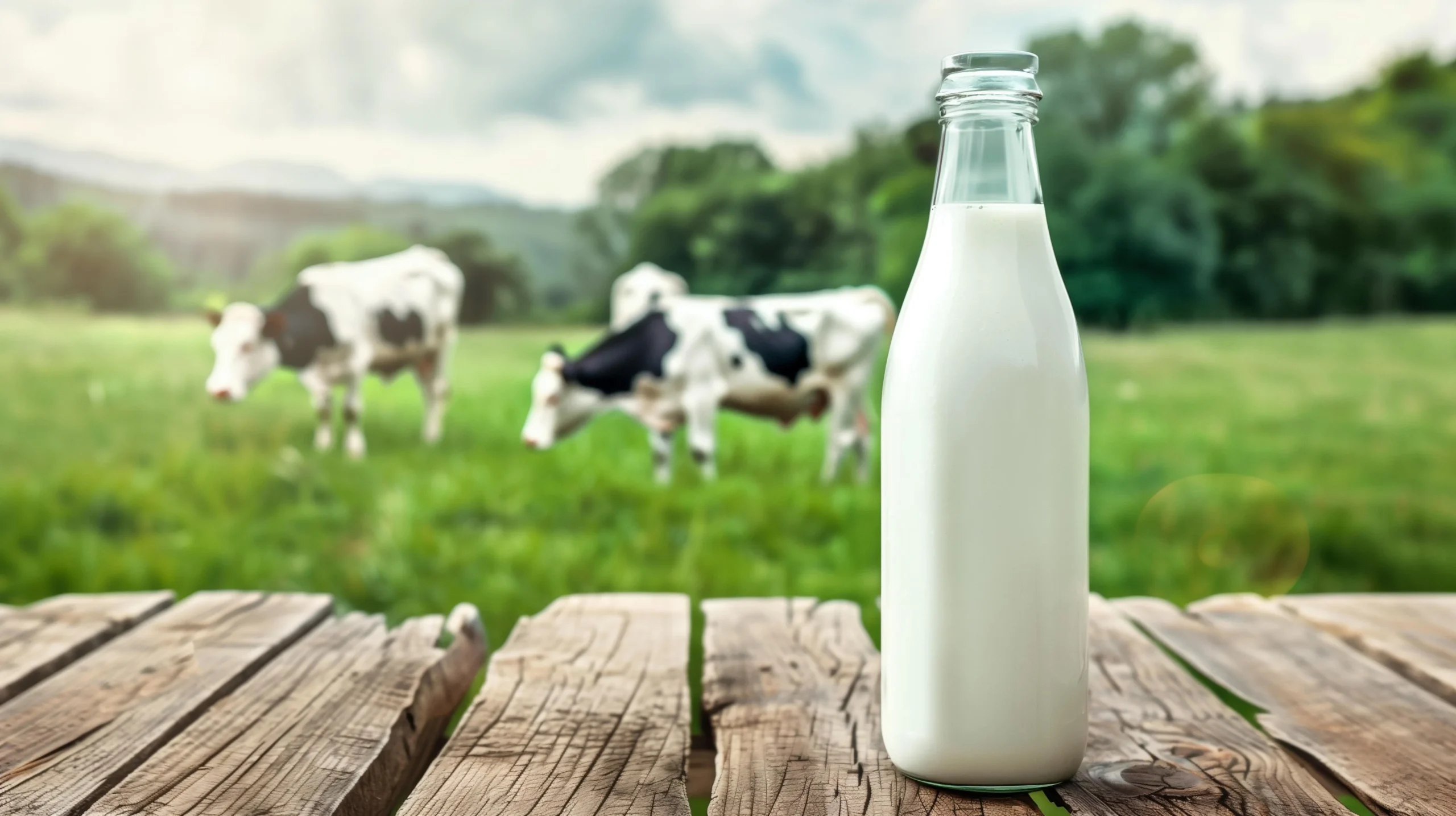
The Higher Demand for High-Protein Milk in the GLP-1 Era

Author: Valentina Mayorga and Inge Heinzl, EW Nutrition

Today, the dairy market is undergoing a remarkable transformation. Demand is no longer focused solely on volume or fat content, but rather on a specific component: protein. But why is protein suddenly at the center of consumer attention? Recent estimates indicate that approximately one in eight adults (12%) in the United States is currently using a GLP-1 medication such as Ozempic or Wegovy for weight loss or chronic disease management (Lacsamana, 2025). By significantly reducing appetite and overall caloric intake, these medications may increase the risk of muscle mass loss in the absence of adequate nutritional planning, particularly when protein intake is insufficient.

Humans and animals compete for high-protein products

For this reason, consumers are increasingly seeking high-quality protein sources, particularly those rich in whey protein, known for its high biological value and rapid digestibility. However, this shift in consumer demand also creates a new challenge for the feed industry. Whey protein, traditionally used by feed mills as a highly digestible ingredient for young animals, is increasingly being diverted to human nutrition markets, creating direct competition for this valuable protein source. Either way, dairy consumption is growing, but not uniformly across all categories. The increase is concentrated in products with lower fat content and higher protein density, such as cottage cheese, premium Greek yogurt, and whey-protein-enriched milk beverages. The protein market is accelerating, and in an industry that rewards adaptation, standing still is simply another way of moving backward.

This shift in what consumers care about raises a key question for dairy farmers: how can they increase milk protein content through farm nutrition practices? Improving milk protein content isn’t just about putting more protein into the diet. It needs a balanced nutritional approach that supports rumen function, promotes microbial protein synthesis, and maintains overall metabolic function. With the right feed mix, farms can better meet consumers’ changing tastes.

Increase milk protein with higher energy intake

Milk protein synthesis is primarily driven by energy intake, particularly fermentable energy. When cows consume more metabolizable energy (ME), rumen microbial activity increases, leading to greater microbial protein synthesis. Since microbial protein represents the main source of metabolizable amino acids absorbed in the small intestine, improving rumen efficiency directly supports higher milk protein production. Research has shown that increasing concentrate intake is associated with increases in milk protein concentration, with a response of approximately +0.06 percentage units per additional 10 MJ of ME intake per day. This response occurs because higher energy intake increases dry matter intake, improves nitrogen utilization, enhances microbial growth, and ultimately increases the supply of metabolizable protein to the mammary gland. Importantly, the source of energy matters. Energy derived from fermentable carbohydrates, particularly starch and sugars, is far more effective at stimulating microbial protein synthesis than energy derived from fat.

Starch plays a crucial role

Among fermentable carbohydrates, starch plays a central role in increasing milk protein concentration. When starch in the diet increases, rumen fermentation produces more propionate. Propionate is absorbed and converted in the liver into glucose through gluconeogenesis. Glucose is essential for lactose synthesis in the mammary gland, and lactose regulates milk volume through osmotic pressure. At the same time, improved energy status enhances microbial protein synthesis, increasing the availability of amino acids for casein production. This makes increasing dietary starch one of the most influential nutritional strategies for enhancing milk protein concentration.

Replacing grass silage with forages higher in starch and sugars, such as maize silage or fodder beet, can increase total energy intake, milk yield, and milk protein concentration. However, starch must be carefully balanced with adequate fiber. Excessively low fiber levels can reduce rumen pH, leading to acidosis, decreased feed intake, milk fat depression, and compromised animal health. Therefore, the objective is not simply high starch inclusion but rather high fermentable energy within a stable rumen environment, supported by sufficient physically effective fiber.

Effective protein strategies coordinate the supply of fermentable energy and degradable protein

Feeding more crude protein alone does not increase milk protein concentration. If degradable protein exceeds the availability of fermentable energy, excess nitrogen is converted into urea, reducing nitrogen efficiency and increasing milk urea nitrogen (MUN) without improving milk protein yield. Instead, effective protein strategies involve synchronizing rumen-degradable protein (RDP) with fermentable carbohydrates to maximize microbial growth, while also providing adequate rumen-undegradable protein (RUP) to supply metabolizable amino acids directly to the intestine. Precision supplementation of limiting amino acids, particularly methionine between 2.4-2.5% and lysine between 7.2-7.5% of metabolizable protein (MP), ensures a crucial 3:1 ratio, supporting casein synthesis in the mammary gland and improving true milk protein yield.

Feeding is one thing, genetics is another

Under optimized nutritional management, realistic improvements in milk protein concentration can be achieved. In Holstein cows, which typically average around 3.1% protein, levels can increase to approximately 3.3–3.5%. In Jersey cows, which average around 3.9%, protein concentration may increase to approximately 4.1–4.3% with well-balanced diets and excellent management. Increases beyond these ranges generally require genetic selection in addition to nutritional adjustments.

Higher protein production is possible…up to a certain degree

High-starch diets often increase milk protein while potentially lowering milk fat percentage. This occurs because increased propionate production is associated with reduced acetate formation, and acetate is the primary precursor for milk fat synthesis. For consumers seeking dairy products with higher protein and lower fat content (particularly individuals aiming to preserve muscle mass while reducing caloric intake), this shift in milk composition may align with emerging market demands. However, excessive starch without adequate fiber can negatively impact rumen health, emphasizing the importance of nutritional balance.

References

Chamberlain, A. T., and J. M. Wilkinson. Feeding the dairy cow. Mountwood House: Chalcombe Publications, 2011.

Hunt, Andrew. “The GLP-1 Gold Rush: Why Dairy Protein Is Pharma’s New Best Friend.” The Bullvine | The Dairy Information You Want To Know When You Need It, August 12, 2025. https://www.thebullvine.com/news/the-glp-1-gold-rush-why-dairy-protein-is-pharmas-new-best-friend/

Lacsamana, Rain. “Poll: 1 in 8 Adults Say They Are Currently Taking a GLP-1 Drug for Weight Loss, Diabetes or Another Condition, Even as Half Say the Drugs Are Difficult to Afford.” KFF, November 14, 2025. https://www.kff.org/public-opinion/poll-1-in-8-adults-say-they-are-currently-taking-a-glp-1-drug-for-weight-loss-diabetes-or-another-condition-even-as-half-say-the-drugs-are-difficult-to-afford/

Diarrhea? Egg powder to the rescue

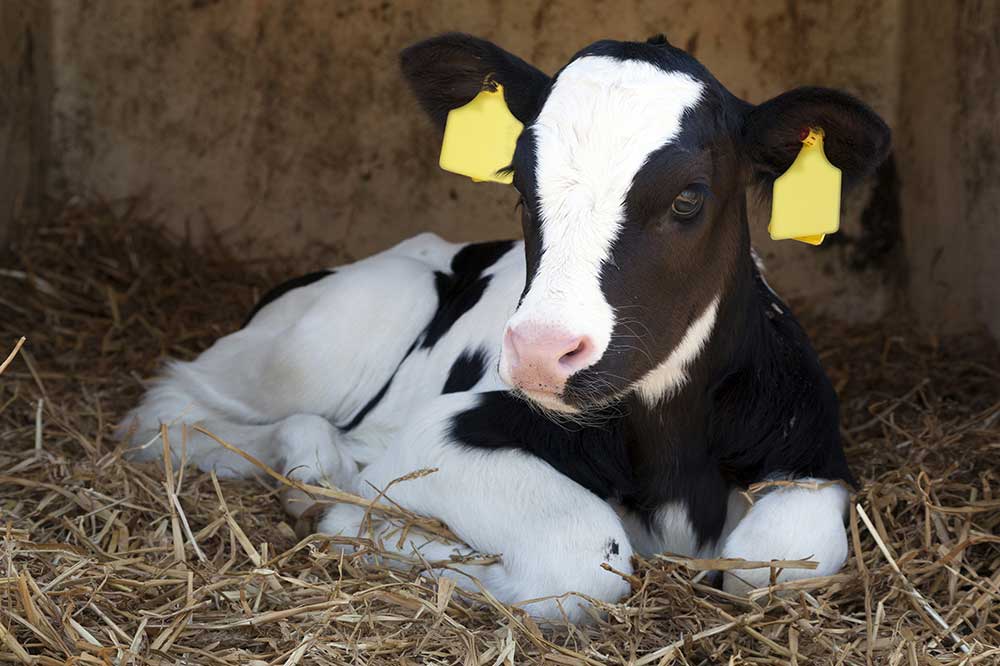
Calf lying Stable Fotolia 84943524 XL

Another tool to reduce the use of antibiotics is the use of immunoglobulins from eggs.
Trials showed that this product is effective to support a calf’s start in life and also to offer support when challenged by various forms of diarrhoea.

The main cause for calf losses during the first two weeks of life is diarrhea. In general diarrhoea is characterised by more liquid being secreted than that being resorbed. However, diarrhoea is not a disease, but actually only a symptom. Diarrhea has a protective function for the animal, because the higher liquid volume in the gut increases motility and pathogens and toxins are excreted faster. Diarrhoea can occur for several reasons. It can be caused by incorrect nutrition, but also by pathogens such as bacteria, viruses and protozoa.

Bacteria in the gut
E. coli belong to the normal gut flora of humans and animals and can be mainly found in the colon. Only a fraction of the serotypes causes diseases. The pathogenicity of E.coli is linked to virulence factors. Decisive virulence factors are for example the fimbria used for the attachment to the gut wall and the bacteria’s ability to produce toxins.

Salmonella in general plays a secondary role in calf diarrhea, however, salmonellosis in cattle is a notifiable disease. Disease due to Clostridia is amongst the most expensive one in cattle farming globally. In herbivores, clostridia are part of the normal gastro-intestinal flora, only a few types can cause serious disease. In calves, Clostridium perfringens occurs with the different types A, C, and D. Rotaviruses are the most common viral pathogens causing diarrhoea in calves and lambs. They are mainly found at the age of 5 to 14 days. Coronaviruses normally attack calves at the age of 5 to 21 days. Cryptosporidium parvum is a protozoa and presumed to be the most common pathogen causing diarrhoea (prevalence up to more than 60 %) in calves.

Undigested feed and incorrect use of antibiotics
Plant raw materials (mainly soy products) are partly used in milk replacers as protein sources. These products contain carbohydrates, that cannot be digested by calves which can lead to diarrhea. The transition from milk to milk replacer can also be a reason.

An early application of tetracyclines and neomycin to young calves can lead to a change in the villi, malabsorption and therefore to slight diarrhoea. Longer therapies using high dosages of antibiotics can also lead to a bacterial superinfection of the gut. The problem is that in a disease situation, antibiotics are often used incorrectly. The use of antibiotics only makes sense when there is a bacterial diarrhea and not due to viruses, protozoa or poor feed management. To keep the use of antibiotics as low as possible, alternatives need to be considered.

Egg powder to add immunoglobulins
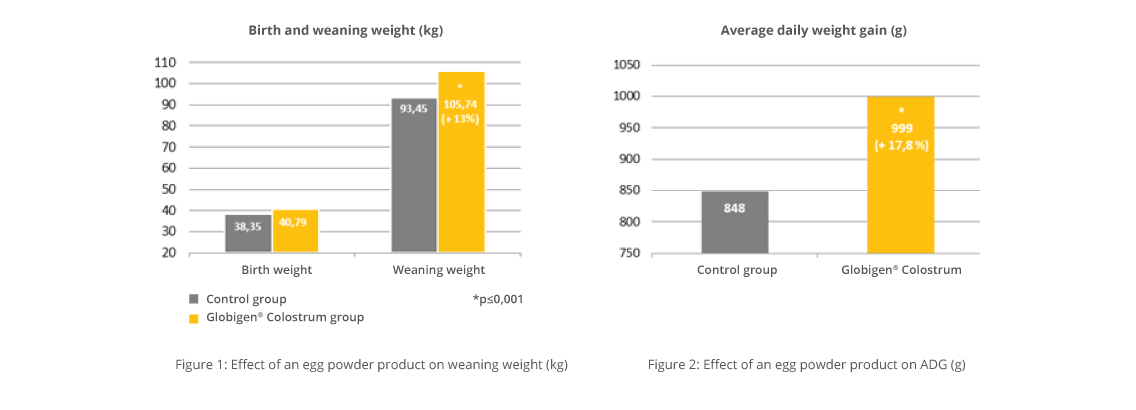
In order to achieve optimal results in calf rearing two approaches are possible. Firstly, the prophylaxis approach. This is the method of choice as diarrhoea can mostly be prevented. Therefore, it is necessary to supply the calf with the best possible equipment. As antibodies are one crucial but limiting factor in the colostrum of the “modern” cow, this gap needs to be minimised.  A study conducted in Germany in 2015 demonstrated that more than 50% of the new-born calves had a deficiency of immunoglobulins in the blood. Only 41% of the calves showed an adequate concentration of antibodies in the blood (>10 mg IgG/ml blood serum). Immunoglobulins contained in hen eggs (IgY) can partly compensate for poor colostrum quality and serve as a care package for young animals. A trial was conducted with an egg powder product* on a dairy farm (800 cows) in Brandenburg, Germany. In total 39 new-born calves were observed until weaning (65th day of life). Before birth, the calves were already divided into control and trial group according to the lactation number of their mother cow. All calves were fed the same and received four litres of colostrum with ≥ 50 mg IgG /ml on the first day of life.

Control (n=20):            no additional supplementation
Trial group (n=19):      day 1 – 5: 100 g of the egg powder product per animal per day mixed into the colostrum or milk.

It was shown that the calves in the trial group showed a significantly higher (13%) weaning weight (105.74 kg compared to 93.45 kg in the control group) and 18%  higher average daily gain (999 g compared to 848 g in the control group) (Figure 1 and Figure 2).

Support during acute diarrhea
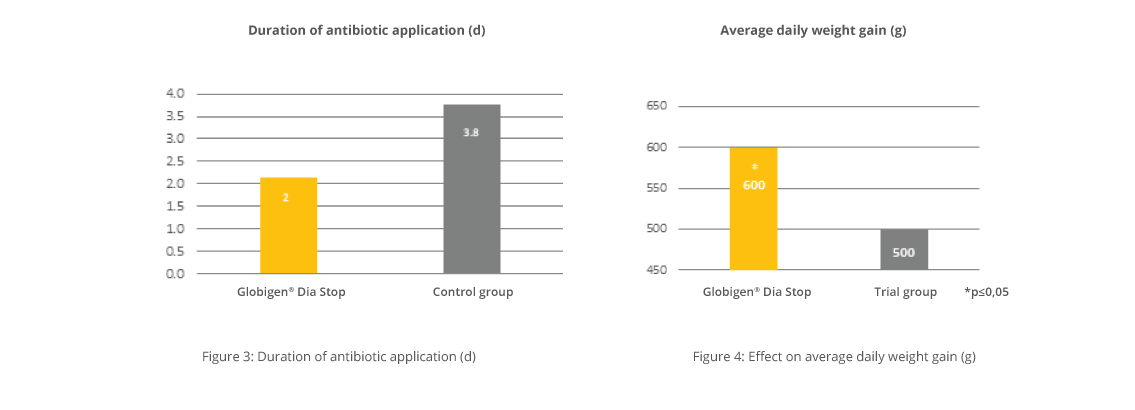
When diarrhea occurs, the calf has to be treated. So the second approach is to find the best and quickest solution. It is not always necessary to use antibiotics, as they do not work against virus or protozoa. Egg antibodies can be an answer when combined with electrolytes as the following trial shows. On a dairy farm (550 cows) in Germany a feeding trial with a product based on egg powder and electrolytes** was conducted from December 2017 to May 2018. Two groups of calves were used. Before birth the animals were allocated into the two groups according to the calving plan and were examined from day one until weaning (77th day of life). All calves suffering from diarrhea (38 in total, 17 in the control and 21 in the trial group) were treated as follows:

Control (n=17):            Application of electrolytes
Trial group (n=21):      50 g of the egg powder and electrolytes product twice daily, stirred into the milk replacer until diarrhea stopped.

If the diarrhea did not stop or even got worse, the animals were treated with antibiotics. It was shown that in the control group the antibiotic treatment necessary was nearly twice as long as needed in the trial group (Figure 3). This means also that nearly twice the amount of antibiotics were used. This leads to the conclusion that calves in the trial group had an improved health status compared to calves in the control group. A further result from the improved health status was an increase in performance in the trial group (Figure 4).

The average daily weight gain of the trial group was 20% higher than in the control (600 vs. 500 g per day) leading to a significantly higher weaning weight (87.8 kg) than in the control (80.7 kg).

By Dr. Inge Heinzl, Editor EW Nutrition
Published in Dairy Global (Online and Printed), 10/2018